Home
 NewsNews
IVF bills can hit $30,000, creating major financial barriers for families. The HOPE with Fertility Services Act aims to mandate insurance coverage for infertility diagnosis, treatment, and preservation, potentially benefiting 133 million Americans while addressing affordability and expanding access to essential reproductive healthcare services across the United States.



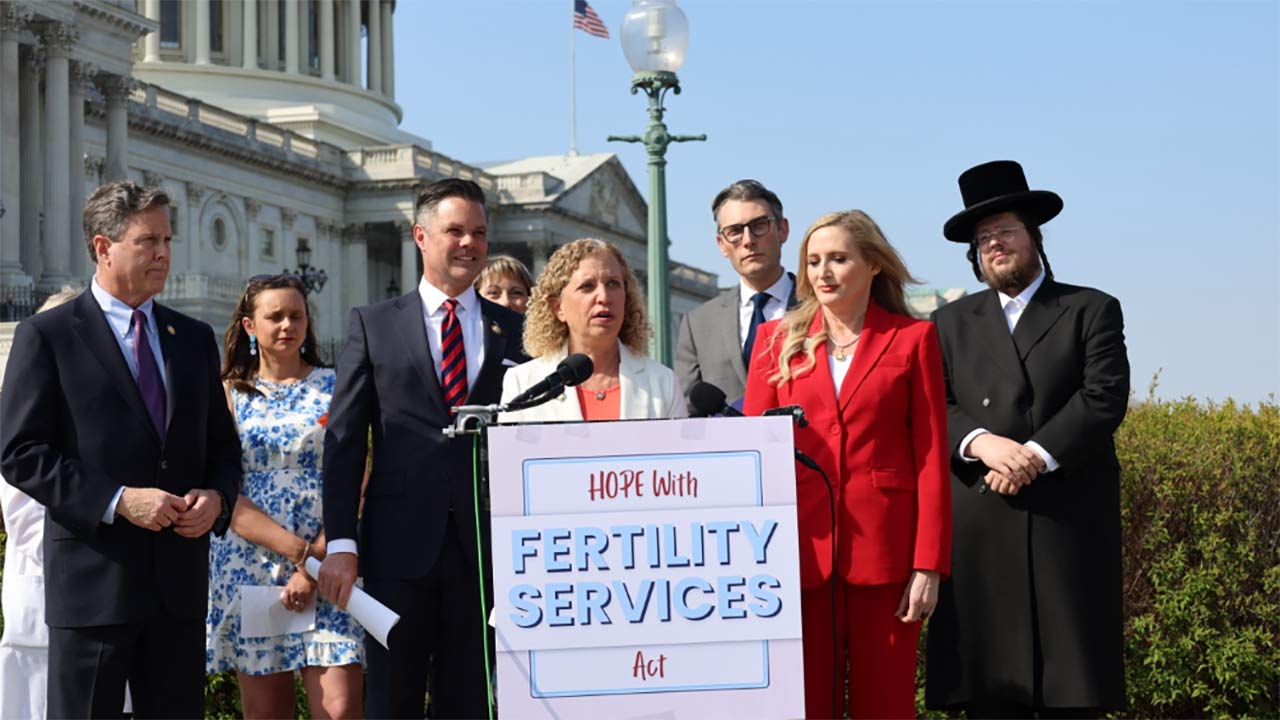
In a landmark effort to modernize reproductive healthcare and support American families, a bipartisan coalition of lawmakers on Capitol Hill recently introduced the "Helping to Optimize Patients’ Experience with Fertility Services Act," widely referred to as the HOPE with Fertility Services Act. This legislative initiative, introduced on Thursday, March 26, 2026, seeks to drastically lower the financial hurdles associated with infertility treatment and fertility preservation, addressing the stark reality that IVF bills can hit $30,000.
The legislation was spearheaded by U.S. Representatives Debbie Wasserman Schultz (D-FL) and Zach Nunn (R-IA). They were joined by a robust group of co-leads, including Representatives Chrissy Houlahan (D-PA), Nicole Malliotakis (R-NY), Donald Norcross (D-NJ), and Laurel Lee (R-FL). The bill targets a critical gap in the current healthcare system: while many insurance plans cover prenatal and birth-related services, they often exclude the very treatments required to achieve pregnancy.
If enacted into law, the HOPE with Fertility Services Act would require all group health plans that provide coverage for obstetrical services to also include comprehensive benefits for infertility diagnosis and treatment, as well as standard fertility preservation services. Supporters of the bill emphasise that this measure is essential to closing long-standing insurance loopholes. Currently, these gaps force many prospective parents to pay for their medical care entirely out of pocket, a burden that is often insurmountable given that IVF bills can hit $30,000.
The scope of the bill is inclusive, designed to support a wide range of patients. This includes individuals diagnosed with specific medical conditions that prevent conception or the ability to carry a pregnancy to term, as well as those suffering from unexplained infertility. Crucially, the legislation also covers patients whose future fertility is threatened by necessary medical interventions, such as chemotherapy, radiation, surgery, or other invasive procedures.
Representative Debbie Wasserman Schultz, a breast cancer survivor and carrier of the BRCA gene mutation, shared her personal journey of conceiving twins through in vitro fertilization. She highlighted that fertility services are not just about family building but are often a medical necessity to prevent passing on genetic diseases. “Infertility impacts millions and doesn’t discriminate. It can affect anyone who wants to start or grow a family,” Wasserman Schultz stated, emphasizing that these services are currently prohibitively expensive for most people.
Co-sponsor Representative Zach Nunn, a father of six, framed the bill as a matter of fundamental American values. “Starting a family is one of the biggest dreams couples have, and no one should be denied that opportunity because of infertility, cancer treatments, or cost. This isn’t a Republican or Democrat idea — it’s an American one,” Nunn said.
The financial strain on American families was a recurring theme among the bill's backers. Representative Donald Norcross pointed out that a single cycle of IVF typically ranges from $15,000 to $30,000. He argued that because most insurance plans are not currently required to cover these costs, the HOPE with Fertility Services Act is vital to making family-building a reality for millions. Indeed, without such mandates, families are left to struggle alone when IVF bills can hit $30,000.
Advocacy groups and medical professionals have signalled strong support for the legislation. Danielle Melfi, CEO of RESOLVE: The National Infertility and Family Building Association, noted that infertility affects one in six people. She estimated that the bill could expand insurance coverage to approximately 133 million Americans who are currently enrolled in employer-sponsored health plans governed by the Employee Retirement Income Security Act (ERISA).
Medical experts warn that the lack of coverage often leads to delayed or even riskier medical treatments as patients try to cut costs. Dr. Valerie Lynn Baker, a reproductive endocrinologist and board member of the American Society for Reproductive Medicine (ASRM), observed that doctors are frequently unable to treat diagnosed conditions simply because patients cannot afford the care. “Other diseases are not approached this way,” she remarked, comparing infertility to other medical conditions that receive standard coverage.
Sean Tipton, ASRM’s chief advocacy and policy officer, further noted that the World Health Organization recognises infertility as a disease. “Access to care should never depend on a person’s ability to pay,” Tipton asserted, reinforcing the bill's goal of making fertility care an essential health benefit rather than a luxury.
The bill has garnered endorsements from prominent organisations, including ASRM, RESOLVE, the Tzedek Association, and Americans for IVF. The growing list of cosponsors reflects a broad geographic and political consensus, including Representatives Pat Ryan (D-NY), Dan Goldman (D-NY), Mike Lawler (R-NY), Young Kim (R-CA), Derrick Van Orden (R-WI), Brian Fitzpatrick (R-PA), and Greg Landsman (D-OH).
Representative Laurel Lee summarised the sentiment of the coalition, describing infertility as a deeply personal issue that transcends income or background. “Strong families are the foundation of a strong nation, and this bill is an investment in the future of our country,” Lee said. By ensuring that health insurance covers these essential services, lawmakers hope to provide a path forward for all Americans wishing to start a family, regardless of the fact that IVF bills can hit $30,000 in the current market.



Pulsenmore has completed MHRA registration of Pulsenmore FC, entering the UK fertility market with its patient-operated home ultrasound system for follicular and endometrial monitoring during IVF and fertility preservation treatments. The move follows CE European registration and targets a UK market where over 100,000 fertility treatment cycles were performed in 2024.
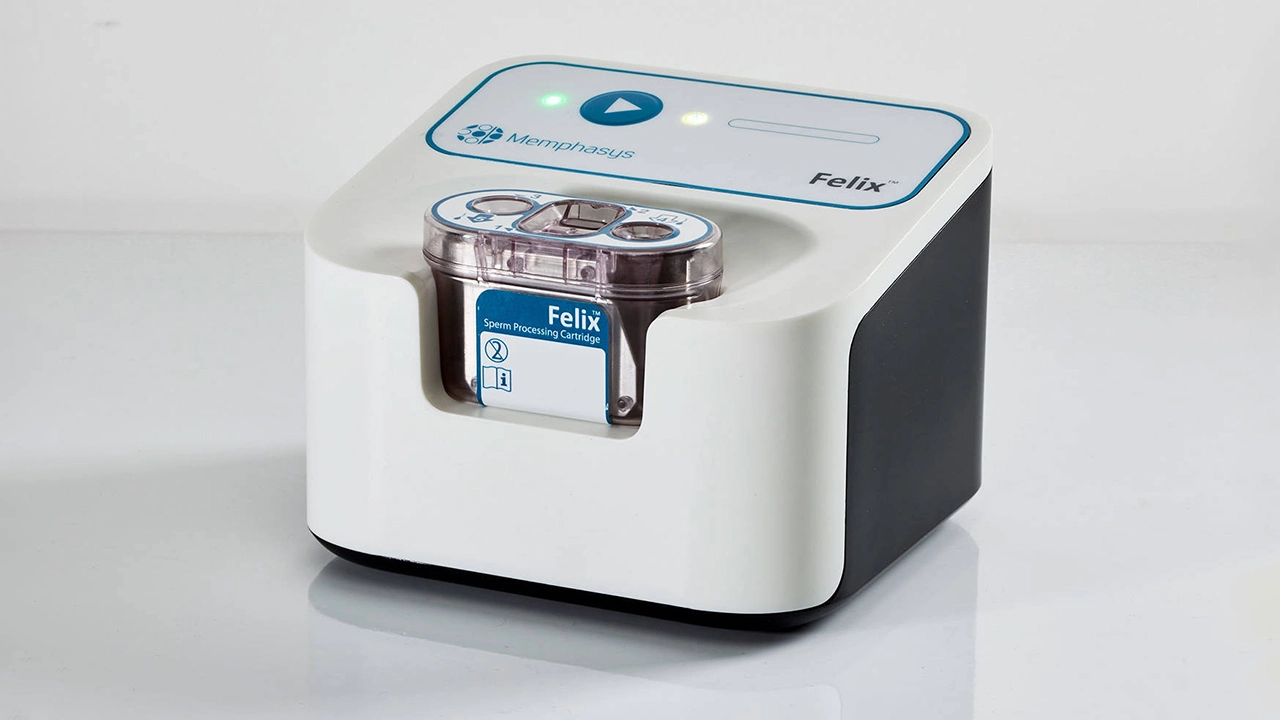
Memphasys has confirmed a Felix System Nordic expansion into Denmark, Sweden, Norway, Finland, and Iceland through an exclusive agreement with fertility-technology distributor NOVIVITAE ApS. The deal carries minimum contracted purchases of €526,500 across three years, with an initial order of €20,625 and three Felix™ consoles to be supplied in the September 2026 quarter.

India's Central Drugs Standard Control Organisation has overhauled CDSCO IVF reagent sale norms, directing that all ART media, culture solutions, and reagents be supplied exclusively to clinics registered under the ART (Regulation) Act and Surrogacy (Regulation) Act. The move targets a growing unlicensed supply chain feeding an estimated 40–50% of India's 2,000-plus IVF centres.

Abu Dhabi University and FertiClinic Group have joined forces to establish the FertiClinic Reproductive Research Lab, an advanced reproductive research lab in Abu Dhabi housing IVF, andrology, and cryopreservation facilities. The partnership supports UAE national priorities, bridges academic and clinical expertise, and advances fertility innovation across the region.

NHS Kent and Medway has overhauled its fertility funding policy in a move that sees NHS cuts IVF access for thousands of patients. Effective 1 April 2026, the eligible age ceiling drops from 40 to 38, funded cycles fall from two to one, and embryo transfers are capped at two.
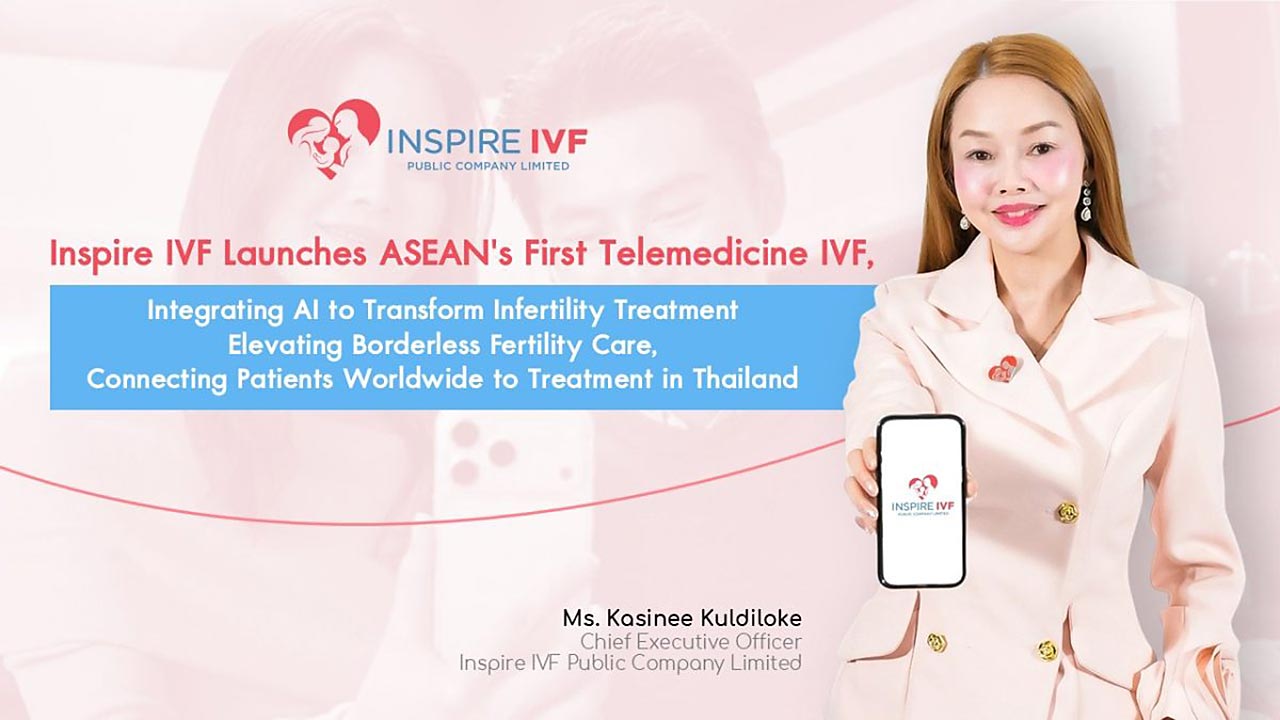
ASEAN's First Telemedicine IVF by Inspire IVF introduces a new era of remote fertility care. Combining AI technology with expert consultation, the platform enables global access, real-time monitoring, and personalised treatment planning, positioning Thailand as a leading hub for fertility services and advancing digital transformation in reproductive healthcare.

CSG.BIO has gone ahead with the acquisition of Hanabusa IVF, Asian Egg Bank, thereby making it a world leader in reproductive medicine and cutting-edge clinics with enhanced patient reach and advanced laboratory capabilities.