Home
 NewsNews
In the UK, a Ten Minute Rule Bill has been introduced in the Commons to create a legal right to paid time off for fertility treatment, aiming to standardize access to time‑sensitive appointments and reduce reliance on employer discretion. The proposal seeks House permission to proceed and spotlights workplace rights during Fertility Awareness Week.




Labour MP Alice Macdonald in the UK Parliament has urged the Commons to create a legal right to paid time off for fertility treatment, introducing a Ten Minute Rule Bill that would entitle patients and partners to attend time‑sensitive appointments without using sick leave or annual leave. The proposal, tabled during National Fertility Awareness Week, seeks House permission to introduce the Fertility Treatment (Right to Time Off) Bill and frames the issue as one of fairness and workplace consistency.
The Fertility Treatment (Right to Time Off) Bill would establish a statutory right to paid time off work specifically for fertility treatment, aligning workplace entitlements with the medical realities of IVF and related care that often require short‑notice appointments dictated by clinical timing. As a Ten Minute Rule measure, the MP set out the case in a limited window and asked the House to allow the bill’s introduction to begin its parliamentary journey.
Brought forward in a week dedicated to fertility awareness, the bill is positioned to reduce stigma and remove the reliance on ad hoc employer discretion for attending scans, procedures, and monitoring tied to treatment cycles, which are inherently unpredictable. The measure aims to standardize access across workplaces so employees do not have to choose between medical adherence and job security when scheduling treatment. Ms. Macdonald said, "A single cycle of IVF typically involves five to seven appointments, often at short notice, the timing dictated by hormone levels and follicle development that cannot be predicted.
"Throughout, you're pumping your body full of hormones and drugs, which can have an extraordinary physical and emotional toll."
Ten Minute Rule Bills allow a backbench MP to make a short speech to seek leave to introduce legislation before any further stages are scheduled, meaning the proposal depends on the House granting permission and subsequent time being found for progress. Without government time or cross‑party facilitation, such bills may not advance swiftly, but the first reading would formally place the measure before Parliament if leave is granted.
The initiative was listed on the Commons agenda among that week’s business, underscoring its status as a private member’s legislative attempt rather than part of the government’s primary programme. Positioning the bill alongside other scheduled items highlights the tactical use of Ten Minute Rule slots to foreground workplace rights questions with a defined policy asking for paid time off for fertility treatment.
Supporters argue that fertility care requires multiple appointments over a cycle, often at clinically determined times, and that paid leave would ensure adherence to treatment while protecting employees from using unrelated leave categories. By creating a clear entitlement, the bill aims to reduce uncertainty for both employees and employers, replacing case‑by‑case arrangements with a uniform standard.
If leave to introduce is granted, the bill would gain a first reading and a formal title, with any further progress contingent on parliamentary time and support being secured in a crowded legislative calendar. Even if the measure does not proceed rapidly, the move places paid time off for fertility treatment on the Commons agenda, inviting debate on codifying workplace rights in line with modern reproductive care.



Pulsenmore has completed MHRA registration of Pulsenmore FC, entering the UK fertility market with its patient-operated home ultrasound system for follicular and endometrial monitoring during IVF and fertility preservation treatments. The move follows CE European registration and targets a UK market where over 100,000 fertility treatment cycles were performed in 2024.
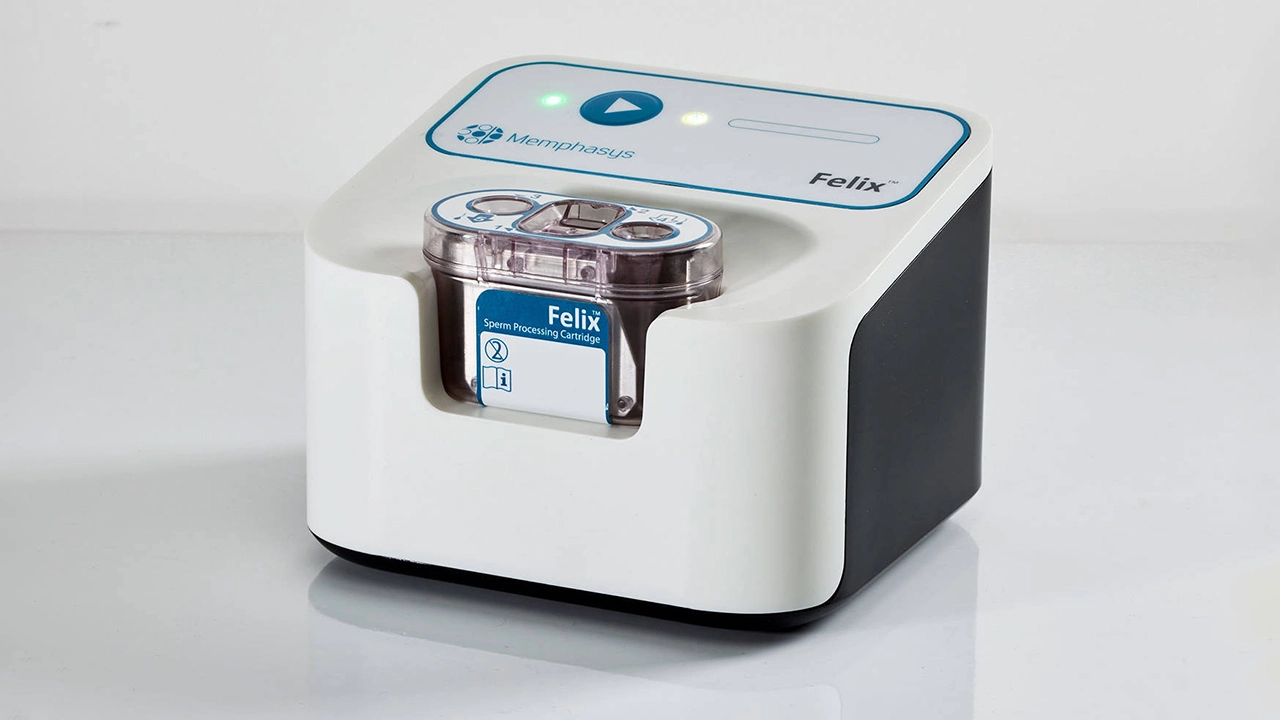
Memphasys has confirmed a Felix System Nordic expansion into Denmark, Sweden, Norway, Finland, and Iceland through an exclusive agreement with fertility-technology distributor NOVIVITAE ApS. The deal carries minimum contracted purchases of €526,500 across three years, with an initial order of €20,625 and three Felix™ consoles to be supplied in the September 2026 quarter.

India's Central Drugs Standard Control Organisation has overhauled CDSCO IVF reagent sale norms, directing that all ART media, culture solutions, and reagents be supplied exclusively to clinics registered under the ART (Regulation) Act and Surrogacy (Regulation) Act. The move targets a growing unlicensed supply chain feeding an estimated 40–50% of India's 2,000-plus IVF centres.
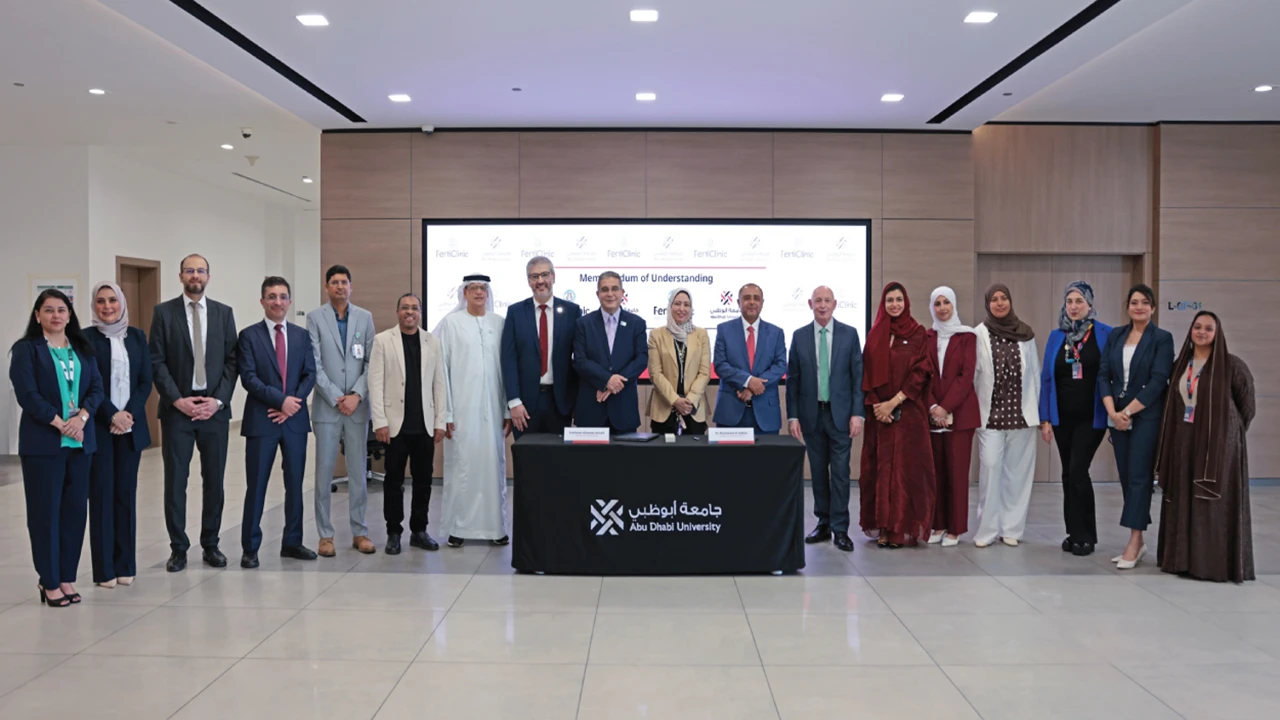
Abu Dhabi University and FertiClinic Group have joined forces to establish the FertiClinic Reproductive Research Lab, an advanced reproductive research lab in Abu Dhabi housing IVF, andrology, and cryopreservation facilities. The partnership supports UAE national priorities, bridges academic and clinical expertise, and advances fertility innovation across the region.

NHS Kent and Medway has overhauled its fertility funding policy in a move that sees NHS cuts IVF access for thousands of patients. Effective 1 April 2026, the eligible age ceiling drops from 40 to 38, funded cycles fall from two to one, and embryo transfers are capped at two.
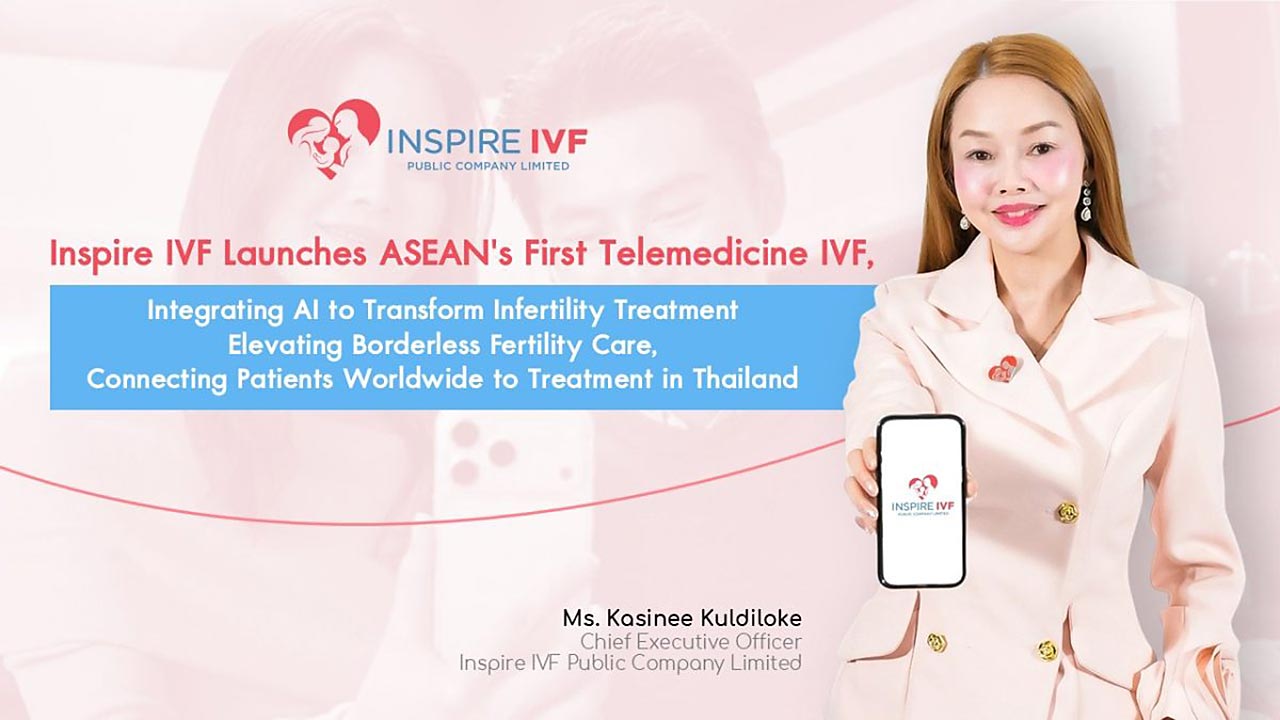
ASEAN's First Telemedicine IVF by Inspire IVF introduces a new era of remote fertility care. Combining AI technology with expert consultation, the platform enables global access, real-time monitoring, and personalised treatment planning, positioning Thailand as a leading hub for fertility services and advancing digital transformation in reproductive healthcare.
CSG.BIO has gone ahead with the acquisition of Hanabusa IVF, Asian Egg Bank, thereby making it a world leader in reproductive medicine and cutting-edge clinics with enhanced patient reach and advanced laboratory capabilities.