Home
 NewsNews
Singapore’s MOH approves 13 additional genetic conditions for testing before embryos are implanted during IVF, enhancing reproductive genetic screening options.



The Ministry of Health, MOH expands genetic conditions for PGT only for severe genetic conditions that are highly likely to manifest in affected individuals and for which treatment options remain limited. Among the newly included conditions, mutations in the RAD51D gene present a notable example carriers may face significantly elevated lifetime risks of breast and ovarian cancers, with studies showing mutations in RAD51D in 0.3% of breast cancer patients and 1% of ovarian cancer patients. Other expanded approvals include type 1 osteogenesis imperfecta, a mild form of brittle bone disease causing bone fragility and frequent fractures, resulting from mutations in the COL1A1 gene.
Seven newly approved categories involving chromosomal structural abnormalities added by Singapore's Ministry of Health (MOH) for preimplantation genetic testing (PGT) specifically encompass structural changes in chromosomes that elevate the risk of recurrent miscarriage or cause developmental problems in offspring. These abnormalities typically include the following:
Breakdown of the 13 New Conditions:
Financial support is available for couples where at least one spouse is a Singapore citizen meeting clinical criteria. Since July 2022, they can access up to 75% government co-funding for PGT at public assisted reproduction centres KK Women’s and Children’s Hospital, National University Hospital, and Singapore General Hospital. Additionally, MediSave funds can be used within withdrawal limits regardless of public or private treatment settings.
Embryos identified with gene mutations or chromosomal abnormalities may still sometimes be eligible for implantation depending on the condition and genetic inheritance pattern. For example, embryos with one abnormal gene copy in osteogenesis imperfecta are unsuitable for transfer, while those with one affected gene in some recessive conditions might be considered after counseling. Embryos carrying two abnormal copies for recessive diseases or severe defects will not be implanted, and affected embryos are not preserved.
This development by MOH expands genetic conditions and IVF, aiming to reduce transmission of serious inheritable diseases while maintaining ethical constraints. It reflects ongoing advances in genetic testing technology integrated into fertility care, providing couples greater assurance and choice before embryo implantation.



India's Central Drugs Standard Control Organisation has overhauled CDSCO IVF reagent sale norms, directing that all ART media, culture solutions, and reagents be supplied exclusively to clinics registered under the ART (Regulation) Act and Surrogacy (Regulation) Act. The move targets a growing unlicensed supply chain feeding an estimated 40–50% of India's 2,000-plus IVF centres.
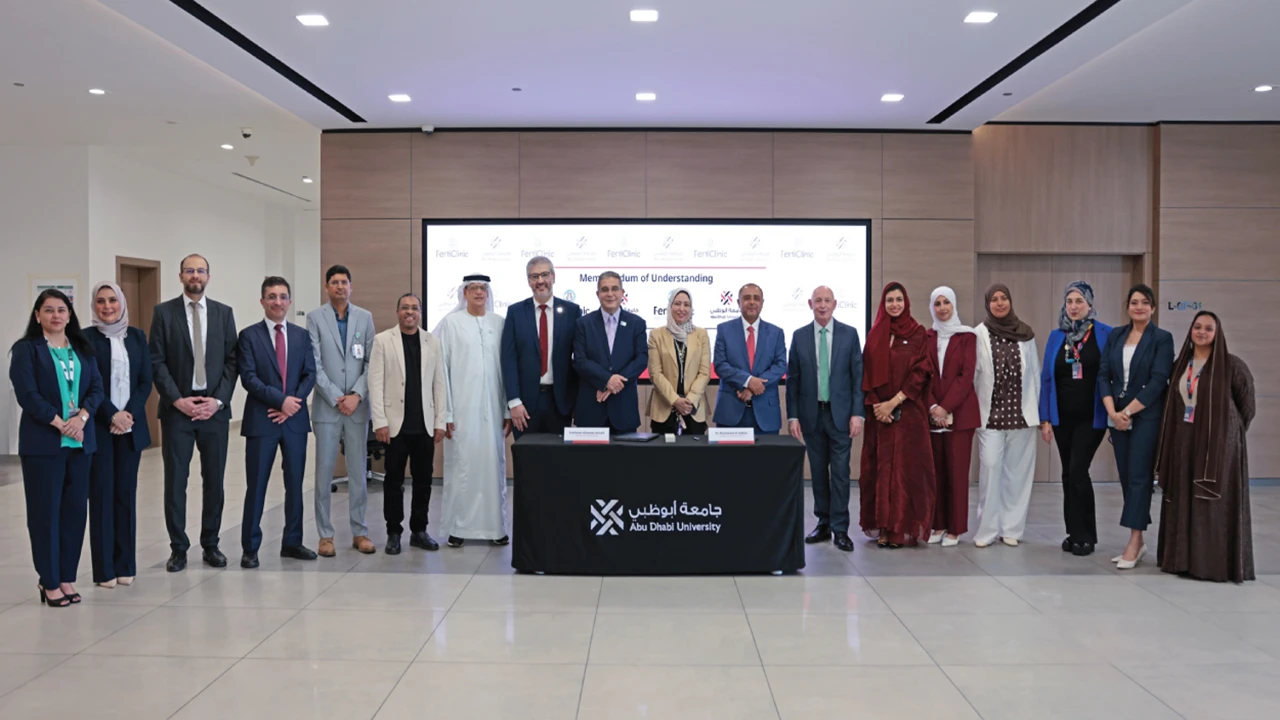
Abu Dhabi University and FertiClinic Group have joined forces to establish the FertiClinic Reproductive Research Lab, an advanced reproductive research lab in Abu Dhabi housing IVF, andrology, and cryopreservation facilities. The partnership supports UAE national priorities, bridges academic and clinical expertise, and advances fertility innovation across the region.

NHS Kent and Medway has overhauled its fertility funding policy in a move that sees NHS cuts IVF access for thousands of patients. Effective 1 April 2026, the eligible age ceiling drops from 40 to 38, funded cycles fall from two to one, and embryo transfers are capped at two.
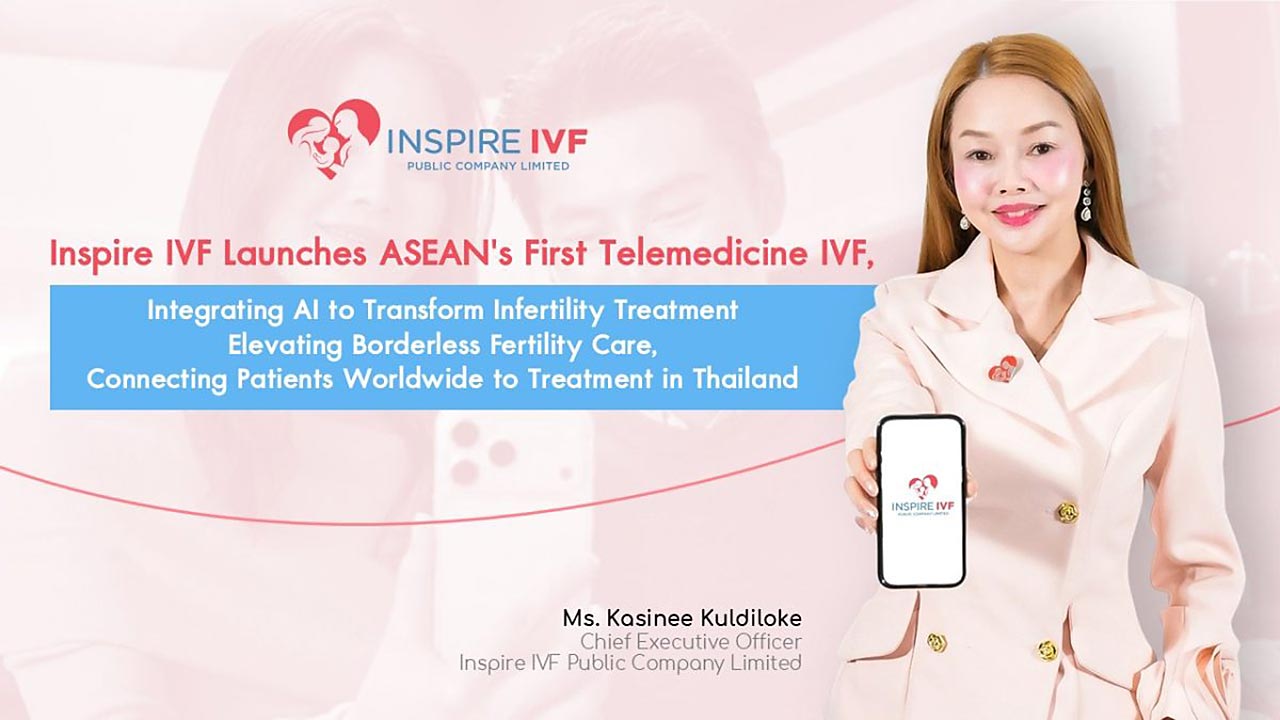
ASEAN's First Telemedicine IVF by Inspire IVF introduces a new era of remote fertility care. Combining AI technology with expert consultation, the platform enables global access, real-time monitoring, and personalised treatment planning, positioning Thailand as a leading hub for fertility services and advancing digital transformation in reproductive healthcare.
CSG.BIO has gone ahead with the acquisition of Hanabusa IVF, Asian Egg Bank, thereby making it a world leader in reproductive medicine and cutting-edge clinics with enhanced patient reach and advanced laboratory capabilities.
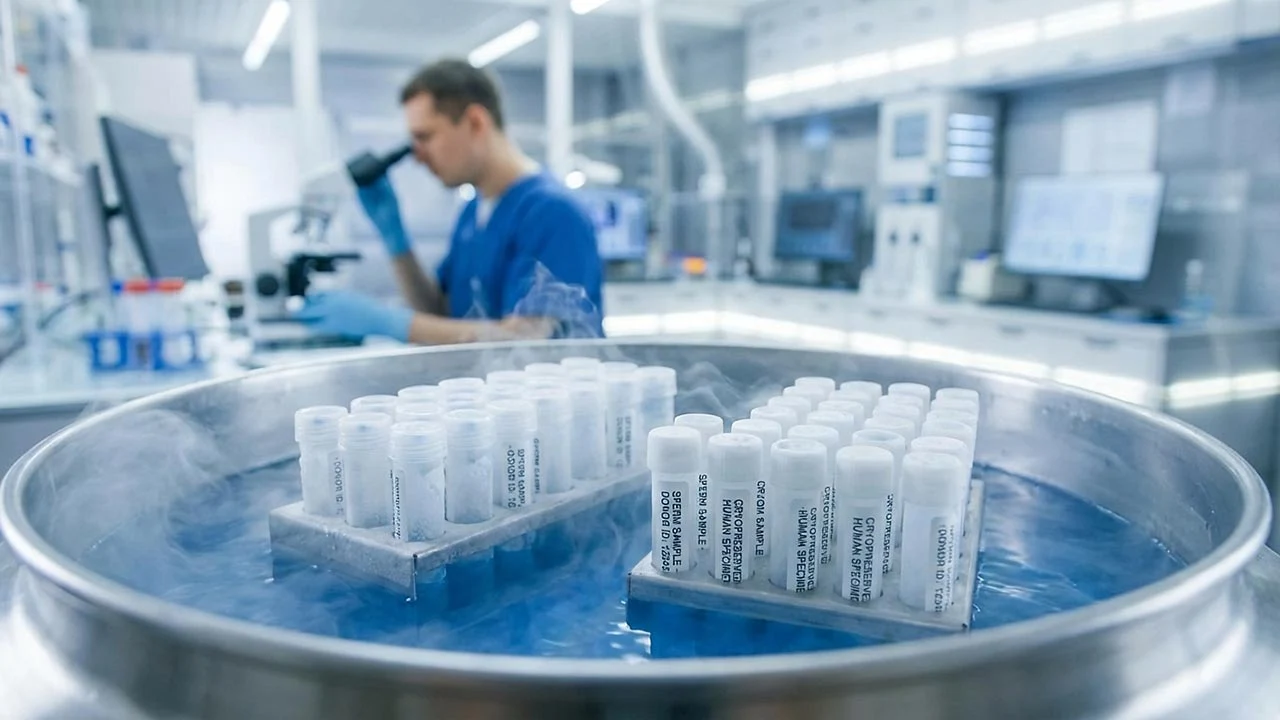
Wisconsin lawmakers from both parties are proposing bills to reduce IVF treatment costs. Republicans suggest a $5,000 tax credit for expenses, while Democrats want mandatory insurance coverage. With IVF cycles costing $20,000-$30,000 and 170,000 residents facing infertility, both parties seek affordable solutions through different approaches.
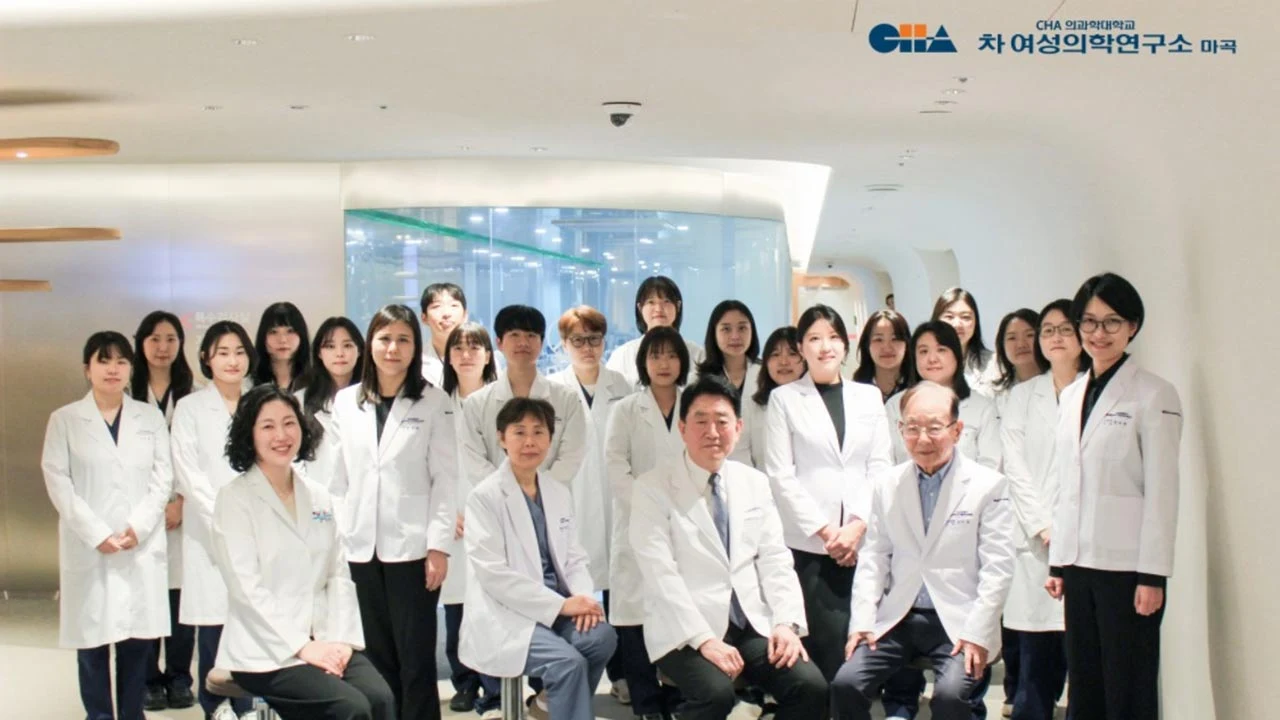
The AI-specialized Infertility Center, which is the largest in Asia, is open in Magok, Seoul and has begun its full-scale medical services from November 17 thereby marking the new era when it comes to fertility in the region.