Home
 NewsNews
The Michigan House pass Fertility fraud bills introducing strict accountability in assisted reproduction. The legislation mandates use of patient-selected genetic material, criminalizes unauthorized substitutions, and penalizes false donor information with felony charges and heavy fines. The move establishes long-awaited legal safeguards to protect families pursuing fertility treatments.




Key Takeways:
In a significant legislative move aimed at protecting families and individuals seeking assisted reproductive services, the state capital has seen a major development this week. The Michigan House pass Fertility fraud bills, marking a pivotal step in regulating a field that has long lacked a clear legal framework for accountability. These new measures target flawed practices in assisted reproduction and aim to ensure that the trust between patients and medical professionals remains unbroken.
Under the proposed legislation, the rules for medical professionals are clear and stringent. Doctors would be strictly required to use the specific donor sperm or eggs requested by a patient during in-vitro fertilization and other assisted reproduction procedures. This means that the intentional substitution of another person’s genetic material, or even the doctor’s own genetic material, without the patient's explicit consent would no longer go unpunished.
The consequences for violating these new standards are designed to be severe. The legislation establishes that a health professional who uses eggs or sperm that were not chosen by the patient could face felony charges. Specifically, those found guilty of such acts could face up to 15 years in prison or a substantial fine of $100,000. These heavy penalties reflect the gravity of the betrayal involved when medical professionals manipulate the genetic outcome of a family's future.
The scope of the legislation extends beyond the doctors themselves to include the donors. When the Michigan House pass Fertility fraud bills, they included provisions that prohibit donors from providing false information about themselves. This includes lying about their medical or personal history. By ensuring that donors are held accountable for their honesty, the bills aim to provide patients with the accurate information they need to make informed decisions about their reproductive health.
Prior to this legislative action, Michigan found itself in a vulnerable position regarding these types of medical ethics. Currently, the state has no existing framework to punish doctors or donors who lie about the genetic material being used or provide false personal histories. This lack of oversight has historically left patients with little to no legal recourse when they discover they have been victims of fertility-related deception.
The decision to see the Michigan House pass Fertility fraud bills represents a direct response to these gaps in the law. As these bills move forward, they represent a new era of transparency and safety for Michigan residents. By codifying these protections into law, the state is sending a clear message that fertility fraud will be met with serious legal repercussions, ensuring that the path to parenthood remains protected from unethical practices.



India's Central Drugs Standard Control Organisation has overhauled CDSCO IVF reagent sale norms, directing that all ART media, culture solutions, and reagents be supplied exclusively to clinics registered under the ART (Regulation) Act and Surrogacy (Regulation) Act. The move targets a growing unlicensed supply chain feeding an estimated 40–50% of India's 2,000-plus IVF centres.

Abu Dhabi University and FertiClinic Group have joined forces to establish the FertiClinic Reproductive Research Lab, an advanced reproductive research lab in Abu Dhabi housing IVF, andrology, and cryopreservation facilities. The partnership supports UAE national priorities, bridges academic and clinical expertise, and advances fertility innovation across the region.

NHS Kent and Medway has overhauled its fertility funding policy in a move that sees NHS cuts IVF access for thousands of patients. Effective 1 April 2026, the eligible age ceiling drops from 40 to 38, funded cycles fall from two to one, and embryo transfers are capped at two.
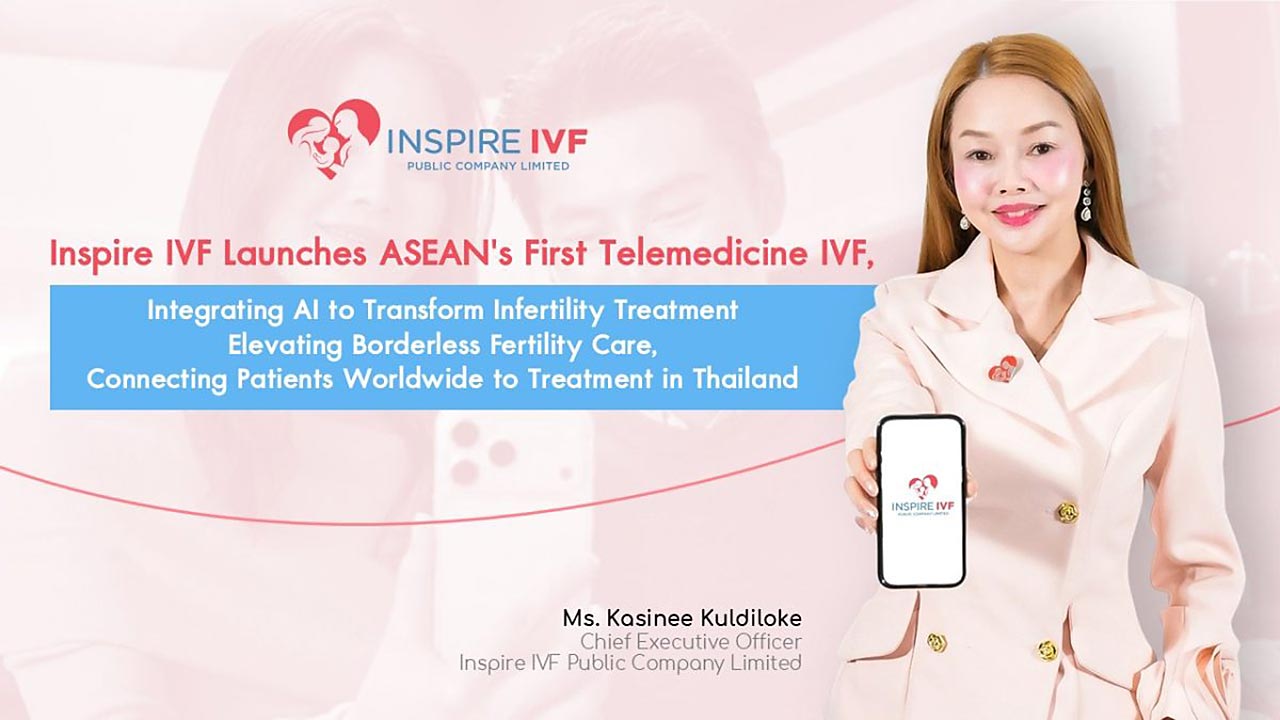
ASEAN's First Telemedicine IVF by Inspire IVF introduces a new era of remote fertility care. Combining AI technology with expert consultation, the platform enables global access, real-time monitoring, and personalised treatment planning, positioning Thailand as a leading hub for fertility services and advancing digital transformation in reproductive healthcare.
CSG.BIO has gone ahead with the acquisition of Hanabusa IVF, Asian Egg Bank, thereby making it a world leader in reproductive medicine and cutting-edge clinics with enhanced patient reach and advanced laboratory capabilities.

Wisconsin lawmakers from both parties are proposing bills to reduce IVF treatment costs. Republicans suggest a $5,000 tax credit for expenses, while Democrats want mandatory insurance coverage. With IVF cycles costing $20,000-$30,000 and 170,000 residents facing infertility, both parties seek affordable solutions through different approaches.

The AI-specialized Infertility Center, which is the largest in Asia, is open in Magok, Seoul and has begun its full-scale medical services from November 17 thereby marking the new era when it comes to fertility in the region.