Home
 NewsNews
Maven Clinic has expanded its Fertility and Family Building program with earlier diagnostics, wearable integration, and AI-powered personalised care. The enhanced platform supports faster diagnosis, improved treatment decisions, and condition-specific pathways for PCOS, endometriosis, and oncofertility. The rollout continues through 2026 with added innovations and partnerships.



Maven Clinic, the largest virtual clinic specialising in women’s and family health, has announced an expansion of its Fertility and Family Building program. The update introduces earlier diagnostic lab testing, condition-specific care pathways, and the first integration of FDA-listed ovulation prediction insights from ŌURA into a fertility care platform. These enhancements are designed to provide members with answers earlier in their journey and accelerate the transition to appropriate clinical care. The rollout is scheduled to begin this spring, with additional capabilities continuing to launch throughout 2026.
The expansion addresses significant economic and clinical challenges within the fertility sector, where 70% of employers have reported rising costs over the last three years. Despite 85% of infertility cases having identifiable underlying causes, individuals often spend an average of two years attempting to conceive before seeking professional support. This delay frequently results in unnecessary medical interventions and increased emotional stress.
Kate Ryder, founder and CEO of Maven Clinic, stated: "One of the most costly and least visible drivers of waste in our fertility system is delayed diagnosis, months or years spent trying without information, only to arrive at a clinic already behind. Time lost early becomes dollars spent later, in more aggressive treatment, higher-risk pregnancies, and preventable NICU stays. That's why Maven is building fertility care for the future, a connected system where data follows the member, lab diagnostics and wearable technology integrate, care teams cushion decision-making at every juncture and no family starts their journey already feeling like they're failing."
A key component of the updated Fertility and Family Building program is the integration of diagnostic testing directly into the care model. This includes hormone testing, genetic carrier screening, and foundational fertility panels that are typically ordered later in the process. By identifying issues such as hormonal imbalances or ovulatory disorders sooner, members can enter specialist care with established data, reducing delays and avoiding repeat testing. Results are managed within the Maven platform, allowing for direct consultation with providers to determine next steps. Additionally, the program introduces dedicated support for conditions like PCOS—which affects 10–13% of reproductive-age women, as well as endometriosis and oncofertility, the latter in partnership with Color Health.
The program’s technological foundation is powered by Maven Intelligence, an AI-powered orchestration layer that synthesizes data from lab results, clinical inputs, and wearable devices. As part of this strategy, Maven is the first partner to integrate continuous, clinically validated cycle insights from ŌURA to help members and care teams understand optimal timing for conception or when to adjust treatment pathways. These data-driven improvements have already contributed to measurable outcomes: 30% of members achieve pregnancy without assisted reproductive technology, and employers save an average of $9,600 per birth across fertility and maternity care. Furthermore, 88% of members report being more productive at work during their treatment. Future developments for the Fertility and Family Building experience include deeper connectivity with physical clinic partners and the creation of cohort-based insights to improve treatment adherence and support.



Doctors at NHS Lothian in Edinburgh have performed the UK’s first testicular tissue transplant, reimplanting tissue frozen before chemotherapy in a 19-year-old patient with a serious blood disorder. The testicular tissue transplant, only the second reported worldwide, could eventually give thousands of young boys a realistic path to future fatherhood.

Flora Fertility and Clue have announced the Flora Clue fertility partnership, connecting the first individually owned fertility insurance platform with the world’s leading women-led cycle tracking app. FLORA policyholders receive complimentary Clue Plus access, while Clue’s community of over 100 million members gains early exposure to proactive fertility financial planning.
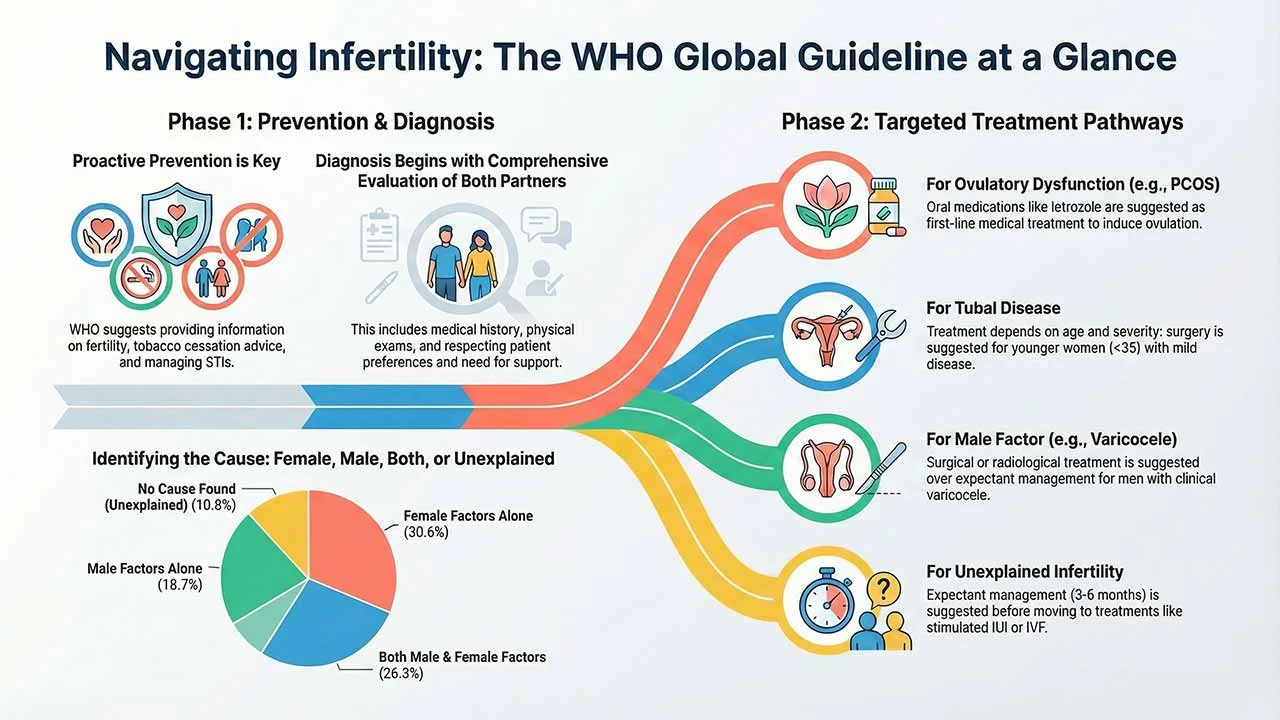
The World Health Organization releases its first comprehensive, evidence-based global guideline for infertility prevention, diagnosis, and treatment. Addressing one in six people of reproductive age worldwide, the guideline emphasizes equity, human rights, and standardized interventions to improve access to fertility care globally.

Gameto has secured $44 million in Series C funding to advance its stem cell-derived fertility therapy, Fertilo, into Phase 3 trials, marking a significant milestone in reproductive healthcare. This groundbreaking therapy uses induced pluripotent stem cell technology to mature eggs outside the body, significantly reducing hormonal stimulation and enhancing safety and efficacy in fertility treatments.
INVO Fertility partners with Heidi Health to integrate an AI-powered scribe at Wisconsin Fertility Institute, streamlining documentation so clinicians focus on care.
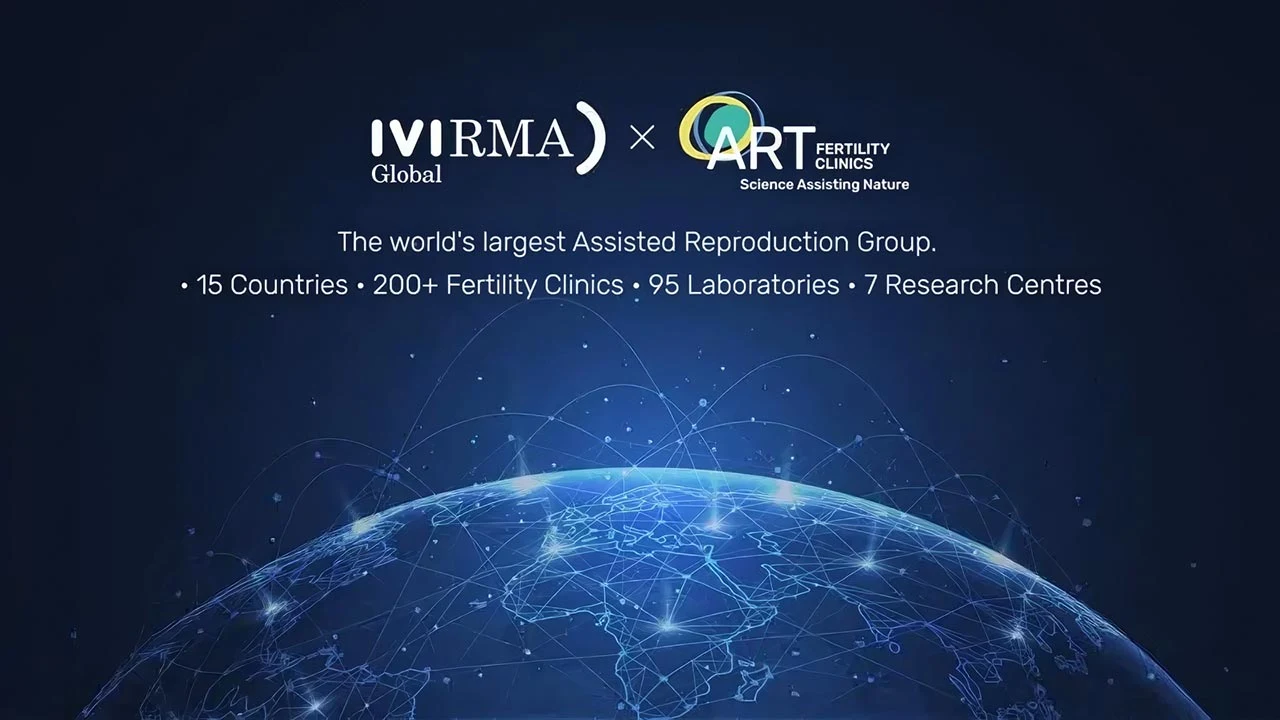
With ART Fertility Clinics now part of its network, IVI RMA Global has created a Middle East operating region to meet growing fertility needs. The integration boosts treatment capacity, scientific output, and care consistency across the UAE and Saudi Arabia as demographic pressures shape demand for assisted reproduction

California SB 729 now requires insured large employers to provide comprehensive coverage for infertility and IVF starting from 2026, significantly increasing workplace benefits.