Home
 NewsNews
A federal judge has approved a class-action settlement requiring Aetna to extend equal Fertility Coverage for Same-Sex Couples, aligning it with existing benefits for heterosexual partners.



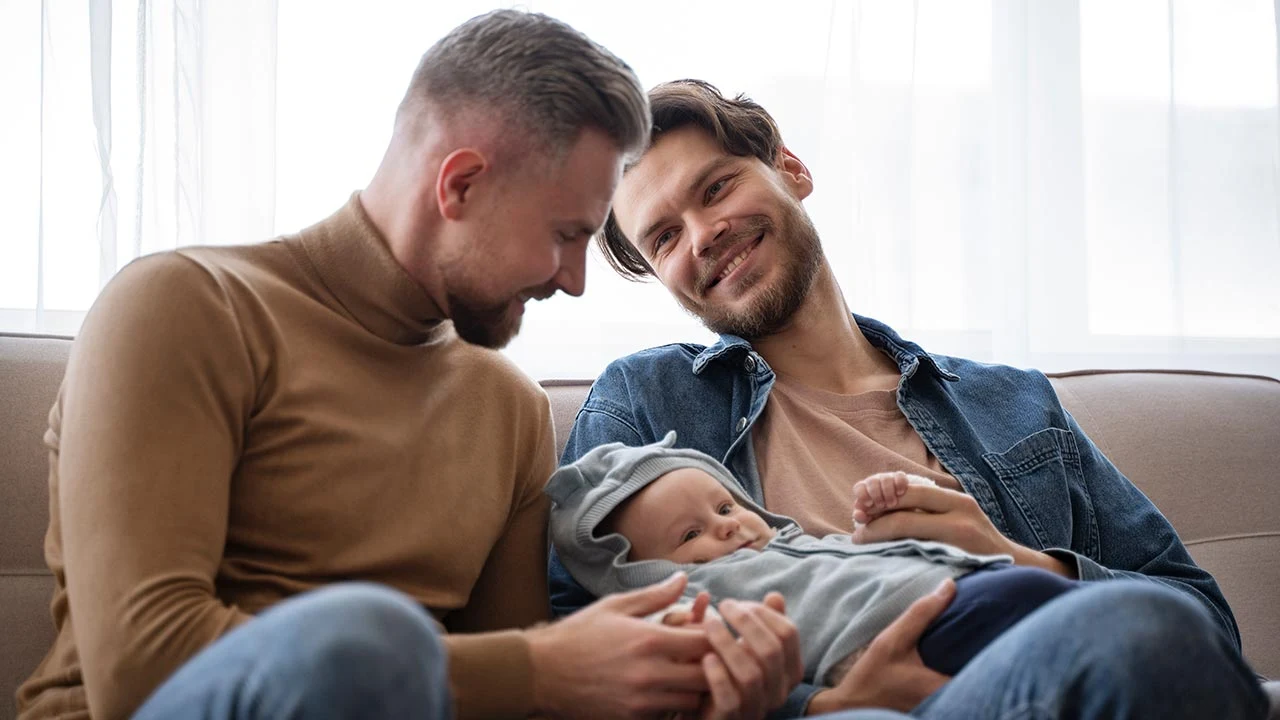
A judge has approved a class-action settlement requiring Aetna to cover IVF and other fertility procedure costs for single individuals and same-sex couples, just as it does for heterosexual couples. The decision, apparently, will not end discrimination; however, in all likelihood, it will only serve to fuel it.
Notably, there are going to be more children who would be graded for quality, intentionally destroyed, tested for traits, and aborted for not meeting the anticipations. The real win is going to be that no adult is going to be empowered to ignore the rights of children and treat them as consumer products.
Haywood S. Gilliam Jr., the U.S. District Judge, gave his preliminary approval to a class-action settlement that is going to force Aetna to widen fertility coverage for same-sex couples across the country.
The settlement also goes ahead and creates a compensation process of a minimum of $2 million for Californians who in the past were denied the fertility coverage.
As per the new ruling, it is anticipated that 2.8 million adults are now going to be able to get coverage for IVF, which means millions more children are going to be created, labeled, tested, and graded, as well as potentially destroyed or indefinitely frozen so as to secure adults’ desires.
It is indeed not that easy to see when certain treatments get covered by an insurance company for certain individuals and not others - a discrimination claim has to be mounted. In this scenario, a same-sex couple went on to sue Aetna, as they wanted the same insurance coverage that the heterosexual couples got, and Haywood S. Gilliam Jr., the U.S. District Judge, agreed. He went ahead and granted a preliminary approval to a class-action settlement, which is bound to force Aetna to go ahead and expand the fertility coverage for same-sex couples and also set up a compensation process of a minimum of $2 million for Californians who had been previously denied that coverage. This includes coverage when it comes to in vitro fertilization - IVF as well as artificial insemination.
Mara Berton, the Santa Clara County resident, happened to be a part of the class action lawsuit against Aetna and went on to claim that she and June Higginbotham had apparently paid tens of thousands of dollars out of their pockets in order to create children through using a sperm donor.
As per rules from Aetna, couples had to engage in at least 6 to 12 months of unprotected heterosexual sexual intercourse without conceiving before they could qualify for the fertility insurance coverage. For women without having a male partner, the qualifying rule went on to state that they had to go through a minimum of 6 to 12 cycles of unsuccessful artificial insemination. To be unsuccessful in attaining pregnancy over that set amount of time would lead to a diagnosis of infertility, and hence coverage for fertility procedures would thereafter be approved. But the attorneys went on to argue that this policy treated LGBTQ members in a different way and, as a matter of fact, denied them the access to advantages of fertility.
Berton remarked that she was blindsided because of the policy. Post her meeting with a fertility clinic and after deciding to make use of donor sperm as well as artificial insemination in order to try to become pregnant, Aetna went on to tell her that she did not fall under the infertility gamut. Aetna confirmed that she has to undergo a minimum of 12 rounds of artificial insemination before she could get eligible to get fertility treatment coverage. Berton thereafter appealed many times; however, those appeals got rejected. Higginbotham remarked that it was indeed dehumanizing. Eventually, they had twin girls through IVF who are described as being healthy, and as per CBS, they have gone on to fulfill their family dreams. It is, however, unclear if they have other embryos that still remain frozen or how many embryos have been lost within the process.
Although Berton and Higginbotham are indeed celebrating their decision as a win, it is not exactly a win for children. As per the new ruling, it is anticipated that 2.8 million American adults are now going to be able to get the coverage for IVF, which means that millions more children are going to be created, labeled, tested, graded, or even potentially destroyed or indefinitely frozen so as to secure the desires of the adults.
It is well to be noted that the number of lives lost to IVF now goes past those lost to abortion. When we talk of 2023, there were around 432,641 IVF cycles across 371 reporting clinics; however, only 95,860 babies were born. Apparently, just nine embryos get created during every IVF cycle. That totals to about 3,893,769 embryos that are created by way of IVF in 2023 alone. In 2023, approximately 1,946,884 embryos could not manage to survive to get implanted, and another 1,759,664 were either frozen, donated to research, destroyed, or released for embryo adoption. Due to this kind of a settlement, the number of children who have been treated as commodities could very well increase.
The point that half of the IVF embryos would not make it beyond those initial first steps post fertilization, such as health screening, is enough to prove that IVF is not about creating life but more about controlling it.
Apparently, the first concern with this ruling is that with same-sex couples, children are going to be automatically denied access to a minimum of one of their biological parents since same-sex couples have to use a donor - buying either the eggs or the sperm of mostly an anonymous person who has gotten financially compensated. The children are also going to be denied either a mother or a father.
Besides, two men have to rent the uterus of a surrogate woman apart from buying another woman's eggs. In this scenario, the children will be denied access to a minimum of one of their biological parents, denied either a mother or a father, and could be taken from their birth mother, who is the only person with whom they have gone on to develop a bond.
The fact is that when children lose either their mother or father due to death or abandonment, it is regarded to be a tragedy. However, when an adult goes on to pay to create a motherless or fatherless child, that kind of trauma and loss is created in an intentional way, and motherhood and fatherhood are thereby belittled as meaningless.
When we talk of adoption, children are not created intentionally to be taken from their birth mothers. Adoption aims to mend rather than inflict pain. Society has gone on to learn that taking a child immediately away from the birth mother is damaging to the baby, thereby leading to growth in open adoptions. However, surrogacy often disregards the child's needs in the pursuit of adult happiness. When the intended parents fail to form a bond with the children, they bear the blame.
Furthermore, the children who are created by way of these means are treated more like consumer products, with those regarded as defective being destroyed or given away to research or even donated to other couples as if they are some kind of a knockoff brand from a high-quality product. Interestingly, new companies now go much beyond the testing for genetic conditions in embryos and rather allow the elite to test the potential of the embryo for future height, their eye color, hair color, potential of developing illnesses later in life, IQ, and even something as small as a likelihood of developing acne.
After paying all of this money and also testing embryos for quality, when the children don’t go on to meet the expectations, they get either aborted or raised under a lot of pressure in order to fit the image of a perfect child that the adults dreamed about. In the case of a surrogate, she is often treated as a machine who is meant to create that perfect healthy baby for somebody else, and when she doesn’t fit in, she gets treated poorly. When adults go ahead and pay to create children, it looks like a baby-making industry and not health care.
The fact is that the argument here should not at all center around imparting equal treatment among the adults. Every human being is anyway intrinsically equal, and that includes even the most vulnerable of human beings, which are preborn humans. The IVF process goes on to treat the preborn humans as less than, as if they were more like products to be bought, labeled for their quality, and also tossed out if they are no longer wanted. Let’s be clear - no adults should be allowed to treat the children in this way whatsoever.
IVF, along with other fertility treatments that actively deny the inherent rights to those innocent children, is indeed discriminatory. And the fact is that no human being should ever be subjected to that kind of grading and labeling, as well as testing for quality or even specific desirable traits. There shouldn’t be any child discarded for not meeting adult expectations. Many are going to argue that human embryos aren’t human beings, and hence they do not deserve rights; however, every human embryo is a distinct human being with his or her complete genetic code in place. Each is very unique but also equal to the other and to any born human being, come what may of age, size, or location.



India's Central Drugs Standard Control Organisation has overhauled CDSCO IVF reagent sale norms, directing that all ART media, culture solutions, and reagents be supplied exclusively to clinics registered under the ART (Regulation) Act and Surrogacy (Regulation) Act. The move targets a growing unlicensed supply chain feeding an estimated 40–50% of India's 2,000-plus IVF centres.
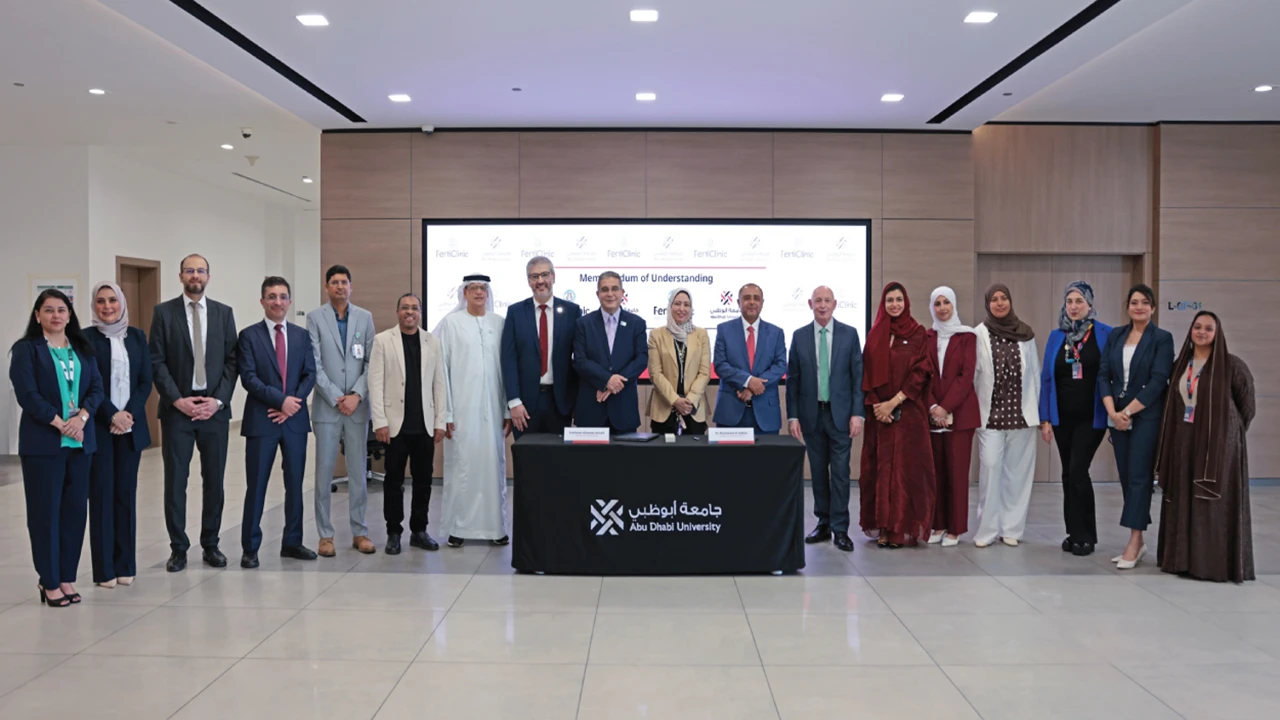
Abu Dhabi University and FertiClinic Group have joined forces to establish the FertiClinic Reproductive Research Lab, an advanced reproductive research lab in Abu Dhabi housing IVF, andrology, and cryopreservation facilities. The partnership supports UAE national priorities, bridges academic and clinical expertise, and advances fertility innovation across the region.

NHS Kent and Medway has overhauled its fertility funding policy in a move that sees NHS cuts IVF access for thousands of patients. Effective 1 April 2026, the eligible age ceiling drops from 40 to 38, funded cycles fall from two to one, and embryo transfers are capped at two.
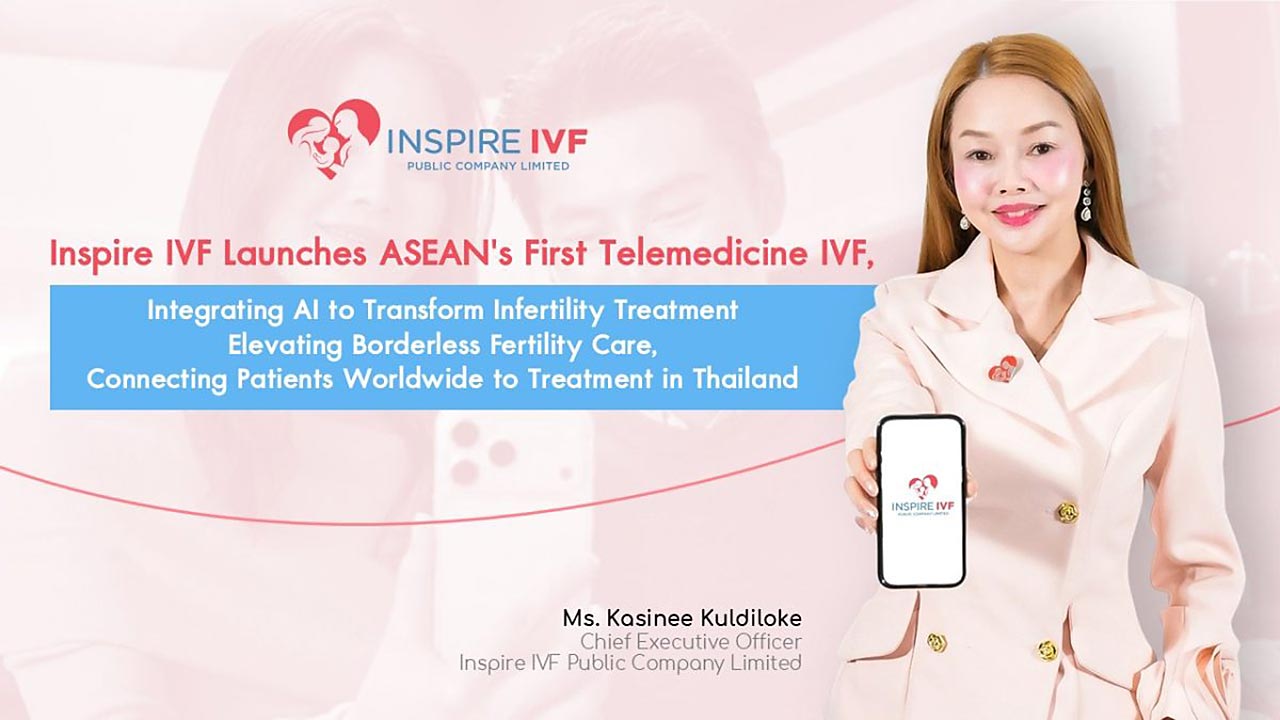
ASEAN's First Telemedicine IVF by Inspire IVF introduces a new era of remote fertility care. Combining AI technology with expert consultation, the platform enables global access, real-time monitoring, and personalised treatment planning, positioning Thailand as a leading hub for fertility services and advancing digital transformation in reproductive healthcare.
CSG.BIO has gone ahead with the acquisition of Hanabusa IVF, Asian Egg Bank, thereby making it a world leader in reproductive medicine and cutting-edge clinics with enhanced patient reach and advanced laboratory capabilities.
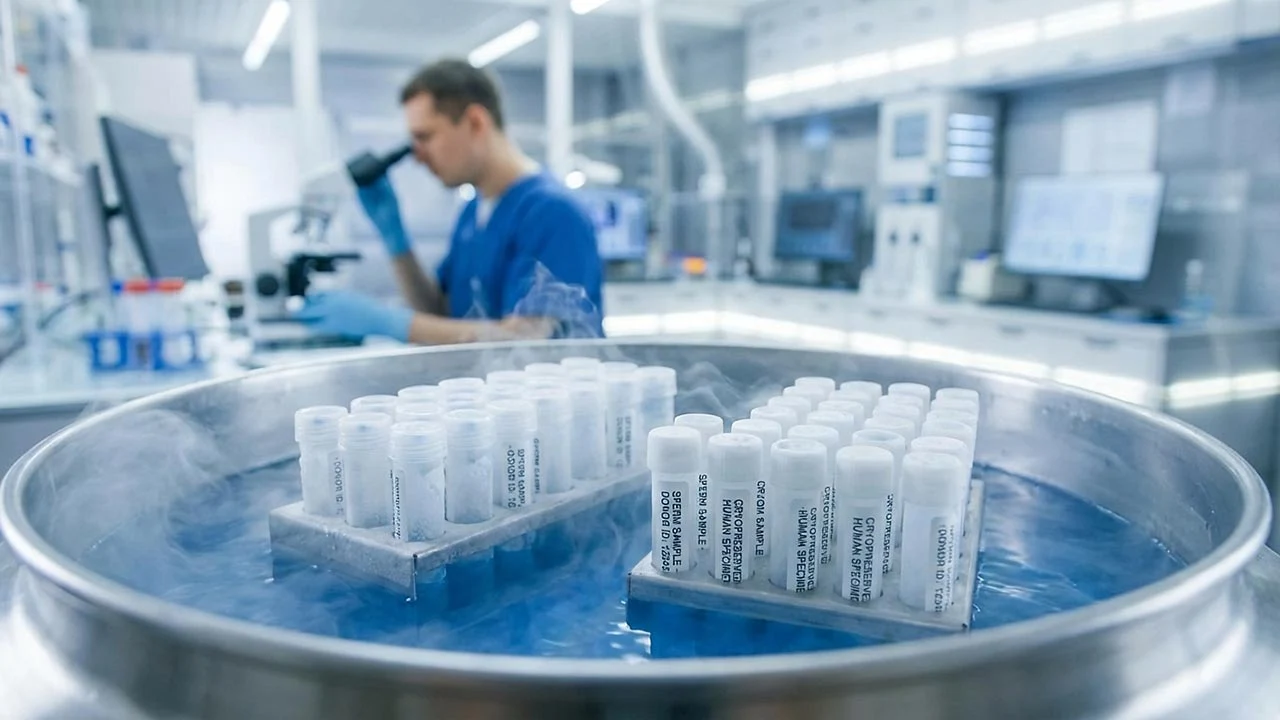
Wisconsin lawmakers from both parties are proposing bills to reduce IVF treatment costs. Republicans suggest a $5,000 tax credit for expenses, while Democrats want mandatory insurance coverage. With IVF cycles costing $20,000-$30,000 and 170,000 residents facing infertility, both parties seek affordable solutions through different approaches.
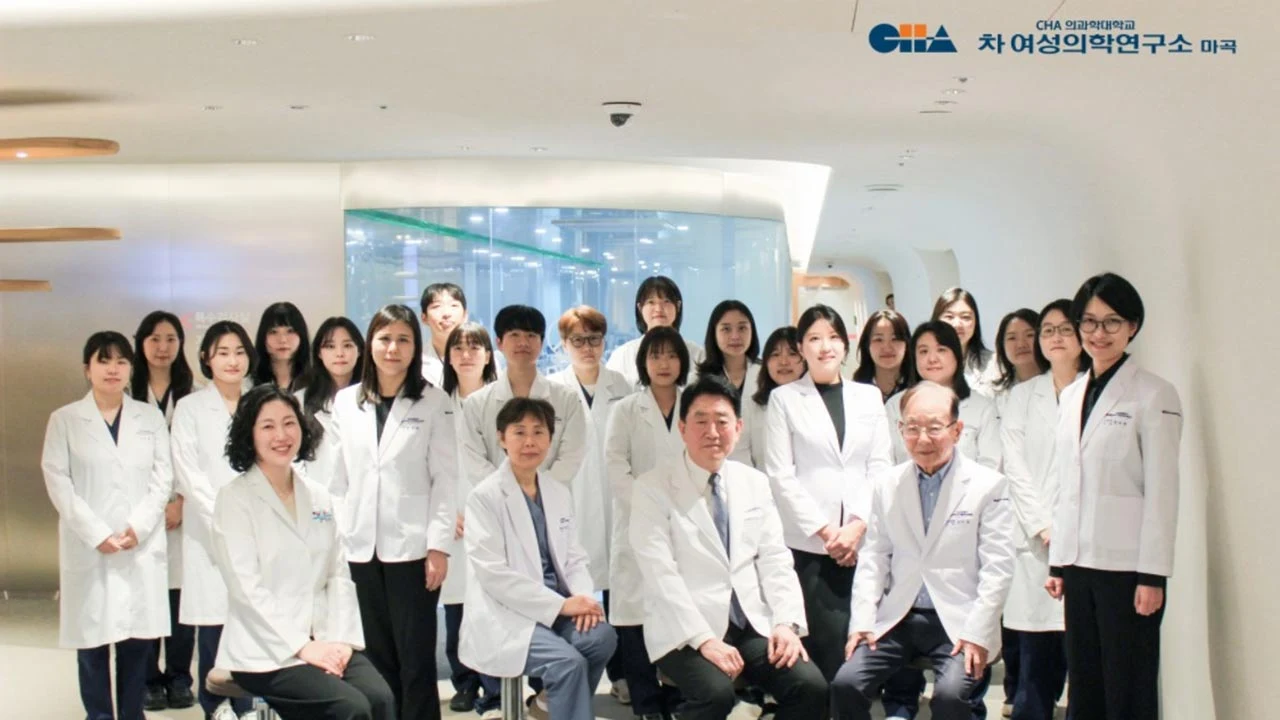
The AI-specialized Infertility Center, which is the largest in Asia, is open in Magok, Seoul and has begun its full-scale medical services from November 17 thereby marking the new era when it comes to fertility in the region.

