Home
 NewsNews
Jersey IVF funding is under intense government review after £280,000 went unspent last year, sparking loud public calls to relax restrictive eligibility rules and improve long-term planning for growing future demand.



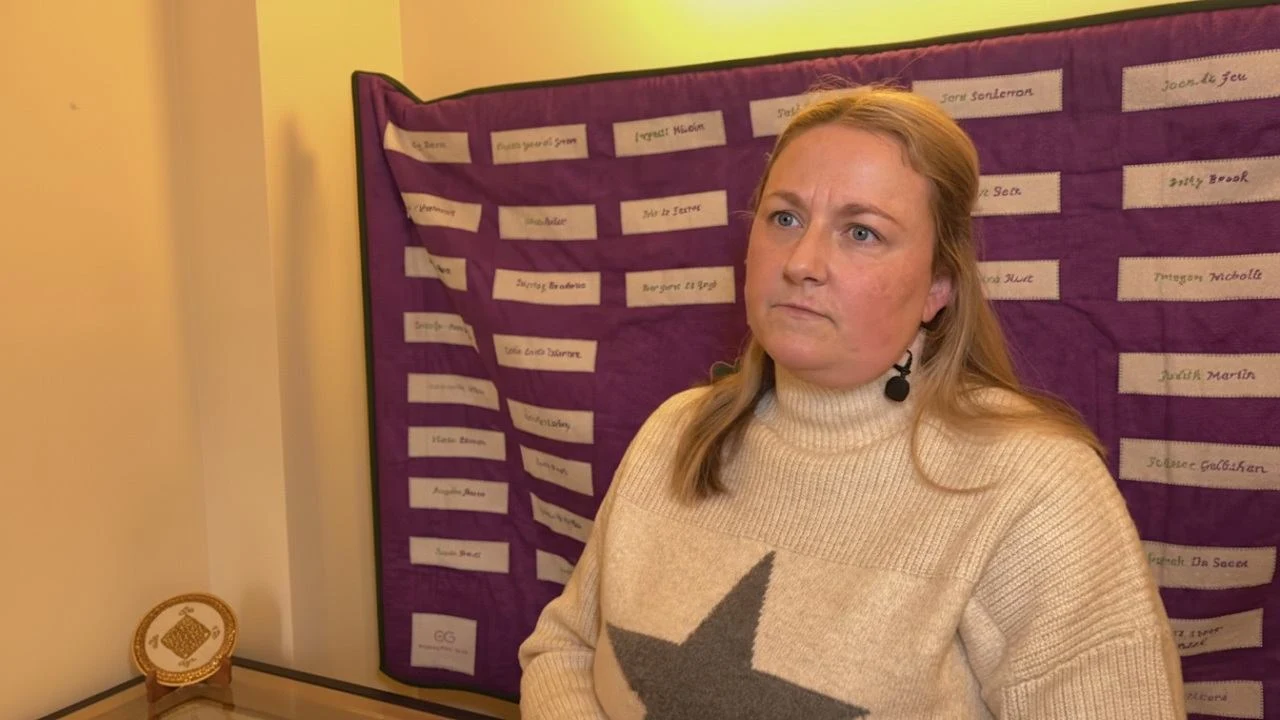
Nearly half of the Jersey IVF funding allocation went unused last year, prompting renewed calls for reform of the island’s fertility support scheme. Of the £620,000 set aside by the government, around £280,000 was not spent, according to Deputy Lucy Stephenson.
The deputy is now urging the government to carry the unspent the Jersey IVF funding into the current year’s budget so that more families facing infertility can receive support. She argues that the current eligibility criteria are overly restrictive and have contributed directly to the underspend.
She says, “I get contacted nearly every week by somebody saying they can't access the funding but really want to. “I hear of people who are having to get into debt to pay for IVF treatment themselves because they don't qualify under current criteria.”
Eligibility rules were updated in October 2025 to allow same-sex female couples and couples with children from previous relationships to apply. Under the current system, the government funds up to three cycles of IVF for women under 40, subject to means testing. One cycle is funded for women aged 40 to 42 if medical tests indicate they are likely to respond to treatment.
Despite these changes, Deputy Stephenson says many families still fall outside the criteria, even though funding remains available. She says: “I think its a huge shame that there's a pot of money sat there unspent in the past year.
“I want to see next year's budget protected to ensure it doesn't get any smaller. “I also want the underspend from last year to be added to the budget for this year to allow the criteria to be widened, but with a safety net.” She adds, “I do appreciate that the government is worried they could have a huge influx of people wanting to access treatment they then can't afford.”
The deputy is also calling for better local data collection to understand demand for IVF treatment in Jersey, noting that no detailed modelling has previously been carried out on the island.
She explains, “It’s starting with the basics, seeing the demand for IVF treatment [and] I know they are starting to collect that now. “We can then create our own models for Jersey about what the future demand might look like, to make sure we have an appropriate budget.”
In written responses provided to Deputy Stephenson in July last year, the Health Minister confirmed that only 10% of the annual IVF budget had been spent in the first six months of the year. The same response noted that 43 Islanders were refused funding because they did not meet eligibility requirements.
Deputy Stephenson says, “It's a worry to overpromise to people and not be able to fund it. When you have the evidence, that’s when you need to start listening and doing something about it.”



India's Central Drugs Standard Control Organisation has overhauled CDSCO IVF reagent sale norms, directing that all ART media, culture solutions, and reagents be supplied exclusively to clinics registered under the ART (Regulation) Act and Surrogacy (Regulation) Act. The move targets a growing unlicensed supply chain feeding an estimated 40–50% of India's 2,000-plus IVF centres.
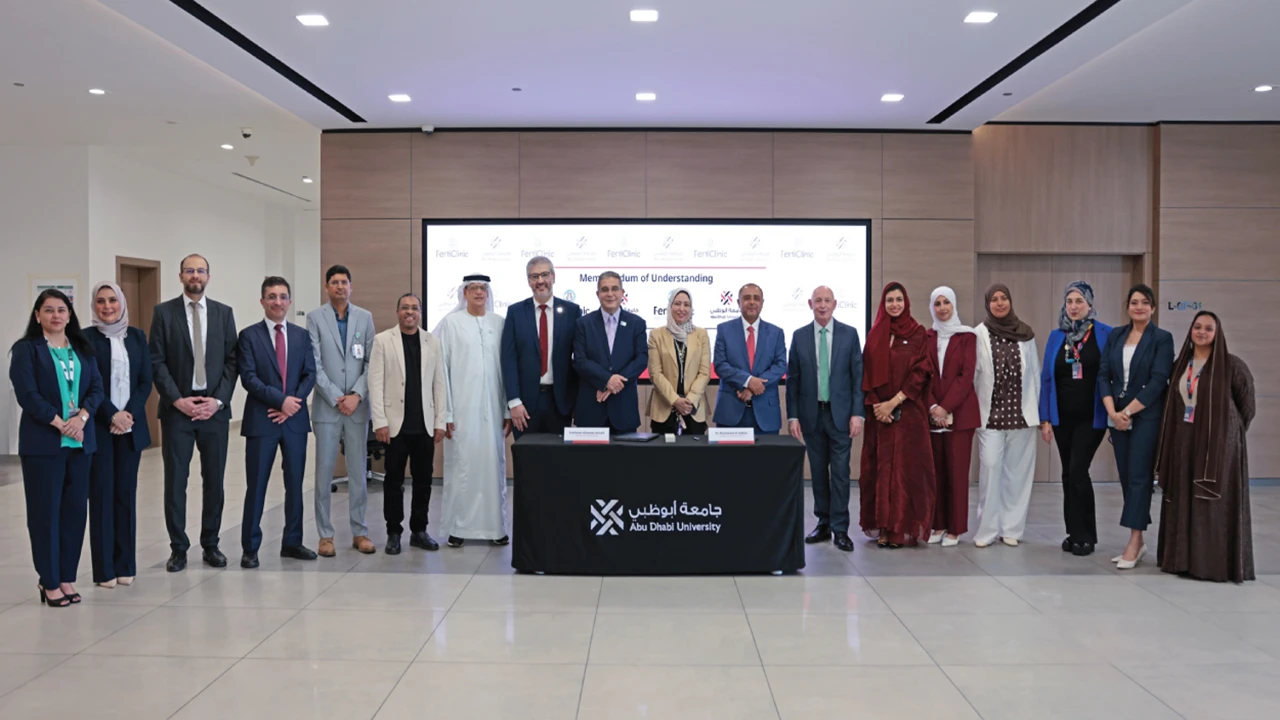
Abu Dhabi University and FertiClinic Group have joined forces to establish the FertiClinic Reproductive Research Lab, an advanced reproductive research lab in Abu Dhabi housing IVF, andrology, and cryopreservation facilities. The partnership supports UAE national priorities, bridges academic and clinical expertise, and advances fertility innovation across the region.

NHS Kent and Medway has overhauled its fertility funding policy in a move that sees NHS cuts IVF access for thousands of patients. Effective 1 April 2026, the eligible age ceiling drops from 40 to 38, funded cycles fall from two to one, and embryo transfers are capped at two.
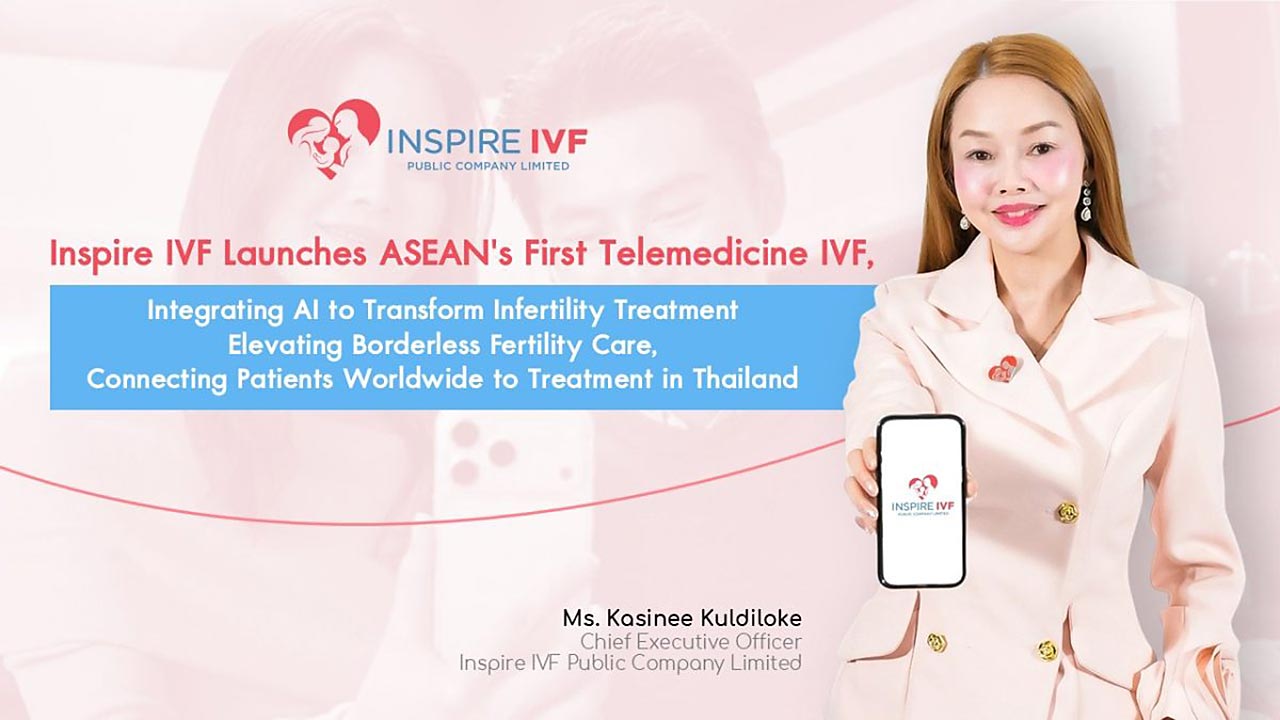
ASEAN's First Telemedicine IVF by Inspire IVF introduces a new era of remote fertility care. Combining AI technology with expert consultation, the platform enables global access, real-time monitoring, and personalised treatment planning, positioning Thailand as a leading hub for fertility services and advancing digital transformation in reproductive healthcare.
CSG.BIO has gone ahead with the acquisition of Hanabusa IVF, Asian Egg Bank, thereby making it a world leader in reproductive medicine and cutting-edge clinics with enhanced patient reach and advanced laboratory capabilities.
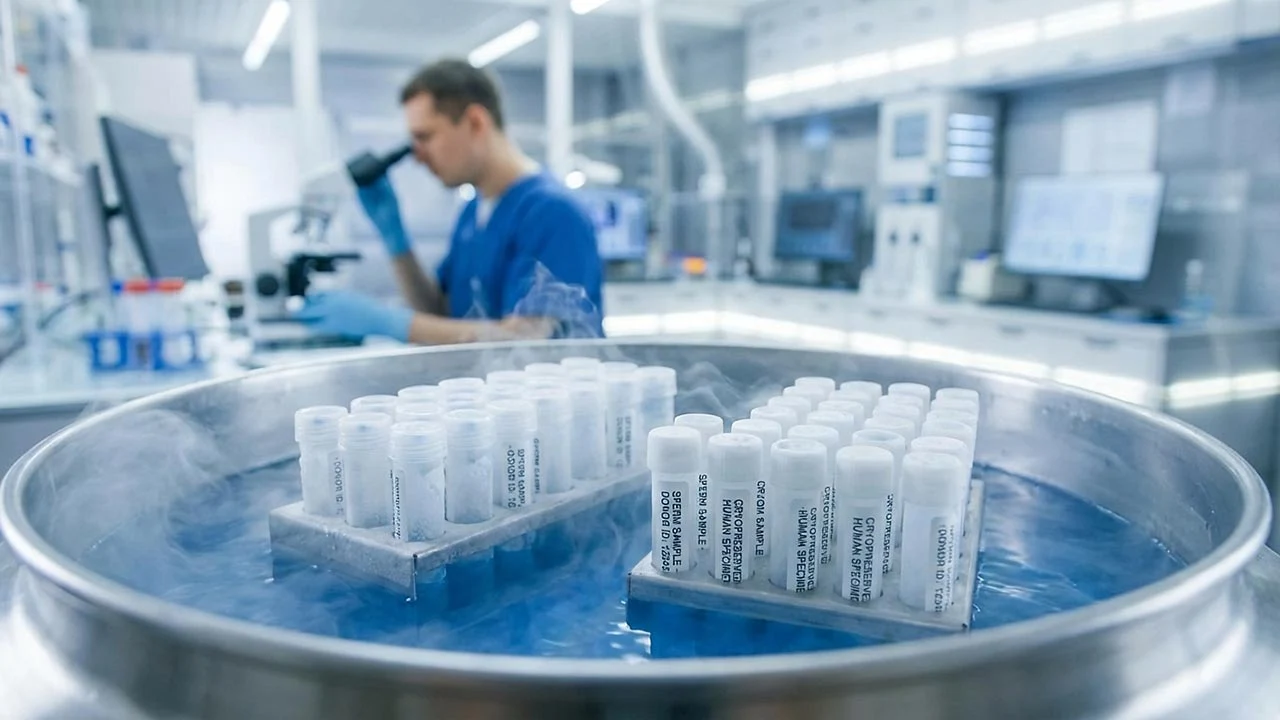
Wisconsin lawmakers from both parties are proposing bills to reduce IVF treatment costs. Republicans suggest a $5,000 tax credit for expenses, while Democrats want mandatory insurance coverage. With IVF cycles costing $20,000-$30,000 and 170,000 residents facing infertility, both parties seek affordable solutions through different approaches.
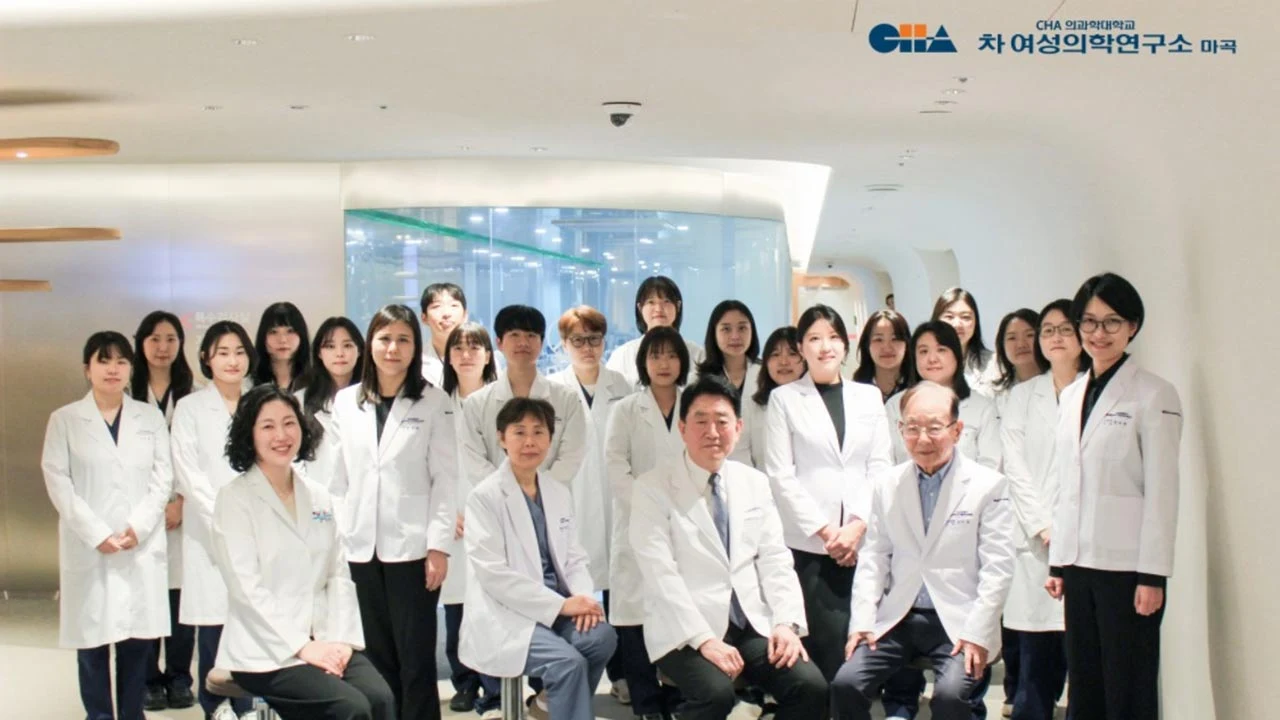
The AI-specialized Infertility Center, which is the largest in Asia, is open in Magok, Seoul and has begun its full-scale medical services from November 17 thereby marking the new era when it comes to fertility in the region.