Home
 NewsNews
Jeollanam-do Province tops overall fertility nationwide for the third straight year, recording a 1.1 rate and rising birth numbers in 2025. Backed by strong infertility funding, postpartum services, and long-term childcare subsidies, the province aims to restore fertility levels to 1.5 by 2030.



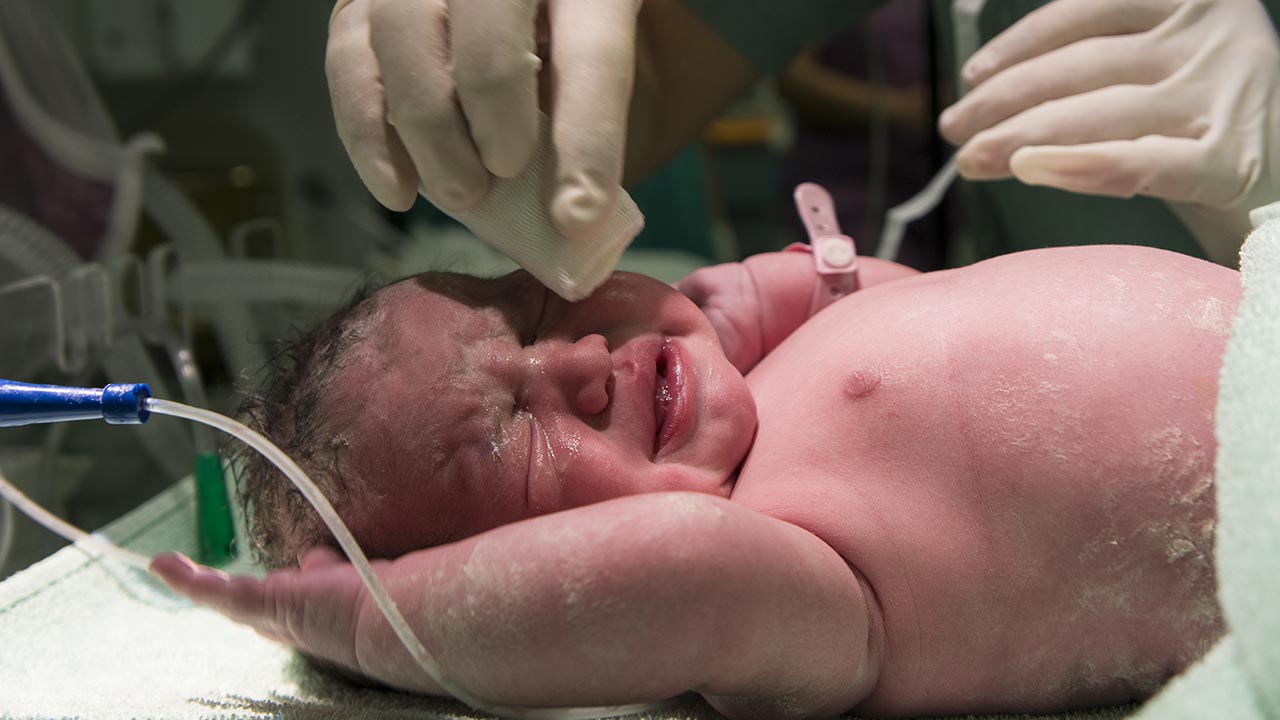
Jeollanam-do Province tops overall fertility nationwide for the third consecutive year, securing the highest birth rate in South Korea once again.
The province went ahead and announced on 26th February that its 2025 regional overall fertility rate was 1.1, hence marking the third consecutive year that it has topped the national rankings. The overall fertility rate goes on to represent the average number of births that are anticipated per woman in her reproductive period, which is essentially the ages 15–49. It is indeed a major indicator of a country or region’s level of fertility.
As per the preliminary 2025 birth statistics from the Ministry of Data and Statistics, Jeollanam-do’s number of births in 2025 was 8,731, which was an increase of 506, or 6.1%, from the past year, which was 8,225. The overall fertility rate climbed to 1.1, which was up by 0.07 from the last year, which was 1.03.
If we talk of cities as well as counties, eight regions, namely, Jangseong, Yeonggwang, Jangheung, Gangjin, Hampyeong, Gwangyang, Boseong, and Goheung. - all were among the top 10 nationwide in entire fertility rate. It is well to be noted that Yeonggwang at 1.79, Jangseong at 1.68, and Gangjin featuring 1.64 ranked first, second, and third across the country, respectively. Moreover, eight other cities as well as countries that include Naju, Gokseong, and Hwasun went on to surpass a complete fertility rate of 1.0.
The fact is that along with Jeollanam-do topping overall fertility, it also happens to be investing almost 6 billion won per year in order to support those who are struggling with infertility, hence in a way expanding fertility testing, helping with infertility treatments, and also promoting certain fertility preservation initiatives. By way of Jeonnam-iTalk, which is an integrated platform for pregnancy, childbirth, and childcare, the province provides one-stop services, such as reservations at public postpartum care centers along with applications related to infertility treatment expenses that are tailored to the region.
In order to offer balanced postpartum care services, the province functions seven public postpartum care centers. Since 2022, it has gone on to dispatch health managers to all postpartum mothers, in spite of their income level, so as to support their recovery along with newborn care. 2025 alone saw 5,559 individuals making utmost use of this service.
In order to decrease childbirth along with childcare costs, the province offers a basic birth income of 200,000 Korean won every month for 18 years, in addition to 200,000 won for the second-born children and also 500,000 won for third-born children so that childcare product purchases can get covered.
The Director of Jeollanam-do’s Population, Youth, and Immigration Bureau, Yoon Yeon-hwa, remarked that “Local governments and communities must work together to ensure that childbirth and childcare are not solely the burden of individuals and families. By 2030, we aim to achieve 10,000 annual births and restore the overall fertility rate to 1.5 by continuously expanding customized policies covering all stages from pregnancy to childbirth and childcare.”



India's Central Drugs Standard Control Organisation has overhauled CDSCO IVF reagent sale norms, directing that all ART media, culture solutions, and reagents be supplied exclusively to clinics registered under the ART (Regulation) Act and Surrogacy (Regulation) Act. The move targets a growing unlicensed supply chain feeding an estimated 40–50% of India's 2,000-plus IVF centres.
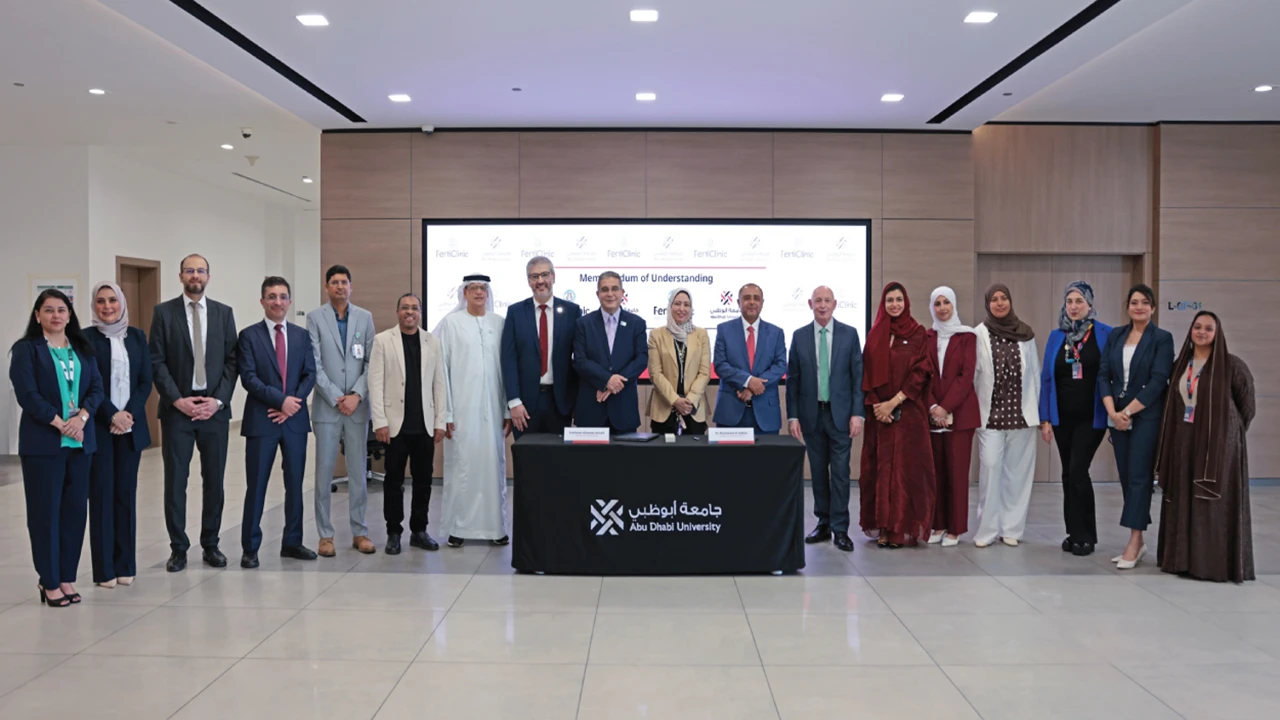
Abu Dhabi University and FertiClinic Group have joined forces to establish the FertiClinic Reproductive Research Lab, an advanced reproductive research lab in Abu Dhabi housing IVF, andrology, and cryopreservation facilities. The partnership supports UAE national priorities, bridges academic and clinical expertise, and advances fertility innovation across the region.
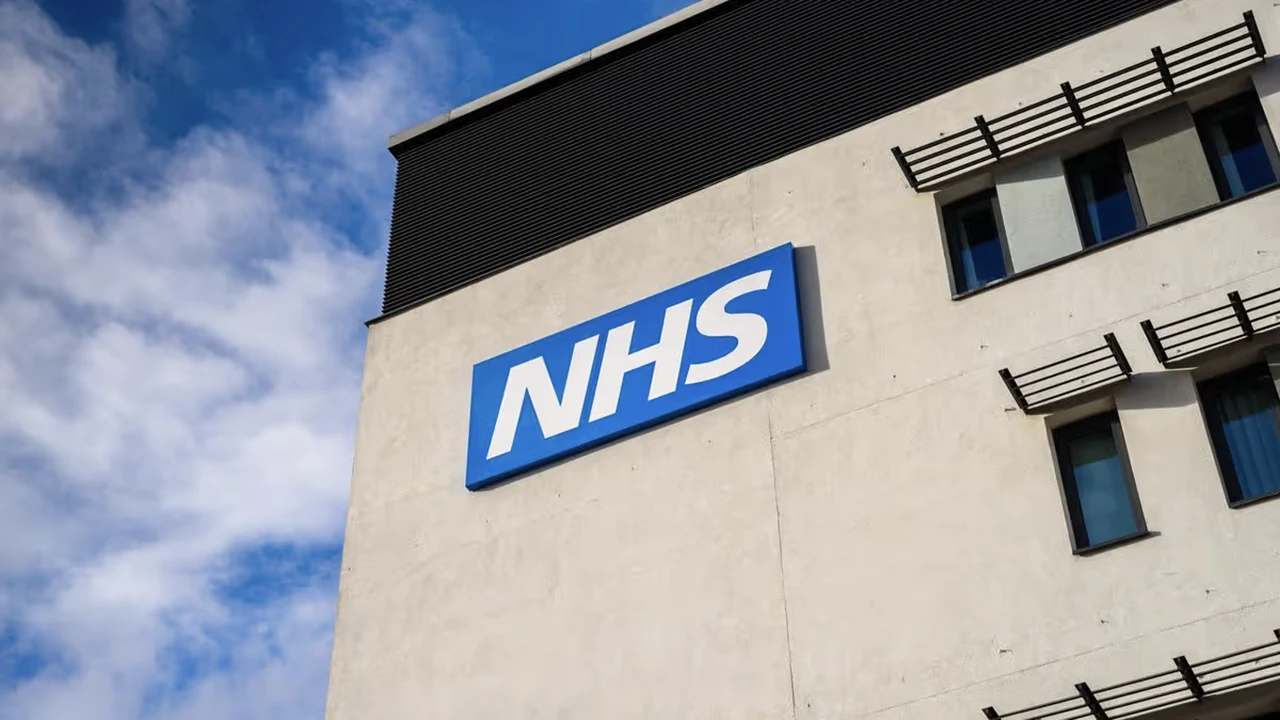
NHS Kent and Medway has overhauled its fertility funding policy in a move that sees NHS cuts IVF access for thousands of patients. Effective 1 April 2026, the eligible age ceiling drops from 40 to 38, funded cycles fall from two to one, and embryo transfers are capped at two.
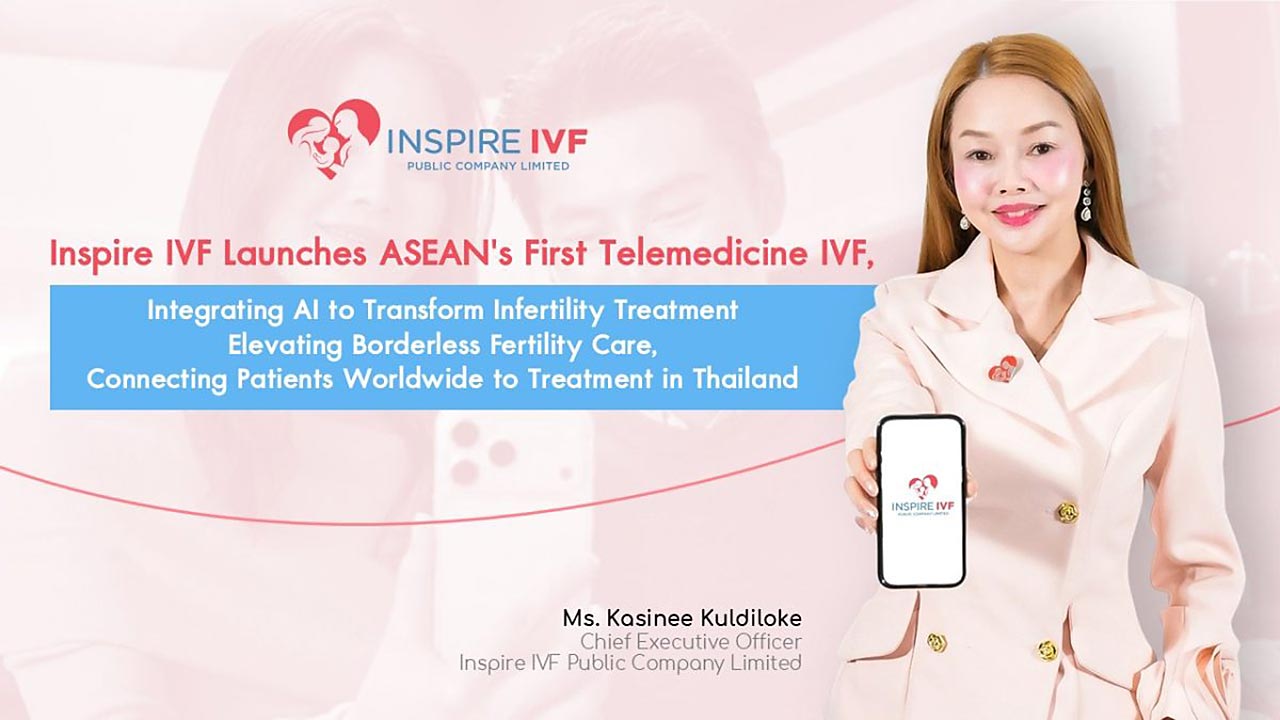
ASEAN's First Telemedicine IVF by Inspire IVF introduces a new era of remote fertility care. Combining AI technology with expert consultation, the platform enables global access, real-time monitoring, and personalised treatment planning, positioning Thailand as a leading hub for fertility services and advancing digital transformation in reproductive healthcare.
CSG.BIO has gone ahead with the acquisition of Hanabusa IVF, Asian Egg Bank, thereby making it a world leader in reproductive medicine and cutting-edge clinics with enhanced patient reach and advanced laboratory capabilities.
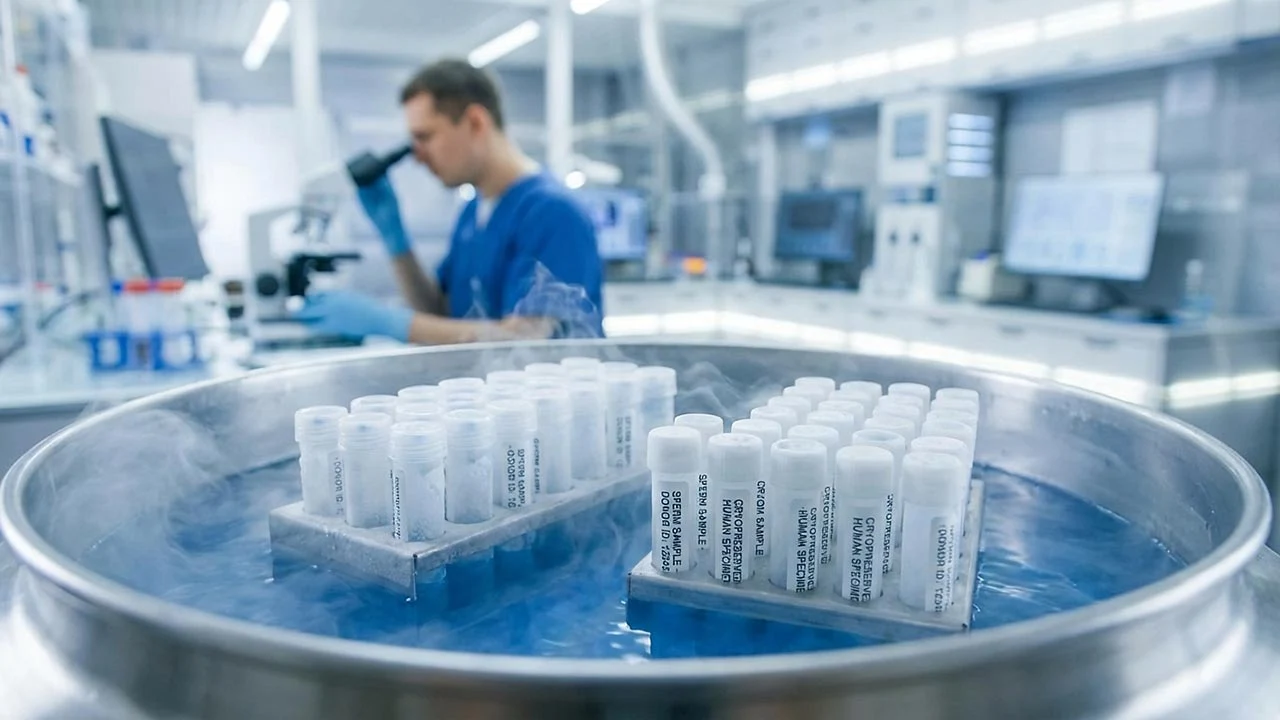
Wisconsin lawmakers from both parties are proposing bills to reduce IVF treatment costs. Republicans suggest a $5,000 tax credit for expenses, while Democrats want mandatory insurance coverage. With IVF cycles costing $20,000-$30,000 and 170,000 residents facing infertility, both parties seek affordable solutions through different approaches.
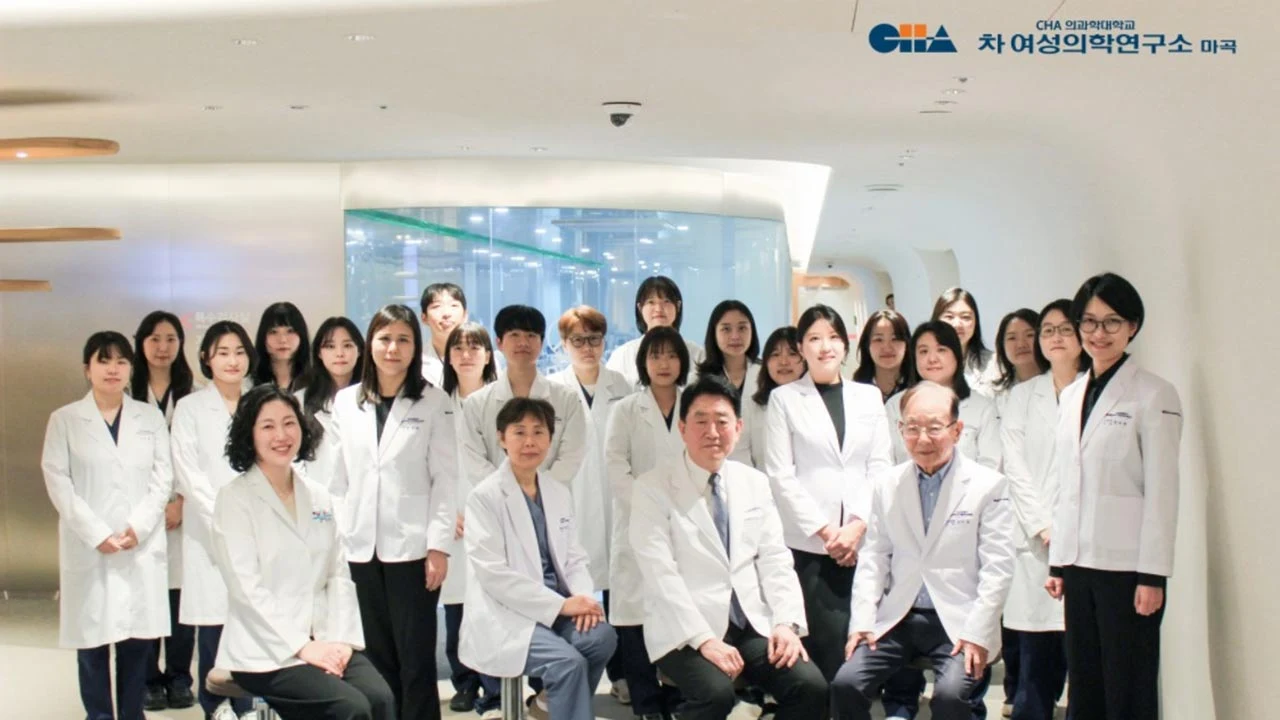
The AI-specialized Infertility Center, which is the largest in Asia, is open in Magok, Seoul and has begun its full-scale medical services from November 17 thereby marking the new era when it comes to fertility in the region.