Home
 NewsNews
IVF Academy USA has strategically advanced its comprehensive workforce solutions so as to add significant thrust to the Fertility Care Services so that the growing demand can very well be addressed effectively and efficiently.



The fast-growing training institution concerning embryologists and fertility laboratory professionals, IVF Academy USA, has gone ahead and announced quite a major momentum all across its laboratory school as well as specialty programs as the fertility sector goes on to face an unprecedented demand. Under the leadership of Dr. Anthony Anderson, D.H.Sc., ELD - ABB, the Founder and Laboratory School Dean, a nationally recognized embryology laboratory director with over 35 years of experience, IVF Academy is indeed coming up as a prominent pipeline for staffing IVF laboratories throughout the United States.
According to Dr. Anderson, “I founded IVF Academy USA because it was clear the industry was facing a long-standing workforce shortage. The U.S. does not have enough embryologists to keep pace with current or future demand. As Gen Y and Gen Z surpass the Baby Boomers who fueled the first IVF wave, we’re witnessing a steady rise in fertility preservation, genetic testing, and treatment needs.”
It is well to be noted that IVF Academy USA goes on to reflect more than 20 years of development, starting with lab training and also expanding into clinical and nursing along with future business education in order to support the entire IVF care ecosystem.
The approach of IVF Academy USA is grounded in R&D excellence along with scientific validation. The two-month Embryologist Certificate Program offers complete, hands-on training in the core techniques related to modern clinical embryology, enabling the students to attain performance standards that are comparable to the seasoned embryologists post their first 100 eggs, such as fertilization and blastocyst development, as well as high-quality blastocyst formation.
Separately, in the case of experienced embryologists who are looking for advanced skill development, IVF Academy provides short and intensive courses related to specialized techniques. Embryologists who have completed the IVF Academy two-day or five-day course received fertilization and blastocyst development outcomes that were comparable to those of senior embryologist - 75% vs. 77% fertilization and 59% vs. 52% blastocysts, hence in a way, validating the effectiveness of the rapid-training model from the academy for upskilling the present line of professionals.
This outcomes-based model happens to be core to the mission of IVF Academy; every student gets trained using the same microsurgical as well as laboratory protocols that Dr. Anderson went on to execute at the time of his tenure with leading fertility networks. For many years, people went on to enter embryology via informal, on-the-job training, and most of the field was perfected that way.
IVF Academy happens to replace inconsistent pathways with a transparent and accessible route into the field. The two-month Embryologist Certificate program, which is offered by the Laboratory School, provides students direct and hands-on experience with core techniques that are prevalent in modern clinical embryology.
Besides laboratory training, students also get opportunities to go ahead and contribute toward clinical research projects and even co-author certain scientific abstracts along with participating in presentations at the leading industry conferences, such as the Pacific Coast Reproductive Society - PCRS Annual Meeting that commences March 18, 2026. These sorts of experiences enable the students to develop critical research and analytical as well as scientific communication skills.
The fact is that 100% of students who have gone on to complete the two-month program happen to remain in the IVF field five years later, which is indeed an incredible retention outcome in a profession that has remained historically high-stressed, where early career burnout looks pretty common.
Lab graduates have been hired by premier fertility clinics throughout the country, such as the likes of NYU Langone, Ovation, CCRM, Inception, Shady Grove and Pozitivf, as well as Aspire, supporting the patient care in clinical settings that have high volume.
This long-term workforce balance comes at a very important stage when we talk of global reproductive health. In its first-ever international infertility guideline, which was released in 2026, the World Health Organization - WHO called on nations to make fertility care services much safer, more equitable and more affordable for one and all. The WHO stressed that access to treatments such as IVF goes on to remain critically limited.
As the demand concerning IVF rises internationally, and as the policy along with clinical bodies looks out for more accessible and also science-driven reproductive care, the requirement related to a highly trained and sustainable embryology workforce has never been so immediate. The training model by IVF Academy USA is rooted in the validated results along with hands-on laboratory know-how that syncs directly with the call by WHO for expanded and also high-quality fertility services, which are built on the foundation of safety, equity, and scientific strength.



India's Central Drugs Standard Control Organisation has overhauled CDSCO IVF reagent sale norms, directing that all ART media, culture solutions, and reagents be supplied exclusively to clinics registered under the ART (Regulation) Act and Surrogacy (Regulation) Act. The move targets a growing unlicensed supply chain feeding an estimated 40–50% of India's 2,000-plus IVF centres.
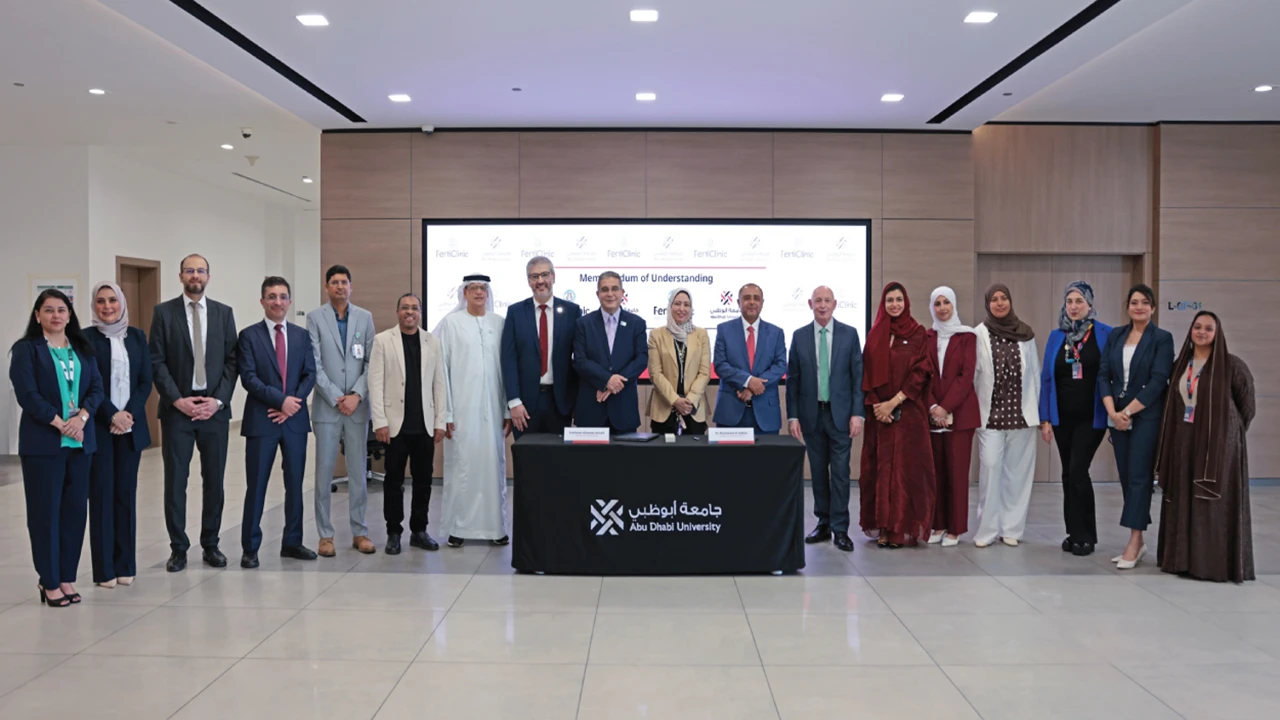
Abu Dhabi University and FertiClinic Group have joined forces to establish the FertiClinic Reproductive Research Lab, an advanced reproductive research lab in Abu Dhabi housing IVF, andrology, and cryopreservation facilities. The partnership supports UAE national priorities, bridges academic and clinical expertise, and advances fertility innovation across the region.

NHS Kent and Medway has overhauled its fertility funding policy in a move that sees NHS cuts IVF access for thousands of patients. Effective 1 April 2026, the eligible age ceiling drops from 40 to 38, funded cycles fall from two to one, and embryo transfers are capped at two.
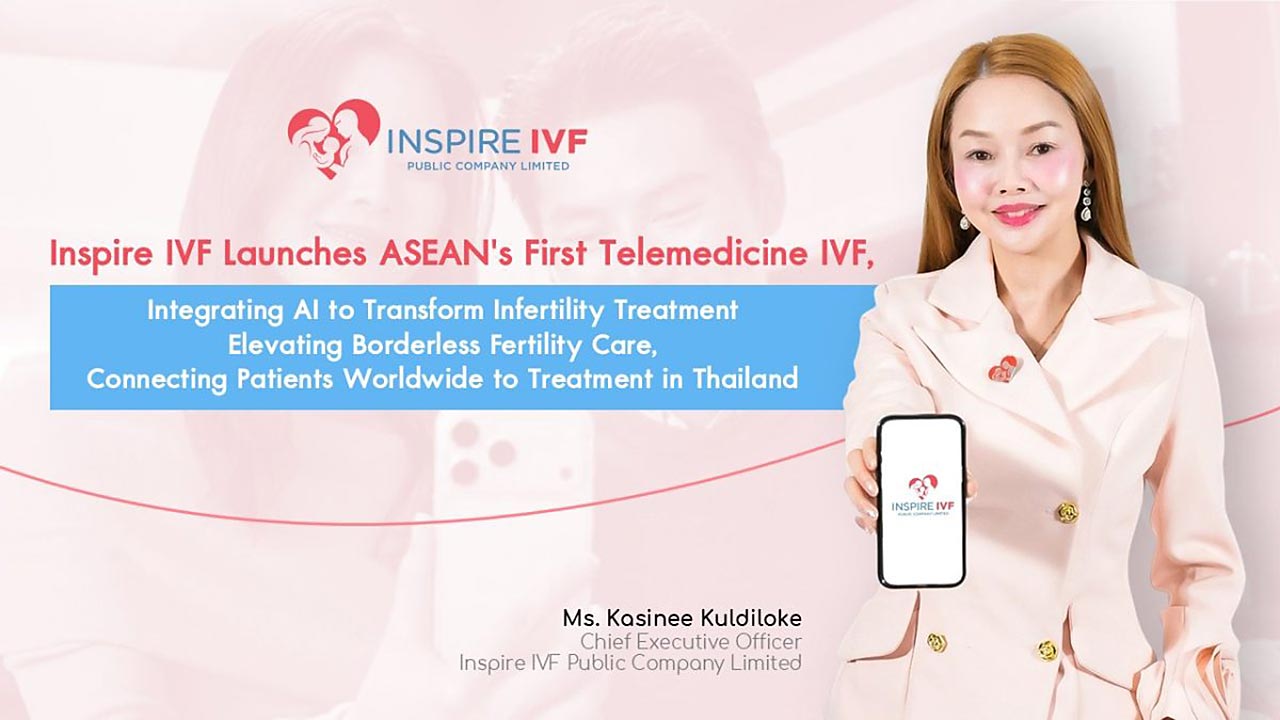
ASEAN's First Telemedicine IVF by Inspire IVF introduces a new era of remote fertility care. Combining AI technology with expert consultation, the platform enables global access, real-time monitoring, and personalised treatment planning, positioning Thailand as a leading hub for fertility services and advancing digital transformation in reproductive healthcare.
CSG.BIO has gone ahead with the acquisition of Hanabusa IVF, Asian Egg Bank, thereby making it a world leader in reproductive medicine and cutting-edge clinics with enhanced patient reach and advanced laboratory capabilities.
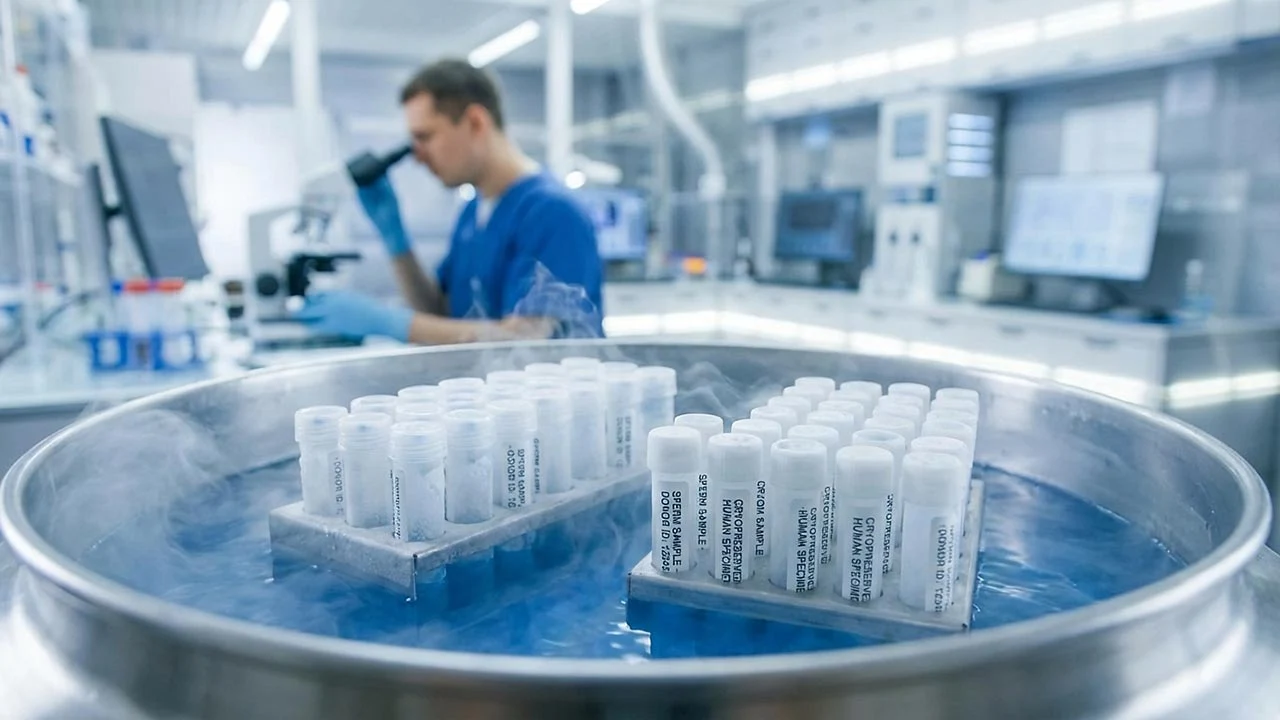
Wisconsin lawmakers from both parties are proposing bills to reduce IVF treatment costs. Republicans suggest a $5,000 tax credit for expenses, while Democrats want mandatory insurance coverage. With IVF cycles costing $20,000-$30,000 and 170,000 residents facing infertility, both parties seek affordable solutions through different approaches.
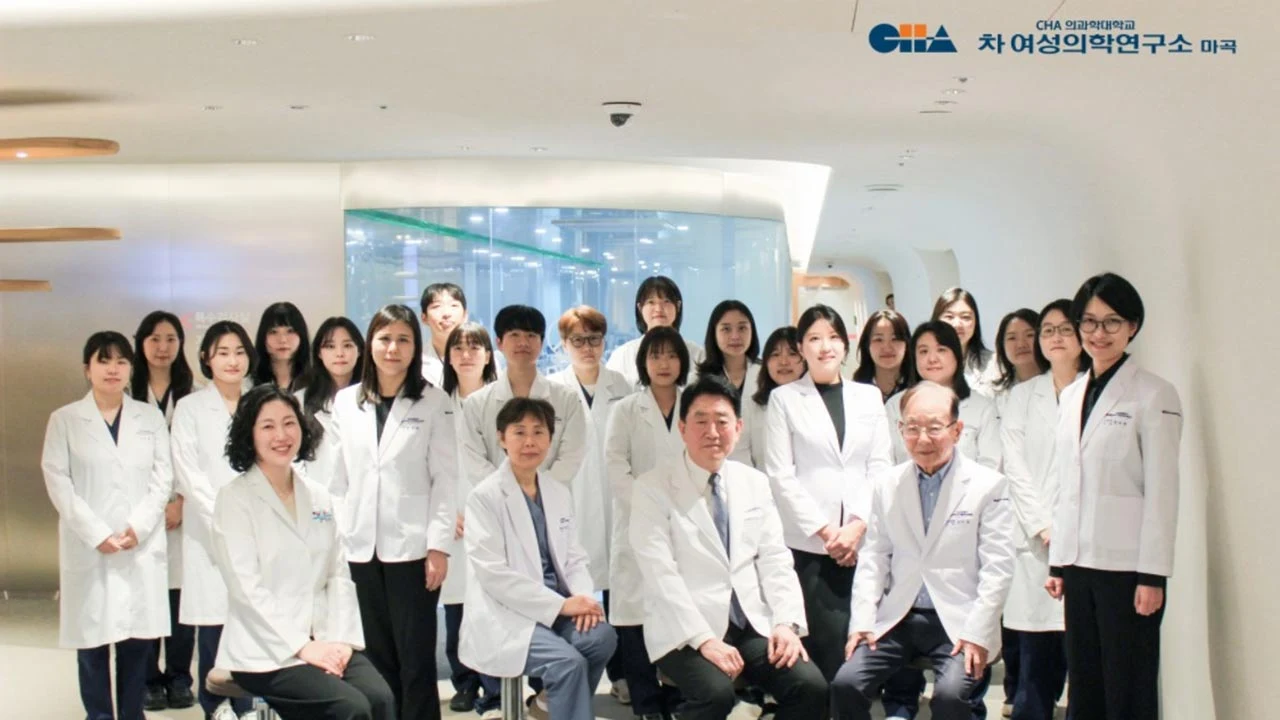
The AI-specialized Infertility Center, which is the largest in Asia, is open in Magok, Seoul and has begun its full-scale medical services from November 17 thereby marking the new era when it comes to fertility in the region.