Home
 NewsNews
A Bari court of appeal has ruled that Italy Recognises Three Parents, two fathers and one mother, for a 4-year-old child born in Germany, in a landmark January decision publicised in May 2026. The ruling, contested by conservative groups, marks a significant shift in Italian family law.




A court of appeal in the southern Italian city of Bari has granted a 4-year-old child three legally recognised parents, two fathers and one mother, in a ruling that has drawn sharp condemnation from conservative Catholics. The decision dates to January but was publicised in May as Italy marked the 10th anniversary since parliament voted to legalise same-sex partnerships. It was reported by several Italian media outlets and confirmed by Pasqua Manfredi, the lawyer of one of the boy's fathers.
The moment Italy recognises three parents as a live legal reality marks a significant turn in the country's ongoing debate over family structures, reproductive rights, and the boundaries of parenthood under Italian law.
The child was born in Germany and lives there with two men who are married. One is the biological parent, who fathered the boy with a woman who is a friend of the couple. The non-biological father, who is Italo-German, subsequently adopted the child under German law, a procedure permitted for same-sex couples in Germany. He then applied for that adoption to also be recognised in Italy. A local authority in the Puglia region rejected the request, suspecting the child had been born through surrogacy carried out abroad, a practice that Italy's conservative government has criminalised. The case was brought before the Bari court of appeal, which overturned that decision after accepting that no surrogacy arrangements were involved in the family.
Manfredi was direct in dismissing the surrogacy suspicion. "There was no secret surrogacy deal here, this is a case of three people who all want to be the parents of this child, and the court recognised this," she told Reuters. She added that the judgment demonstrated that, where surrogacy is excluded, Italian law does not prohibit a co-parenting agreement among three adults. "A child can have multiple parental figures if this serves their best interests and is based on authentic, transparent relationships free from exploitation," she said. "We hope this is only the beginning."
The ruling rests on a provision known as adozione in casi particolari, adoption in special circumstances, which allows additional parental ties to be recognised without extinguishing existing biological ones. In applying this provision, the Bari court found the German adoption compatible with Italian law. Legal observers say the decision could carry significant precedential weight in future cases involving cross-border family arrangements. It is the first time Italy recognises three parents in a finalised appellate judgement, making the ruling a landmark in the country's evolving family law landscape.
The reaction from conservative quarters was swift. Pro Vita & Famiglia, a Catholic group that campaigns for what it calls traditional family values, condemned the ruling outright. The group said legal recognition of same-sex unions had "upended family law, exposing minors to all kinds of social and ideological experimentations." Their response reflects the broader tension in Italy between a conservative governing coalition, which has taken a hardline stance on surrogacy and an emerging body of case law quietly pushing in a different direction.
The ruling was publicised to coincide with the 10th anniversary of Italy's legalisation of same-sex partnerships, a timing that carried additional symbolic weight for advocates of LGBTQ+ family rights. Manfredi, also a member of the LGBT+ rights group Rete Lenford, described the judgment as "a step forward" in what she termed "shared parenthood" arrangements grounded in transparency and the welfare of the child. With the ruling now final and Italy recognising three parents now established as a judicial precedent at the appellate level, the debate over what constitutes a family under Italian law has entered a new and unresolved chapter.



The US Supreme Court has declined to block the California surrogacy parentage ruling that declared Nausheen Gilkar and Omar Ahmed the legal parents of a boy born to their surrogate, McKenna West. West, who refused a request to terminate the pregnancy after a severe cardiac defect diagnosis, had sought emergency Supreme Court intervention.

Miracle Surrogacy, Mexico's largest and longest-established surrogacy agency, has announced a new partnership with Travel Gay, one of the world's most recognised LGBTQ+ travel and lifestyle platforms. The collaboration launches with a comprehensive educational guide to LGBTQ+ surrogacy in Mexico, covering the legal, medical, and practical dimensions of building a family there.

Baroness Ruth Lynn Deech has cautioned that surrogacy and reproductive law reform may require separate legislative treatment, not a single statute. Speaking in the House of Lords, she called for a Parliamentary Select Committee to examine both the HFEA's 2023 modernisation proposals and the Law Commission's 2023 surrogacy framework independently.

The Philippines Surrogacy Regulation Act aims to establish the country’s first legal framework for assisted reproductive technology. The bill seeks to protect surrogate mothers, combat exploitation, and ensure legal recognition and rights for children born through surrogacy while regulating IVF and other ART procedures nationwide.

The Supreme Court of India has ruled that couples can bypass surrogacy age limits, safeguarding reproductive autonomy. The decision challenges inconsistent restrictions on intended parents, highlights constitutional rights, and provides relief to those affected by the Surrogacy (Regulation) Act, 2021, while prompting broader debates on reproductive equality in India.
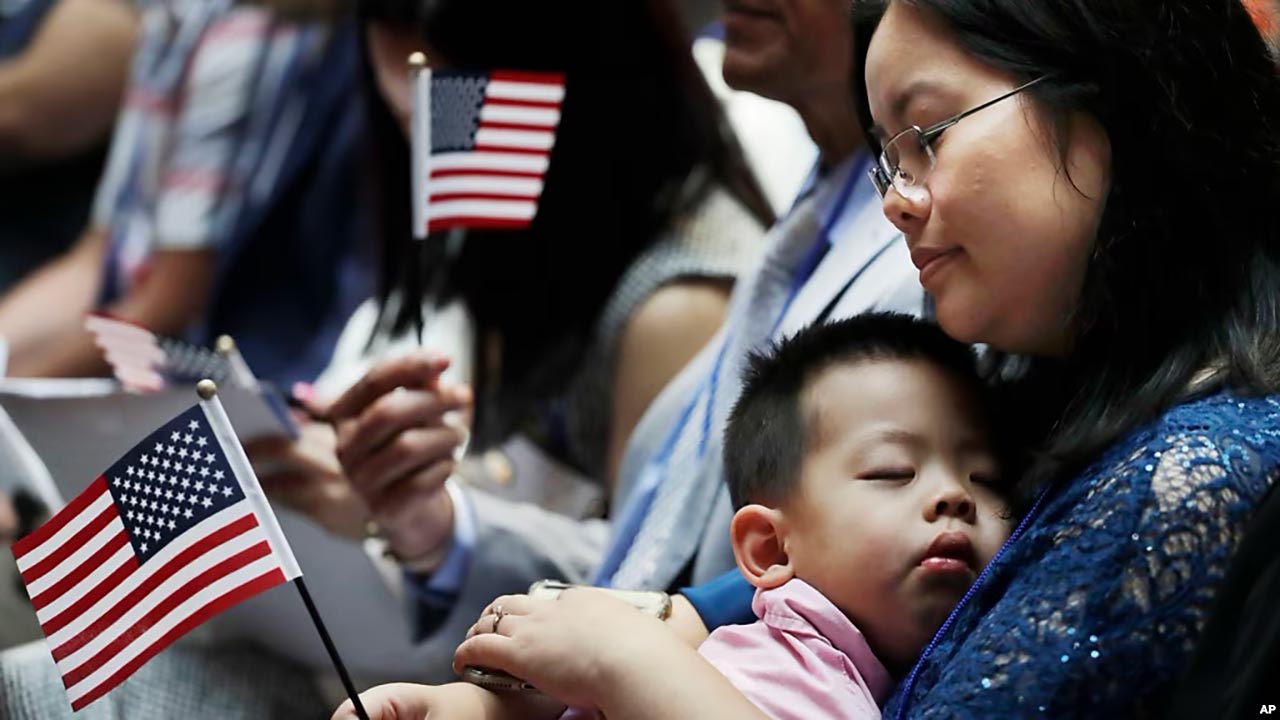
The Chinese surrogacy boom in America is intensifying legal and policy debates around birthright citizenship. As foreign nationals increasingly use U.S. surrogacy services, lawmakers face complex questions on immigration, national security, and reproductive rights, with potential regulatory changes looming amid ongoing Supreme Court scrutiny and federal policy discussions.