Home
 NewsNews
Infertility Treatment Drugs from Merck have enabled the births of 6 million babies globally, with 50% of conceived individuals tied to its therapies.



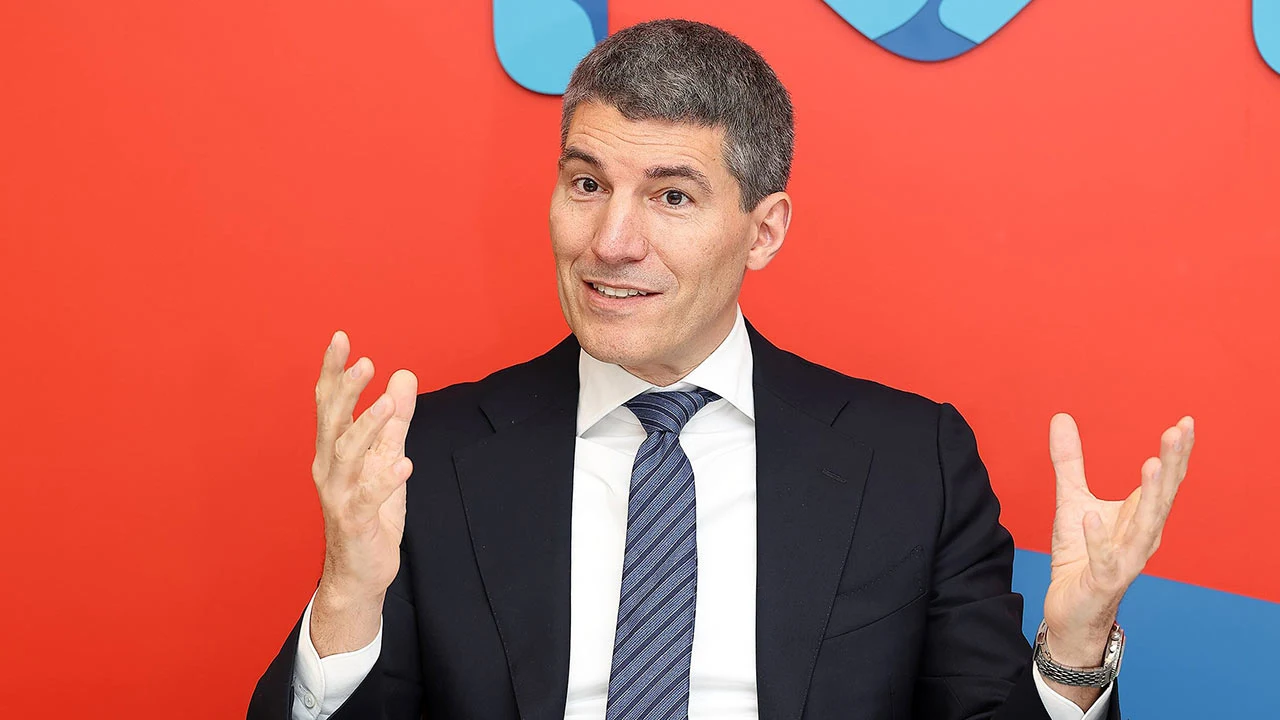
Almost 6 million babies have been born across the world by way of in vitro fertilization using the infertility treatment drugs from Merck Healthcare. This comprises 50% of all individuals born through artificial insemination since the very start of IVF - in-vitro fertilization.
The Senior Vice President and also Head of Global Fertility Franchise with Merck Healthcare, Alexander Steinbach, who is also a known expert with more than 20 years of experience in infertility treatment, during a recent visit to Korea told the Chosun Ilbo it would not be an exaggeration to state that the infertility treatments by Merck have had a prominent effect on worldwide population policies.
Steinbach opined that the roots of infertility treatment drugs from Merck and their development trace back to Serono, which is a company established in Rome, Italy, 116 years ago. Serono went on to move its headquarters to Geneva in Switzerland and thereafter laid the foundation in terms of infertility treatment through introducing hormone therapy for the first time in the 1950s. The drug that was used when the first test-tube baby in the world was born in 1978 also happened to be a Serono product. Merck went on to acquire Serono in 2007.
Apparently, Merck has since expanded its infertility treatment as a major business for years. It has gone on to develop advanced infertility drugs, which include Pergoveris, a treatment for older mothers. Since 2023, the company has been continuously conducting the Fertility Counts infertility policy project. It researches which policies have gone ahead and helped birth rates in varied countries and what kind of insurance systems enhance the access to infertility treatment, goes on to publish white papers, and also shares successful birth policies via expert committees.
In addition to this, Merck is also focusing on supporting the gamut of egg freezing. Steinbach added that egg freezing is indeed the most realistic choice for future pregnancy. He further says that Merck is meeting with government officials and also policy experts across each country in order to advocate for the expanded insurance coverage.
Within Merck, the employees that are wishing to freeze their eggs are completely supported regardless of their marital status. Steinbach stressed that infertility treatment is indeed a major issue that affects global population policies, and this is why Merck supports all of its employees with almost 100,000 euros, around 170 million Korean won, for infertility treatment without any kind of restrictions on the number of times. The spouses of employees can also get the required support.
It is well to be noted that Merck is also famous for faithfully executing flexible work systems. In Korea, Merck helps with two days of remote work every week. When an employee goes on to report a pregnancy, the company makes sure to secure a replacement staff for almost 45 days before the leave in order to ensure a smooth transition to parental leave.
Steinbach opines that flexible work environments are indeed an essential and sufficient condition for a successful infertility treatment. Infertility treatment needs regular hospital visits, and he stressed the fact that creating an environment wherein work along with treatment can see that balance is indeed most significant.



Pulsenmore has completed MHRA registration of Pulsenmore FC, entering the UK fertility market with its patient-operated home ultrasound system for follicular and endometrial monitoring during IVF and fertility preservation treatments. The move follows CE European registration and targets a UK market where over 100,000 fertility treatment cycles were performed in 2024.
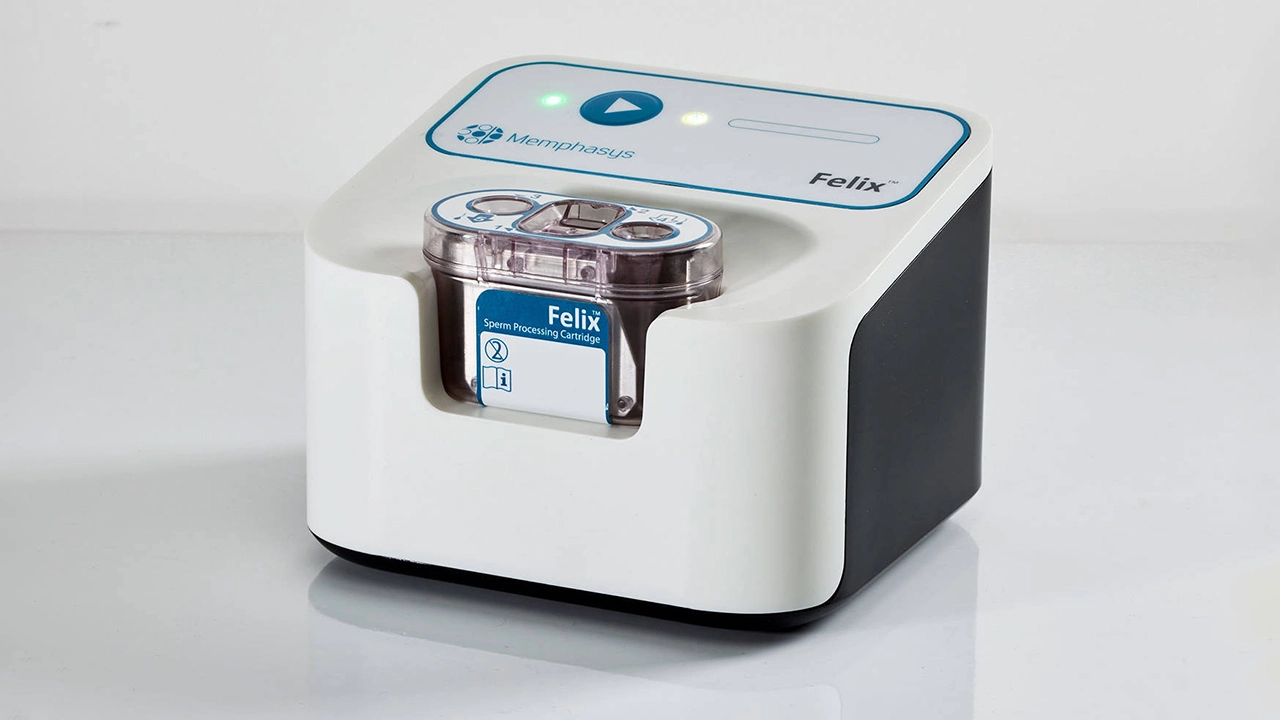
Memphasys has confirmed a Felix System Nordic expansion into Denmark, Sweden, Norway, Finland, and Iceland through an exclusive agreement with fertility-technology distributor NOVIVITAE ApS. The deal carries minimum contracted purchases of €526,500 across three years, with an initial order of €20,625 and three Felix™ consoles to be supplied in the September 2026 quarter.

India's Central Drugs Standard Control Organisation has overhauled CDSCO IVF reagent sale norms, directing that all ART media, culture solutions, and reagents be supplied exclusively to clinics registered under the ART (Regulation) Act and Surrogacy (Regulation) Act. The move targets a growing unlicensed supply chain feeding an estimated 40–50% of India's 2,000-plus IVF centres.
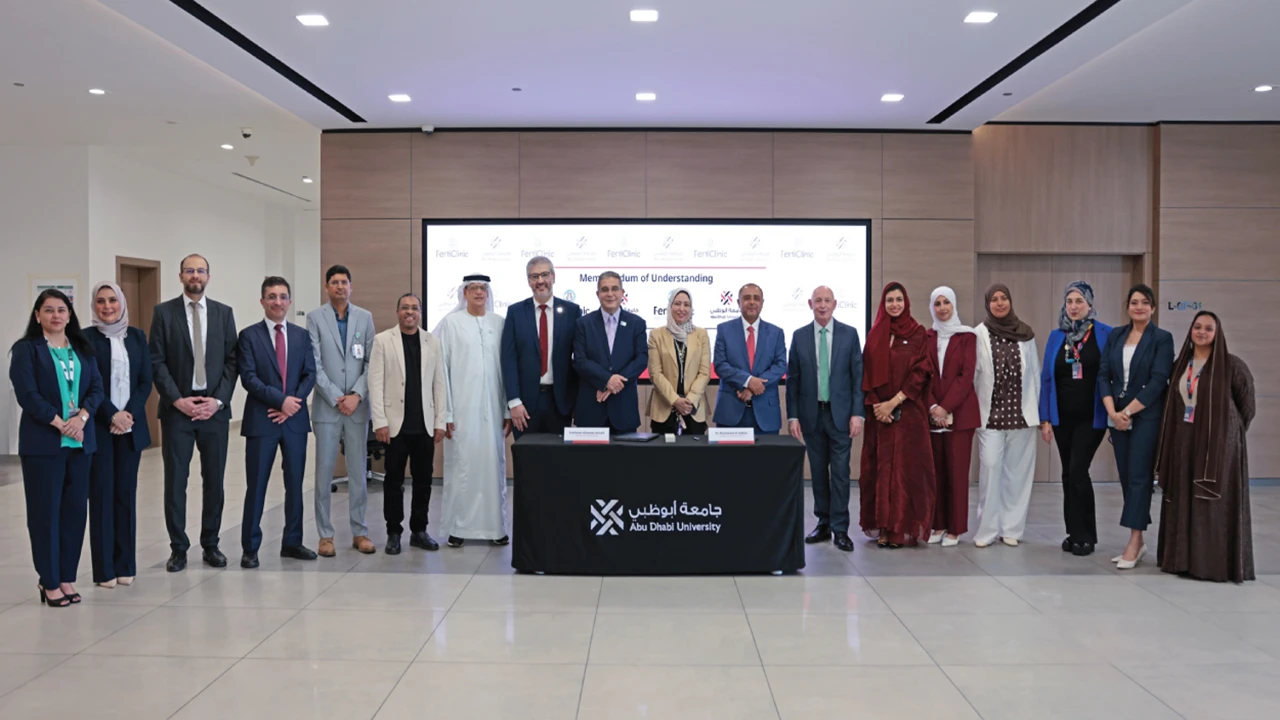
Abu Dhabi University and FertiClinic Group have joined forces to establish the FertiClinic Reproductive Research Lab, an advanced reproductive research lab in Abu Dhabi housing IVF, andrology, and cryopreservation facilities. The partnership supports UAE national priorities, bridges academic and clinical expertise, and advances fertility innovation across the region.

NHS Kent and Medway has overhauled its fertility funding policy in a move that sees NHS cuts IVF access for thousands of patients. Effective 1 April 2026, the eligible age ceiling drops from 40 to 38, funded cycles fall from two to one, and embryo transfers are capped at two.
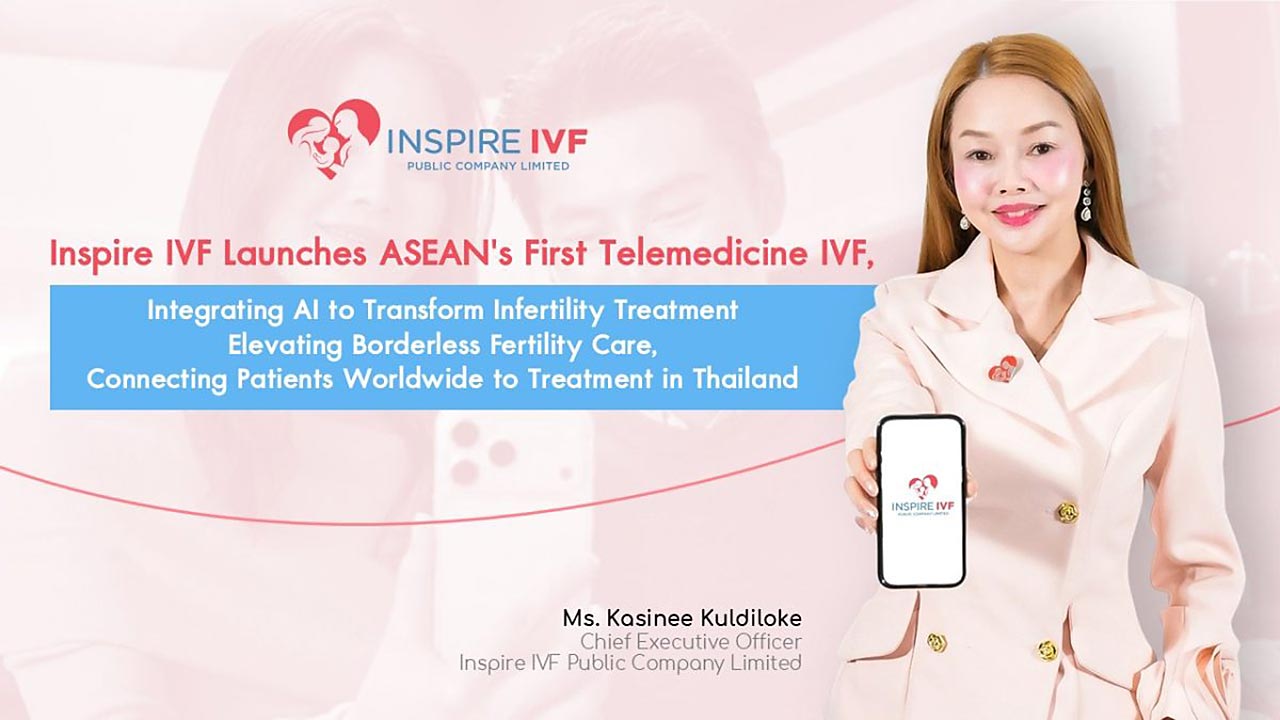
ASEAN's First Telemedicine IVF by Inspire IVF introduces a new era of remote fertility care. Combining AI technology with expert consultation, the platform enables global access, real-time monitoring, and personalised treatment planning, positioning Thailand as a leading hub for fertility services and advancing digital transformation in reproductive healthcare.
CSG.BIO has gone ahead with the acquisition of Hanabusa IVF, Asian Egg Bank, thereby making it a world leader in reproductive medicine and cutting-edge clinics with enhanced patient reach and advanced laboratory capabilities.