Home
 NewsNews
The Stork Foundation for Infertility received a record 1,076 grant applications in 2026, with data revealing that 85% of applicants have no fertility treatment coverage for the care they are pursuing. Average anticipated next treatment costs stand at 19,149 USD, with 39% having already spent more than 10,000 USD out of pocket.



The Stork Foundation for Infertility has received a record 1,076 applications for financial assistance during its 2026 grant cycle, the highest number in the organisation’s history. The applicant data released alongside the announcement provides one of the clearest available snapshots of the fertility treatment coverage gap facing American families and the financial burden that gap creates.
The numbers are stark. Of those who applied for assistance, 85% had no insurance coverage for the fertility treatment they were pursuing. The average anticipated cost of applicants’ next course of treatment stood at 19,149 USD. More than a third, 39% had already spent more than 10,000 USD out of pocket before submitting their application. And applications arrived from all 50 states, confirming that this is not a regional problem but a national one.

The fertility treatment coverage gap documented by the Foundation sits within a broader national picture of inadequate insurance provision. According to KFF’s 2024 Employer Health Benefits Survey, just 27% of large employers offering health benefits reported providing IVF coverage. More than 100,000 babies were born through IVF in the United States in 2024, yet access to the treatment that makes those births possible continues to depend, for the majority of patients, on the ability to pay for it privately.
In response to the record application volume and the data it generated, The Stork Foundation is launching its “6 for 1 in 6” fundraising campaign, a figure drawn from the World Health Organization’s finding that one in six people worldwide experience infertility over their lifetime.
The campaign runs through Giving Tuesday, December 1, 2026. It invites supporters to donate six dollars in honour of a child whose life was made possible through fertility treatment, with all funds raised directed towards additional fertility treatment grants. The goal is to expand the number of families the Foundation can reach through its annual grant programme.
Elizabeth Frattura, founder of The Stork Foundation for Infertility, addressed both the urgency behind the data and the purpose behind the campaign:
“The data make clear that cost remains one of the biggest barriers to fertility treatment. Too many families are forced to delay or forgo care simply because they cannot afford it.”
“For those fortunate enough to have built their families through fertility treatment, this is an opportunity to pay it forward. Every donation helps us say yes to more families.”


Future Health, A Global Initiative by Abu Dhabi has launched the Future Health Digital Health Innovation Challenge 2026, inviting global innovators to develop AI, software, and connected technology solutions across fertility, population health, and well-being. Three finalists will share USD 105,000 at GITEX 2026, with selected solutions eligible for incubation and scale.
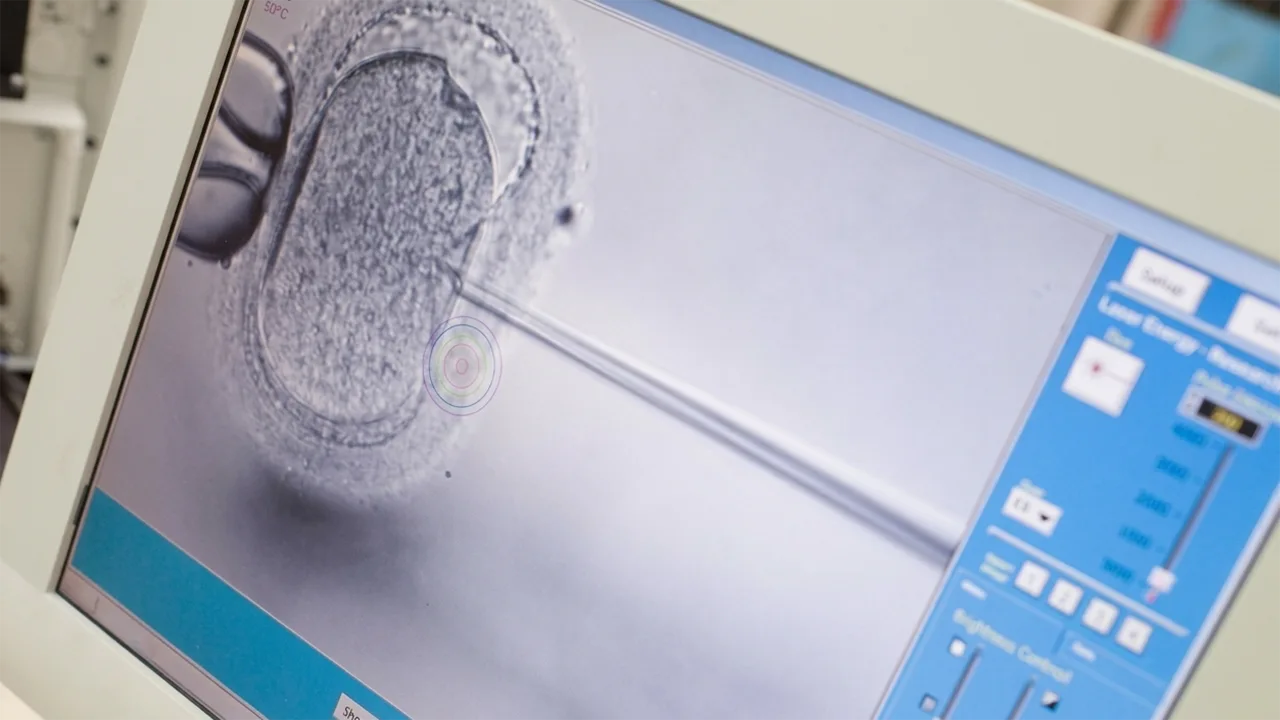
La Trobe University and GonGlobal have entered a strategic collaboration to develop and validate AI and digital twin technologies for ART and IVF. The partnership will build AI-driven fertility care tools, including cohort matching digital twins and deep-learning models, to predict pregnancy outcomes and support personalised clinical decision-making.

IVI Institute has announced the acquisition of The World Egg and Sperm Bank (TWESB), founded in 2004 and operating from Scottsdale, Arizona. The move expands access to reproductive solutions for patients and clinics across the United States and Australia, combining TWESB’s network of 500+ screened donors with IVI Institute’s global clinical and scientific infrastructure.

Doctors at NHS Lothian in Edinburgh have performed the UK’s first testicular tissue transplant, reimplanting tissue frozen before chemotherapy in a 19-year-old patient with a serious blood disorder. The testicular tissue transplant, only the second reported worldwide, could eventually give thousands of young boys a realistic path to future fatherhood.
Flora Fertility and Clue have announced the Flora Clue fertility partnership, connecting the first individually owned fertility insurance platform with the world’s leading women-led cycle tracking app. FLORA policyholders receive complimentary Clue Plus access, while Clue’s community of over 100 million members gains early exposure to proactive fertility financial planning.
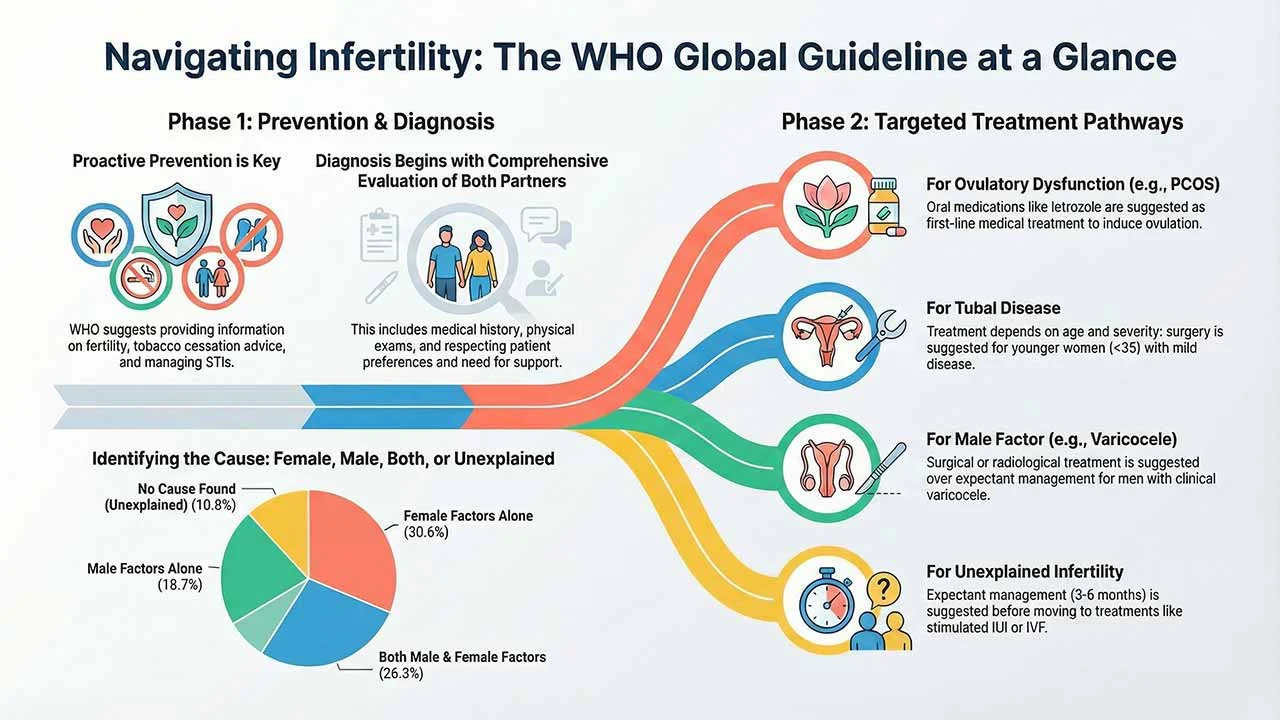
The World Health Organization releases its first comprehensive, evidence-based global guideline for infertility prevention, diagnosis, and treatment. Addressing one in six people of reproductive age worldwide, the guideline emphasizes equity, human rights, and standardized interventions to improve access to fertility care globally.