Home
 NewsNews
The Ferring Global Fertility Monitor has been launched by Ferring Pharmaceuticals and Gallup to examine fertility trends in 70 countries. Through large-scale surveys, the project will explore economic, social, and cultural influences on parenthood decisions. Insights are expected to guide policy, healthcare planning, and future demographic strategies.




On April 16, 2026, Ferring Pharmaceuticals and Gallup announced the launch of the Ferring Global Fertility Monitor at the 2026 Annual Convening of Semafor World Economy in Washington, D.C. Integrated into the Gallup World Poll, the study will collect data from representative samples across 70 countries to identify the social, economic, and structural factors influencing fertility decisions. The initiative addresses a global decline in total fertility rates, which have fallen below replacement levels in many nations, including record lows recently reported in the United States.
The project Ferring Global Fertility Monitor begins this year with expert consultations and a research process designed to identify critical evidence gaps. A tested questionnaire will be added to the 2027 Gallup World Poll and will function as a biannual tracker. Jean-Frédéric Paulsen, Chairman of the Board of Directors and Chief Executive Officer of Ferring Pharmaceuticals, said: “As a company committed to supporting people on their fertility journey, we see the global debate on demographic change as one of the defining issues of our time. Around the world, questions about the future shape of populations are intensifying, yet the data needed to fully understand these shifts and their implications remains far too limited. This project has the potential to transform that landscape. By strengthening the global evidence base, we can deepen understanding of what is happening and why, helping governments, health systems and communities plan for a more sustainable future.”
Leveraging Gallup’s survey infrastructure, which covers approximately 140 countries, the monitor will utilize face-to-face and telephone interviews to gather nationally representative data from adult populations. Jon Clifton, Chief Executive Officer of Gallup, said: “We spend a lot of time debating falling fertility and birth rates, but surprisingly little time asking people why. This initiative changes that, using nationally representative data, collected consistently at a scale no one has attempted before across 70 countries.” The resulting evidence base is intended to assist policymakers in understanding the cultural and social drivers behind parenthood aspirations and the factors that impact their realisation.


Future Health, A Global Initiative by Abu Dhabi has launched the Future Health Digital Health Innovation Challenge 2026, inviting global innovators to develop AI, software, and connected technology solutions across fertility, population health, and well-being. Three finalists will share USD 105,000 at GITEX 2026, with selected solutions eligible for incubation and scale.
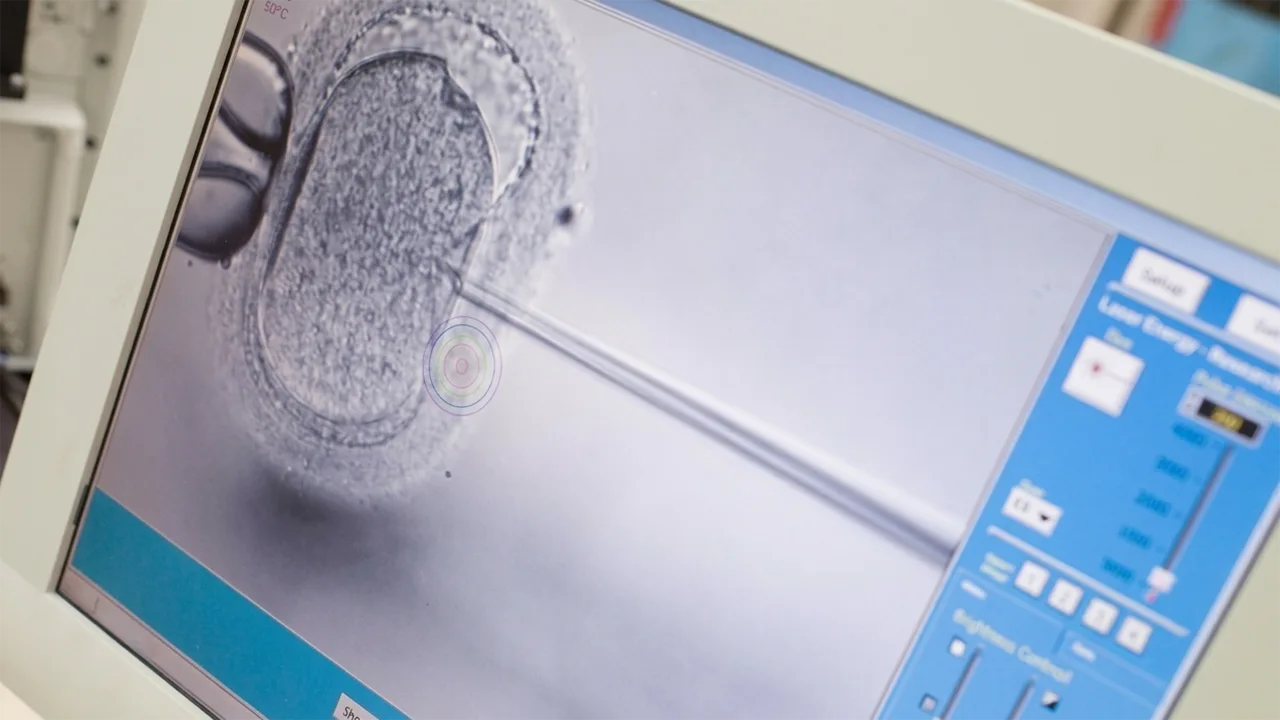
La Trobe University and GonGlobal have entered a strategic collaboration to develop and validate AI and digital twin technologies for ART and IVF. The partnership will build AI-driven fertility care tools, including cohort matching digital twins and deep-learning models, to predict pregnancy outcomes and support personalised clinical decision-making.

IVI Institute has announced the acquisition of The World Egg and Sperm Bank (TWESB), founded in 2004 and operating from Scottsdale, Arizona. The move expands access to reproductive solutions for patients and clinics across the United States and Australia, combining TWESB’s network of 500+ screened donors with IVI Institute’s global clinical and scientific infrastructure.

Doctors at NHS Lothian in Edinburgh have performed the UK’s first testicular tissue transplant, reimplanting tissue frozen before chemotherapy in a 19-year-old patient with a serious blood disorder. The testicular tissue transplant, only the second reported worldwide, could eventually give thousands of young boys a realistic path to future fatherhood.

Flora Fertility and Clue have announced the Flora Clue fertility partnership, connecting the first individually owned fertility insurance platform with the world’s leading women-led cycle tracking app. FLORA policyholders receive complimentary Clue Plus access, while Clue’s community of over 100 million members gains early exposure to proactive fertility financial planning.
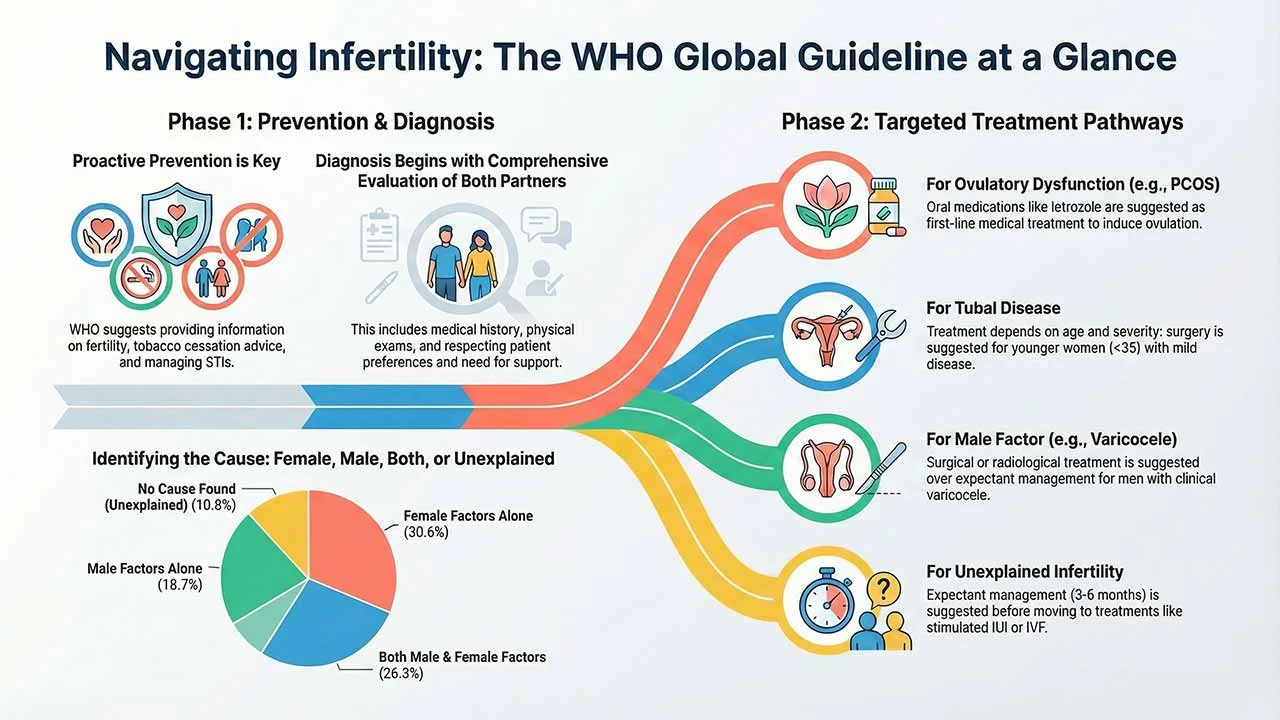
The World Health Organization releases its first comprehensive, evidence-based global guideline for infertility prevention, diagnosis, and treatment. Addressing one in six people of reproductive age worldwide, the guideline emphasizes equity, human rights, and standardized interventions to improve access to fertility care globally.

Gameto has secured $44 million in Series C funding to advance its stem cell-derived fertility therapy, Fertilo, into Phase 3 trials, marking a significant milestone in reproductive healthcare. This groundbreaking therapy uses induced pluripotent stem cell technology to mature eggs outside the body, significantly reducing hormonal stimulation and enhancing safety and efficacy in fertility treatments.