Home
 NewsNews
Before taking a call on IVF, survey conducted in the U.S., UK, Ireland, and Canada suggests that people are looking for complete & less expensive options to treat root causes of infertility.




Before in vitro fertilization - IVF, most people who are trying to carry wanted complete and less expensive options that include metabolic health, men's health, and less invasive treatment paths. But the talks that would link them to those choices are not happening. Carrot, a global platform for fertility, family-building, and hormonal health care, has released a new report that shows the difference between what people want and what they are being offered.
The report named Beyond IVF: What People Really Want from Fertility Care is based on a survey of 1,010 adults in the US, UK, Ireland, and Canada who are currently trying to conceive, have tried in the past five years, or plan to try in the next five years. The results show a clear pattern – people want more choices, want to get help promptly, and access care that doesn't automatically go to the most invasive or expensive treatments but rather want complete and less expensive options.
Tammy Sun, the founder and CEO of Carrot, said, "People are telling us exactly what they want — earlier guidance, more options, and care that doesn't default to the most invasive treatment first. "The gap between that demand and what the system currently delivers is not subtle, and it is not inevitable. Clinicians want to offer comprehensive care. They need benefit structures and care pathways that make room for it."
The report identifies four main gaps that affect the current experience of fertility care - a lot of people know about IVF but don't want to pursue it, a lot of people are interested in metabolic and men's health support but aren't getting it, fertility education is taking too long and there is a growing demand for comprehensive fertility benefits.
The study found that 89% of people who were asked about IVF were aware of it, but only 58% were willing to pursue it. This is the major difference between awareness and consideration of any fertility option in the study.
Cost and invasiveness are the main reasons why people don't want IVF – 83% of respondents said they would choose a less expensive option first, and 89% of women said they would rather try a less invasive option first if they had clinical support. When asked what would change their minds, 78% of people said that learning more about non-IVF options would make them more likely to choose them first.
Support for metabolic and men's health became two of the most popular ways to get pregnant. 84% of the people who answered said they would think about metabolic health support, and 80% said they would think about men's health support. Both of these were more popular than IVF. Nevertheless, less than half of the respondents indicated that they had discussed these subjects with a healthcare provider – 44% for metabolic health and 43% for men's health, highlighting a disparity between patient interest and clinical integration. These results back up what many of us in the field have known for a long time – metabolic health, nutrition, and lifestyle are very important to fertility outcomes, but they are rarely talked about in a structured, ongoing way.
"These findings confirm what many of us in the field have long observed: factors like metabolic health, nutrition, and lifestyle are central to fertility outcomes yet rarely addressed in a structured, ongoing way. In this report, 84% of people recognise the link between metabolic health and fertility, underscoring the need for care models that integrate evidence-based guidance and longitudinal follow-up into the fertility journey," opined Asima Ahmad, who is the Chief Medical Officer at Carrot Fertility.
Almost half of the people who answered - 49% said they first learned about fertility options after they started trying to get pregnant or had problems with their fertility. 58% of those who took the survey said they wished they had learned more earlier. This number rose to 70% among those who are currently trying to get pregnant.
To close the education gap, 84% of those who answered said that having access to more than one fertility option would make them feel more sure about their choices. This was the most popular answer in the survey. 80% of those who answered said they would be more likely to stay with an employer who offered full fertility coverage, and 83% said the same about their health insurer. The results suggest that increasing access to a wider array of fertility pathways and integrating them earlier in the patient journey may also enhance the alignment of care delivery with patient preferences, while also aiding in workforce and insurer retention.


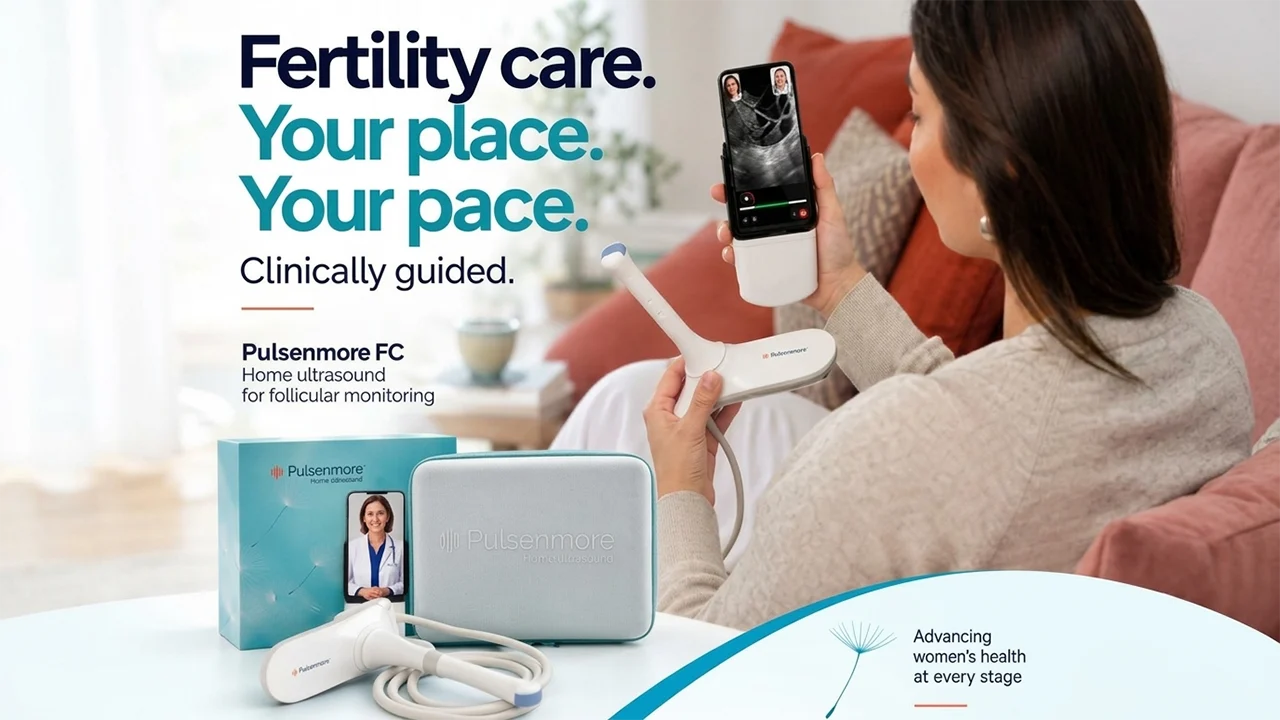
Pulsenmore has completed MHRA registration of Pulsenmore FC, entering the UK fertility market with its patient-operated home ultrasound system for follicular and endometrial monitoring during IVF and fertility preservation treatments. The move follows CE European registration and targets a UK market where over 100,000 fertility treatment cycles were performed in 2024.
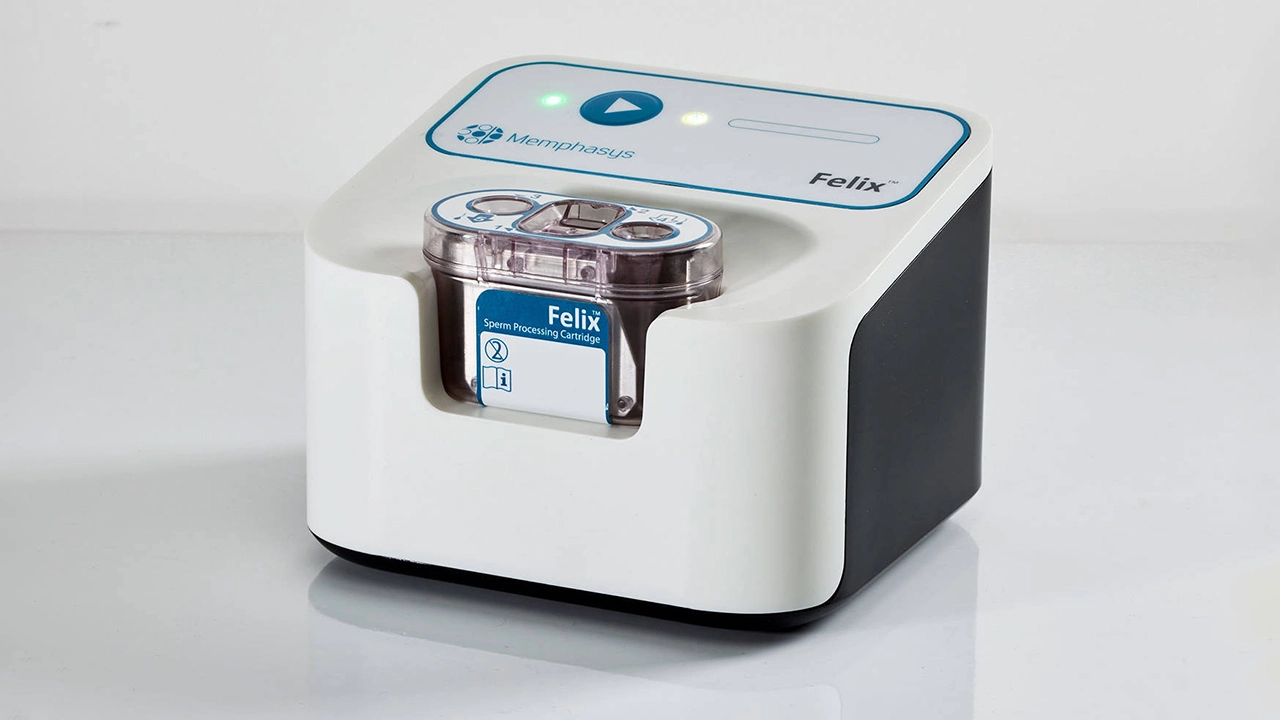
Memphasys has confirmed a Felix System Nordic expansion into Denmark, Sweden, Norway, Finland, and Iceland through an exclusive agreement with fertility-technology distributor NOVIVITAE ApS. The deal carries minimum contracted purchases of €526,500 across three years, with an initial order of €20,625 and three Felix™ consoles to be supplied in the September 2026 quarter.

India's Central Drugs Standard Control Organisation has overhauled CDSCO IVF reagent sale norms, directing that all ART media, culture solutions, and reagents be supplied exclusively to clinics registered under the ART (Regulation) Act and Surrogacy (Regulation) Act. The move targets a growing unlicensed supply chain feeding an estimated 40–50% of India's 2,000-plus IVF centres.

Abu Dhabi University and FertiClinic Group have joined forces to establish the FertiClinic Reproductive Research Lab, an advanced reproductive research lab in Abu Dhabi housing IVF, andrology, and cryopreservation facilities. The partnership supports UAE national priorities, bridges academic and clinical expertise, and advances fertility innovation across the region.

NHS Kent and Medway has overhauled its fertility funding policy in a move that sees NHS cuts IVF access for thousands of patients. Effective 1 April 2026, the eligible age ceiling drops from 40 to 38, funded cycles fall from two to one, and embryo transfers are capped at two.
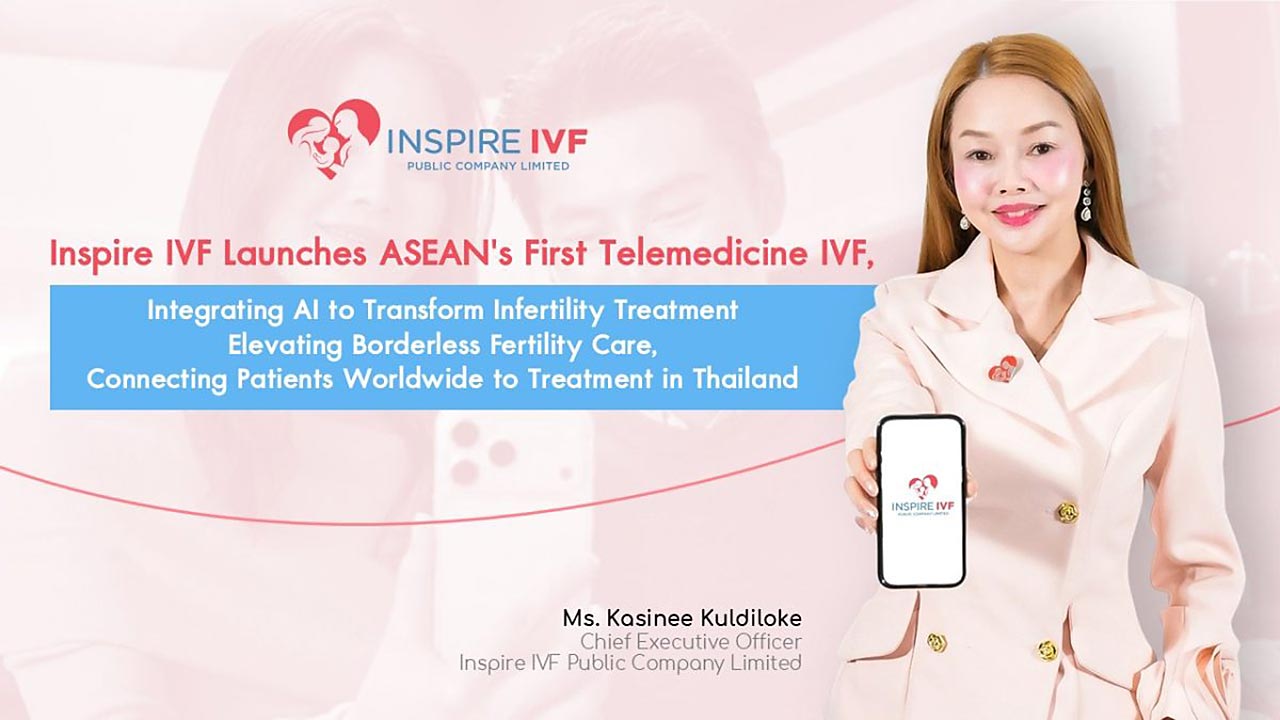
ASEAN's First Telemedicine IVF by Inspire IVF introduces a new era of remote fertility care. Combining AI technology with expert consultation, the platform enables global access, real-time monitoring, and personalised treatment planning, positioning Thailand as a leading hub for fertility services and advancing digital transformation in reproductive healthcare.
CSG.BIO has gone ahead with the acquisition of Hanabusa IVF, Asian Egg Bank, thereby making it a world leader in reproductive medicine and cutting-edge clinics with enhanced patient reach and advanced laboratory capabilities.