Home
 NewsNews
Columbia University Fertility Center has achieved the first confirmed pregnancy using an AI-guided sperm recovery method in a man with azoospermia, as detailed in The Lancet. The STAR system combined advanced imaging, microfluidics, and robotics to retrieve two viable sperm, enabling embryo creation after prior failed surgical and manual attempts.




Researchers at Columbia University Fertility Center have reported the first confirmed pregnancy achieved with an AI-guided sperm recovery method in a man with azoospermia, marking a notable milestone for severe male-factor infertility care, according to a case report described in The Lancet. The technique, called Sperm Tracking and Recovery (STAR), integrates advanced imaging, microfluidics, and robotics to find and retrieve extremely rare viable sperm from semen samples previously deemed sperm-free.
The reported case involved a couple attempting pregnancy for nearly two decades, including multiple IVF cycles, manual sperm searches, and two testicular surgeries before STAR was employed at Columbia. Using a 3.5 mL semen sample, STAR scanned approximately 2.5 million images in about two hours, identified two viable sperm, and enabled the creation of two embryos that led to a confirmed ongoing pregnancy.
Male factors account for about 40% of infertility among couples, and 10–15% of men with infertility have azoospermia, where ejaculate contains little or no sperm, significantly limiting options for biological parenthood. Conventional approaches include surgical sperm retrieval or prolonged manual searches after centrifugation, which can be invasive, time-consuming, costly, and risk damaging sperm, with inconsistent success. The AI-guided sperm recovery method offers a non-surgical, targeted alternative that may expand access to biological conception for patients historically told they had little chance.
The STAR method rapidly captures millions of images from a flowing semen sample and uses artificial intelligence to detect candidate sperm within cellular debris that obscures manual inspection under a microscope. A microfluidic chip with hair-like channels then isolates the specific portion of the sample containing the detected cell, and within milliseconds a robotic system gently removes the sperm for use in embryo creation or cryopreservation. Columbia’s team emphasizes that the pipeline was designed by specialists in advanced imaging, microfluidics, and reproductive endocrinology to reliably address each step of rare sperm identification and recovery.
“A semen sample can appear totally normal, but when you look under the microscope, you discover just a sea of cellular debris, with no sperm visible. Many couples with male-factor infertility are told they have little chance of having a biological child,” said Zev Williams, senior author and Director of the Columbia University Fertility Center, highlighting the diagnostic and therapeutic challenge STAR seeks to solve. Project lead Hemant Suryawanshi noted the multi-disciplinary design of the system to locate and isolate rare sperm in men with azoospermia, underscoring the method’s technical breadth.
While the first pregnancy using AI-guided sperm recovery is a proof-of-feasibility milestone, the current evidence rests on a single case report in The Lancet, requiring broader validation to assess generalizability, success rates, and clinical workflows across diverse patient populations. Columbia reports that larger clinical studies are underway to evaluate the efficacy of the STAR method in wider cohorts, which will be critical for determining patient selection, cost-effectiveness, and potential integration with IVF and ICSI pathways.
If supported by larger studies, AI-guided sperm recovery could reduce reliance on invasive testicular procedures and lengthy manual searches, offering a path to biological parenthood for some men with azoospermia who previously had limited options. As reproductive centers assess implementation, attention will turn to reproducibility, training, lab safety, and regulatory considerations for scaling the technology responsibly in clinical practice.



India's Central Drugs Standard Control Organisation has overhauled CDSCO IVF reagent sale norms, directing that all ART media, culture solutions, and reagents be supplied exclusively to clinics registered under the ART (Regulation) Act and Surrogacy (Regulation) Act. The move targets a growing unlicensed supply chain feeding an estimated 40–50% of India's 2,000-plus IVF centres.
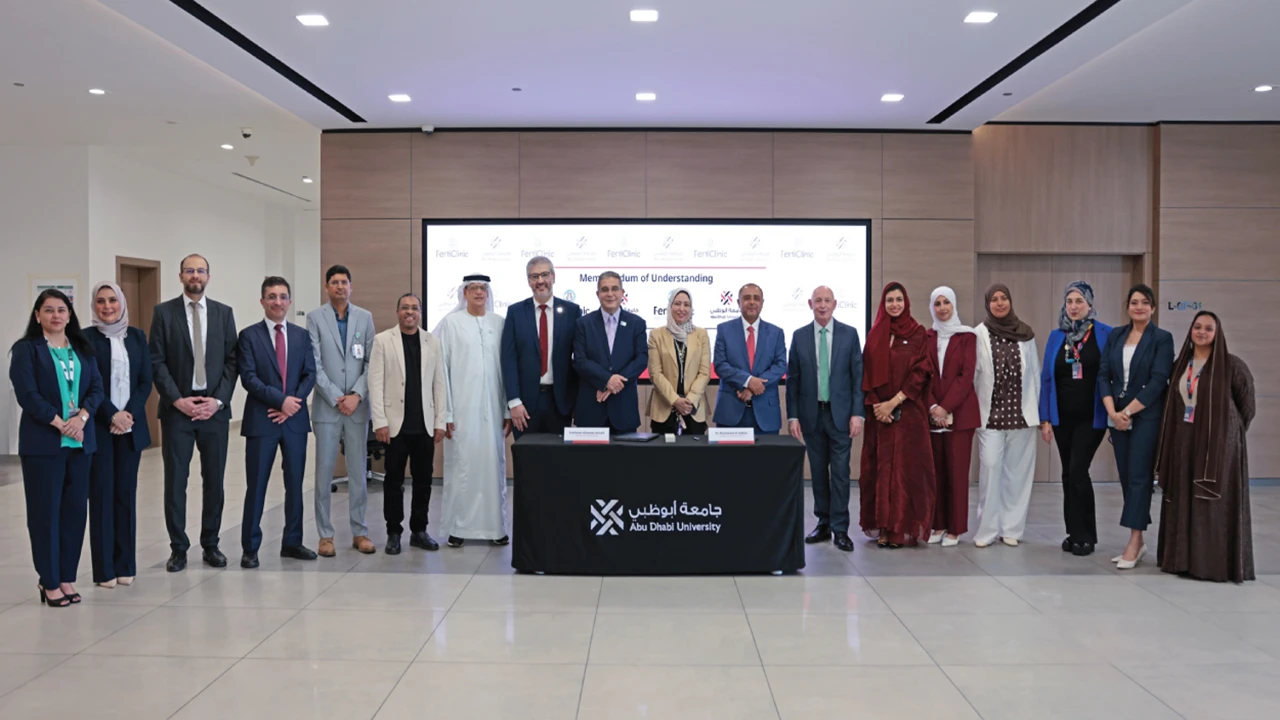
Abu Dhabi University and FertiClinic Group have joined forces to establish the FertiClinic Reproductive Research Lab, an advanced reproductive research lab in Abu Dhabi housing IVF, andrology, and cryopreservation facilities. The partnership supports UAE national priorities, bridges academic and clinical expertise, and advances fertility innovation across the region.

NHS Kent and Medway has overhauled its fertility funding policy in a move that sees NHS cuts IVF access for thousands of patients. Effective 1 April 2026, the eligible age ceiling drops from 40 to 38, funded cycles fall from two to one, and embryo transfers are capped at two.
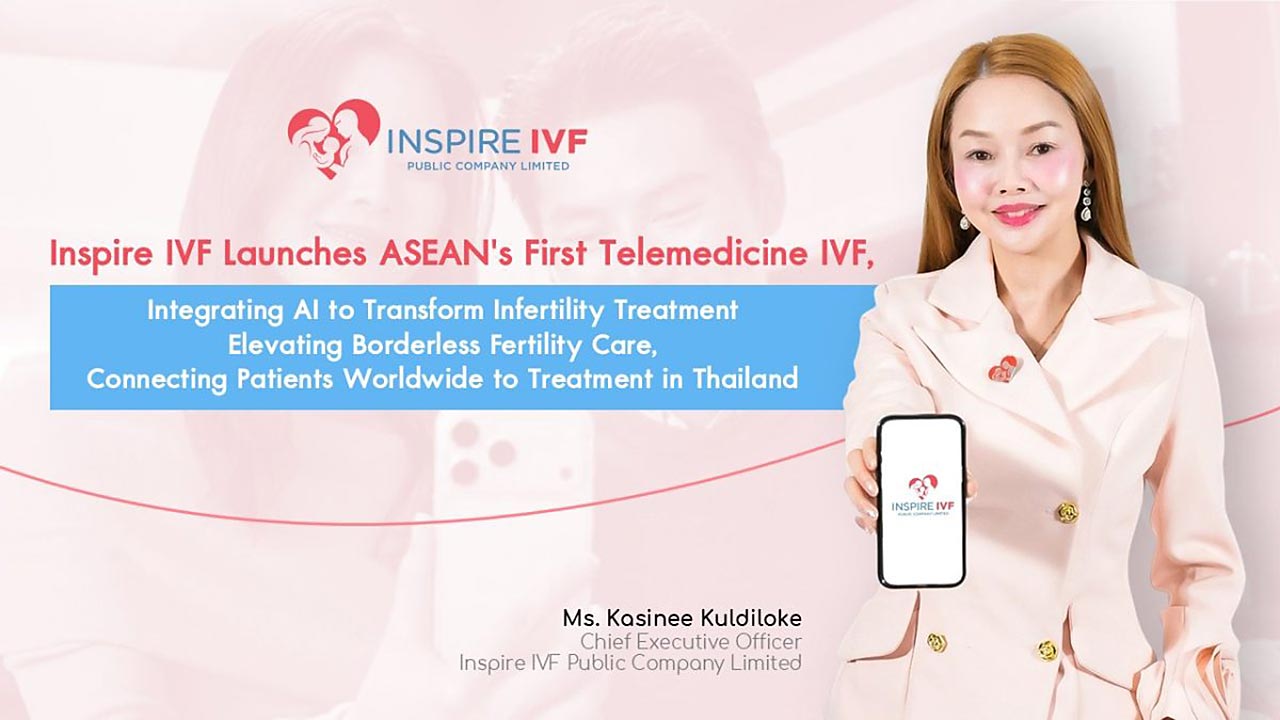
ASEAN's First Telemedicine IVF by Inspire IVF introduces a new era of remote fertility care. Combining AI technology with expert consultation, the platform enables global access, real-time monitoring, and personalised treatment planning, positioning Thailand as a leading hub for fertility services and advancing digital transformation in reproductive healthcare.
CSG.BIO has gone ahead with the acquisition of Hanabusa IVF, Asian Egg Bank, thereby making it a world leader in reproductive medicine and cutting-edge clinics with enhanced patient reach and advanced laboratory capabilities.
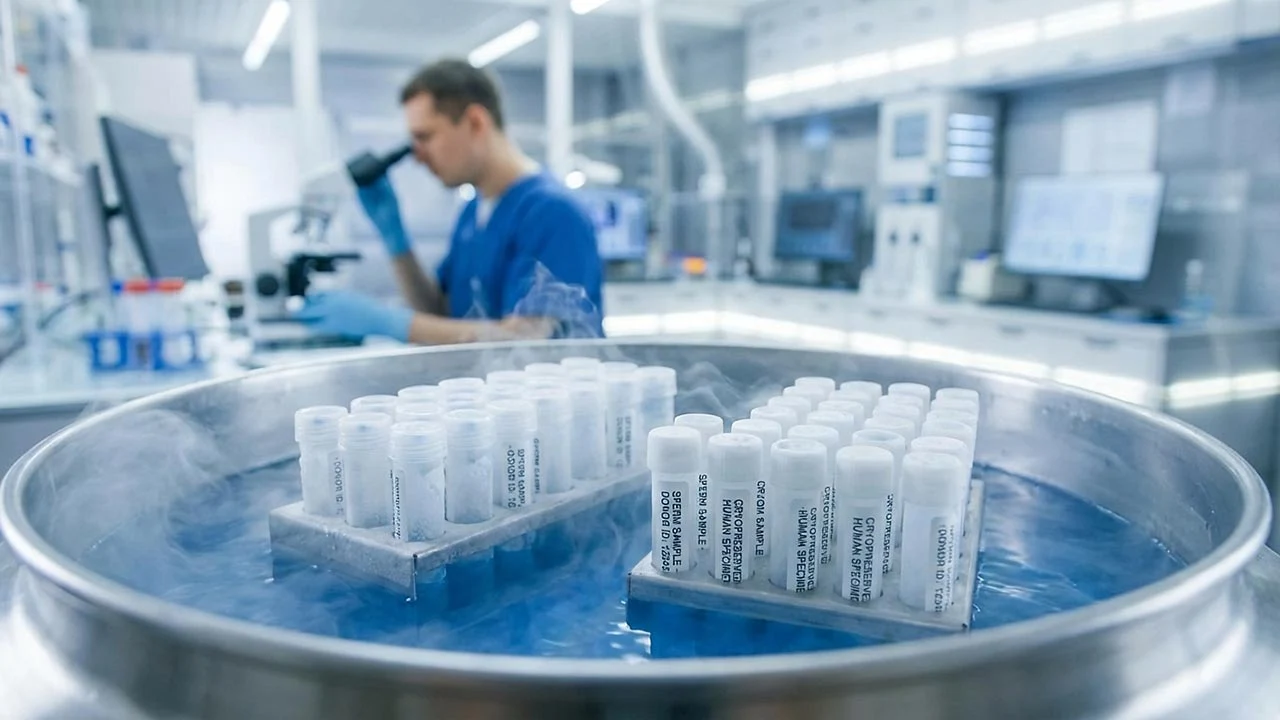
Wisconsin lawmakers from both parties are proposing bills to reduce IVF treatment costs. Republicans suggest a $5,000 tax credit for expenses, while Democrats want mandatory insurance coverage. With IVF cycles costing $20,000-$30,000 and 170,000 residents facing infertility, both parties seek affordable solutions through different approaches.
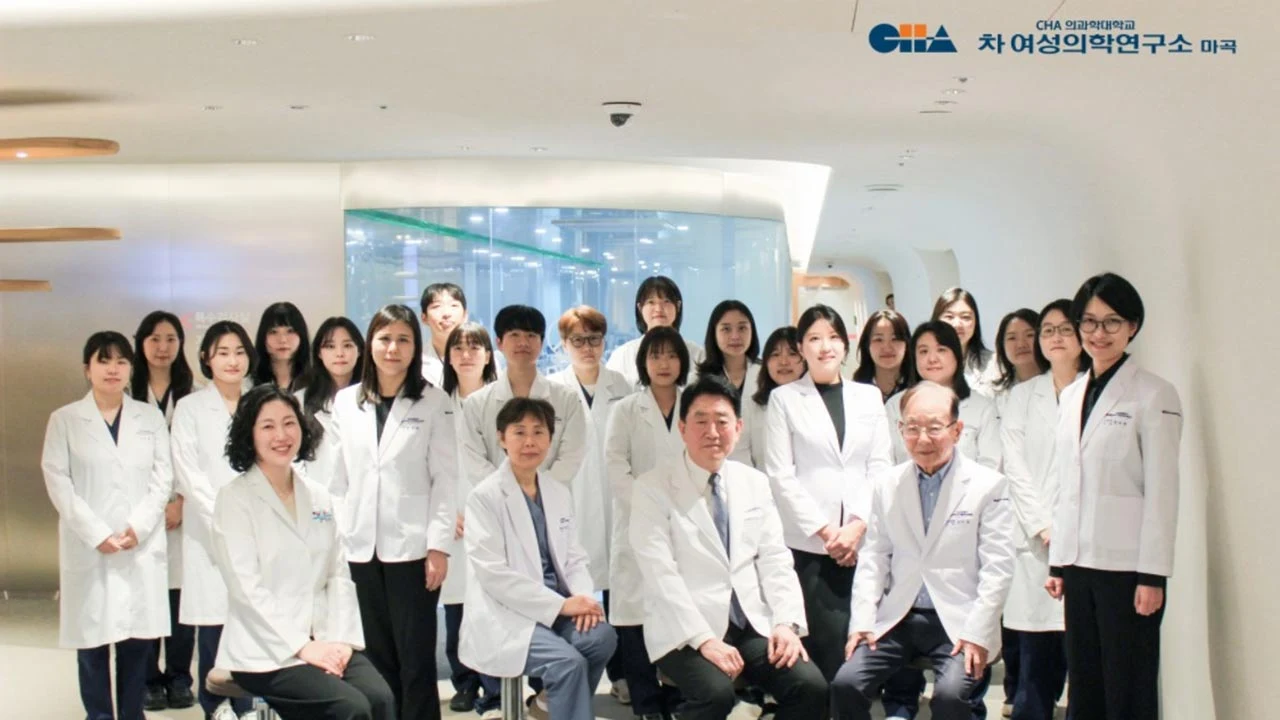
The AI-specialized Infertility Center, which is the largest in Asia, is open in Magok, Seoul and has begun its full-scale medical services from November 17 thereby marking the new era when it comes to fertility in the region.