Home
 NewsNews
The Chinese surrogacy boom in America is intensifying legal and policy debates around birthright citizenship. As foreign nationals increasingly use U.S. surrogacy services, lawmakers face complex questions on immigration, national security, and reproductive rights, with potential regulatory changes looming amid ongoing Supreme Court scrutiny and federal policy discussions.



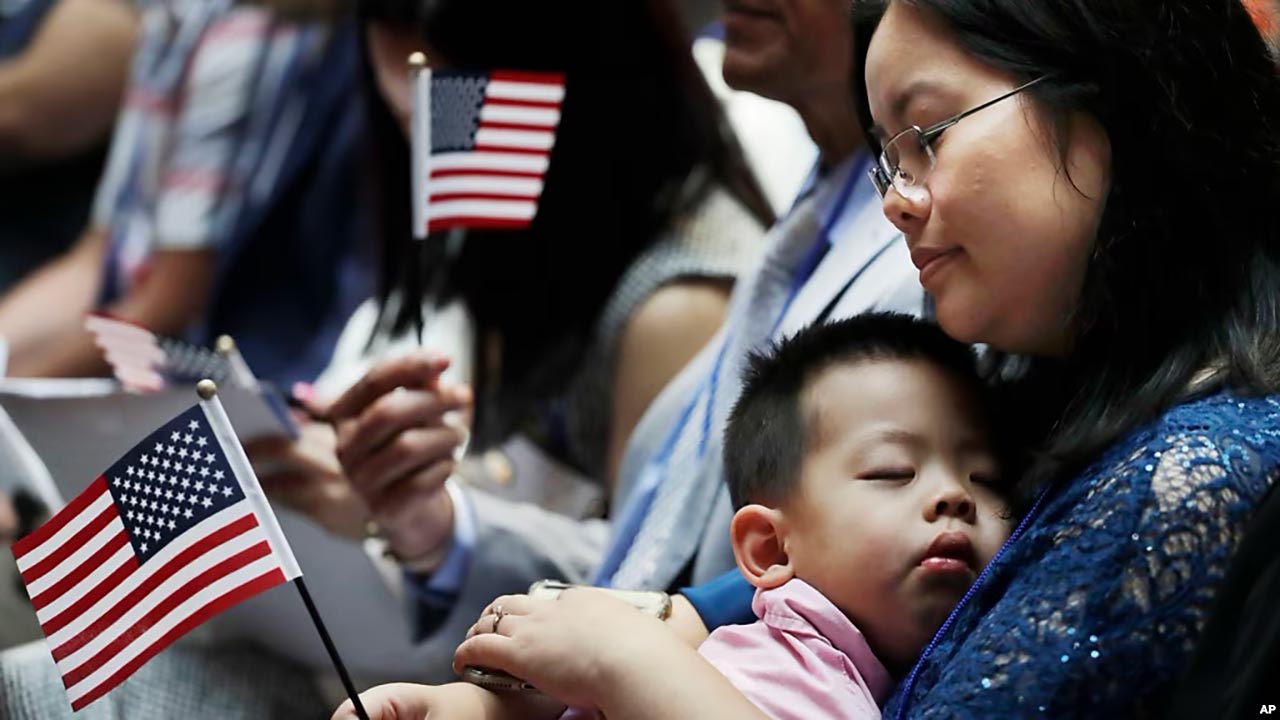
The effort by President Donald Trump’s administration to restrict what he characterises as the abuse of the 14th Amendment's birthright citizenship provision is facing a significant and complex hurdle: the rapidly expanding surrogacy industry and its substantial Chinese clientele. As the Chinese surrogacy boom in America continues to accelerate, experts and policymakers are grappling with the legal and ethical implications of foreign nationals obtaining U.S. citizenship for their children through American surrogates.
The Scale of the Surrogacy Sector and Foreign Interest
Wealthy Chinese families and individuals are increasingly utilising the professionalised U.S. surrogacy sector to ensure their biological children are born on American soil. This trend allows parents to secure U.S. citizenship for their offspring, often without the parents themselves ever having to enter the country. According to data from the American Society for Reproductive Medicine, foreign nationals, the plurality of whom are from China, initiated nearly 5,000 pregnancies via surrogacy in 2020 alone, even amidst the global disruptions of the COVID-19 pandemic.
A recent investigation by the Wall Street Journal highlighted the extreme scale of this practice, revealing instances where individual Chinese nationals sought to commission over 100 children through dozens of different surrogate mothers. Under current legal frameworks, because these surrogates give birth within the United States, the children are automatically granted U.S. citizenship. This intersection of reproductive technology and immigration law has fuelled the Chinese surrogacy boom in America, creating a pathway to citizenship that bypasses traditional immigration hurdles.
Shortly after beginning his second term in January 2025, President Trump issued an executive order aimed at ending birthright citizenship for children whose mothers are in the U.S. illegally or on temporary visas. The order stipulates that citizenship should only be granted if at least one parent is a U.S. citizen or a lawful permanent resident. While the Supreme Court is currently reviewing the constitutionality of this order, its application to the surrogacy industry remains a subject of intense debate.
The central legal ambiguity involves the definition of "mother" and "father" within the executive order. The text defines these roles as the “immediate female [and] immediate male biological progenitor[s]” of the child. However, the term “progenitor” has not been explicitly clarified by the White House, leading to various interpretations by legal experts.
A White House spokeswoman defended the policy, stating in December 2025: “Uninhibited birth tourism poses a tremendous cost to taxpayers and threatens our national security. President Trump's Executive Order ends this practice and is consistent with the policies of most countries around the world”. Despite this stance, the administration has declined to elaborate on how the order applies specifically to children born to surrogates.
Daniel Di Martino, an immigration expert and fellow at the Manhattan Institute, notes that even if the Supreme Court upholds the executive order, the surrogacy issue will likely trigger further litigation. “Birthright citizenship as it is now is geographic, not genetic, so the question is not who the biological parents are but where the child was born,” Di Martino explained. He added that while a surrogate mother is not the genetic mother, she contributes to the creation of the child, making the definition of "progenitor" a pivotal legal pivot point.
There are several ways the administration could enforce the "progenitor" definition:
Ilya Shapiro, director of constitutional studies at the Manhattan Institute, described the situation as “an open question for our brave new world of globe-trotting designer babies”. He expressed hope that the relevant authorities would issue clarifying regulations to address these "tricky legal issues" should the executive order survive judicial review.
Beyond the legal nuances, the Chinese surrogacy boom in America has raised alarms regarding national security and foreign influence. China hawks and some members of Congress worry about the long-term implications of a growing population of U.S. citizens raised in China by Chinese Communist Party (CCP) loyalists.
Senators Tom Cotton (R-AR) and Rick Scott (R-FL) recently called on Attorney General Pam Bondi to investigate the 107 Chinese-owned surrogacy agencies reportedly operating in Southern California. It is notable that commercial surrogacy is strictly illegal within China itself. Joseph McNally, former acting U.S. Attorney, claimed in 2025 that this surrogacy "system" has already birthed approximately 30,000 Chinese babies into American citizenship.
Michael Lucci, CEO of the national security organisation State Armor, warned of the potential for mass political influence. “China is creating arguably a million or maybe more Chinese Communist Party loyal American citizens through surrogacy, through birth tourism,” Lucci stated. He suggested that such a population could be strategically utilised in swing states to influence presidential elections.
Lucci also highlighted physical security risks, citing an example of a former Chinese national who became a U.S. citizen and purchased golf courses adjacent to the runways of Barksdale Air Force Base. “Imagine if you have a million American citizens loyal to the CCP. They could just go buy up properties around our most sensitive bases, critical infrastructure, all sorts of things like this,” he warned.
The implementation of Trump’s order is further complicated by the prevalence of anonymous genetic donors. Tying citizenship to the status of biological parents whose identities are unknown presents immense logistical and legal challenges. David Bier, director of immigration studies at the Cato Institute, pointed out that the executive order primarily targets mothers who are physically in the U.S. in a temporary or illegal status. If a Chinese biological mother remains in China and only her genetic material (the egg) is sent to the U.S., Bier argues the order might not apply to the child.
Bier also questioned the constitutionality of the order altogether, stating, "Surrogate children in the United States would not be excluded from the jurisdiction of the United States by virtue of their foreign parents any more than an adoptee would be, so the Constitution guarantees them U.S. citizenship by birth”.
As the debate continues, some proponents of stricter regulations argue that Congress must act to regulate the surrogacy industry directly. Legislation recently proposed in Florida, which bars residents from entering surrogacy contracts with individuals from "countries of concern" like China, is being viewed as a potential blueprint for federal action to address the security and ethical concerns surrounding birthright citizenship and foreign surrogacy.



Miracle Surrogacy, Mexico's largest and longest-established surrogacy agency, has announced a new partnership with Travel Gay, one of the world's most recognised LGBTQ+ travel and lifestyle platforms. The collaboration launches with a comprehensive educational guide to LGBTQ+ surrogacy in Mexico, covering the legal, medical, and practical dimensions of building a family there.

Baroness Ruth Lynn Deech has cautioned that surrogacy and reproductive law reform may require separate legislative treatment, not a single statute. Speaking in the House of Lords, she called for a Parliamentary Select Committee to examine both the HFEA's 2023 modernisation proposals and the Law Commission's 2023 surrogacy framework independently.
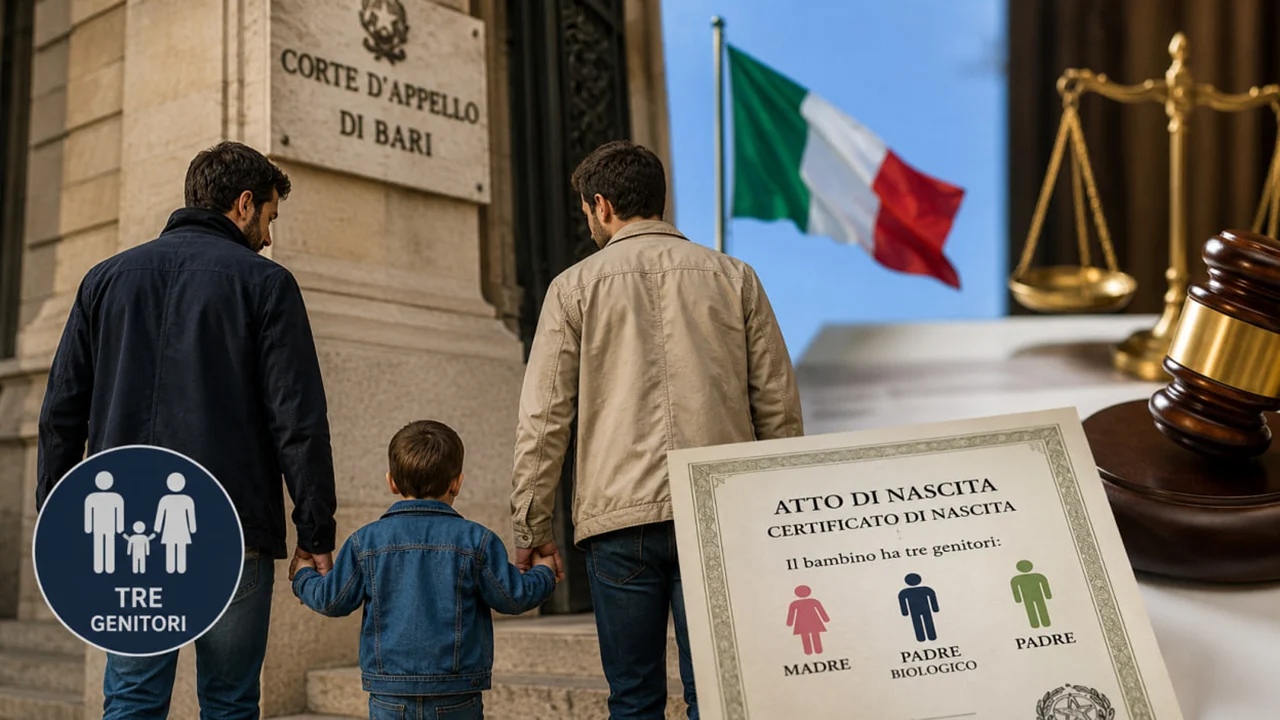
A Bari court of appeal has ruled that Italy Recognises Three Parents, two fathers and one mother, for a 4-year-old child born in Germany, in a landmark January decision publicised in May 2026. The ruling, contested by conservative groups, marks a significant shift in Italian family law.
The Philippines Surrogacy Regulation Act aims to establish the country’s first legal framework for assisted reproductive technology. The bill seeks to protect surrogate mothers, combat exploitation, and ensure legal recognition and rights for children born through surrogacy while regulating IVF and other ART procedures nationwide.
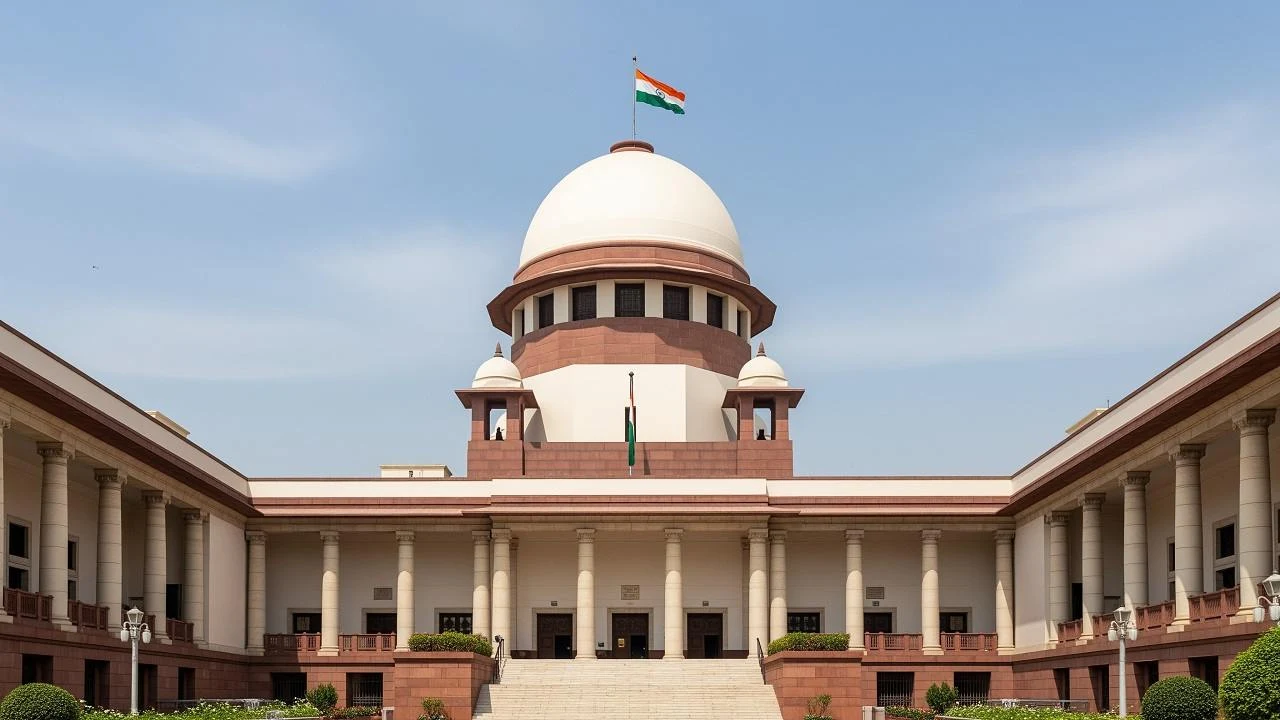
The Supreme Court of India has ruled that couples can bypass surrogacy age limits, safeguarding reproductive autonomy. The decision challenges inconsistent restrictions on intended parents, highlights constitutional rights, and provides relief to those affected by the Surrogacy (Regulation) Act, 2021, while prompting broader debates on reproductive equality in India.
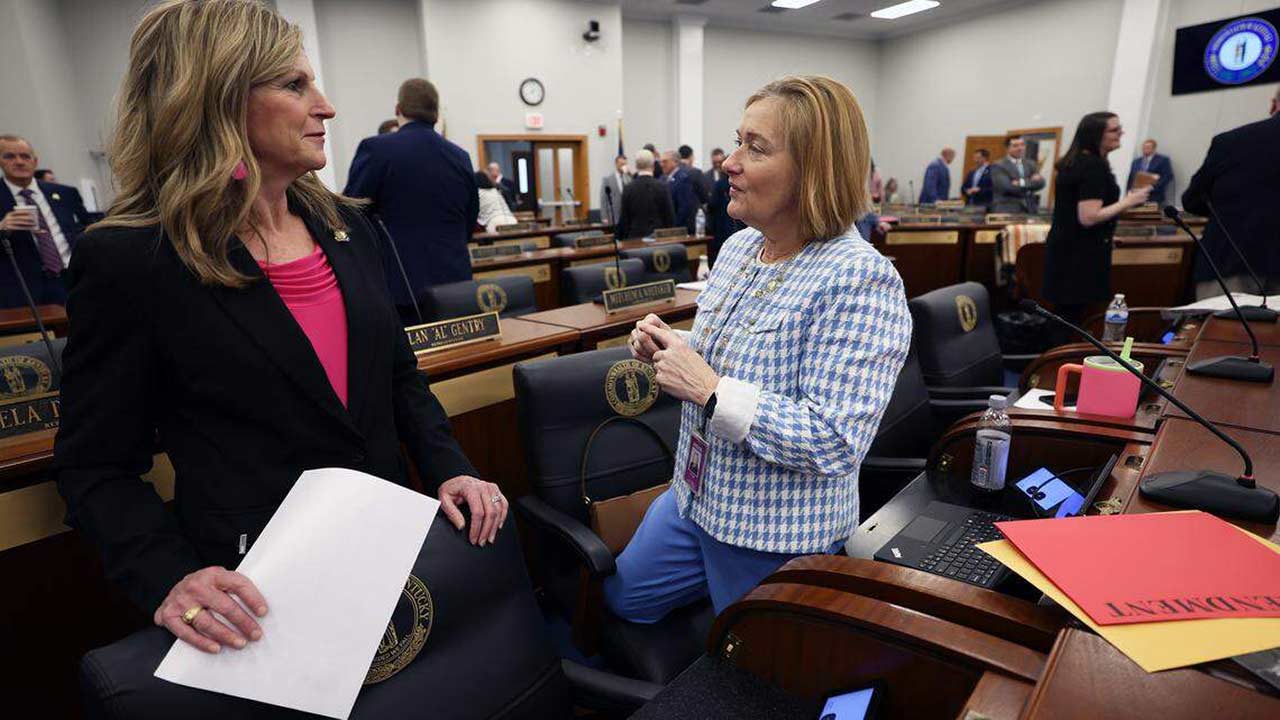
Kentucky bans commercial surrogacy under proposed House Bill 697, classifying compensated arrangements as felony offenses. The legislation targets agencies and organizers while permitting altruistic surrogacy limited to medical expense reimbursement. The move positions Kentucky among restrictive states amid a broader national divide over reproductive law policy.