Home
 NewsNews
CDT Equity Inc. (Nasdaq: CDT) has announced the Canadian patent grant for AZD5904 in male infertility, completing approval across all key pharmaceutical target markets. The milestone strengthens CDT's IP position for the AstraZeneca-licensed Myeloperoxidase inhibitor as the company advances active out-licensing and strategic partnering discussions for the asset.




CDT Equity Inc, on May 27 2026, has announced that Canada has granted the patent covering the use of AZD5904 in male infertility, bringing to completion the approval of this patent across all key pharmaceutical target markets worldwide. The announcement marks a significant milestone in the company's intellectual property strategy and sets the stage for what CDT describes as active and ongoing discussions around potential licensing and strategic partnering opportunities.
The Canadian grant is not an isolated event. It arrives as the culmination of a deliberate, multi-market IP consolidation effort, one that now positions CDT with both broad geographical patent coverage and a more recent composition of matter application, together forming what the company believes constitutes a robust and defensible foundation for the development of AZD5904 in male infertility.
AZD5904 is a potent inhibitor of human Myeloperoxidase, originally licensed from AstraZeneca. Its path into CDT's portfolio brought with it something rare in early-stage pharmaceutical development: an extensive pre-existing clinical safety dataset. Across five Phase 1 studies, a total of 181 subjects were dosed with AZD5904. The asset demonstrated a favourable safety profile, with no overtly drug-related adverse events identified, a level of human clinical validation that meaningfully reduces one of the most significant risks typically associated with assets at this stage of development.
Alongside that clinical record sits pre-clinical evidence supporting AZD5904's potential in idiopathic male infertility, as well as promising signals in related oncology-associated infertility markets. CDT has identified both indications as areas of significant unmet medical need and commercial opportunity, a view substantiated by the scale of the market itself.
Dr. Joanne Holland, Chief Scientific Officer of CDT, put the commercial and clinical picture plainly: "Globally, the male infertility market is estimated at approximately USD $4.4 billion annually, representing a significant area of unmet medical need with no approved drug therapies specifically addressing male infertility. The Canadian approval further strengthens the global positioning of AZD5904 as we continue advancing partnering and future development discussions."
That last point deserves emphasis. Despite the scale of the market and the prevalence of male infertility as a condition, there are currently no approved pharmacological treatments specifically targeting it. AZD5904 in male infertility, therefore, represents not merely an incremental advance but a potential entry into a therapeutic category that, to date, has remained without a dedicated drug therapy.
The Canadian grant completes what CDT began accelerating in May 2026, when it announced that AZD5904 had progressed into the Patent Cooperation Treaty (PCT) phase, the international mechanism that enables companies to pursue broader multi-jurisdictional patent protection through a single coordinated filing. That step had signalled CDT's intent to globalise its IP position around the asset in a structured and expansive way.
The company holds both a composition of matter patent and a method of use patent relating to AZD5904 in idiopathic male infertility. The composition of matter application, which is more recent, adds a layer of protection that complements the method of use patent across the markets where both are in force. Together, these patent forms represent comprehensive coverage of the asset not just the specific use case of treating male infertility, but the underlying chemical compound itself.
That dual-patent structure, now anchored by approvals across all key pharmaceutical markets, including Canada, provides the kind of IP depth that prospective licensing partners and strategic acquirers typically require before committing to downstream development.
CDT Equity Inc. is not a conventional drug developer. Originally established as Conduit Pharmaceuticals, the company has restructured itself into what it describes as a broader, more agile platform, one that leverages artificial intelligence, solid-form chemistry, and efficient asset repositioning to advance high-potential therapeutic candidates. Its stated model is built around licensing, strategic mergers and acquisitions, and positioning itself as a vehicle for transformative pharmaceutical innovation rather than pursuing late-stage clinical development independently.
In that context, the completion of global patent coverage for AZD5904 in male infertility is not simply an IP milestone — it is a direct enabler of the company's commercial strategy. With patent protection now in place across all key pharmaceutical target markets, CDT is actively seeking out-licensing and strategic partnering opportunities to advance AZD5904 into later-stage development. The asset's clinical safety credentials, combined with its now-complete global IP envelope, are designed to make it a compelling proposition for partners capable of carrying it through to regulatory submission and commercialisation.
Male infertility is estimated to contribute to approximately half of all infertility cases globally, yet it has long received a fraction of the research investment and pharmaceutical attention directed toward female reproductive health. The absence of any approved drug therapy specifically for male infertility is not a reflection of limited patient need, it is a gap that the scale of the market, valued at approximately USD $4.4 billion annually, makes increasingly difficult to ignore.
AZD5904's mechanism of action, inhibiting Myeloperoxidase, an enzyme implicated in oxidative stress pathways that can impair sperm function, addresses a biologically plausible and clinically relevant target. The pre-clinical data supporting this mechanism, combined with the human safety evidence accumulated across five Phase 1 studies, gives the asset a profile that distinguishes it from earlier-stage programmes where both mechanistic validation and human tolerability data remain outstanding.
For CDT, the Canadian patent grant is the final piece in a global IP picture that the company has been assembling with deliberate pace and geographical ambition. With that picture now complete, attention turns squarely to the partnering discussions already underway — and to the question of which organisation will ultimately carry AZD5904 in male infertility from its current position to the clinic.
CDT Equity Inc. is a data-driven biopharmaceutical development company focused on identifying, enhancing, and advancing high-potential therapeutic assets through scientific innovation and strategic partnerships. Originally established as Conduit Pharmaceuticals, the company has evolved into a broader, more agile platform that leverages artificial intelligence, solid-form chemistry, and efficient asset repositioning to accelerate the development of novel treatments. CDT is committed to creating shareholder value through licensing, strategic M&A, and positioning the company as a platform for transformative innovation.



Future Health, A Global Initiative by Abu Dhabi has launched the Future Health Digital Health Innovation Challenge 2026, inviting global innovators to develop AI, software, and connected technology solutions across fertility, population health, and well-being. Three finalists will share USD 105,000 at GITEX 2026, with selected solutions eligible for incubation and scale.
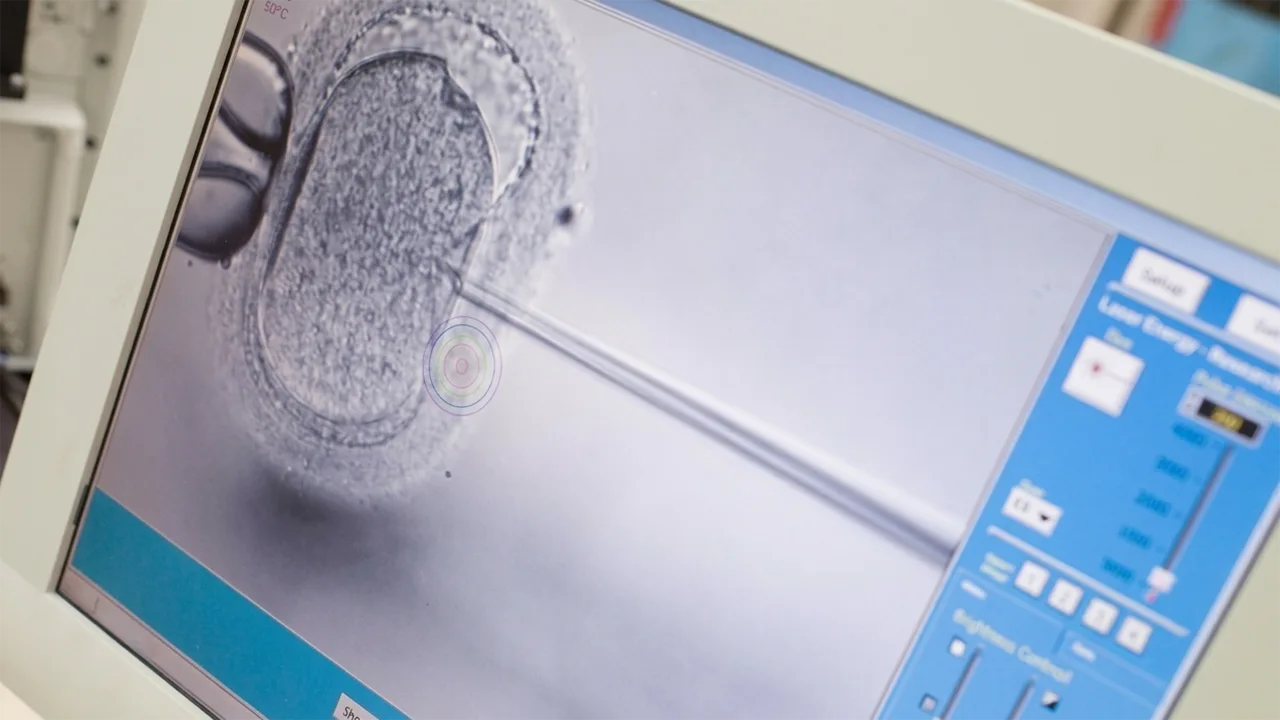
La Trobe University and GonGlobal have entered a strategic collaboration to develop and validate AI and digital twin technologies for ART and IVF. The partnership will build AI-driven fertility care tools, including cohort matching digital twins and deep-learning models, to predict pregnancy outcomes and support personalised clinical decision-making.

IVI Institute has announced the acquisition of The World Egg and Sperm Bank (TWESB), founded in 2004 and operating from Scottsdale, Arizona. The move expands access to reproductive solutions for patients and clinics across the United States and Australia, combining TWESB’s network of 500+ screened donors with IVI Institute’s global clinical and scientific infrastructure.

Doctors at NHS Lothian in Edinburgh have performed the UK’s first testicular tissue transplant, reimplanting tissue frozen before chemotherapy in a 19-year-old patient with a serious blood disorder. The testicular tissue transplant, only the second reported worldwide, could eventually give thousands of young boys a realistic path to future fatherhood.
Flora Fertility and Clue have announced the Flora Clue fertility partnership, connecting the first individually owned fertility insurance platform with the world’s leading women-led cycle tracking app. FLORA policyholders receive complimentary Clue Plus access, while Clue’s community of over 100 million members gains early exposure to proactive fertility financial planning.
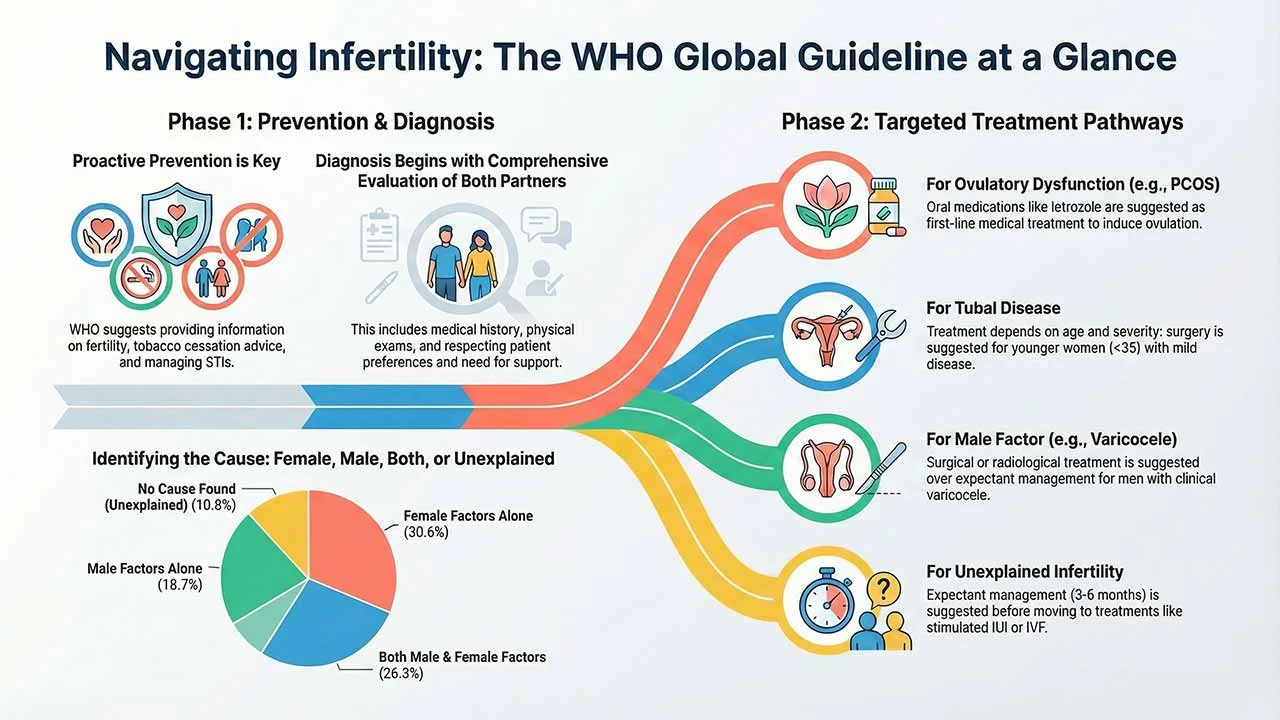
The World Health Organization releases its first comprehensive, evidence-based global guideline for infertility prevention, diagnosis, and treatment. Addressing one in six people of reproductive age worldwide, the guideline emphasizes equity, human rights, and standardized interventions to improve access to fertility care globally.

Gameto has secured $44 million in Series C funding to advance its stem cell-derived fertility therapy, Fertilo, into Phase 3 trials, marking a significant milestone in reproductive healthcare. This groundbreaking therapy uses induced pluripotent stem cell technology to mature eggs outside the body, significantly reducing hormonal stimulation and enhancing safety and efficacy in fertility treatments.