Home
 NewsNews
British Columbia's free IVF program exhausts 2025 funding within months of launch. At least one approved clinic stops accepting new applications. Applicants face aging-out risks and must wait until spring 2026 for next funding allocation.




British Columbia's government-funded in vitro fertilization (IVF) program, launched with significant provincial investment, has encountered a critical funding constraint that is restricting access for would-be parents seeking fertility treatment. Olive Fertility Centre in Vancouver, one of three clinics approved under the B.C. free IVF program, has depleted its allocated funding for 2025, forcing a halt to new patient applications until spring 2026.
The government committed $68 million over two years to provide one free round of IVF to eligible participants. Applicants must be 41 years old or younger, and approval is income-tested. Those who qualify receive up to $19,000 in coverage for one treatment cycle. According to Dr. Jason Hitkari, a fertility specialist at Olive Fertility Centre with nearly two decades of experience, demand began accelerating even before the official program launch. "The way the funding works is there is a tranche of funding available for the year, and then we go through the waitlist over time, and eventually that funding runs out. Yes, this year's allocation has been put to patients already, and they've been able to access it, and everyone else is waiting until next year's funding becomes available, which will be the spring of next year," he explained.
The strict age cap presents a particularly acute challenge for applicants approaching 41. "Patients who are on the cusp of starting to age out, they'll say, 'Just put my application in. Just make sure the government knows I'm here.' Unfortunately, the government won't let us put an application in for that patient unless there are funds available for them, and there aren't any available funds left this year," Hitkari stated. For patients in their late 30s and early 40s, where biological factors make delayed treatment less viable, the prospect of waiting until spring 2026 raises concerns about successful outcomes.
Hitkari noted the particular vulnerability of older applicants, "I see patients in my office that are struggling, and I totally feel their anxiety and stress around things like aging out. And there isn’t really a good solution except to put more funds into the program. Some people probably, biologically, wait a year or so, if you’re 25… but it’s those people in their late 30s or early 40s where time is of the essence. Advising them to hang out and wait to see what the funding is maybe not the wisest thing. There’s a lot of uncertainty."
Pacific Centre for Reproductive Medicine (PCRM), another approved provider, indicated it still has some remaining funding but has implemented a freeze on new patient additions. The clinic stated: "Our current wait list could exhaust the funding allocation. We don't want to add people to a wait list if funding is not available to them."
PCRM reported a 40 percent increase in referrals over the past 18 months, with the clinic operating near capacity since September 1st. When the program initially launched, the waitlist exceeded 1,000 patients. The current waitlist has been reduced to approximately 700 people, indicating that while allocations are being distributed, demand continues to significantly outpace available resources.
IVF advocate Penny Blesch, who underwent treatment previously, is calling for extended provincial funding and expanded program coverage. "It's all about time, and as time ticks away, so does your fertility. If they're not able to fund it themselves, then their likelihood of getting pregnant will diminish over time, so it's a really rough spot for many, many people," she said. Blesch highlighted critical gaps, including mental health support during treatment, and travel and accommodation assistance for patients outside the Lower Mainland, where egg retrieval procedures are only available in Vancouver and Victoria.
Applications remain open until the end of March 2026, with no indication from the Ministry of Health regarding program extension or expansion. The convergence of age restrictions, funding constraints, and geographic coverage limitations creates substantial barriers for eligible patients seeking to access B.C.'s free IVF program. As the application deadline approaches, the sustainability and accessibility of this publicly funded fertility initiative remain uncertain.



India's Central Drugs Standard Control Organisation has overhauled CDSCO IVF reagent sale norms, directing that all ART media, culture solutions, and reagents be supplied exclusively to clinics registered under the ART (Regulation) Act and Surrogacy (Regulation) Act. The move targets a growing unlicensed supply chain feeding an estimated 40–50% of India's 2,000-plus IVF centres.
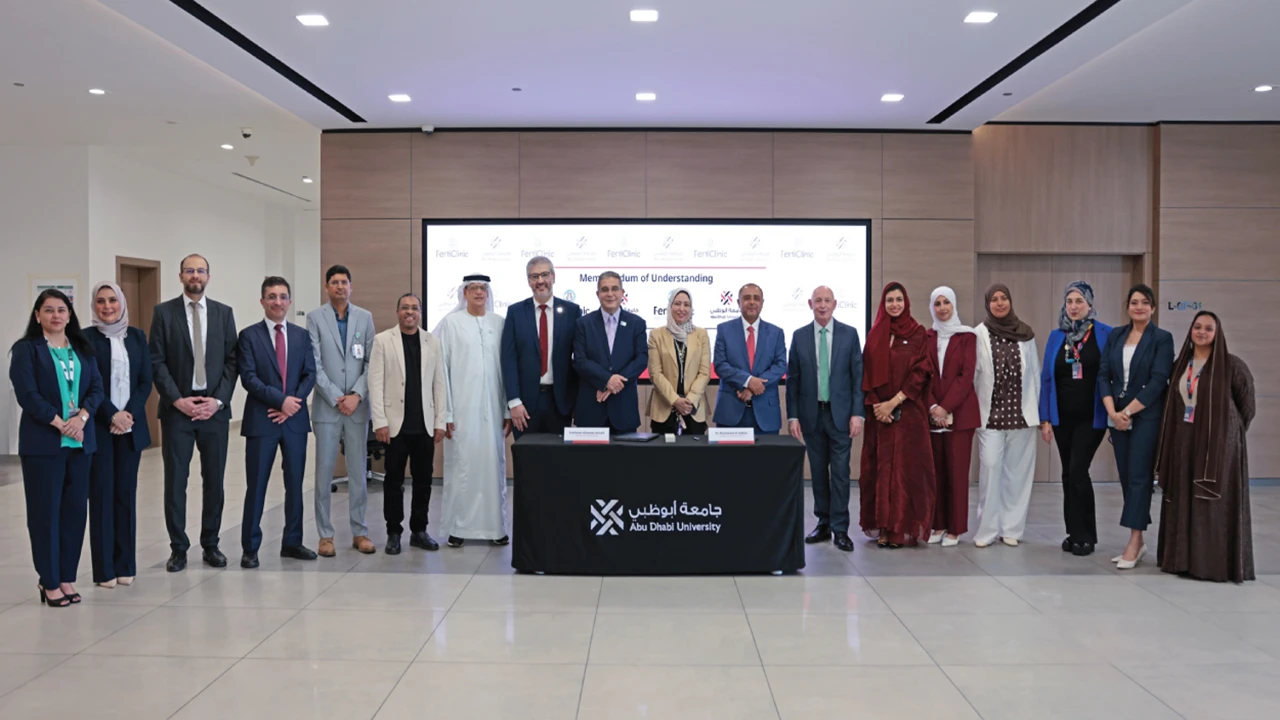
Abu Dhabi University and FertiClinic Group have joined forces to establish the FertiClinic Reproductive Research Lab, an advanced reproductive research lab in Abu Dhabi housing IVF, andrology, and cryopreservation facilities. The partnership supports UAE national priorities, bridges academic and clinical expertise, and advances fertility innovation across the region.
NHS Kent and Medway has overhauled its fertility funding policy in a move that sees NHS cuts IVF access for thousands of patients. Effective 1 April 2026, the eligible age ceiling drops from 40 to 38, funded cycles fall from two to one, and embryo transfers are capped at two.
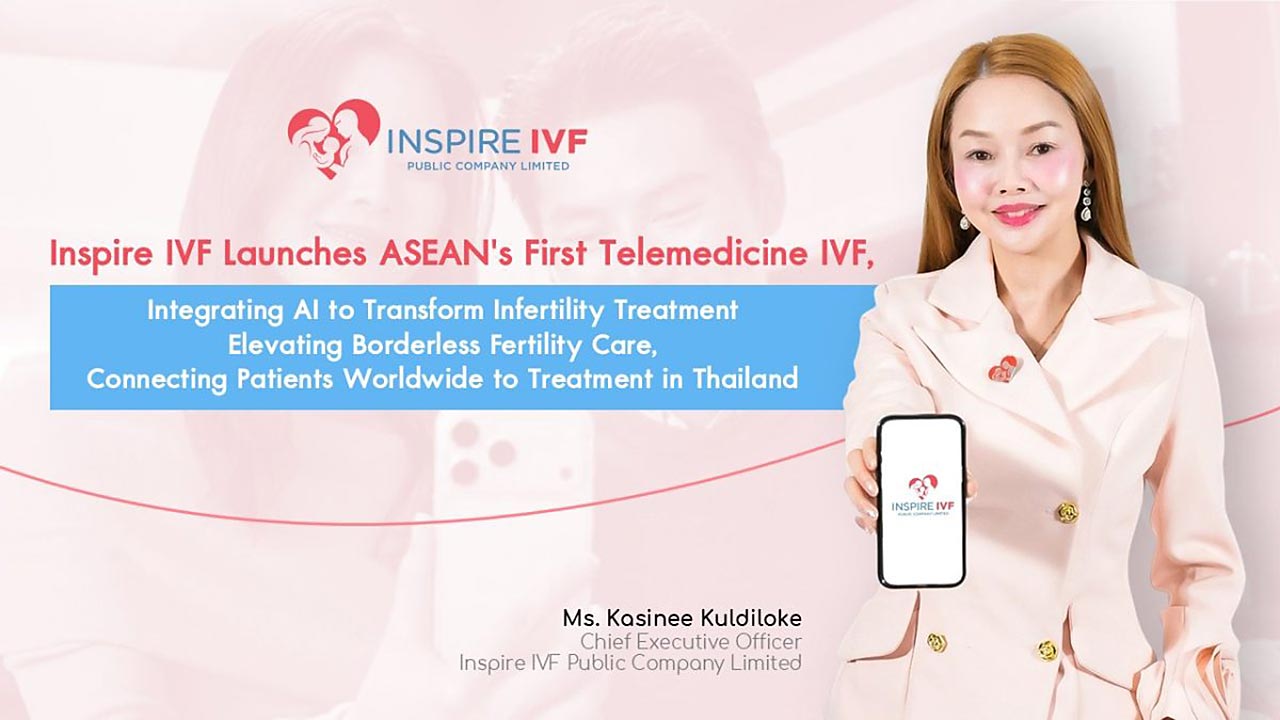
ASEAN's First Telemedicine IVF by Inspire IVF introduces a new era of remote fertility care. Combining AI technology with expert consultation, the platform enables global access, real-time monitoring, and personalised treatment planning, positioning Thailand as a leading hub for fertility services and advancing digital transformation in reproductive healthcare.
CSG.BIO has gone ahead with the acquisition of Hanabusa IVF, Asian Egg Bank, thereby making it a world leader in reproductive medicine and cutting-edge clinics with enhanced patient reach and advanced laboratory capabilities.
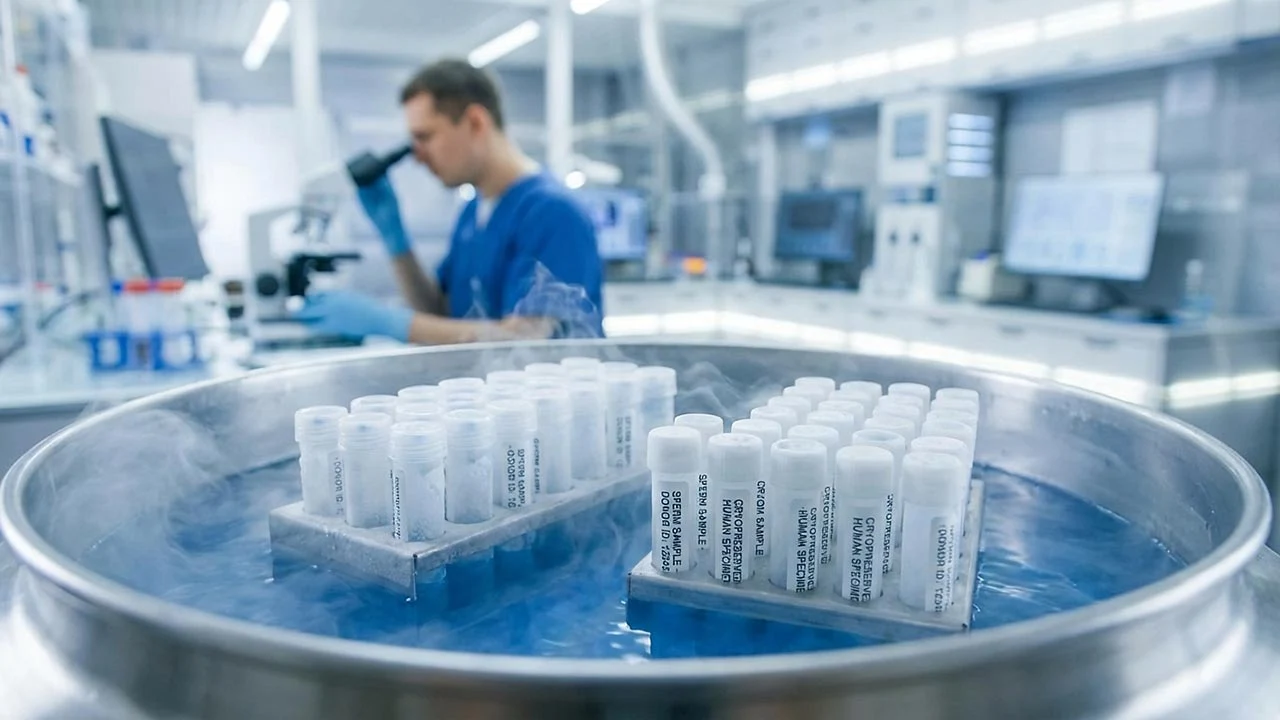
Wisconsin lawmakers from both parties are proposing bills to reduce IVF treatment costs. Republicans suggest a $5,000 tax credit for expenses, while Democrats want mandatory insurance coverage. With IVF cycles costing $20,000-$30,000 and 170,000 residents facing infertility, both parties seek affordable solutions through different approaches.
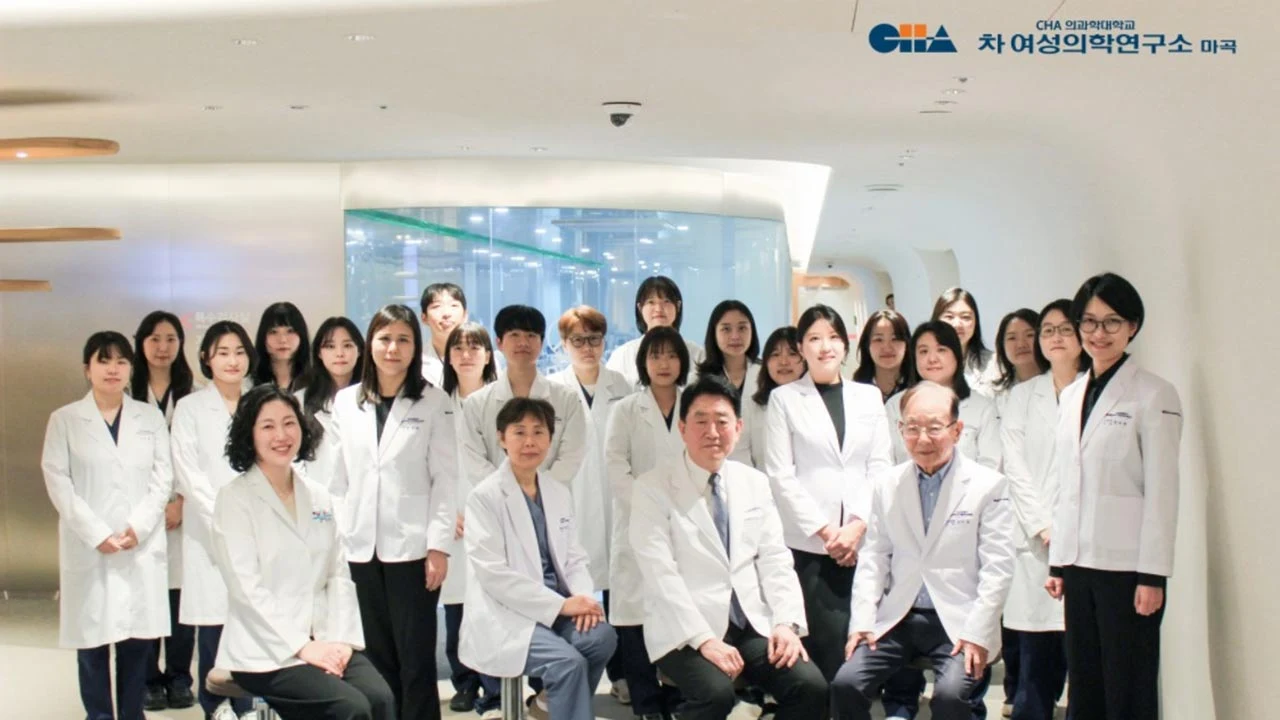
The AI-specialized Infertility Center, which is the largest in Asia, is open in Magok, Seoul and has begun its full-scale medical services from November 17 thereby marking the new era when it comes to fertility in the region.