Home
 NewsNews
A new Alabama bill seeks to protect access to IVF and contraceptives in Huntsville and statewide. Proposed by Rep. Marilyn Lands, the legislation aims to safeguard reproductive healthcare, prevent restrictions on federally approved treatments, and support both patients and providers amid ongoing legal and policy debates surrounding fertility and contraception access.



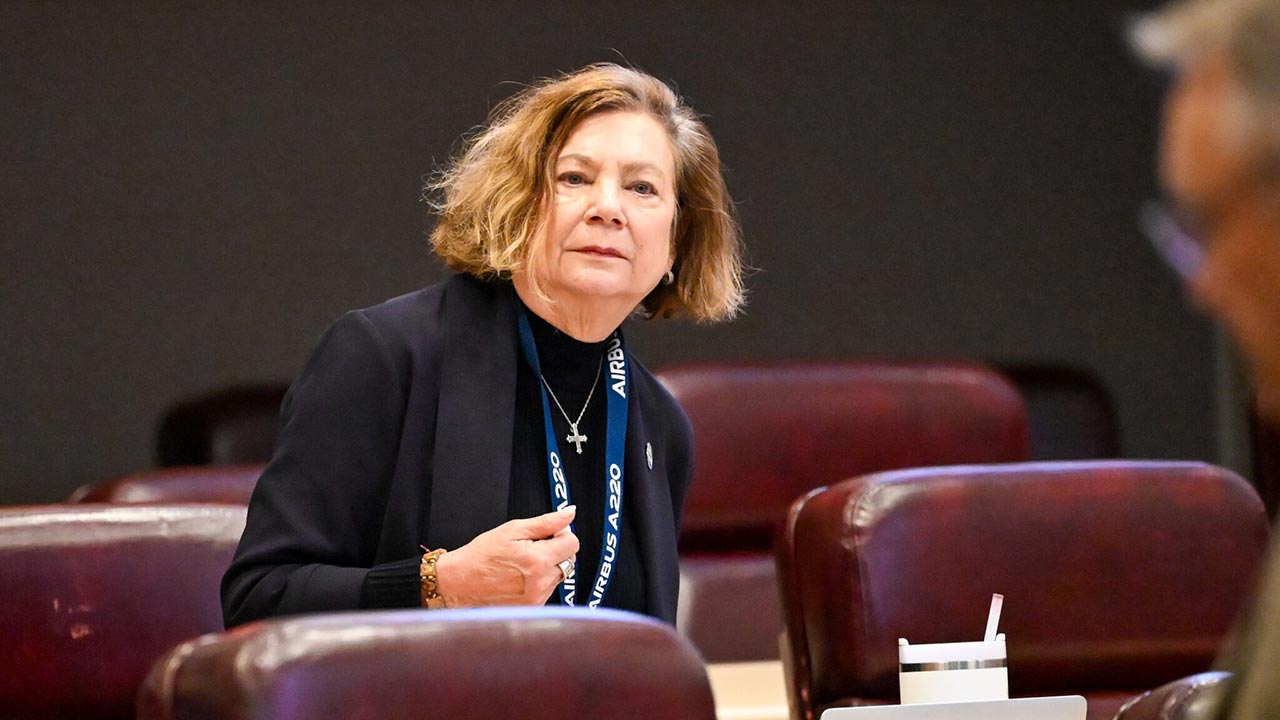
In a significant move for Alabama reproductive health policy, State Representative Marilyn Lands, D-Huntsville, has announced plans to file a late-session bill aimed at protecting essential medical services. This legislation is designed to provide long-term safeguards for access to IVF, contraceptives in Huntsville and across the state, ensuring that patients and providers remain protected under the law.
Rep. Lands, who secured her seat in the Alabama House of Representatives in 2024 after a campaign focused heavily on reproductive rights, modelled her proposal after a 2025 Tennessee law. That specific Tennessee legislation was sponsored by Republicans and focuses on protecting in-vitro fertilization (IVF) while providing a robust safeguard for birth control access. Regarding the bipartisan nature of such protections, Lands stated, "In some of the other states where it’s been moving, it’s been a Republican bill or has had very bipartisan support”. She emphasized that Alabama currently lacks clear protections, making this bill a necessary step to clarify the state's stance on reproductive freedom.
The proposed bill would prohibit the state from enacting laws that restrict the sale or use of any reproductive treatment or contraceptive approved by the federal government. Furthermore, it would prevent the state from interfering with healthcare providers who assist patients in obtaining these treatments. This legal push follows the 2024 Alabama Supreme Court ruling that declared frozen embryos are children, a decision that caused at least three clinics to halt treatments. While the legislature previously passed a law to protect clinics from civil or criminal liability, a promised commission to study the issue further was never established.
During a panel discussion on Wednesday, advocates highlighted the multifaceted importance of maintaining access to IVF, contraceptives in Huntsville. Tabitha Isner, vice chair of the Alabama Democratic Party, noted that contraception is often viewed through a narrow lens, rather than as a vital tool for women’s healthcare. She explained, “You might hear contraception and think only about sex, not hear contraception and think about health care for young women who are having particularly difficult times with their periods." Medical data from the Mayo Clinic supports this, noting that hormonal birth control is used to treat acne, polycystic ovarian syndrome (PCOS), and endometriosis, while also reducing the risk of certain cancers.
Advocates also warned against misinformation and pending "sexual risk avoidance" legislation that could replace comprehensive sex education. Shante Wolfe of WAWC Health Care argued that abstinence-only education creates a stigma that discourages people from seeking help, potentially leading to riskier behaviours in the community. Isner further suggested that improved contraceptive access would likely lead to lower teen pregnancy rates and boosted economic development as more companies look to invest in the state.
Despite having only six days left in the 2026 legislative session, Rep. Lands remains committed to the effort to secure access to IVF, contraceptives in Huntsville. While the Republican majority is not expected to prioritise the bill, Lands views it as a vital "opportunity to move Alabama forward" through bipartisan dialogue.



India's Central Drugs Standard Control Organisation has overhauled CDSCO IVF reagent sale norms, directing that all ART media, culture solutions, and reagents be supplied exclusively to clinics registered under the ART (Regulation) Act and Surrogacy (Regulation) Act. The move targets a growing unlicensed supply chain feeding an estimated 40–50% of India's 2,000-plus IVF centres.
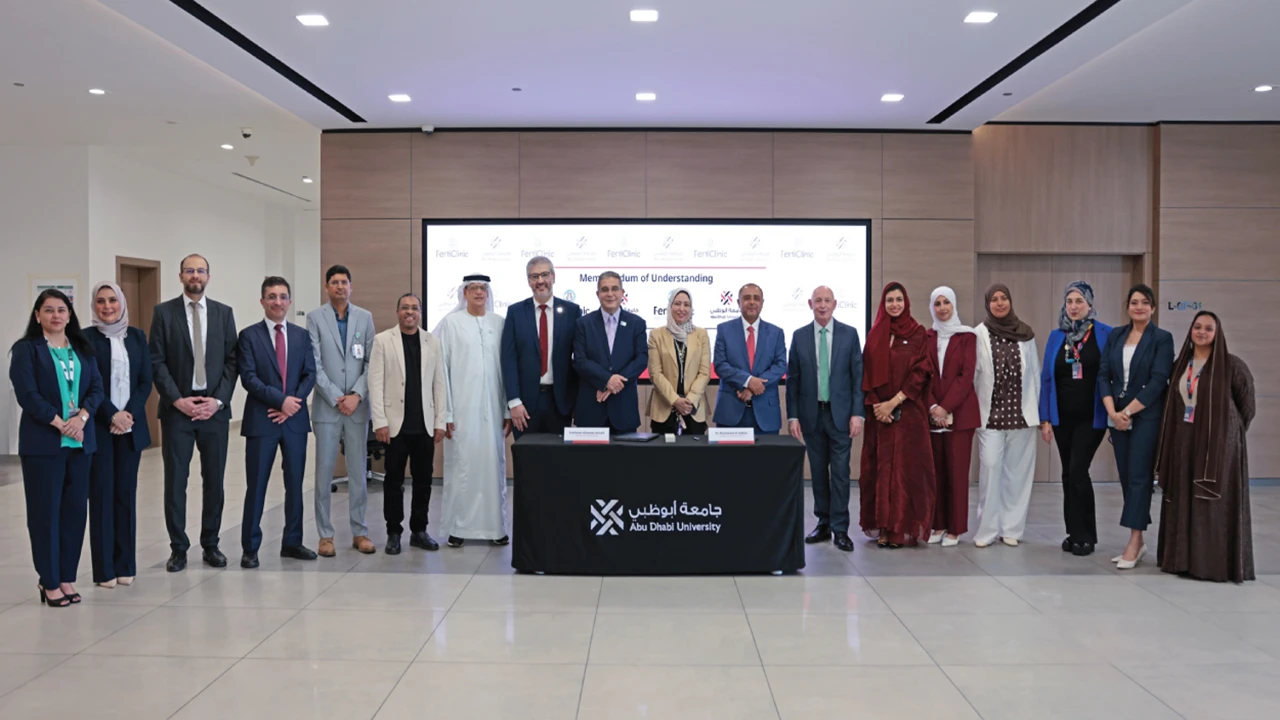
Abu Dhabi University and FertiClinic Group have joined forces to establish the FertiClinic Reproductive Research Lab, an advanced reproductive research lab in Abu Dhabi housing IVF, andrology, and cryopreservation facilities. The partnership supports UAE national priorities, bridges academic and clinical expertise, and advances fertility innovation across the region.

NHS Kent and Medway has overhauled its fertility funding policy in a move that sees NHS cuts IVF access for thousands of patients. Effective 1 April 2026, the eligible age ceiling drops from 40 to 38, funded cycles fall from two to one, and embryo transfers are capped at two.
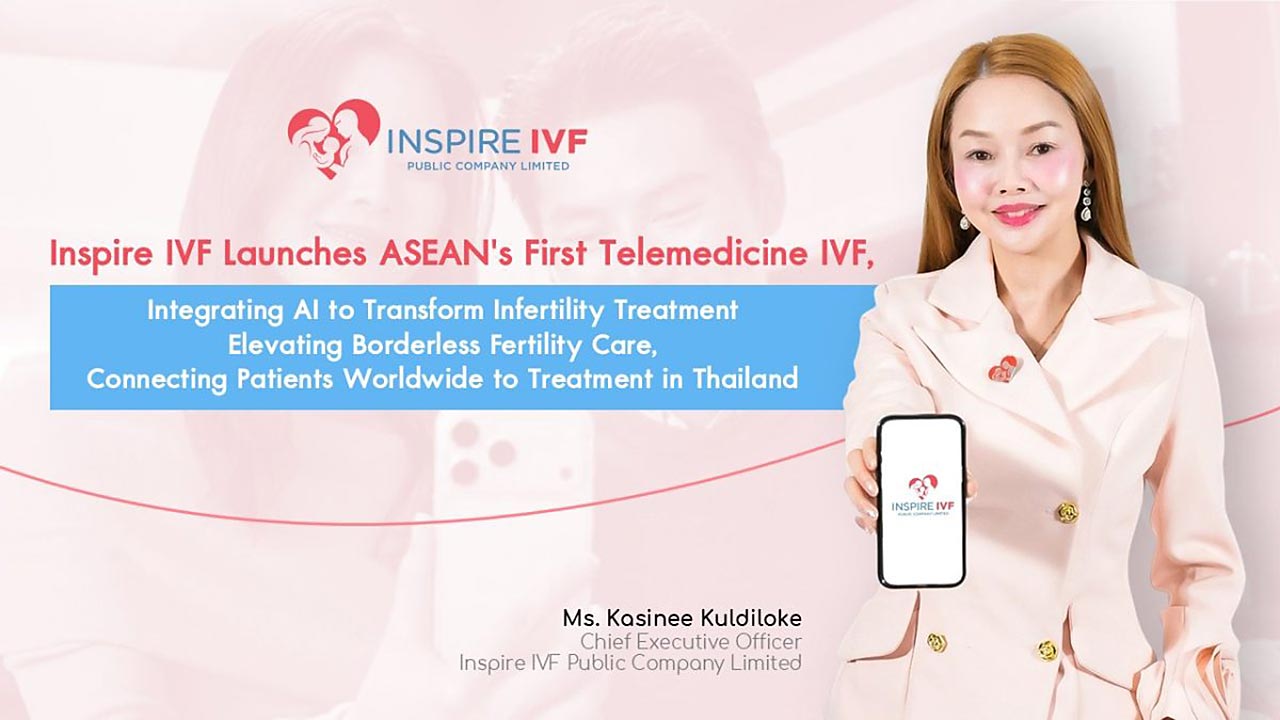
ASEAN's First Telemedicine IVF by Inspire IVF introduces a new era of remote fertility care. Combining AI technology with expert consultation, the platform enables global access, real-time monitoring, and personalised treatment planning, positioning Thailand as a leading hub for fertility services and advancing digital transformation in reproductive healthcare.
CSG.BIO has gone ahead with the acquisition of Hanabusa IVF, Asian Egg Bank, thereby making it a world leader in reproductive medicine and cutting-edge clinics with enhanced patient reach and advanced laboratory capabilities.
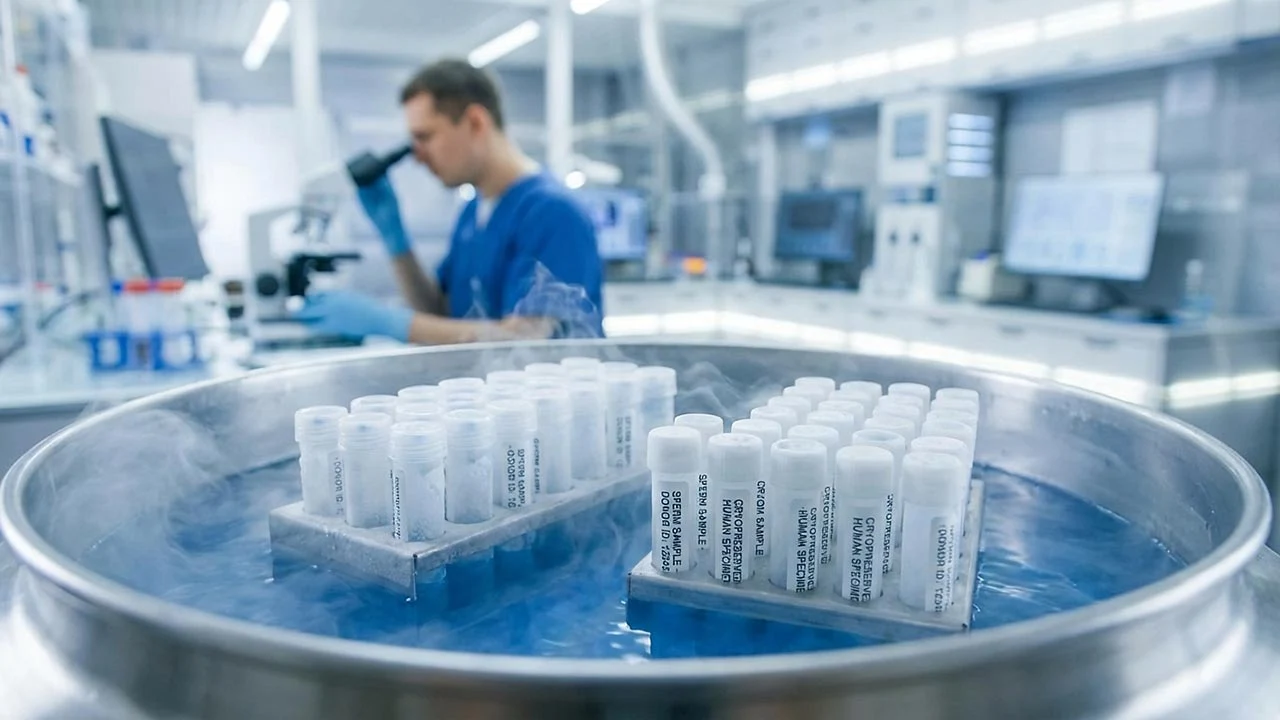
Wisconsin lawmakers from both parties are proposing bills to reduce IVF treatment costs. Republicans suggest a $5,000 tax credit for expenses, while Democrats want mandatory insurance coverage. With IVF cycles costing $20,000-$30,000 and 170,000 residents facing infertility, both parties seek affordable solutions through different approaches.
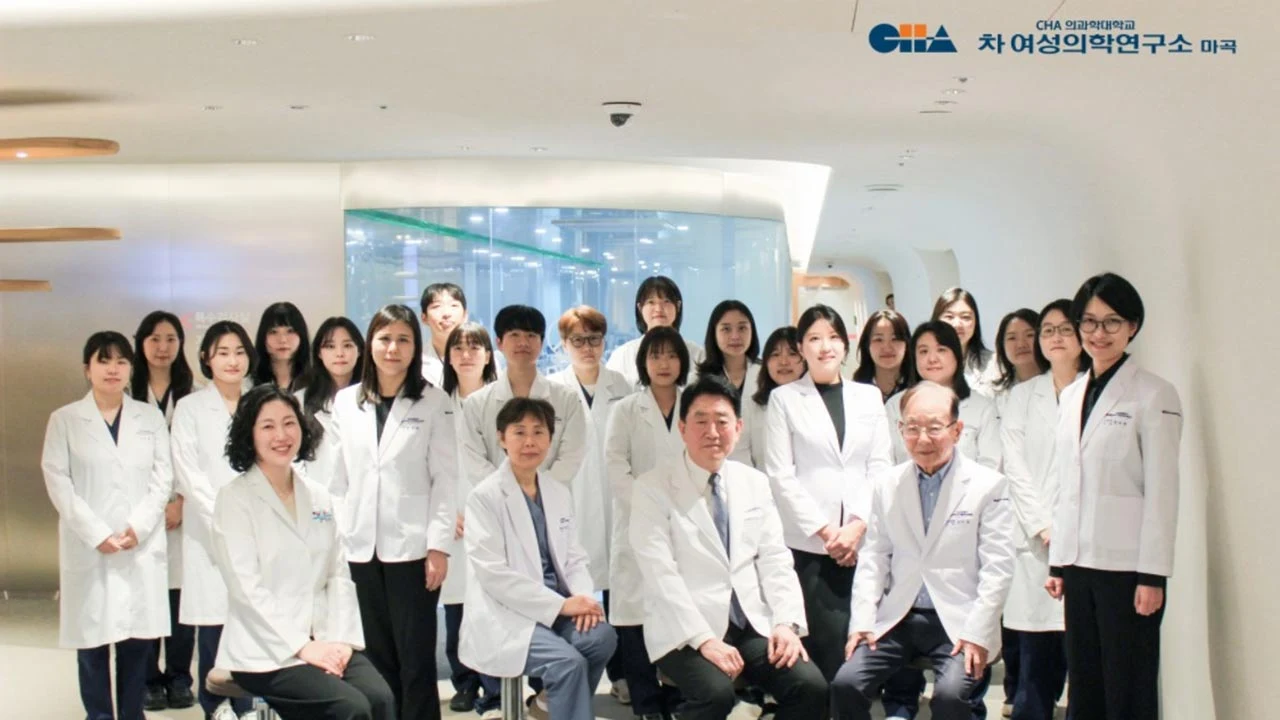
The AI-specialized Infertility Center, which is the largest in Asia, is open in Magok, Seoul and has begun its full-scale medical services from November 17 thereby marking the new era when it comes to fertility in the region.