Home
 NewsNews
BGI Genomics, a Chinese biotechnology company is working on AI-Powered Chromosome Screening Tools so as to accelerate and enhance IVF treatments in China, aiming to reduce genetic abnormalities and increase live birth outcomes.




A Chinese biotech company is working harder to combine AI with advanced genetic testing to make in vitro fertilization - IVF more successful. They are also trying to meet the growing demand for fertility services. The move comes at a time when China's birth rate crisis is getting worse. BGI Genomics says it is working on AI-powered chromosome screening tools that will speed up, improve, and even go on to make IVF treatments more effective. The technology looks at embryos before they are implanted to help doctors choose the ones that are most likely to lead to a healthy pregnancy.
In short, the system makes use of AI to look for problems with chromosomes in embryos. People usually have 23 pairs of chromosomes. If there is an imbalance, like missing or extra chromosomes, it can cause IVF to fail, a miscarriage, or genetic disorders. Preimplantation genetic testing is the name for this kind of testing, and it usually needs skilled professionals and can take a while to understand. AI can give results faster and more consistently by automating a lot of the analysis.
The company says that its AI models are trained on huge sets of genetic data, which lets them find patterns that are hard for people to see. This means that clinics can make decisions about which embryos to implant more quickly. This could shorten treatment cycles and lessen the emotional and financial burden on patients who often have to go through multiple IVF attempts. Dipping birth rates the change comes as the fertility industry in China is getting more attention because birth rates are dropping quickly. The number of babies born in China has dropped to record lows in the last few years. This has raised worries about long-term economic growth and an ageing population.
Even though the government has relaxed its long-standing family planning rules, such as letting families have more children, many couples still don't want to start or grow their families because of high living costs, work pressures, and changing social attitudes. Because of this, more people are using assisted reproductive technologies like IVF. Demand has been steadily rising, especially among older couples who may have more trouble getting pregnant. This has led to a quickly growing market for fertility clinics and related services, where success rates and efficiency are important competitive factors.
Companies like BGI Genomics want to improve the success rates of chromosome testing while also growing their businesses by using AI in the process. Clinics can see more patients when tests are done faster, and higher success rates can help them get new clients and improve their reputation. These things could all work together to greatly increase sales in an industry that is becoming increasingly commercialised.
At the same time, using AI in such sensitive areas raises important ethical and legal issues. Genetic data is very private, and experts say that strong protections are needed so as to keep patients' information safe and ensure the technology isn't used for wrongdoings. There are also bigger questions about how far embryo selection should go and where the line should be drawn between medical need and personal choice.
In recent years, the Chinese government has been increasing its oversight of the fertility industry in order to find a balance between new ideas and moral standards. As AI-powered tools become more common, regulators will have to do more to make sure that patients are safe and set rules for how to use them.
Experts say that the use of AI in reproductive medicine could change the way fertility treatment is done in China and around the world. If it works, the technology could make IVF easier to get, cut down on the number of times it has to be done, and help millions of families have better results.
China has a lot to lose. Technological advances alone probably won't bring the country's declining birth rate back up, but they might help with some of the medical problems that make it hard to have children. In that sense, new technologies like AI-powered chromosome screening tools are becoming one small but important part of a much bigger problem with demographics.



Pulsenmore has completed MHRA registration of Pulsenmore FC, entering the UK fertility market with its patient-operated home ultrasound system for follicular and endometrial monitoring during IVF and fertility preservation treatments. The move follows CE European registration and targets a UK market where over 100,000 fertility treatment cycles were performed in 2024.
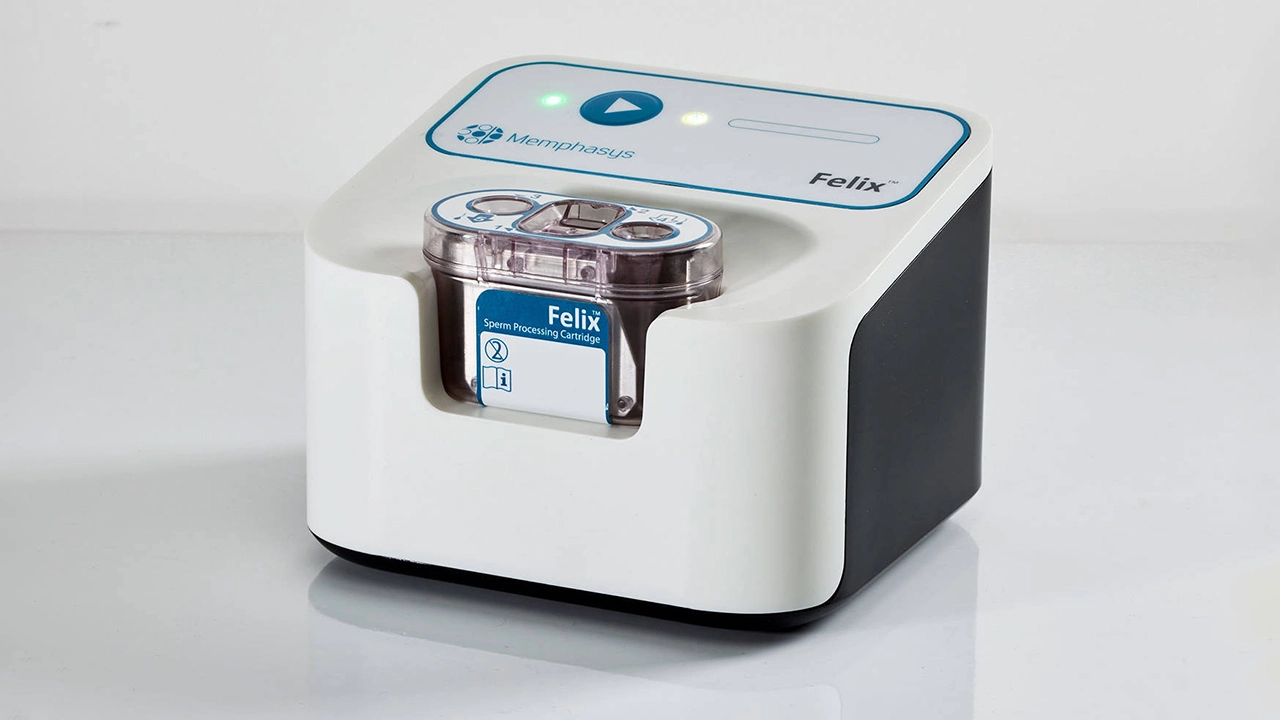
Memphasys has confirmed a Felix System Nordic expansion into Denmark, Sweden, Norway, Finland, and Iceland through an exclusive agreement with fertility-technology distributor NOVIVITAE ApS. The deal carries minimum contracted purchases of €526,500 across three years, with an initial order of €20,625 and three Felix™ consoles to be supplied in the September 2026 quarter.

India's Central Drugs Standard Control Organisation has overhauled CDSCO IVF reagent sale norms, directing that all ART media, culture solutions, and reagents be supplied exclusively to clinics registered under the ART (Regulation) Act and Surrogacy (Regulation) Act. The move targets a growing unlicensed supply chain feeding an estimated 40–50% of India's 2,000-plus IVF centres.

Abu Dhabi University and FertiClinic Group have joined forces to establish the FertiClinic Reproductive Research Lab, an advanced reproductive research lab in Abu Dhabi housing IVF, andrology, and cryopreservation facilities. The partnership supports UAE national priorities, bridges academic and clinical expertise, and advances fertility innovation across the region.

NHS Kent and Medway has overhauled its fertility funding policy in a move that sees NHS cuts IVF access for thousands of patients. Effective 1 April 2026, the eligible age ceiling drops from 40 to 38, funded cycles fall from two to one, and embryo transfers are capped at two.
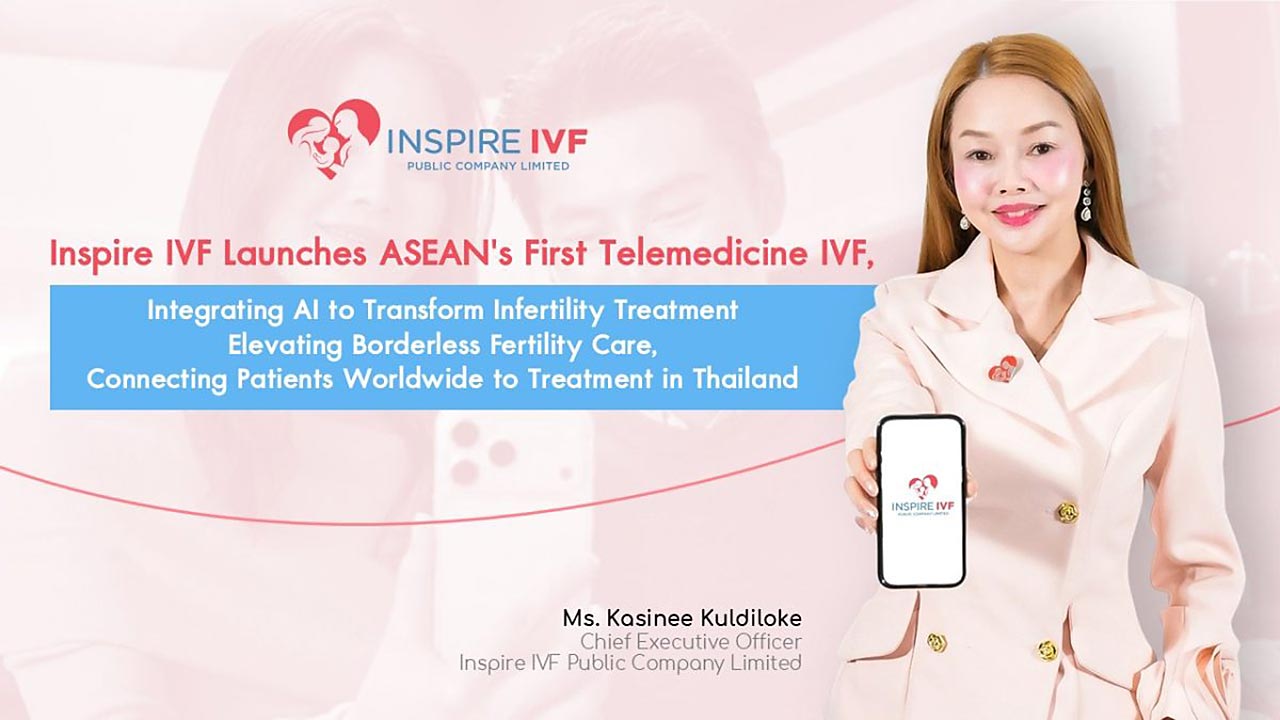
ASEAN's First Telemedicine IVF by Inspire IVF introduces a new era of remote fertility care. Combining AI technology with expert consultation, the platform enables global access, real-time monitoring, and personalised treatment planning, positioning Thailand as a leading hub for fertility services and advancing digital transformation in reproductive healthcare.
CSG.BIO has gone ahead with the acquisition of Hanabusa IVF, Asian Egg Bank, thereby making it a world leader in reproductive medicine and cutting-edge clinics with enhanced patient reach and advanced laboratory capabilities.

