Home
 NewsNews
The Nanobiosystems group at CIC nanoGUNE is developing Non-Invasive Robotic Catheters designed for applications in reproductive medicine and gynecological health.



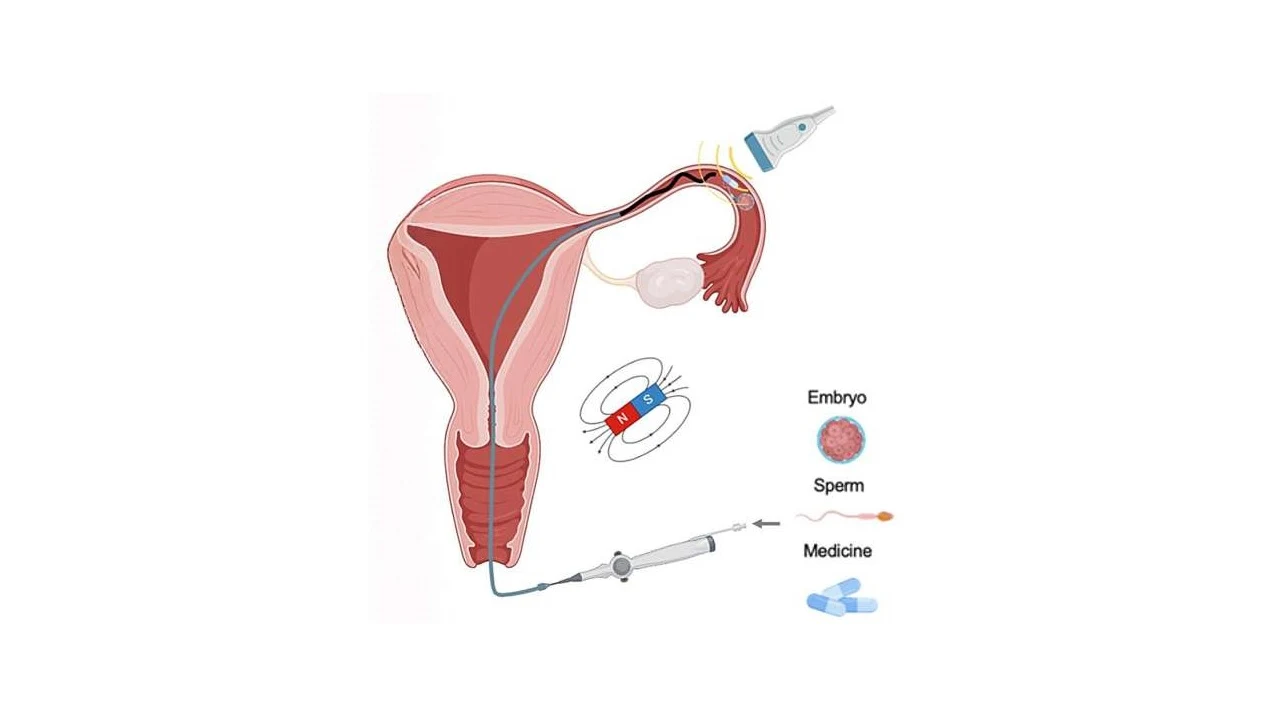
A new international study, which has been led by the Nanobiosystems group at CIC nanoGUNE, is going ahead and developing miniature, precise, and non-invasive robotic catheters for use in reproductive medicine as well as gynecological health. The research, which had been published in Advanced Materials, has indeed the potential so as to enhance the infertility treatments, for instance, and help with a highly localized release when it comes to drugs and cells.
It is worth noting that minimally invasive therapies need exact navigation by way of complex and delicate anatomical pathways, therefore necessitating the medical tools that are small and flexible as well as highly maneuverable. This study goes on to present a high-yield fabrication method so as to produce magnetic miniature robotic catheters, thereby helping them to function across microenvironments that are diverse for precision medicine.
As per the leader of the Nanobiosystems group at nanoGUNE, Dr. Medina-Sánchez, the catheter is manufactured by way of using a scalable method, which goes on to incorporate the magnetic particles in elastomeric material matrices.
These composites get programmed in order to respond to the external magnetic fields, and every particle goes on to maintain a specific magnetic moment, which goes on to define its behavior. This helps with smooth and controlled movement, which is quite similar to the undulations of a flagellum, that facilitates navigation by way of narrow as well as intricate channels within the human body without going ahead and applying forces, which could also damage the tissue.
Unlike the traditional mechanical thrust, which can also go ahead and generate high forces along with the risk of perforation, this system apparently decreases the force that is applied to tissues.
According to Medina-Sánchez, the device has gone on to prove its effectiveness when it comes to releasing sperm directly in the fallopian tubes, along with the precise release of embryos in 2D as well as 3D models, which includes materials with compliance that are pretty much similar to the living tissue and with real ex vivo tissue lining. It has also been tested within the 3D anatomical models, which are based on X-ray tomography images. This indeed holds a promise for increasing the chances in terms of success in cases pertaining to infertility as well as recurrent pregnancy loss.
The fact is that these methods and devices, safeguarded by a patent application as well as one of nanoGUNE's industrial property assets, go on to establish a robust foundation when it comes to biological as well as clinically relevant studies.This indeed paves the way for the translational application of the platform when it comes to precision medicine, especially in reproductive medicine, having the potential for expansion within other biomedical fields.



Pulsenmore has completed MHRA registration of Pulsenmore FC, entering the UK fertility market with its patient-operated home ultrasound system for follicular and endometrial monitoring during IVF and fertility preservation treatments. The move follows CE European registration and targets a UK market where over 100,000 fertility treatment cycles were performed in 2024.
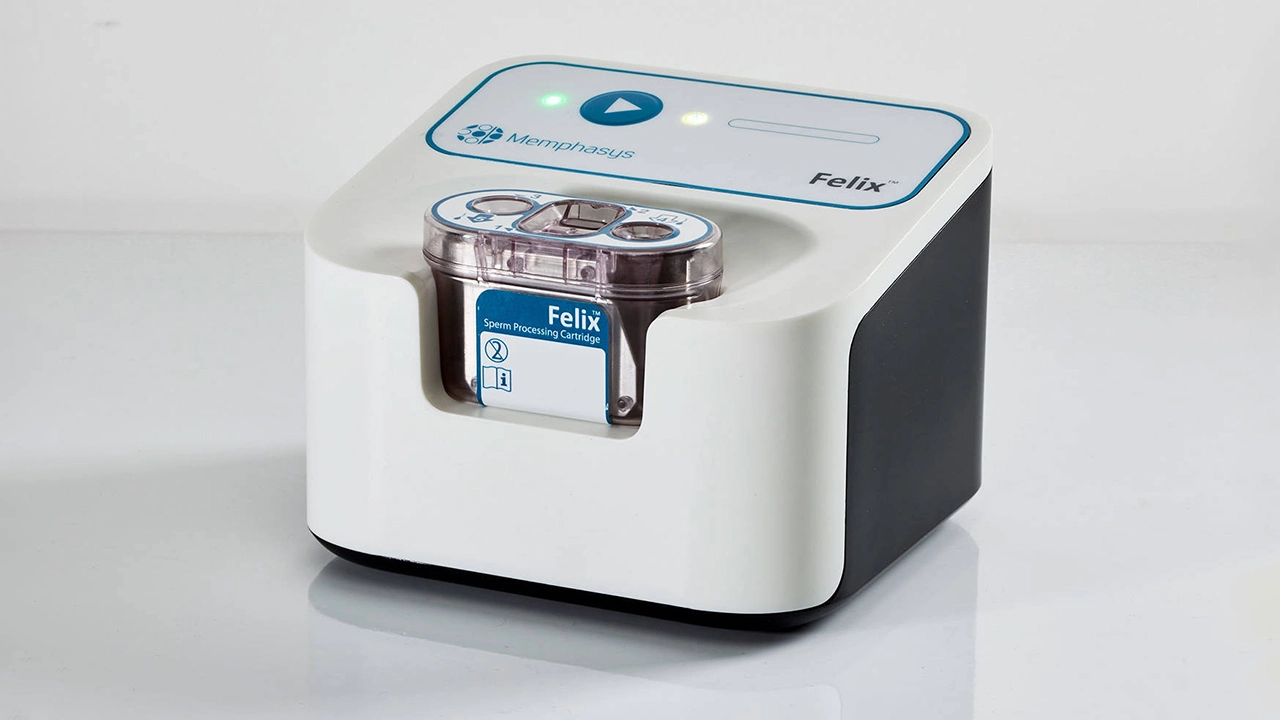
Memphasys has confirmed a Felix System Nordic expansion into Denmark, Sweden, Norway, Finland, and Iceland through an exclusive agreement with fertility-technology distributor NOVIVITAE ApS. The deal carries minimum contracted purchases of €526,500 across three years, with an initial order of €20,625 and three Felix™ consoles to be supplied in the September 2026 quarter.

India's Central Drugs Standard Control Organisation has overhauled CDSCO IVF reagent sale norms, directing that all ART media, culture solutions, and reagents be supplied exclusively to clinics registered under the ART (Regulation) Act and Surrogacy (Regulation) Act. The move targets a growing unlicensed supply chain feeding an estimated 40–50% of India's 2,000-plus IVF centres.

Abu Dhabi University and FertiClinic Group have joined forces to establish the FertiClinic Reproductive Research Lab, an advanced reproductive research lab in Abu Dhabi housing IVF, andrology, and cryopreservation facilities. The partnership supports UAE national priorities, bridges academic and clinical expertise, and advances fertility innovation across the region.

NHS Kent and Medway has overhauled its fertility funding policy in a move that sees NHS cuts IVF access for thousands of patients. Effective 1 April 2026, the eligible age ceiling drops from 40 to 38, funded cycles fall from two to one, and embryo transfers are capped at two.
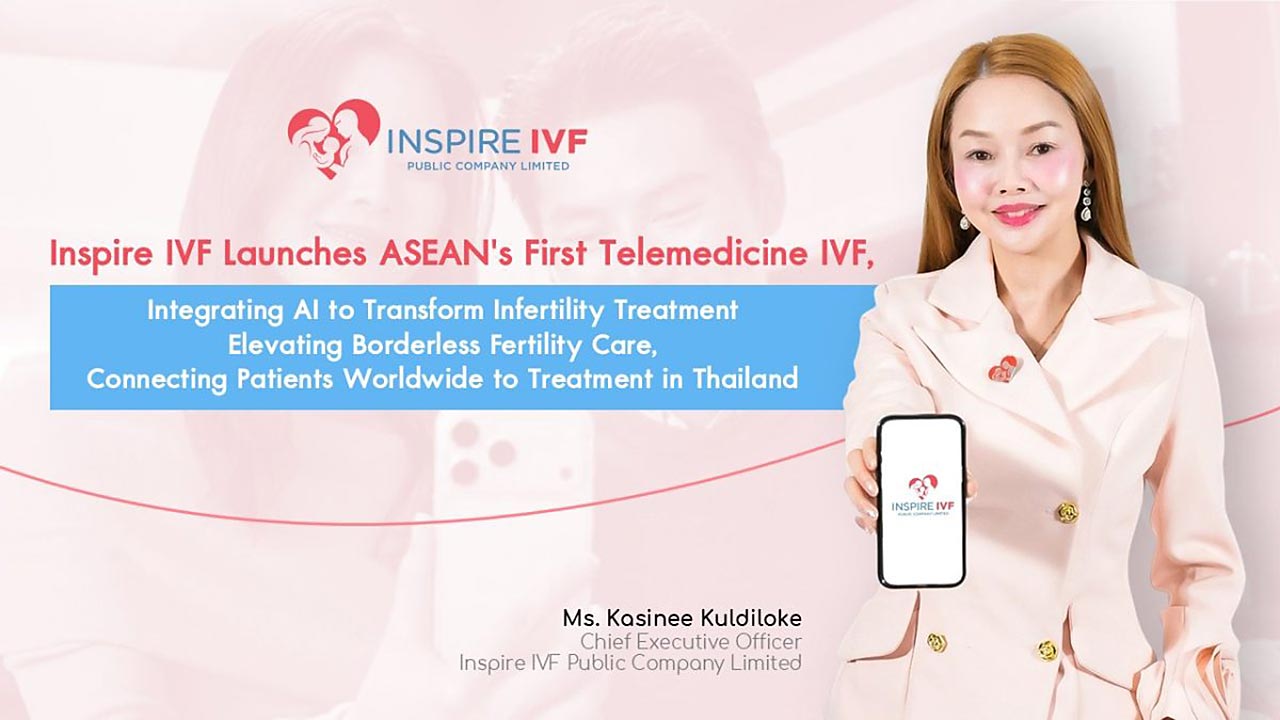
ASEAN's First Telemedicine IVF by Inspire IVF introduces a new era of remote fertility care. Combining AI technology with expert consultation, the platform enables global access, real-time monitoring, and personalised treatment planning, positioning Thailand as a leading hub for fertility services and advancing digital transformation in reproductive healthcare.

CSG.BIO has gone ahead with the acquisition of Hanabusa IVF, Asian Egg Bank, thereby making it a world leader in reproductive medicine and cutting-edge clinics with enhanced patient reach and advanced laboratory capabilities.