Home
 NewsNews
China sees a rise in advanced maternal age In Vitro Fertilization, driven by BaseCare Medical’s AI undisturbed culture system that improves embryo quality and clinical pregnancy rates, especially with PGT. Localized AI-assisted solutions position BaseCare as a leader in smart, precision reproduction technology for older IVF patients.



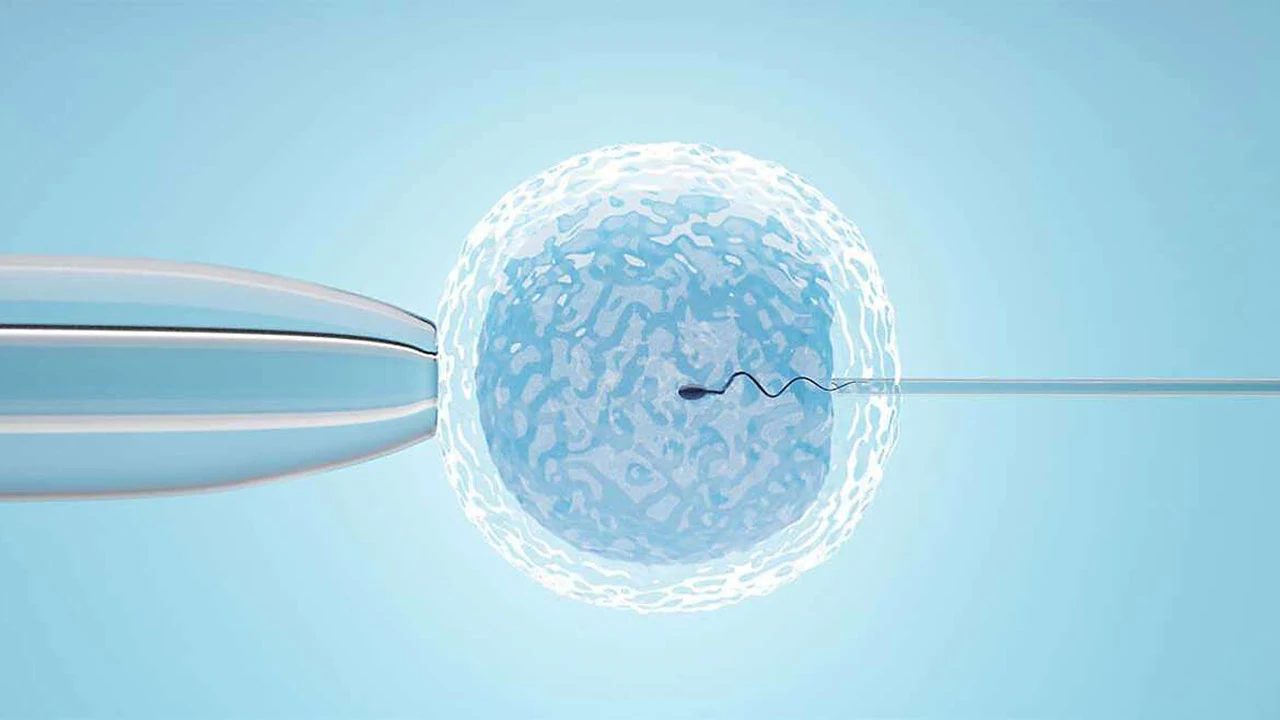
China’s IVF landscape is rapidly reshaping as the average treatment age for women undergoing IVF climbs to 33.6 years, driving a sharp rise in advanced maternal age IVF and the need for more precise, technology‑driven solutions. Against this backdrop, Suzhou‑based BaseCare Medical (B(2170.HK)) is emerging as a central player with an AI‑enabled “undisturbed culture” platform designed to improve embryo quality and outcomes for older patients.
At the 18th Annual Conference of the Chinese Society of Reproductive Medicine (CSRM2025), data showed that PGT achieved a 2021 clinical pregnancy rate of 60.2%, significantly higher than conventional IVF (41.6%) and ICSI (47.4%), underscoring its value in mitigating age‑related chromosomal abnormalities. As the age of childbirth increases, demand for advanced maternal age IVF and PGT is expected to expand, particularly among patients seeking higher live birth rates and reduced genetic risk.

BaseCare Medical has globally launched its integrated “GERI + GEMS + AI” fully undisturbed culture system, which combines the GERI time‑lapse incubator, one‑step GEMS culture media and the AI Toolbox embryo evaluation system. The platform provides each embryo with independent gas, humidity, temperature and imaging control, enabling continuous, undisturbed monitoring from fertilization to blastocyst stage.
Clinical data from Spain’s IVIRMA Group show that the undisturbed culture system increased blastocyst formation rate by 5%, clinical pregnancy rate by 16.4% and first‑transfer live birth rate by 5.8%. In advanced maternal age IVF cases (≥38 years) at Sydney IVF, Day 5 blastocyst formation rose by 12%, high‑quality blastocyst rate by 8.5% and embryo utilization by 10.2%, highlighting dual gains in embryo quality and pregnancy outcomes for older women.
GERI is the first domestically developed time‑lapse incubator in China and the world’s first humidified time‑lapse incubator, jointly developed by BaseCare Medical and Merck. Its humidified design stabilizes osmotic pressure and is particularly advantageous in dry regions, creating a “quiet, stable development capsule” that aligns well with the needs of advanced maternal age IVF patients.
The GEMS culture media system, originating from the Sydney IVF Centre with a 30‑year history, holds FDA, TGA and CE certifications and is now being localized for Chinese production. VitBase embryo handling medium has already obtained China’s NMPA registration, becoming the first domestically developed embryo culture medium with overseas registrations and representing a “zero to one” breakthrough in this segment.
The Eeva embryo developmental potential assessment tool integrated into GERI is the world’s first AI embryo evaluation system with both FDA and CE certifications, supported by more than 100,000 clinical embryo assessments. Building on this, BaseCare’s next‑generation AI Toolbox embryo evaluation system uses deep learning on time‑lapse images to increase the efficiency of selecting high‑quality embryos by 40% and predict implantation potential non‑invasively.
By pairing AI analysis with the undisturbed culture environment, the system reduces manual intervention and makes embryo selection more precise and “gentle,” a critical factor when handling embryos in advanced maternal age IVF cycles. This fully integrated approach supports a shift from simple laboratory hardware provision toward an intelligent assisted reproduction ecosystem.
China’s assisted reproductive technology (ART) cycles grew from 223,700 in 2009 to 1,413,900 in 2023, with the current cycle volume already around three times that of the United States. Yet only 129 of 473 IVF institutions offer PGT, representing 27.3% penetration and leaving a clear supply gap in services for patients, including those pursuing advanced maternal age IVF.
BaseCare Medical has deployed over 60 localized laboratories in major reproductive centers, covering more than 80% of China’s 129 third‑generation IVF‑qualified institutions and reinforcing its role in PGT and precision reproduction. Recent national policies promoting quality standards for ART and streamlined approvals for domestically manufactured medical devices further support localization of GERI incubators, GEMS culture media and PGT platforms.
BaseCare’s 2025 interim results report a gross margin of 52.5% after scaling back low‑margin activities and focusing on high‑value, localization‑oriented products. R&D expenditure reached RMB 56 million, while operating cash flow improved 19% year‑on‑year, with RMB 544 million in cash and equivalents as of June 30, 2025, supporting continued innovation and scale‑up.
With AI‑enabled undisturbed culture, localized consumables, strong regulatory positioning and broad institutional coverage, BaseCare Medical is increasingly seen as a core beneficiary of the rise of advanced maternal age IVF in China. As clinical data confirm world‑leading performance and domestic products displace imports, the company’s role is evolving from device supplier to orchestrator of an intelligent, AI‑driven assisted reproduction ecosystem.



India's Central Drugs Standard Control Organisation has overhauled CDSCO IVF reagent sale norms, directing that all ART media, culture solutions, and reagents be supplied exclusively to clinics registered under the ART (Regulation) Act and Surrogacy (Regulation) Act. The move targets a growing unlicensed supply chain feeding an estimated 40–50% of India's 2,000-plus IVF centres.
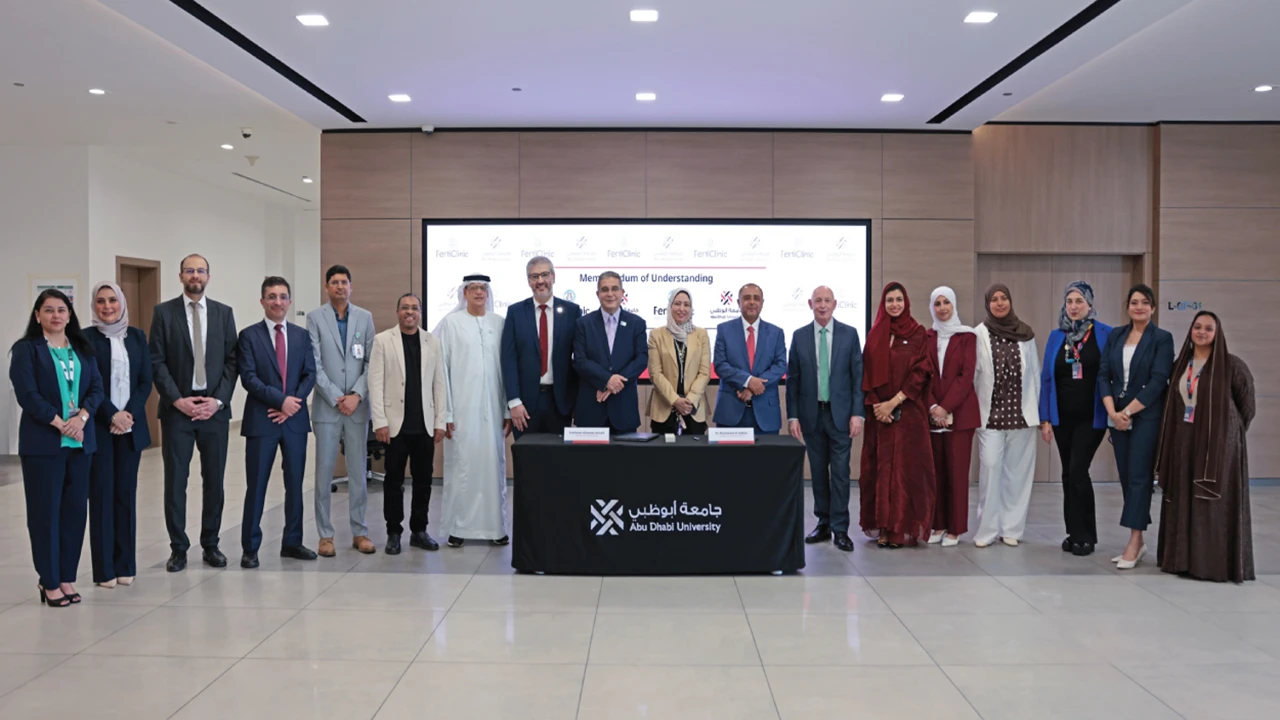
Abu Dhabi University and FertiClinic Group have joined forces to establish the FertiClinic Reproductive Research Lab, an advanced reproductive research lab in Abu Dhabi housing IVF, andrology, and cryopreservation facilities. The partnership supports UAE national priorities, bridges academic and clinical expertise, and advances fertility innovation across the region.

NHS Kent and Medway has overhauled its fertility funding policy in a move that sees NHS cuts IVF access for thousands of patients. Effective 1 April 2026, the eligible age ceiling drops from 40 to 38, funded cycles fall from two to one, and embryo transfers are capped at two.
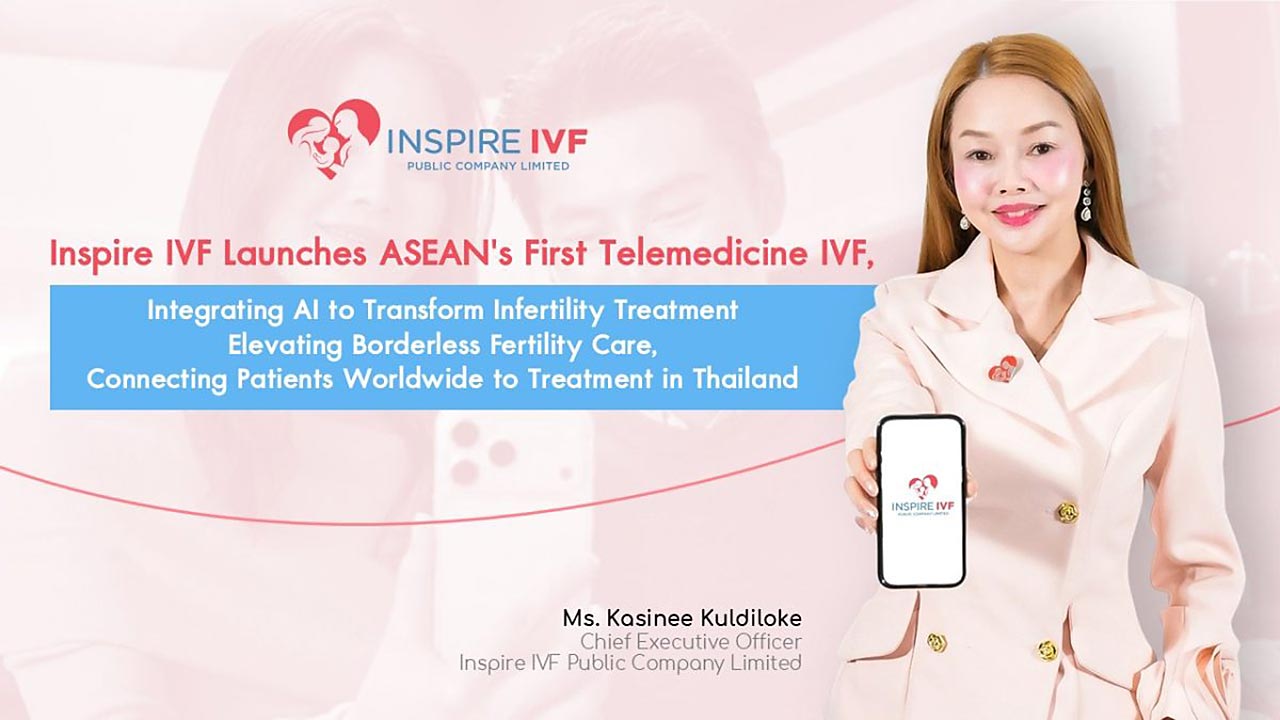
ASEAN's First Telemedicine IVF by Inspire IVF introduces a new era of remote fertility care. Combining AI technology with expert consultation, the platform enables global access, real-time monitoring, and personalised treatment planning, positioning Thailand as a leading hub for fertility services and advancing digital transformation in reproductive healthcare.
CSG.BIO has gone ahead with the acquisition of Hanabusa IVF, Asian Egg Bank, thereby making it a world leader in reproductive medicine and cutting-edge clinics with enhanced patient reach and advanced laboratory capabilities.
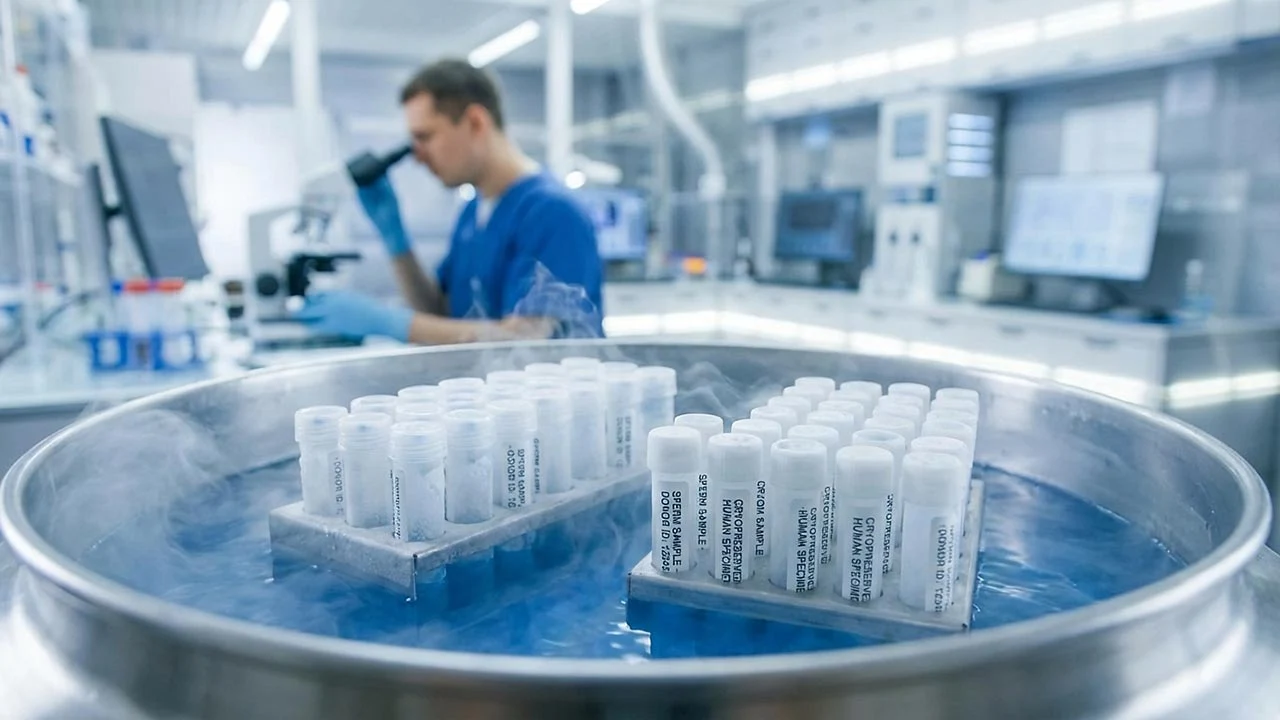
Wisconsin lawmakers from both parties are proposing bills to reduce IVF treatment costs. Republicans suggest a $5,000 tax credit for expenses, while Democrats want mandatory insurance coverage. With IVF cycles costing $20,000-$30,000 and 170,000 residents facing infertility, both parties seek affordable solutions through different approaches.
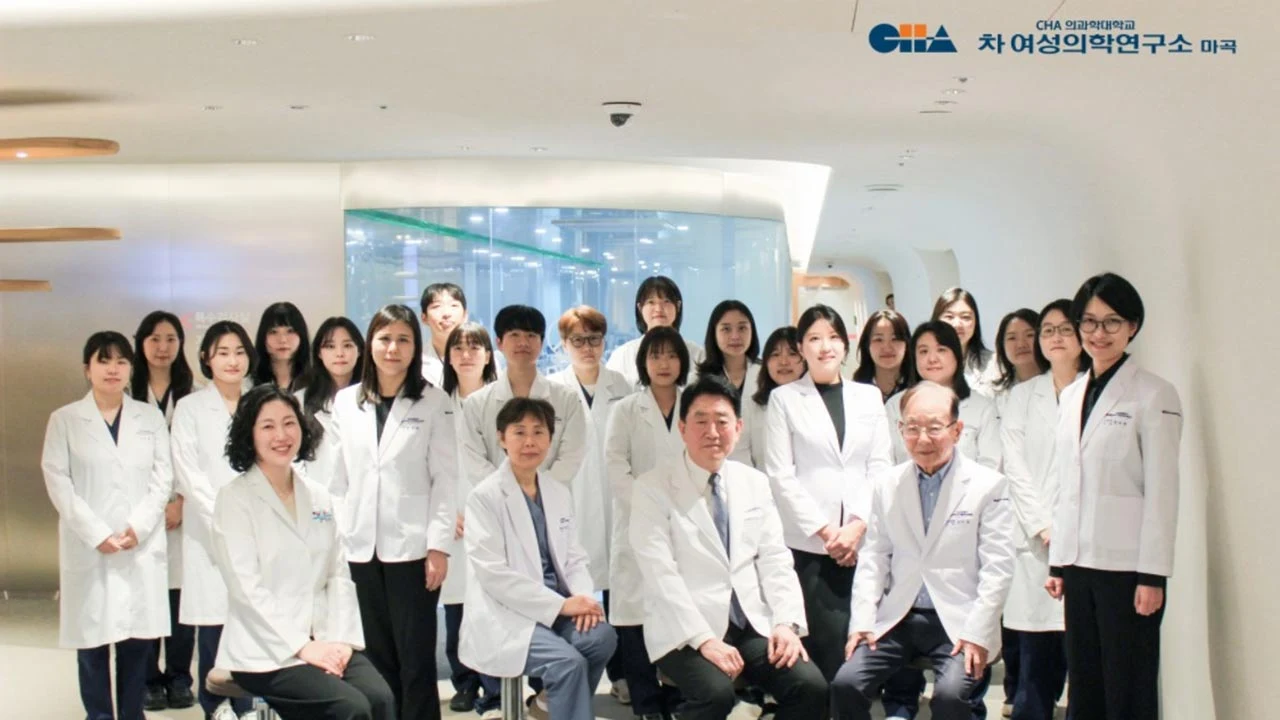
The AI-specialized Infertility Center, which is the largest in Asia, is open in Magok, Seoul and has begun its full-scale medical services from November 17 thereby marking the new era when it comes to fertility in the region.