Home
 ArticlesArticles
Womb transplantation is giving women with absolute uterine factor infertility the chance to carry and deliver their own child. This article explains how the process works from donor to delivery, who may be suitable, the risks involved and what recent births from living and deceased donors mean for patients.



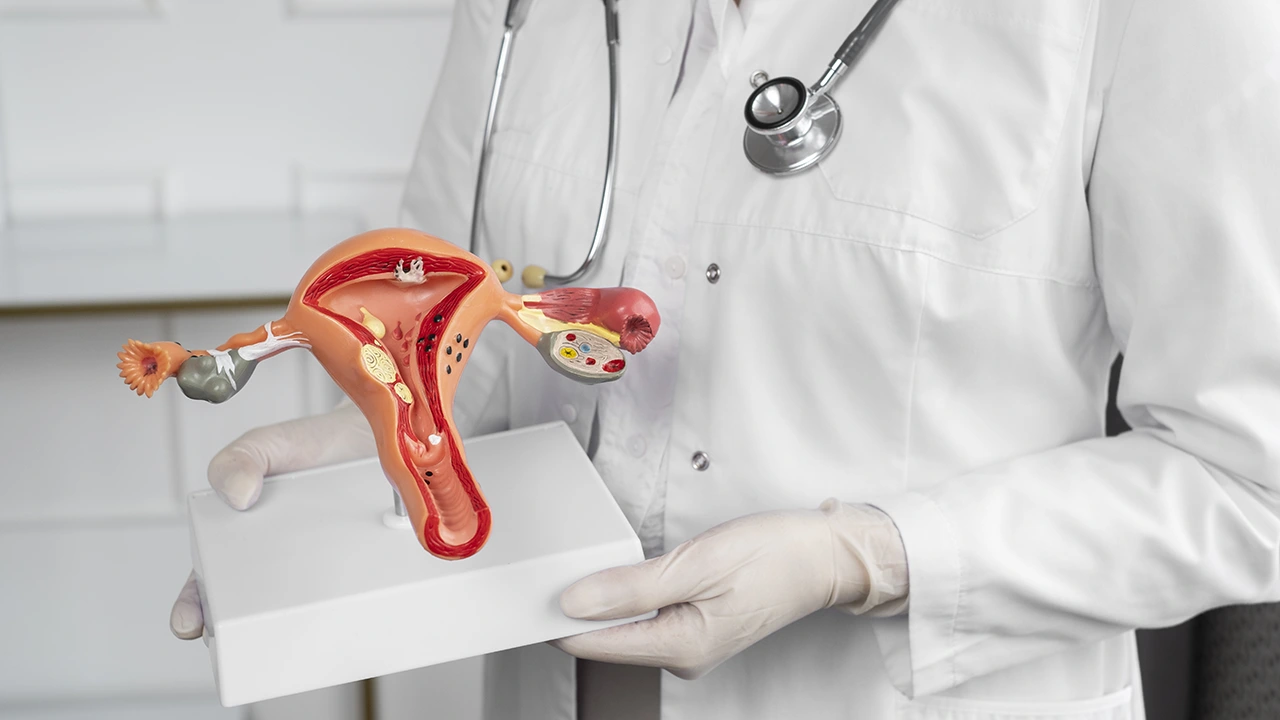
For most of medical history, a woman born without a uterus, or who lost her uterus to illness, had no way of carrying a pregnancy. Surrogacy and adoption offered routes to parenthood, but the experience of pregnancy itself was out of reach. For many women, being told this as a teenager is a moment they never forget.
Womb transplantation is changing that reality. Once an experimental idea, it has now led to births in several countries. In the United Kingdom, two milestones in quick succession have brought the procedure into public view: the country's first birth after a transplant from a living donor, followed in December 2025 by the first birth after a transplant from a deceased donor. These cases offer a clear window into what the procedure involves and who it may help.
Absolute uterine factor infertility describes the situation where a woman has no uterus or a uterus that cannot support a pregnancy. The most common congenital cause is Mayer-Rokitansky-Küster-Hauser (MRKH) syndrome, a condition affecting around one in 5,000 women, in which the uterus does not develop although the ovaries function normally. Women with MRKH produce their own eggs and can have genetically related children through IVF, but until recently they could not carry those pregnancies themselves.

Other women lose their uterus through hysterectomy for cancer, severe bleeding after childbirth or other conditions. Some have a uterus that is present but so severely scarred or malformed that it cannot sustain a pregnancy. For all of these groups, womb transplantation represents the first treatment that addresses the problem directly.
The first live birth after uterus transplantation was reported in Sweden in 2014, following years of careful research by a Gothenburg team. Since then, transplant programmes in Europe, the United States, Asia and elsewhere have reported births and the procedure has gradually moved from pure experiment towards a specialised clinical option in a small number of centres.
In the United Kingdom, the programme is run as a research study known as INSITU, funded by the charity Womb Transplant UK. In early 2025, the country's first baby born after a womb transplant was delivered to a woman who had received her sister's uterus. Then, in December 2025, Grace Bell, who has MRKH syndrome, gave birth to a healthy son at Queen Charlotte's and Chelsea Hospital in London after receiving a womb from a deceased donor. The research team believe he is only the third baby in Europe born after a deceased donor womb transplant.
Womb transplantation is a multi-stage journey that brings together transplant surgery, fertility treatment and high-risk obstetric care. It usually begins with IVF. Because the fallopian tubes are not connected in the transplanted uterus, natural conception is not possible, so embryos are created in the laboratory and frozen, often before the transplant takes place.
The transplant itself is a complex operation in which the donor uterus is connected to the recipient's blood vessels and vagina. After surgery, the recipient takes immunosuppressive medicines to prevent her immune system from rejecting the organ. Doctors monitor the uterus closely and the return of menstruation is an important sign that it is functioning.
Once the uterus has healed and is stable, usually after several months, embryos are transferred one at a time. In Grace Bell's case, her transplant took place in Oxford in 2024, followed by IVF and embryo transfer at a London fertility clinic. The pregnancy is monitored intensively and delivery is by planned caesarean section, which is standard after womb transplantation.
Wombs can come from living donors, often a mother or sister, or from deceased donors whose families have agreed to organ donation. Each route has advantages and challenges. Living donation allows surgery to be carefully planned and the donor uterus to be fully assessed in advance, but it requires the donor to undergo major surgery herself, with its own risks and recovery.
Deceased donation avoids surgery for a living person and can widen the pool of available organs. It depends, however, on the generosity of donor families at a moment of profound loss and on close coordination between organ donation services and the transplant team. The birth in December 2025 is especially significant because it shows that deceased donation can succeed, potentially making the procedure available to more women over time.
Womb transplantation is not a simple procedure and honest counselling is essential. The surgery carries risks for the recipient and for a living donor, including bleeding, infection and complications of anaesthesia. Rejection of the transplanted uterus can occur and not every transplant results in a functioning organ.
Immunosuppressive medication brings its own risks, including a higher chance of infection and effects on kidney function and blood pressure. Pregnancies after transplantation are considered high-risk and need close monitoring for complications such as high blood pressure and preterm birth.
Unlike most organ transplants, a transplanted uterus is intended to be temporary. Once a woman has completed her family, which may mean one or two pregnancies, the uterus is usually removed so that she can stop immunosuppressive treatment. Women considering the procedure need to weigh the physical demands and the time involved, which can stretch over several years.
Candidates are generally women of reproductive age with absolute uterine factor infertility who have healthy ovaries or stored embryos and who are in good general health. They undergo extensive medical, psychological and fertility assessment. Because programmes are small and often research-based, eligibility criteria are strict and vary between countries.
For many women, surrogacy remains an important and valid option and the right choice depends on medical factors, personal values and the legal framework where they live. Womb transplantation adds a new possibility rather than replacing existing routes to parenthood.
For women with MRKH, the diagnosis often comes during adolescence, when periods fail to start. Learning that pregnancy will never be possible can have a lasting emotional impact. Many describe womb transplantation not only as a medical treatment but as a chance to experience something they had grieved long before trying to conceive.
At the same time, the process can be demanding. Long waits, uncertain outcomes and the weight of receiving an organ from another woman, or from a family that has lost a loved one, all carry emotional significance. Psychological support before, during and after treatment is an integral part of responsible care. Recipients in the UK programme have spoken publicly of their gratitude to donors and their families, a reminder that every transplant begins with an act of generosity.
Women interested in womb transplantation can prepare for an informed conversation by asking a few key questions. Is there a programme or research study in my country and what are its eligibility criteria? Should I create and freeze embryos first and how many would be advisable? What are the risks of surgery and long-term immunosuppression for someone with my medical history? How long might the whole process take, from assessment to removal of the uterus? And how does this option compare with surrogacy for my circumstances? A specialist team can help answer these in the context of each woman's health and goals.
Womb transplantation is still performed in relatively few centres and researchers continue to refine surgical techniques, immunosuppression and patient selection. Some teams are exploring robotic surgery to make living donation less invasive, while others are studying how best to support pregnancies in transplanted organs.
For fertility specialists, the procedure highlights the growing importance of collaboration across disciplines, from IVF laboratories to transplant surgery and maternal-fetal medicine. For patients, it offers something that simply did not exist a generation ago. As more results emerge, womb transplantation may become an established option for women who dream of carrying their own child.
Disclaimer: FertilityIn shares this information based on published research and material from reliable, recognised sources. The content is intended for general awareness only and should not be taken as medical advice. Anyone with questions about their fertility or who needs medical attention should consult their own doctor or a qualified fertility specialist.
Euronews – UK welcomes first baby born after womb transplant from dead donor
Louisa Ghevaert Associates – Commentary on the first UK birth after deceased donor womb transplant



Advanced female age causes fertility decline through reduced egg quantity, increased chromosomal abnormalities, and mitochondrial dysfunction. Understanding these biological mechanisms helps women make informed family planning decisions. Modern fertility treatments including IVF, preimplantation genetic testing, and egg freezing offer practical solutions to overcome age-related reproductive challenges when trying to conceive.
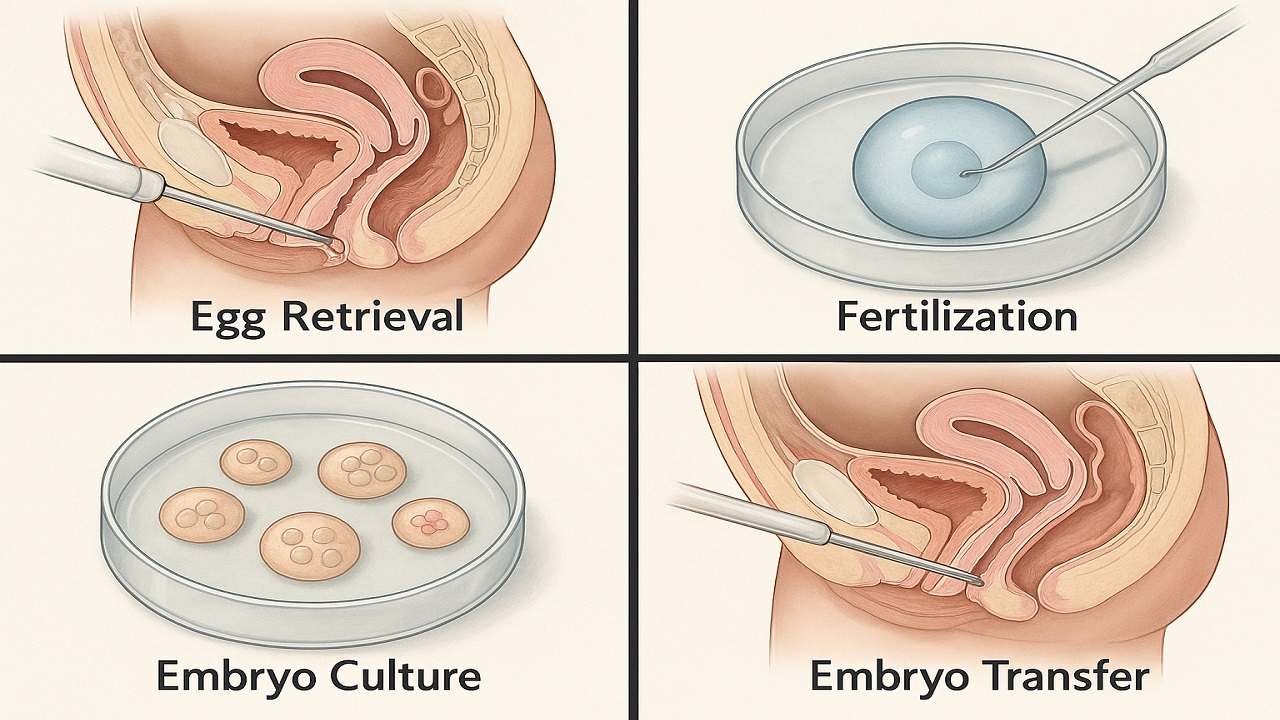
In Vitro Fertilization (IVF) process step by step, emphasising the importance of various stages such as ovarian stimulation, egg retrieval, fertilization, and embryo transfer in maximising the In Vitro Fertilization (IVF) Success Rate. It highlights how a thorough understanding of the procedure can prepare couples and individuals for their In Vitro Fertilization(IVF) journey, ultimately improving their chances of achieving a successful pregnancy.
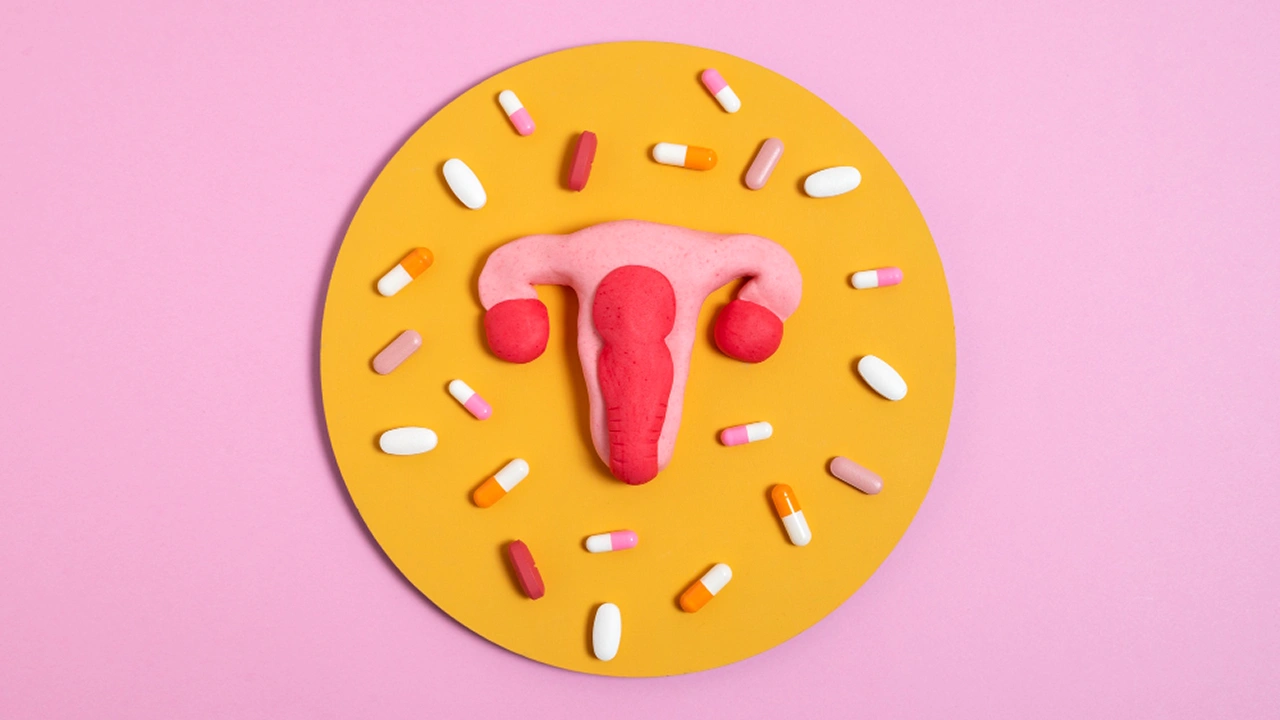
Vitamin D Deficiency Affect IVF outcomes by influencing endometrial receptivity, embryo quality, and hormone balance. Clinical evidence, age-specific risks, and PCOS implications, while offering actionable strategies to optimize Vitamin D levels and improve IVF success rates and pregnancy outcomes in a structured, patient-focused approach.
Preimplantation Genetic Testing (PGT) revolutionizes IVF by screening embryos for chromosomal abnormalities and genetic disorders before transfer. This advanced technology increases pregnancy success rates, reduces miscarriage risk, prevents inherited diseases, and shortens time to pregnancy while providing diagnostic clarity and reducing emotional stress for couples.
Clinical evidence increasingly demonstrates that emotional stress or grief reduces the chances of IVF success through sophisticated biochemical pathways that directly influence reproductive physiology. This relationship extends far beyond simple correlations, revealing profound mechanistic connections between psychological distress and the delicate orchestration of hormonal events essential for successful conception.
IVF in 2025 is shifting from hype to evidence-based innovation. As precision, automation, AI, and genetic advances reshape fertility care, patients must distinguish proven breakthroughs from outdated add-ons. This guide examines five groundbreaking IVF technologies in 2025 to understand which advances genuinely improve outcomes