Home
 ArticlesArticles
Millennial fertility testing is gaining momentum as young adults delay parenthood, respond to rising reproductive risks, and embrace data-driven planning. AMH tests, semen analysis, and early screening are quickly becoming standard in routine health check-ups.




Millennials are adding fertility tests to routine health checks mainly to plan around delayed parenthood, rising infertility risks, and a desire for data-driven control over future family building. Greater awareness through social media, workplace health programmes, and egg-freezing/IVF conversations has normalised checking markers like AMH or semen analysis even before trying to conceive.
Many millennials aim to have children later because of career goals, financial planning, and personal growth, so they want to “know where they stand” before they start trying. Surveys in India show that a large share of women in their 20s plan pregnancy closer to 30–32 and therefore see fertility checks as a preventive step rather than a response to infertility.
Doctors report more reproductive issues in people in their 20s and 30s linked to stress, obesity, PCOS, thyroid problems, and irregular cycles, which pushes millennials to treat fertility like heart or metabolic health and screen earlier. Routine fertility tests can also uncover silent conditions like endometriosis or hormonal imbalances before they cause obvious symptoms, prompting lifestyle changes or early treatment.
Simple blood tests such as Anti-Müllerian Hormone (AMH) offer a snapshot of ovarian reserve, while semen analysis gives objective sperm parameters, which appeals to a generation used to tracking everything from steps to sleep. Recent surveys describe AMH as “the new BMI” for young women, with growing demand to include it in standard check-ups even though overall awareness of what it means is still limited.
More millennials are exploring elective egg or sperm freezing and want baseline fertility testing to decide whether to freeze and when. Clinics note that early testing helps identify who might benefit from fertility preservation or later IVF and who may be better off trying to conceive sooner rather than assuming technology can fully “fix” age-related decline.
Fertility is shifting from a taboo topic to a routine part of wellness conversations, often discussed alongside thyroid panels, vitamin levels, or PCOS screening. For many millennials, adding fertility tests to annual health check-ups is framed as an act of empowerment and informed choice, not panic a way to align biological realities with life plans.



Legal rights in Assisted Reproductive Technology (ART), detailing donor anonymity and non-parentage, recipient parental rights, and the rights of Assisted Reproductive Technology (ART)-conceived children to know their genetic origins. With evolving legal rights in ART, the focus is on fairness, transparency, and ethical practices to protect all involved.
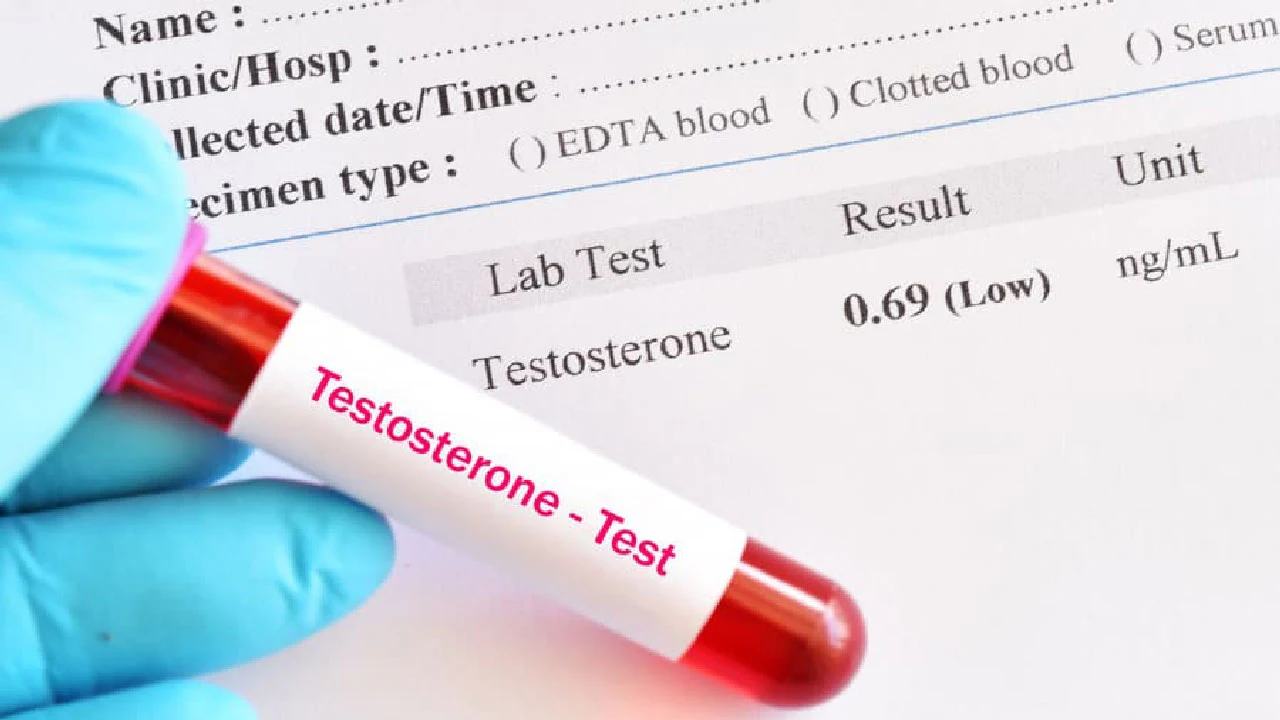
Clinical pearls for treating infertility and low testosterone in men, emphasizing reproductive goal assessment, empiric medical therapies, and comprehensive multidisciplinary management strategies.

The potential of stem cells to improve ovarian reserve and egg quality, focusing on their application in women with diminished fertility. It discusses how mesenchymal stem cells and other stem cell therapies can rejuvenate ovarian function by enhancing the ovarian environment, promoting tissue repair, and stimulating follicle growth. While the therapy shows promise, the article emphasizes the need for more extensive studies to understand its efficacy and safety.

Common questions about pregnancy with polycystic ovary syndrome (PCOS) through IVF and IUI. It discusses PCOS-related infertility, success rates, treatment options, and the importance of personalised protocols. Emphasising holistic care and emotional support, it offers hope and insights for women navigating the challenges of PCOS.

Assisted Reproductive Technology (ART), a groundbreaking medical field that provides solutions for individuals and couples facing fertility challenges. It defines ART, explains its core techniques such as In Vitro Fertilization (IVF) and Intracytoplasmic Sperm Injection (ICSI), and discusses clinical applications and success rates.

Coping with miscarriage after Assisted Reproductive Technology (ART) is an emotional journey requiring time, communication, and self-care. Couples can heal together by honoring their loss and seeking support. With patience and hope, they can navigate the pain and rediscover strength while coping with miscarriage after Assisted Reproductive Technology (ART).

How obesity affects IVF outcomes, highlighting how excess body weight disrupts hormonal balance, ovarian function, and embryo implantation. It discusses risks during pregnancy, the importance of psychosocial factors, and the need for integrated care. Emerging interventions and lifestyle changes show promise for improving success rates in obese women undergoing IVF.