Home
 ArticlesArticles
The Intracytoplasmic Sperm Injection (ICSI) procedure, where a single sperm cell is injected directly into an egg, a specialized form of In Vitro Fertilization (IVF), is typically more costly due to its complexity, requiring skilled embryologists and specialized equipment. It is particularly beneficial for couples facing male infertility issues, as it increases the chances of fertilization and successful pregnancies.



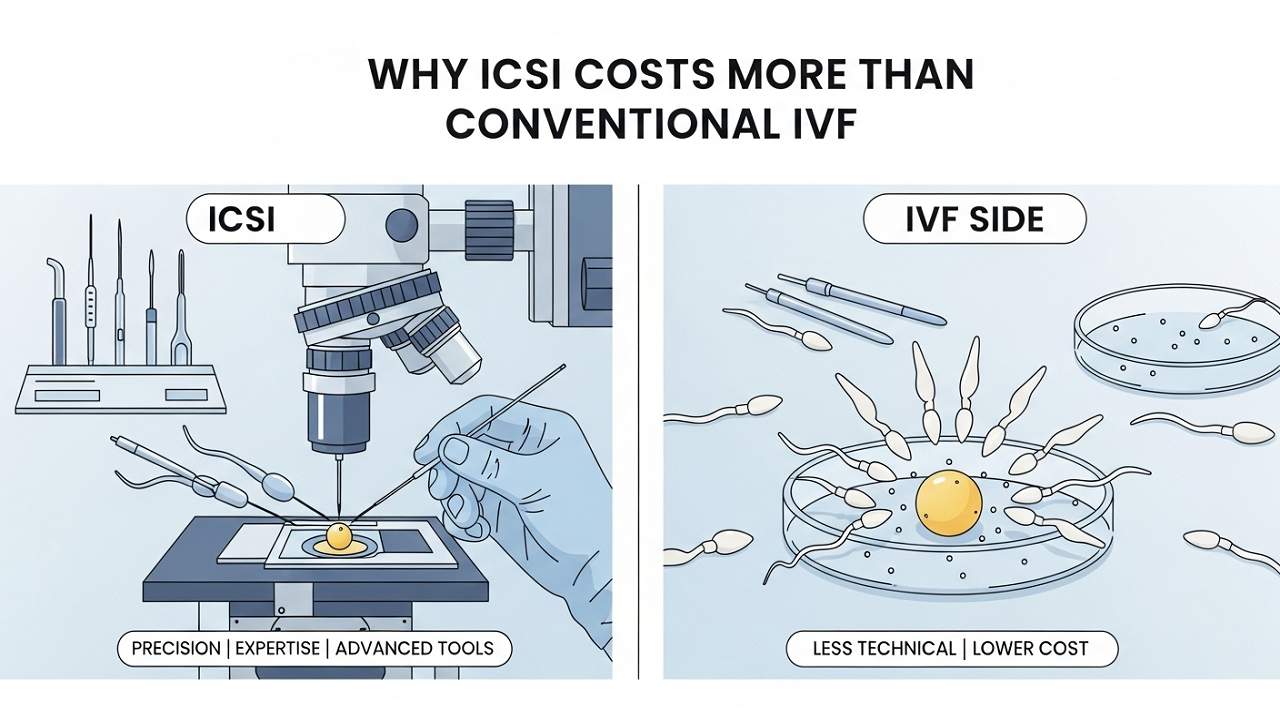
Since its inception, in vitro fertilization (IVF) has transformed the landscape of reproductive medicine, providing numerous couples with a solution to their fertility obstacles. IVF is a popular fertility treatment, but there is another IVF-related procedure known as Intracytoplasmic Sperm Injection (ICSI). ICSI is a specialized form of IVF where a single sperm cell is injected directly into an egg and is typically used when specific fertility problems exist, such as male infertility when sperm quality or quantity is potentially a challenge. Although both IVF and ICSI are types of assisted reproductive technology, ICSI is usually more costly than standard IVF. Here we discuss why ICSI can be more expensive and what value it provides in the treatment of the infertile couple.

ICSI is more complex than conventional IVF, and this complexity is the primary reason for the added cost. During IVF, eggs are fertilized with sperm in a lab dish; in ICSI, the procedure is taken a step further, and a single sperm cell is injected directly into an egg. It demands an immense amount of preciseness and skill.
Due to the complexity of ICSI, the procedure is longer and requires specialized equipment and a higher level of expertise from the fertility team. All these components play a role in the higher cost of ICSI.
It involves lab-specific technology that is not normally included in regular IVF, such as a very highly lit microscope and a micro manipulatory system to handle the sperm and its movement. The embryologist deals with specialised instruments to manipulate sperm and eggs under a microscope. ICSI requires the following tools and technologies:
Due to the requirement for specialized equipment and a strictly regulated laboratory environment, ICSI costs are higher than traditional IVF.
The embryologist performing the procedure requires more skill and experience with ICSI. Hence, the embryologist selects, prepares, and injects healthy sperm. This level of precision requires specialized training and expertise and is highly valued. Moreover, fertility clinics may need to hire various experienced specialists who have additional training in ICSI, which can lead to increased expenses for the entire procedure.
In conventional IVF, sperm are put in a culture dish next to the eggs, where fertilization happens naturally. While this also takes finesse, the process is usually not as technically challenging as ICSI.
One of the most common reasons that couples select ICSI rather than traditional IVF is due to male infertility. However, male infertility issues like low sperm count, abnormal sperm motility (movement), or abnormal sperm morphology (shape) can prevent natural fertilization, making IVF challenging. ICSI is commonly recommended in these scenarios, as it can facilitate fertilization even with sperm types that are not naturally able to fertilize an egg.
They will require procedures for sperm retrieval, such as testicular sperm aspiration (TESA) or micro-epididymal sperm aspiration (MESA), if they have a very low sperm count or poor sperm motility. They are invasive and expensive and must be performed by expert urologists or fertility specialists. Consequently, ICSI is costly because of these extra procedures.
Additionally, the work that revolves around consultation and evaluation in male fertility, such as semen analysis and sperm health testing, also becomes a part of the treatment. This additional step simply adds more cost to the entire ICSI process.
ICSI is pricier than conventional IVF, but it usually yields higher success rates in cases of primary male infertility. Men who suffer from male factor infertility can still achieve fertilization with sperm that would otherwise not fertilize an egg via ICSI, making it a highly effective option for couples. The increasing chance that fertilization will happen greatly increases the likelihood of a viable pregnancy.
Due to the increased success rates of some cases, due to specific conditions, ICSI may be seen as a sound investment for couples going through a challenging fertility journey. Sometimes, IVF does not fertilize the egg due to poor sperm quality, and this is where ICSI can help. Therefore, the higher chance of success can make ICSI the preferred choice, despite it being more expensive.
However, ICSI cycles require more monitoring and medication, which can increase the cost. (TESA or MESA, requiring anaesthesia and more advanced medical intervention). Fertility drugs may be needed to improve sperm quality or egg development, raising costs. These include hormones such as gonadotropins to stimulate the ovaries or medications to prepare the uterus for implantation.
ICSI is more costly than traditional IVF, where fewer specialized steps are involved, due to the extra procedures and medications required to optimize it, given its invasive nature.
Some fertility clinics may still offer extended embryo culture or PGT with ICSI. Extended culture enables embryos to develop longer, which can help the clinic gain more information about the embryos’ growth before choosing the best one to transfer. PGT can help to filter embryos for these genetic conditions, making it invaluable for couples with a known genetic risk factor or those of advanced maternal age.
Extended culture and PGT are both additional options that may increase the total cost of ICSI as well. But it does also have some significant advantages, such as allowing for healthier embryos to be selected, which will subsequently increase success rates and reduce the risk of miscarriage.
Although ICSI is costlier than standard IVF, its many benefits make it a valuable choice for couples with male infertility or other fertility challenges. This additional cost is a result of the need for specialized equipment, trained professionals, and advanced methods to help facilitate the successful outcome of the procedure. Given that ICSI also incurs higher costs, this is usually a cost-effective option for couples where ICSI is required due to a notable increase in their chances of fertilization and pregnancy (especially if male factor infertility is an issue).
For couples when traditional IVF is either inconceivable or improbable, ICSI offers an opportunity to potentially create life, creating hope and the capacity to become a miracle every time a fertility cycle is initiated. Although it is an investment, for many couples, the chance at a pregnancy and to expand their family makes it an investment worth making.



The innovative solution of Intracytoplasmic Sperm Injection (ICSI), designed to tackle male infertility challenges such as low sperm count and poor motility. ICSI creates new opportunities for couples who are eager to start a family by directly injecting a single sperm into an egg. Discover how this groundbreaking technique is transforming the landscape of reproductive medicine and offering hope to those facing infertility.
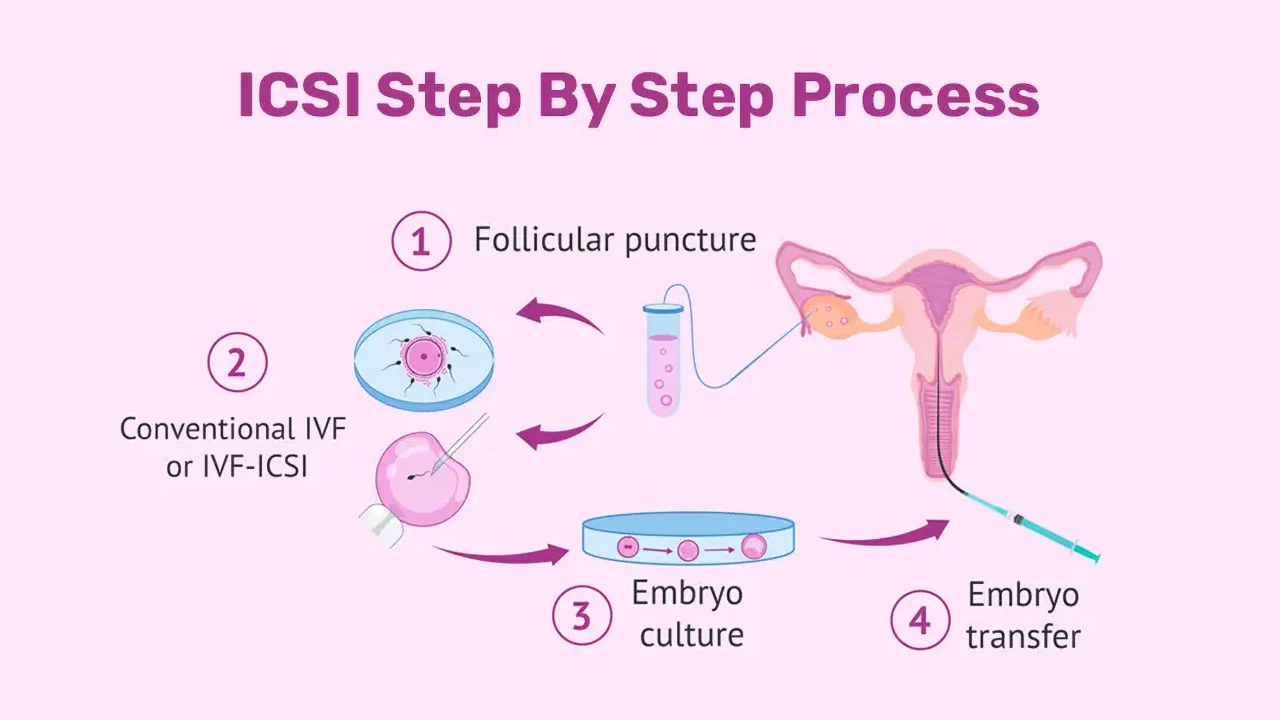
ICSI (Intracytoplasmic Sperm Injection) is an advanced fertility treatment where a single sperm is injected directly into an egg. This procedure helps couples overcome male infertility challenges like low sperm count or poor motility, offering hope for biological parenthood when conventional IVF methods aren't successful.
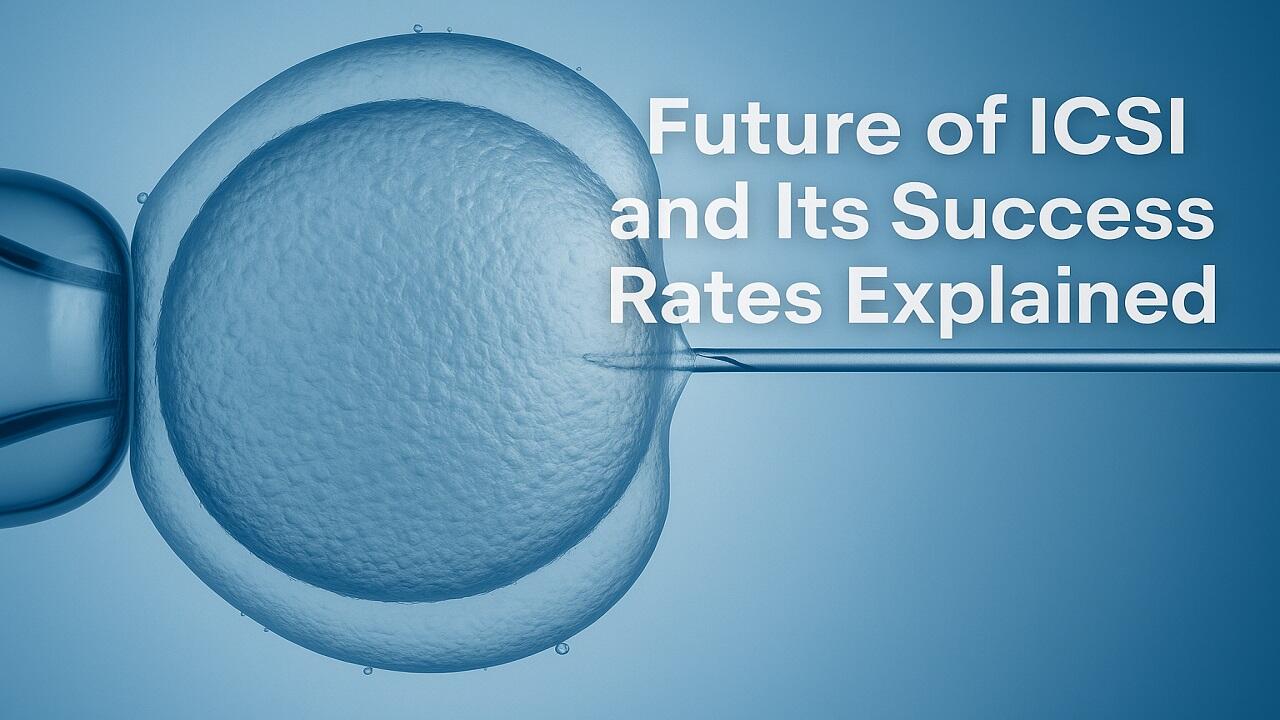
The article discusses "The Future of ICSI", emphasizing advancements like new sperm selection technologies, genetic screening, and stem cell research, all improving success rates and treatment effectiveness. These innovations are making Intracytoplasmic Sperm Injection (ICSI) a more promising solution for couples facing male infertility.

Intracytoplasmic Sperm Injection (ICSI) has transformed Male Infertility Treatment, enabling men with severe fertility issues to conceive biological children. By allowing even the weakest sperm to fertilize an egg, ICSI has significantly improved success rates in Male Infertility Treatment and provided new hope for couples facing infertility challenges.

Mental health during fertility treatments is vital to cope with stress, anxiety, and emotional ups and downs. By focusing on self-care, resilience, and fostering hope, individuals can navigate challenges and maintain their mental health during fertility treatments while building a positive outlook for their fertility journey.

The history and inception of Intracytoplasmic Sperm Injection (ICSI) began with early advancements in micromanipulation, leading to its first successful use in the 1990s to treat male infertility. The history and inception of ICSI revolutionized assisted reproduction, offering hope to couples by enabling fertilization even in cases of severe sperm-related challenges.