Home
 ArticlesArticles
Major medical organizations, including WHO and AMA, have formally classified infertility as a disease, citing biological dysfunction, psychological burden, and global health impact, establishing a stronger basis for healthcare access, insurance coverage, and clinical treatment worldwide.



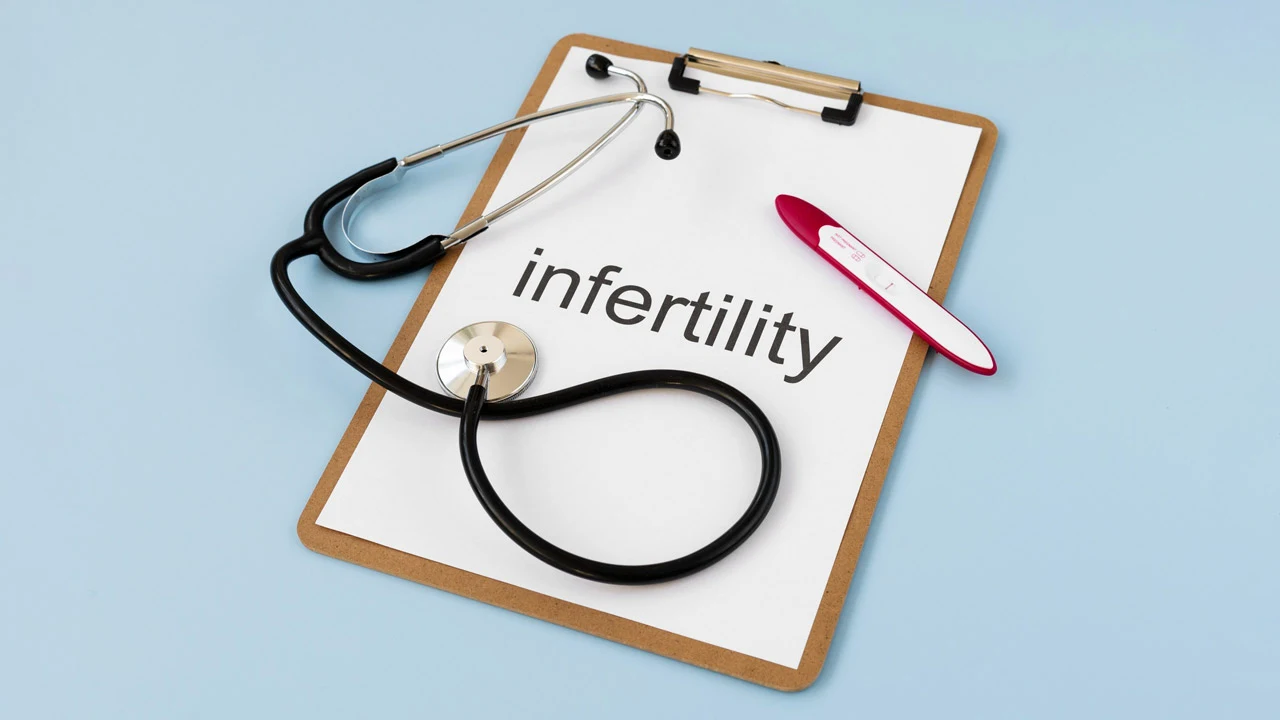
The World Health Organization (WHO), in partnership with the International Committee for Monitoring Assisted Reproductive Technologies (ICMART), formally established infertility as a disease in their clinical glossary. Infertility is defined as "a disease of the reproductive system defined by the failure to achieve a clinical pregnancy after 12 months or more of regular unprotected sexual intercourse." This definition is incorporated into the International Classification of Diseases (ICD-11), where infertility receives specific diagnostic coding, establishing it as a medically recognized condition requiring clinical attention.
The American Medical Association (AMA) House of Delegates adopted a policy recognizing infertility as "a disease state with multiple etiologies requiring a range of interventions to advance fertility treatment and prevention," co-sponsored by major medical organizations including the American Congress of Obstetricians and Gynecologists, American Urological Association, the Endocrine Society, and the American Association of Clinical Endocrinologists.
Infertility qualifies as a disease under established biomedical frameworks because it involves identifiable dysfunction of the reproductive system. The WHO documents specific biological causes in both sexes. In women, infertility results from tubal disorders such as blocked fallopian tubes caused by untreated sexually transmitted infections or complications from unsafe abortion; uterine disorders including endometriosis, congenital anomalies, and fibroids; ovarian disorders such as polycystic ovarian syndrome and follicular disorders; and endocrine system dysfunction affecting reproductive hormone production.
In men, infertility results from obstruction of the reproductive tract, hormonal disorders affecting sperm production, testicular failure, and abnormal sperm function and quality. These represent genuine physiological breakdowns not lifestyle choices or variations in normal human experience, but actual dysfunctions requiring medical intervention. The WHO emphasizes that some of these causes are preventable through addressing sexually transmitted infections, preventing complications from unsafe abortion, and avoiding environmental toxins, yet once established, these conditions require targeted medical treatment.
The disease classification of infertility is supported by philosophical theories in medicine. Boorse's bio-statistical theory defines disease as "a type of internal state which impairs health, i.e., reduces one or more functional abilities below typical efficiency." Under this framework, anatomical infertility clearly qualifies as a disease because each condition involves failure of internal reproductive structures or processes to perform their statistically typical reproductive function.
The holistic theory of health, developed by Nordenfelt, classifies a condition as a disease when "at least one organ is involved in such a state or process as tends to reduce the health" of an individual, particularly when it prevents the achievement of vital goals such as parenthood. This theory recognizes that infertility impairs the ability to achieve central life aspirations.
Wakefield's harmful dysfunction analysis a hybrid framework combining biological facts with value judgments defines a condition as a disorder when "(a) the condition causes some harm or deprivation of benefit to the person as judged by the standards of the person's culture...and (b) the condition results in the inability of some internal mechanism to perform its natural function, wherein natural function is an effect that is part of the evolutionary explanation of the existence and structure of the mechanism." Infertility satisfies both criteria: reproduction is an evolutionarily selected biological mechanism, and inability to reproduce is universally deemed harmful within pronatalist societies.
The WHO recognizes that infertility affects approximately 1 in 6 people of reproductive age globally. This epidemiological burden establishes it as a significant public health concern comparable to other recognized diseases. The condition affects 10-15% of reproductive-age couples worldwide and is ranked as the fifth most serious disability in women according to global burden of disease assessments.
Infertility carries a substantial psychological burden. Research demonstrates that mood disorders occur 3.4 times more frequently and anxiety disorders 2.7 times more frequently in people with infertility compared to the general population. At least one mental disorder is identified in 83.8% of women with infertility, with 52% exhibiting mild to serious personality disorders.
The condition produces typical psychological responses, including "shock, sadness, depression, anger and frustration, loss of self-esteem and self-confidence, and a general loss of sense of control." Infertile individuals frequently experience social isolation, relationship strain, and reduced sexual function. Women specifically experience greater social pressure and stigma than men, often being blamed for the couple's infertility regardless of whether the male partner is infertile.
The WHO formally recognizes infertility as conferring disability, affecting functional capacity and quality of life through both the primary reproductive dysfunction and the substantial secondary psychological and social consequences.
Recognition as a disease establishes infertility within the human rights and universal health coverage framework. The WHO affirms that "every human being has a right to the enjoyment of the highest attainable standard of physical and mental health" and that "individuals and couples have the right to decide the number, timing and spacing of their children. Infertility can negate the realization of these essential human rights."
The disease classification creates an ethical and legal basis for including fertility services in universal health coverage and insurance benefits. Currently, this remains contested. IVF is rarely covered by health insurance in many countries, with only 15 U.S. states mandating any coverage for infertility treatment. The disease designation provides justification for advocating expansion of coverage as a medical necessity rather than an elective service.
The disease status emphasizes that infertility requires medical intervention not all cases can be addressed through behavioral modification or lifestyle change. Certain conditions such as azoospermia (absence of sperm), bilateral tubal blockage, and uterine agenesis are treatable only through medical technology, including IVF, intrauterine insemination, and surgical intervention. This distinguishes infertility from variations in normal human fertility and establishes its legitimacy as a clinical entity requiring physician involvement.
Importantly, philosophical analysis reveals that not all infertility subtypes present equally strong disease claims. Anatomical infertility (involving structural or functional reproductive system abnormalities) qualifies as a disease under all major theoretical frameworks. Senescent infertility (age-related decline) qualifies under the holistic and harmful dysfunction analyses but not under the bio-statistical theory, since declining fertility with age represents statistically normal aging. Relational and social infertility present the most philosophical complexity, as they may not involve individual internal dysfunction but rather external circumstances or couple-specific factors.
The disease designation informs public health policy priorities. The WHO commits to developing guidelines for infertility prevention, diagnosis, and treatment as components of global reproductive health standards. Recognizing infertility as a disease prompts governments to address it within healthcare systems rather than treating it solely as a private medical concern.
The classification of infertility as a disease thus rests on clinical definitions established by major health organizations, documented physiological dysfunction, established psychological harm, disability burden, human rights frameworks, and the genuine medical necessity of treatments available only through clinical intervention. This multifaceted basis explains why infertility has achieved recognition as a disease despite historical social stigma and varying public perceptions.


Immunotherapy in restoring human fertility is emerging as a promising approach for addressing immune-related reproductive disorders. Recent clinical advances highlight its potential to improve implantation, pregnancy outcomes, and reproductive health, offering renewed hope for patients facing infertility linked to immune system dysfunction.

The smart fertility tracker market has transformed male fertility diagnostics, but how reliable are these devices? This report examines what at-home sperm tests actually measure, where they fall short compared to clinical analysis, and how men and couples can use them appropriately within a broader reproductive care pathway.

The distinct assisted reproductive technologies of Intrauterine Insemination (IUI), In Vitro Fertilization (IVF), and Intracytoplasmic Sperm Injection (ICSI). It outlines how each procedure works, the medical indications for their use, and their respective success rates. The importance of choosing the right treatment based on factors such as patient age, infertility diagnosis, and personal circumstances.

Assisted Reproductive Technology (ART), a groundbreaking medical field that provides solutions for individuals and couples facing fertility challenges. It defines ART, explains its core techniques such as In Vitro Fertilization (IVF) and Intracytoplasmic Sperm Injection (ICSI), and discusses clinical applications and success rates.

Common questions about pregnancy with polycystic ovary syndrome (PCOS) through IVF and IUI. It discusses PCOS-related infertility, success rates, treatment options, and the importance of personalised protocols. Emphasising holistic care and emotional support, it offers hope and insights for women navigating the challenges of PCOS.

The potential of stem cells to improve ovarian reserve and egg quality, focusing on their application in women with diminished fertility. It discusses how mesenchymal stem cells and other stem cell therapies can rejuvenate ovarian function by enhancing the ovarian environment, promoting tissue repair, and stimulating follicle growth. While the therapy shows promise, the article emphasizes the need for more extensive studies to understand its efficacy and safety.
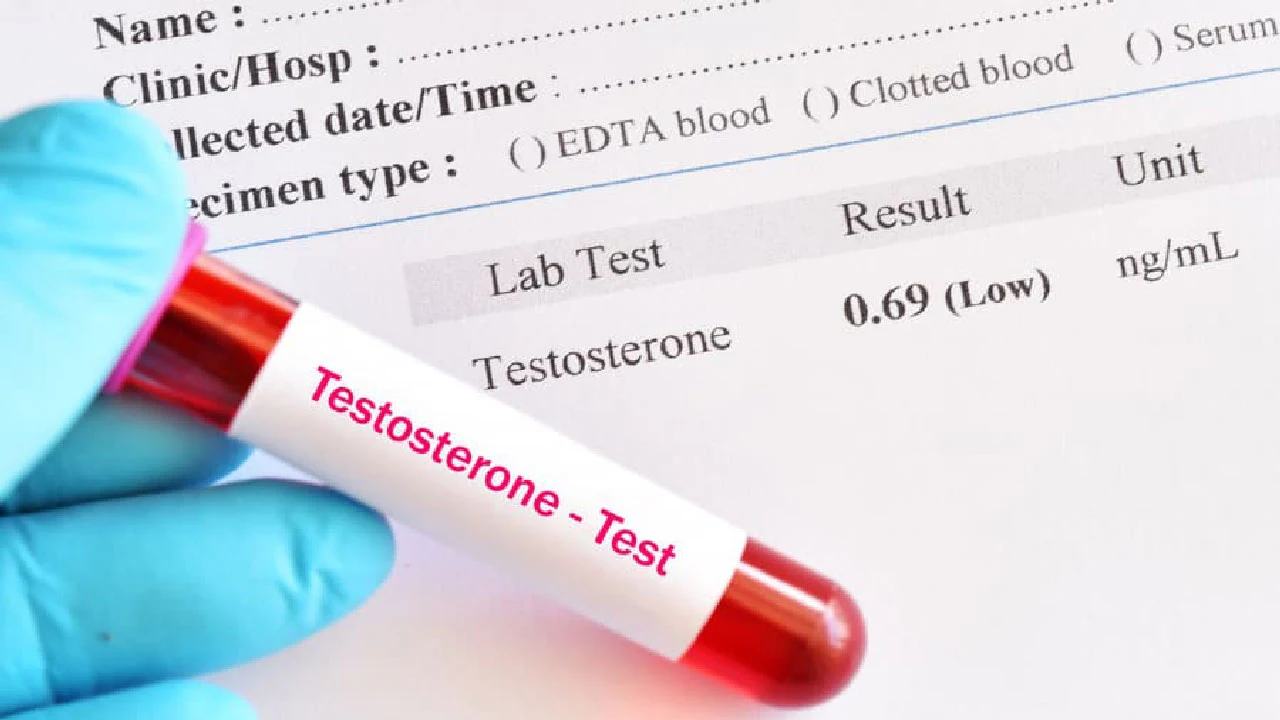
Clinical pearls for treating infertility and low testosterone in men, emphasizing reproductive goal assessment, empiric medical therapies, and comprehensive multidisciplinary management strategies.