Home
 ArticlesArticles
Advanced female age causes fertility decline through reduced egg quantity, increased chromosomal abnormalities, and mitochondrial dysfunction. Understanding these biological mechanisms helps women make informed family planning decisions. Modern fertility treatments including IVF, preimplantation genetic testing, and egg freezing offer practical solutions to overcome age-related reproductive challenges when trying to conceive.





Egg Count Decline by Age: From 1-2 Million at Birth to 1,000 at Menopause
At the core of understanding why fertility declines with advanced female age lies a simple yet profound truth: eggs age as women age. When a woman is born, she possesses approximately 1-2 million eggs. By age 30, this number drops to just 12% of her original ovarian reserve. The decline in egg quantity accelerates sharply during the late 30s and early 40s, eventually leading to approximately 1,000 eggs by menopause.
However, quantity is only part of the story. Egg quality—determined by the genetic makeup and functional capacity of the egg—deteriorates significantly with advancing age. The cellular machinery responsible for maintaining proper DNA structure and ensuring correct chromosome numbers can break down over time. This explains why fertility declines with advanced female age even in healthy, fit women, as biological age supersedes overall health status. The problem is not with the woman's body's ability to nourish eggs; rather, the eggs themselves have aged along with the woman.

Three Biological Mechanisms Behind Fertility Decline with Age
Three primary biological mechanisms explain why fertility declines with advanced female age:
Advanced maternal age causes reduced ATP levels in eggs, impairing their ability to undergo fertilization and early division. This mitochondrial dysfunction contributes significantly to poor embryonic development, reduced implantation rates, and increased miscarriage risk—key reasons why fertility declines with advanced female age during treatment cycles.
 Monthly Fertility Conception Rates by Age Group: 20s (20-25%) to 45-49 (1%)
The data clearly illustrates the scope of why fertility declines with advanced female age:
From age 25 to 40, the probability of conceiving each month decreases drastically, reflecting the combined effects of reduced egg quantity and quality. After age 35, clinical pregnancy rates decrease by approximately 50% compared to women under 30.
 Treatment Options for Advanced Maternal Age Infertility: IVF, PGT, Egg Freezing, Donor Eggs
While fertility declines with advanced female age as a natural biological process, several treatment strategies can help optimize conception chances:
In Vitro Fertilization (IVF)
IVF remains the most effective treatment option for women of advanced maternal age, offering significantly better success rates than other approaches. The procedure involves ovarian stimulation, egg retrieval, laboratory fertilization, and embryo transfer. Importantly, IVF allows physicians to select the healthiest embryos for transfer, improving outcomes despite the underlying fertility decline with advanced female age.
Preimplantation Genetic Testing (PGT)
PGT-A (aneuploidy testing) identifies chromosomally normal embryos before transfer, reducing miscarriage rates and increasing live birth probability. This technology particularly benefits women seeking to address the elevated aneuploidy risk associated with fertility decline in advanced female age.
Personalized Ovarian Stimulation
Tailored stimulation protocols maximize recruitment of available eggs while reducing stress on the ovaries. This approach acknowledges that fertility declines with advanced female age due to fewer available eggs, making optimal stimulation crucial for successful treatment outcomes.
Egg Freezing (Oocyte Cryopreservation)
While not reversing fertility decline, egg freezing preserves eggs at younger ages for future use. With vitrification of 15 eggs, women under 35 achieve approximately 85.2% probability of live birth, offering an option for those planning late childbearing.
Donor Egg IVF
For women with significantly diminished ovarian reserve or multiple failed cycles, donor egg IVF provides an alternative path to pregnancy. Donor eggs typically come from younger women with optimal egg quality, circumventing the biological challenges of fertility decline in advanced female age.
 Lifestyle Optimization Guide: Diet, Exercise, Stress, Sleep, and Healthy Habits for Fertility
While fertility declines with advanced female age as an inevitable biological process, certain lifestyle measures may help optimize outcomes:
Medical guidelines recommend fertility evaluation and treatment after:
Women over 40 should see a reproductive endocrinologist promptly, as fertility declines with advanced female age at a rapid rate, making timely evaluation and treatment essential for success.
Fertility declines with advanced female age through multiple interconnected biological mechanisms affecting egg quantity, quality, and function. While this natural process cannot be reversed, understanding these changes empowers women to make informed decisions about family planning timing and fertility treatment options. Modern reproductive medicine offers several evidence-based strategies to optimize conception chances despite age-related fertility challenges. Early evaluation, personalized treatment planning, and realistic expectations about outcomes enable many women to achieve their reproductive goals, even with advanced maternal age.


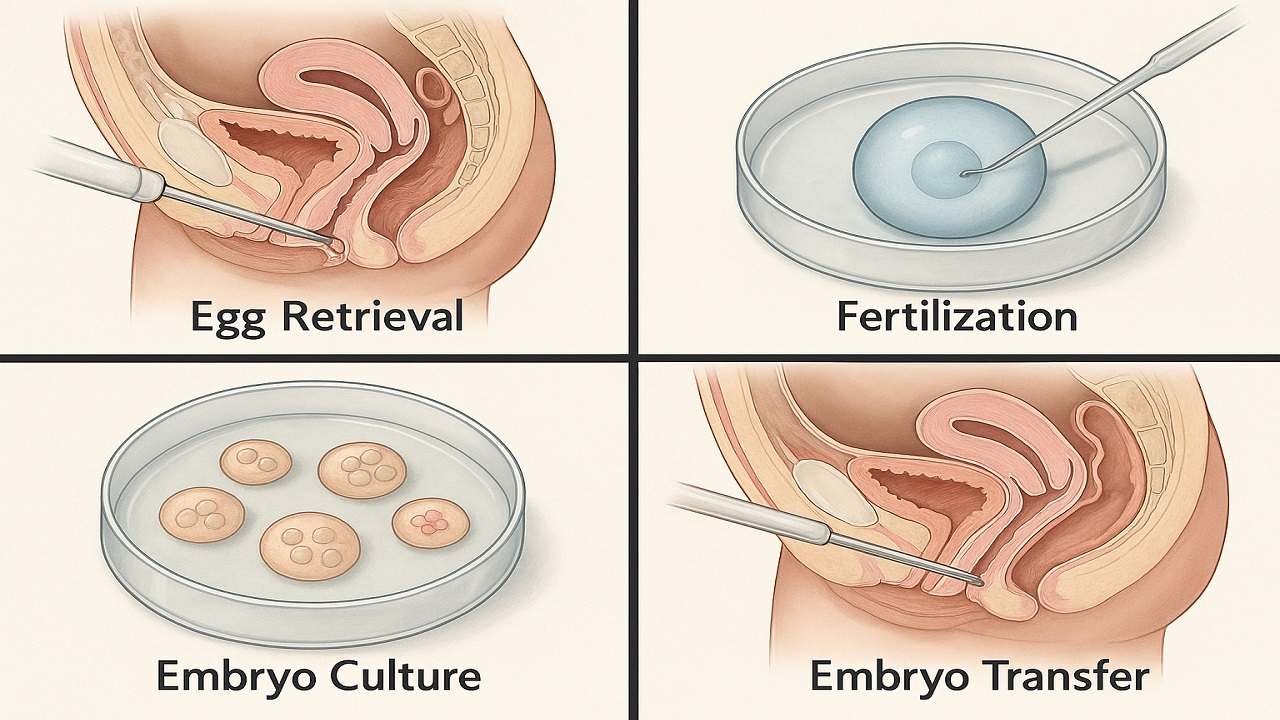
In Vitro Fertilization (IVF) process step by step, emphasising the importance of various stages such as ovarian stimulation, egg retrieval, fertilization, and embryo transfer in maximising the In Vitro Fertilization (IVF) Success Rate. It highlights how a thorough understanding of the procedure can prepare couples and individuals for their In Vitro Fertilization(IVF) journey, ultimately improving their chances of achieving a successful pregnancy.
Vitamin D Deficiency Affect IVF outcomes by influencing endometrial receptivity, embryo quality, and hormone balance. Clinical evidence, age-specific risks, and PCOS implications, while offering actionable strategies to optimize Vitamin D levels and improve IVF success rates and pregnancy outcomes in a structured, patient-focused approach.
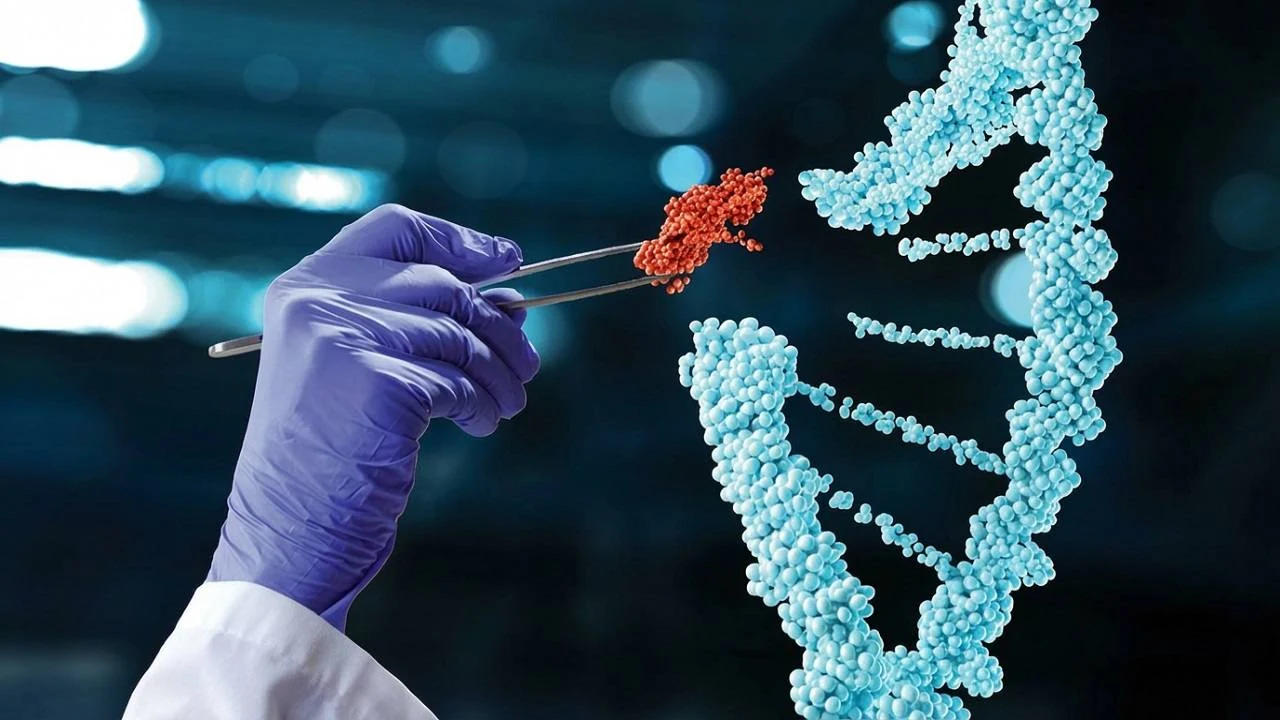
Preimplantation Genetic Testing (PGT) revolutionizes IVF by screening embryos for chromosomal abnormalities and genetic disorders before transfer. This advanced technology increases pregnancy success rates, reduces miscarriage risk, prevents inherited diseases, and shortens time to pregnancy while providing diagnostic clarity and reducing emotional stress for couples.

Clinical evidence increasingly demonstrates that emotional stress or grief reduces the chances of IVF success through sophisticated biochemical pathways that directly influence reproductive physiology. This relationship extends far beyond simple correlations, revealing profound mechanistic connections between psychological distress and the delicate orchestration of hormonal events essential for successful conception.
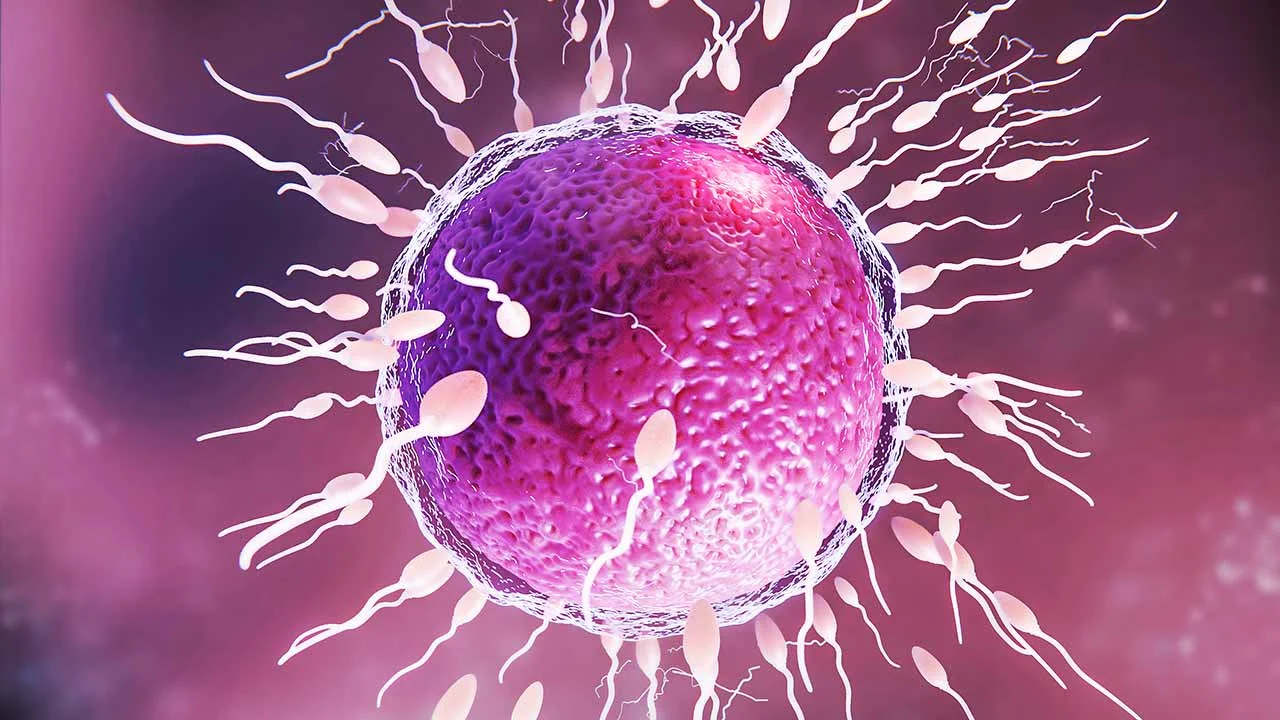
IVF in 2025 is shifting from hype to evidence-based innovation. As precision, automation, AI, and genetic advances reshape fertility care, patients must distinguish proven breakthroughs from outdated add-ons. This guide examines five groundbreaking IVF technologies in 2025 to understand which advances genuinely improve outcomes

Managing Recurrent Implantation Failure (RIF) outlines evidence-based diagnostics and treatment pathways to improve IVF success rates, emphasizing clarity, cautious use of add-ons, and realistic patient expectations.