Home
 ArticlesArticles
In Vitro Fertilization has transformed the landscape of reproductive medicine, offering a pathway to parenthood for couples who might otherwise struggle to conceive naturally. Understanding when IVF becomes the recommended treatment option requires careful consideration of various medical, personal, and circumstantial factors that influence fertility outcomes.




Women experiencing blocked, damaged, or absent fallopian tubes represent ideal candidates for IVF treatment. Fallopian tube dysfunction prevents the natural meeting of sperm and egg, making conception impossible through conventional means. IVF effectively bypasses this anatomical barrier by performing fertilization in the laboratory environment, eliminating the need for functional fallopian tubes entirely.
Tubal damage often results from pelvic inflammatory disease, endometriosis, previous ectopic pregnancies, or surgical complications. Rather than attempting complex surgical repair procedures that may carry limited success rates, IVF offers a more predictable and less invasive alternative for achieving pregnancy.
Approximately forty percent of infertility cases involve male factor issues, making IVF with ICSI (Intracytoplasmic Sperm Injection) an excellent treatment option. Men with low sperm counts, poor sperm motility, abnormal sperm morphology, or complete absence of sperm in the ejaculate can benefit significantly from IVF procedures.
ICSI technology allows embryologists to select individual healthy sperm and inject them directly into mature eggs, overcoming even severe male fertility challenges. This technique has revolutionized treatment options for couples previously considered to have poor prognoses due to severe male factor infertility.
Women diagnosed with moderate to severe endometriosis often experience reduced fertility due to anatomical distortion, inflammation, and poor egg quality. Endometriosis creates an environment hostile to natural conception by affecting ovarian function, fallopian tube anatomy, and implantation potential.
IVF provides an effective treatment strategy for endometriosis-associated infertility by removing eggs directly from the ovaries, performing fertilization in optimal laboratory conditions, and transferring healthy embryos to a prepared uterine environment. Success rates for women with endometriosis undergoing IVF are comparable to those with other infertility diagnoses when age and other factors are considered.
Women with PCOS frequently experience irregular ovulation or complete absence of ovulation, making natural conception challenging. While ovulation induction medications represent the first line of treatment, IVF becomes necessary when these approaches fail to achieve pregnancy after several cycles.
IVF allows for controlled ovarian stimulation and precise timing of fertilization, circumventing the irregular ovulation patterns characteristic of PCOS. Additionally, the ability to select the highest quality embryos can improve pregnancy rates while reducing miscarriage risk in women with PCOS.
Couples who have undergone multiple cycles of ovulation induction with timed intercourse or intrauterine insemination without success should consider advancing to IVF treatment. Persistent failure to conceive despite documented ovulation suggests more complex fertility issues requiring the comprehensive approach provided by IVF.
The transition from simpler treatments to IVF allows for direct visualization of fertilization, early embryo development, and optimal embryo selection. This diagnostic information proves valuable even if pregnancy does not result from the first IVF cycle, guiding future treatment modifications.
Intrauterine insemination serves as an intermediate treatment option between natural conception attempts and IVF. However, failure to achieve pregnancy after three to six IUI cycles typically indicates the need for more intensive intervention through IVF.
IVF success rates significantly exceed those of IUI for most infertility diagnoses, making the transition logical after repeated IUI failures. The comprehensive nature of IVF treatment addresses multiple potential fertility barriers simultaneously, improving overall pregnancy prospects.
Couples at risk for transmitting genetic disorders to their children represent important IVF candidates, even when natural conception might be possible. Preimplantation genetic testing allows identification of embryos free from specific genetic conditions, preventing disease transmission without requiring pregnancy termination decisions.
This application of IVF extends beyond traditional infertility treatment, serving as a family planning tool for couples with genetic concerns. The ability to test embryos before implantation provides peace of mind and ensures healthy pregnancies for families at genetic risk.
Women experiencing recurrent miscarriages often benefit from IVF with comprehensive embryo testing. Many early pregnancy losses result from chromosomal abnormalities that can be identified through preimplantation genetic screening, allowing transfer of only chromosomally normal embryos.
This approach significantly reduces miscarriage rates and emotional trauma associated with repeated pregnancy losses. IVF provides the framework for advanced testing that cannot be performed with natural conception attempts.
Modern reproductive medicine recognizes that optimal childbearing years may conflict with career development, education, or personal circumstances. Women wishing to delay childbearing while preserving fertility options should consider egg freezing, which requires IVF technology for future pregnancy attempts.
This proactive approach allows women to preserve their fertility potential at younger ages while maintaining flexibility in family planning timing. When ready to conceive, frozen eggs can be thawed and fertilized through IVF procedures.
Alternative family structures require assisted reproductive technology to achieve pregnancy. Single women and female same-sex couples need sperm donation combined with IVF or intrauterine insemination to conceive, while male same-sex couples require egg donation and surrogacy services.
IVF provides the technological framework for these family-building approaches, offering comprehensive reproductive services regardless of sexual orientation or relationship status. Success rates remain comparable to traditional couples when age and other factors are equivalent.
Couples receiving an unexplained infertility diagnosis after a comprehensive evaluation may benefit from IVF, particularly when simpler treatments prove unsuccessful. The detailed observation possible during IVF can reveal subtle fertility issues not apparent through standard testing.
Fertilization failure, abnormal embryo development, or implantation problems may only become apparent during IVF cycles, providing valuable diagnostic information for future treatment planning. Success rates for unexplained infertility with IVF often exceed those achieved with expectant management or simpler interventions.
Couples facing time constraints due to advancing age, medical conditions requiring prompt treatment, or personal circumstances may benefit from proceeding directly to IVF rather than attempting multiple cycles of less intensive treatments. This approach maximizes pregnancy potential within limited timeframes.
The efficiency of IVF becomes particularly important when multiple factors contribute to fertility challenges or when previous treatments have provided inadequate results. Moving directly to the most effective treatment option can preserve both time and emotional energy while optimizing pregnancy outcomes.
Making the decision to pursue IVF requires careful consideration of medical, personal, and emotional factors specific to each couple's circumstances. Consultation with experienced reproductive endocrinologists provides essential guidance in determining appropriate timing and treatment approaches. Modern IVF technology offers hope and effective solutions for diverse fertility challenges, making parenthood possible for millions of individuals and couples worldwide who might otherwise be unable to conceive naturally.



The Department of Health – Abu Dhabi has launched the Abu Dhabi Programme for the Future of Reproductive Health, with a 2030 roadmap that includes a target to boost IVF success to 80%, up from a current rate of 59%. The programme integrates genomics, AI, precision medicine, and the world's first Global Reproductive Health Advisory Council.
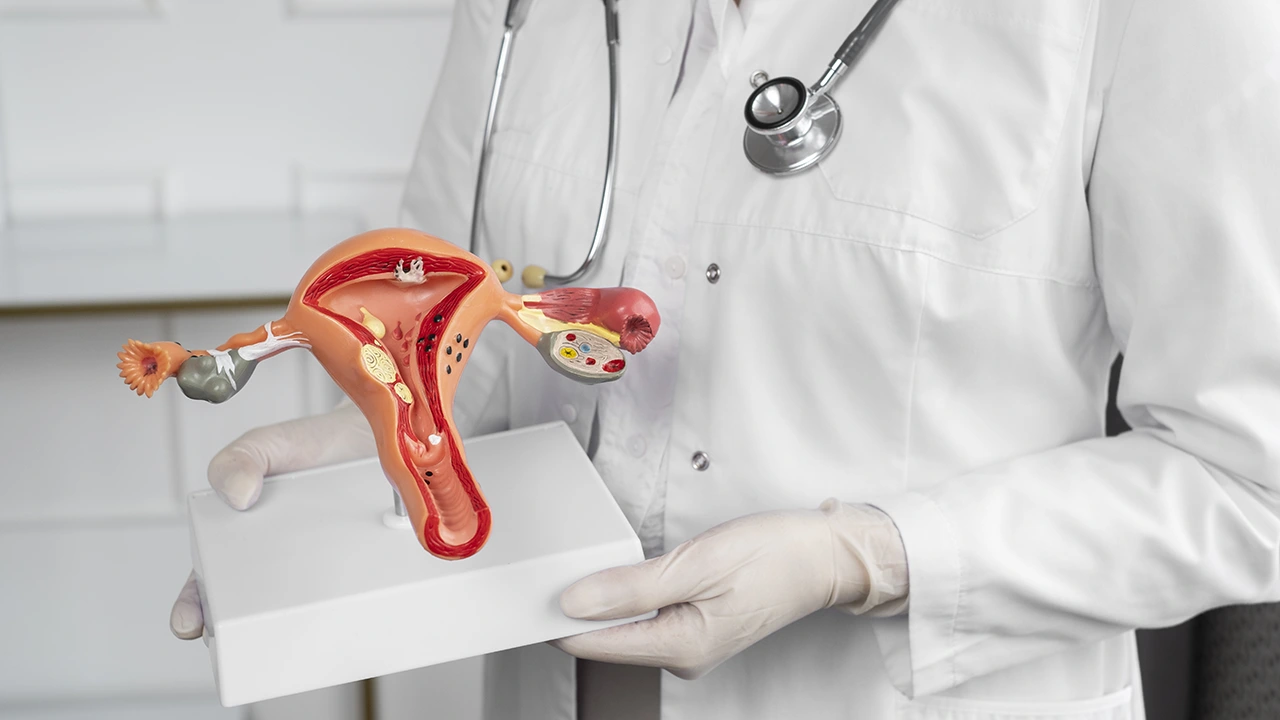
Womb transplantation is giving women with absolute uterine factor infertility the chance to carry and deliver their own child. This article explains how the process works from donor to delivery, who may be suitable, the risks involved and what recent births from living and deceased donors mean for patients.

Advanced female age causes fertility decline through reduced egg quantity, increased chromosomal abnormalities, and mitochondrial dysfunction. Understanding these biological mechanisms helps women make informed family planning decisions. Modern fertility treatments including IVF, preimplantation genetic testing, and egg freezing offer practical solutions to overcome age-related reproductive challenges when trying to conceive.
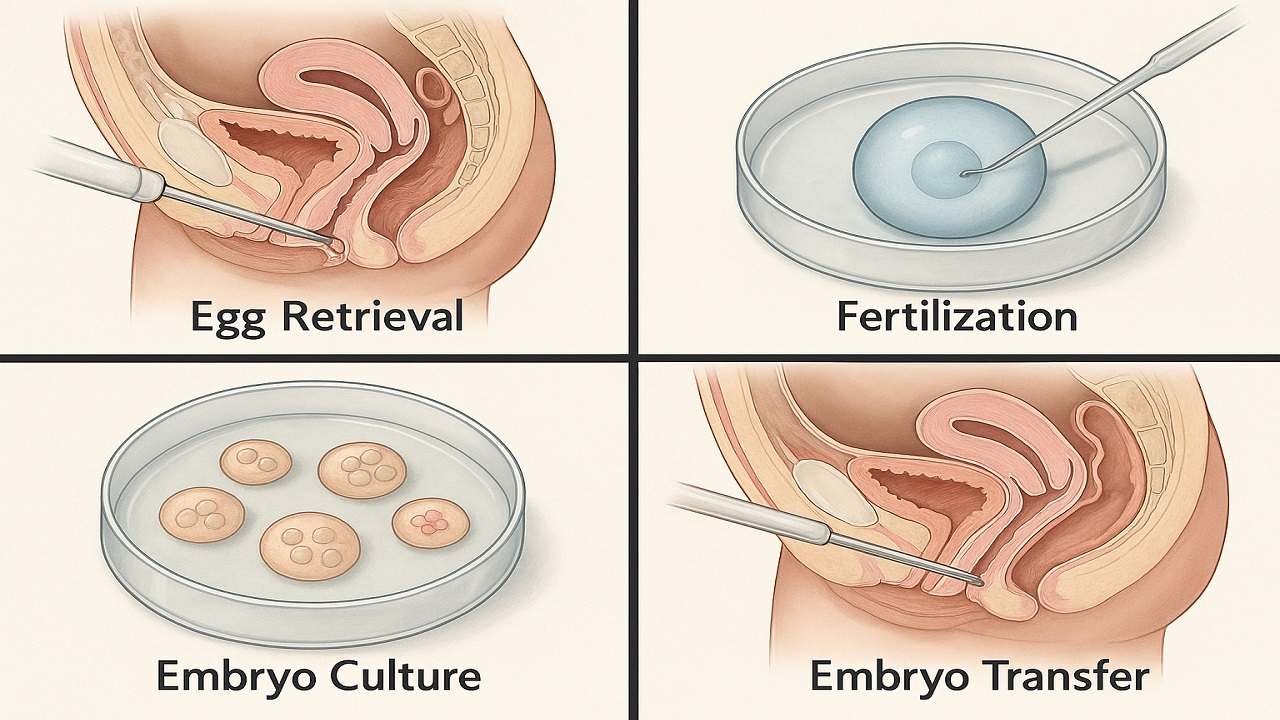
In Vitro Fertilization (IVF) process step by step, emphasising the importance of various stages such as ovarian stimulation, egg retrieval, fertilization, and embryo transfer in maximising the In Vitro Fertilization (IVF) Success Rate. It highlights how a thorough understanding of the procedure can prepare couples and individuals for their In Vitro Fertilization(IVF) journey, ultimately improving their chances of achieving a successful pregnancy.

Vitamin D Deficiency Affect IVF outcomes by influencing endometrial receptivity, embryo quality, and hormone balance. Clinical evidence, age-specific risks, and PCOS implications, while offering actionable strategies to optimize Vitamin D levels and improve IVF success rates and pregnancy outcomes in a structured, patient-focused approach.
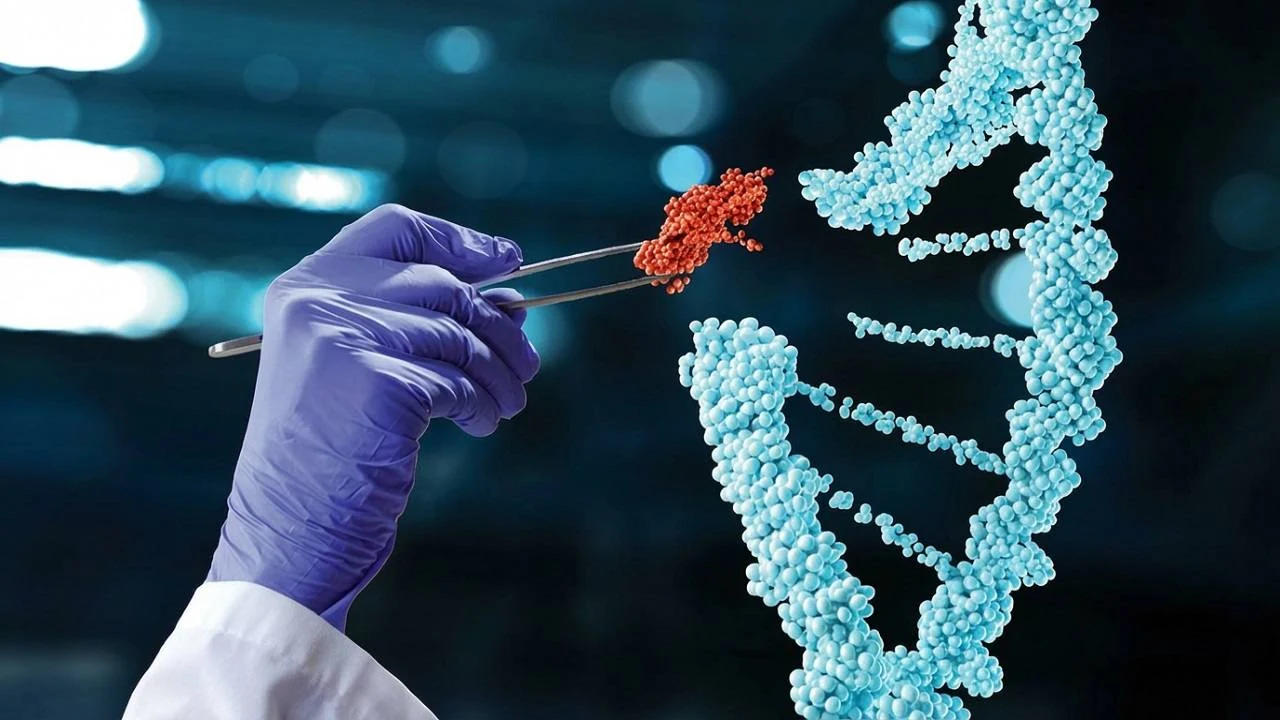
Preimplantation Genetic Testing (PGT) revolutionizes IVF by screening embryos for chromosomal abnormalities and genetic disorders before transfer. This advanced technology increases pregnancy success rates, reduces miscarriage risk, prevents inherited diseases, and shortens time to pregnancy while providing diagnostic clarity and reducing emotional stress for couples.

Clinical evidence increasingly demonstrates that emotional stress or grief reduces the chances of IVF success through sophisticated biochemical pathways that directly influence reproductive physiology. This relationship extends far beyond simple correlations, revealing profound mechanistic connections between psychological distress and the delicate orchestration of hormonal events essential for successful conception.