Home
 ArticlesArticles
The importance of diagnosing and treating sperm quality issues is crucial for couples facing infertility. It outlines various methods for treating sperm quality issues, including lifestyle changes, medical treatments, and assisted reproductive technologies. The goal is to improve sperm health and enhance the chances of conception.




When a couple experiences difficulty conceiving, diagnosing and treating sperm quality issues is often a critical part of the fertility process. When a couple experiences difficulty conceiving a child, identifying potential sperm quality issues is often a critical part of the process. Recent innovations in medical diagnostics and treatments have improved sperm quality, which is good news for couples looking to start or grow their families.
Treating sperm quality issues through a variety of medical and lifestyle interventions is the next crucial step after diagnosing sperm quality problems. Problems with sperm quality are usually diagnosed if a couple has been trying to get pregnant for a year without success with regular unprotected sexual intercourse. When a woman is younger than 35, this is the typical time frame during which fertility experts begin to examine factors affecting male fertility, like age. For women over 35, couples are typically advised to seek help after six months of trying.
 Diagnosing sperm quality starts with visiting a fertility specialist. The doctor will go over the patient’s medical history and lifestyle factors, as well as possible symptoms. Based on the initial assessment, the following tests may be ordered:
The most common and best diagnostic test of sperm quality is a semen analysis. This test assesses several of the following factors:
Hormonal imbalances can affect sperm production. A reproductive endocrinologist may take blood tests to measure levels of hormones, including:
These tests are helpful to find any underlying hormonal issues that may be affecting sperm quality.
Genetic testing will be suggested if any hereditary issues are suspected to be impeditive to sperm generation. This is especially applicable if semen analysis shows low sperm count or poor sperm quality. Genetic testing can detect Y-chromosome microdeletions, which may affect fertility.
Overall health and physical examination or ultrasound may be carried out to determine the presence of structural malformations like varicocele, blockage of the reproductive tract, or prostate abnormalities. Such conditions can affect sperm quality and may need to be treated or require surgery.
Choosing the best treatment for sperm quality issues is the next step. The good news is that there are various solutions available for improving sperm quality or helping with conception, even if the quality is less than ideal.
Making positive changes to lifestyle factors can be an essential first step in treating sperm quality issues, leading to improved overall sperm health. For many men, optimising lifestyle habits can make a big difference in sperm health:
If hormonal imbalances are contributing to low sperm quality, medications can be used to treat these issues, helping to restore sperm production.
For example:
For men with structural issues, surgical interventions like varicocele repair can significantly improve sperm quality, count, and motility.
For example:
For couples that still cannot conceive after addressing sperm quality issues, assisted reproductive technologies (ART) can assist. There are two types of ART techniques:
For cases where sperm quality issues are severe, assisted reproductive technologies such as IVF with ICSI are often used to bypass sperm challenges and improve fertility outcomes.
Sperm quality problems can be a major cause of a couple’s fertility troubles, but diagnosing and treating them has come a long way. From lifestyle modifications and pharmaceutical interventions to cutting-edge assisted reproductive technologies, there is a range of highly effective solutions. Actively seeking diagnosis and taking steps toward treatment can help a couple’s chances of conceiving, giving hope to those who may be struggling with infertility. With a fertility specialist's help, sperm quality issues are one of those things men can do something about, and their chances of fatherhood can improve.


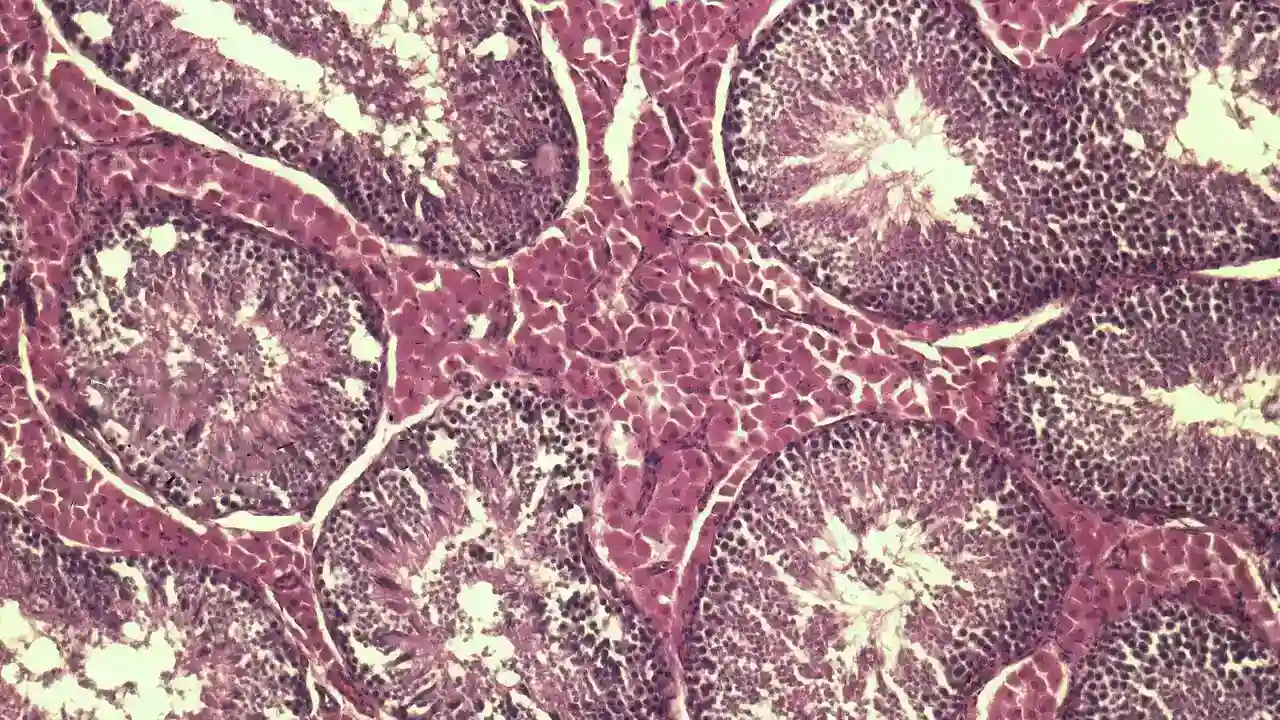
Boys treated for cancer before puberty cannot bank sperm, but freezing testicular tissue containing spermatogonial stem cells may one day restore their fertility. This article explains how the first transplants in adult survivors work, what the early research shows, the risks involved and why families should know about this option.
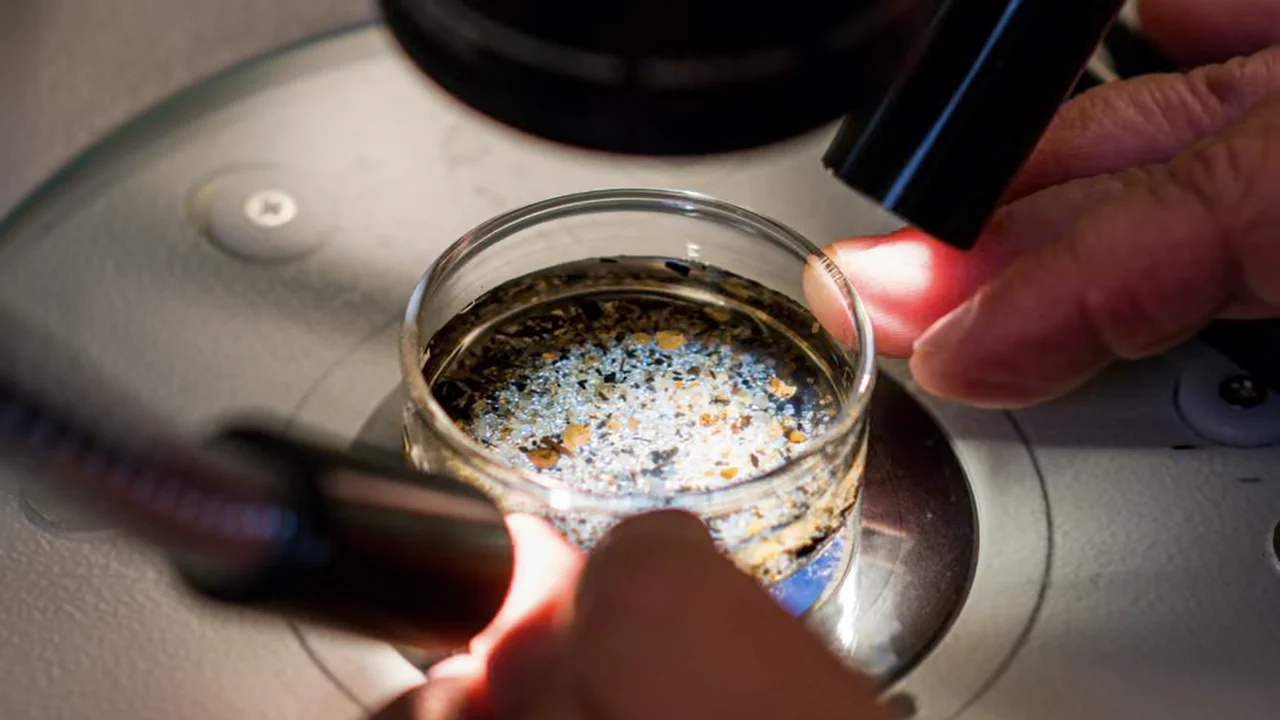
Microplastics have now been found in human follicular fluid and seminal fluid. This article explores the fast-growing body of research on microplastics and fertility, what scientists know and do not yet know about their effects on eggs and sperm, and practical, evidence-based ways that couples can reduce their everyday exposure.

Fertility conversations often focus on women, yet new research on sperm epigenetics shows a father's environment matters too. This article explains how air pollution may alter chemical marks on sperm DNA, why those changes could matter for fertility and pregnancy, and the practical steps men can reasonably consider before conception.
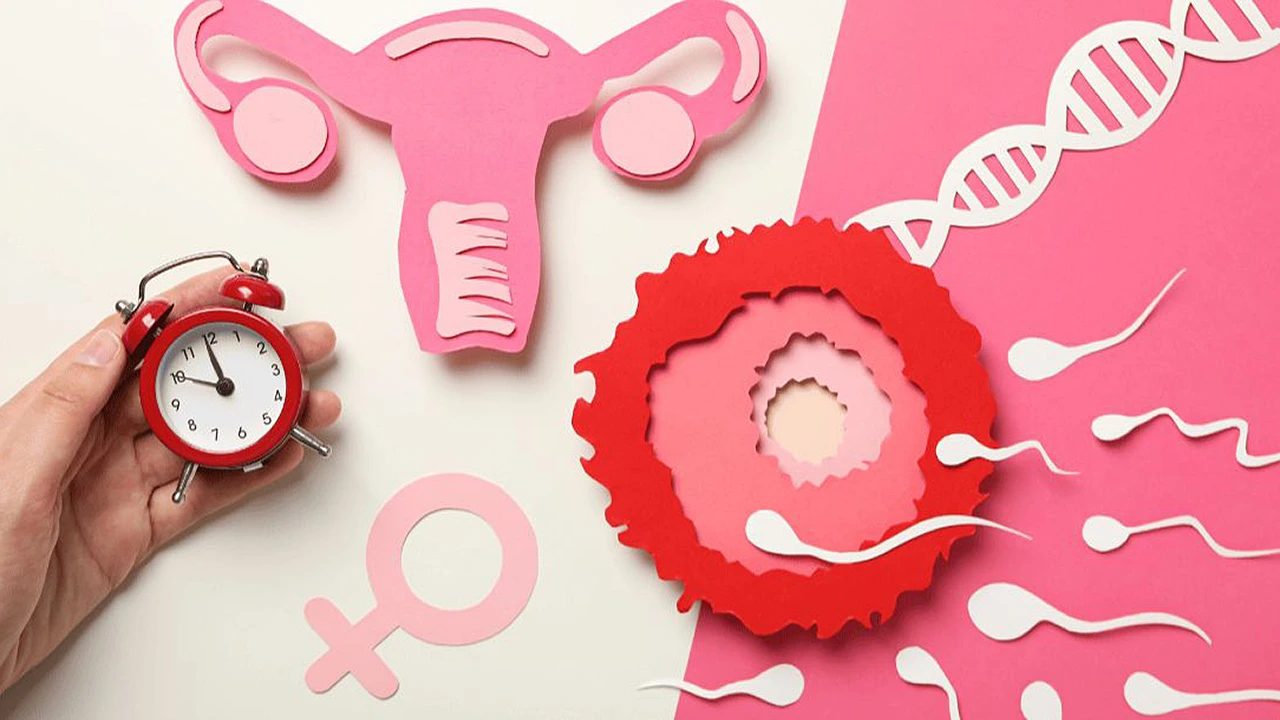
Donor eggs have long been seen as a way to reset the reproductive clock, but new research suggests uterine ageing also plays a role. This article explains what the latest evidence shows, how the ageing uterus may affect implantation and pregnancy, and how women in their late forties can prepare.

In vitro gametogenesis, the science of creating eggs and sperm from ordinary body cells, has moved from mouse studies towards human research. This article explains how the approaches work, what recent milestones really show, the obstacles that remain and why clinical use is still likely to be several years away.
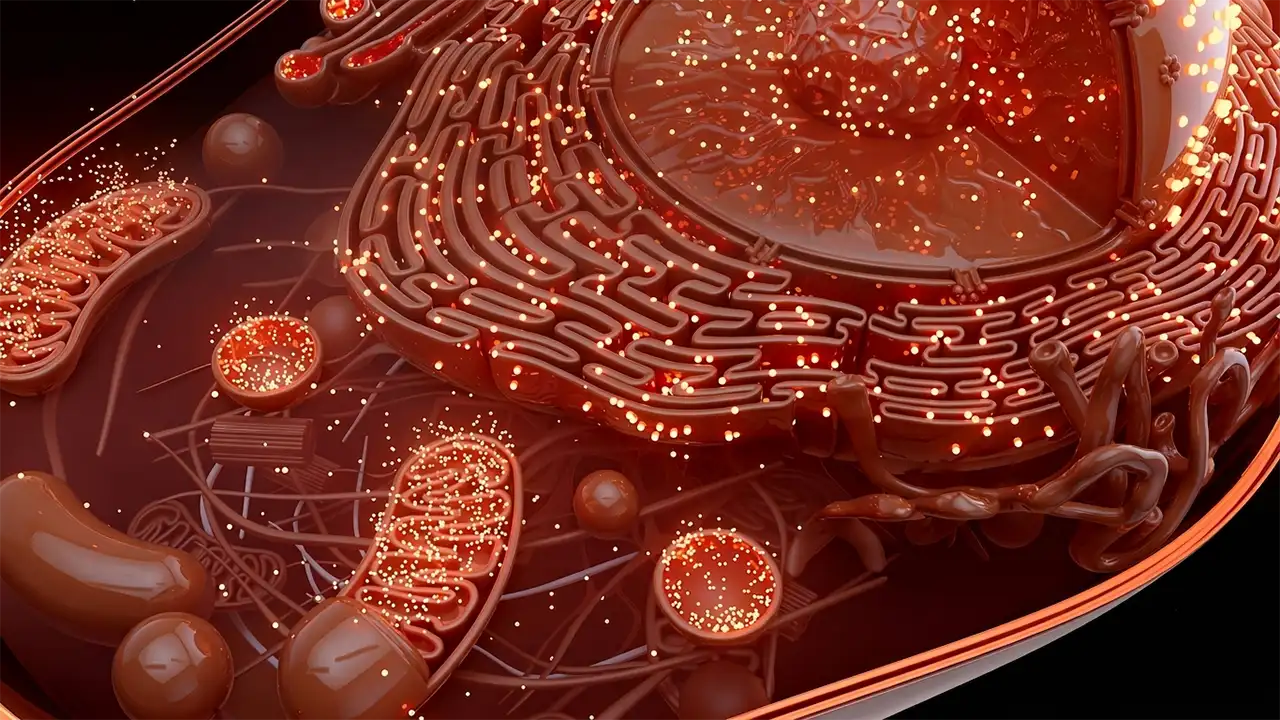
Mitochondrial donation, often called three-parent IVF, has now produced the first detailed clinical results, with healthy children born to mothers at high risk of passing on mitochondrial disease. This article explains how the technique works, who it is for, what the evidence shows and which scientific questions remain open

A new AI sperm recovery technique is changing the outlook for men with azoospermia. This article explains how the STAR method scans semen samples for rare hidden sperm, what its first reported pregnancy means, who may benefit, and the key questions couples should raise with their own fertility specialist.

