Home
 ArticlesArticles
Uterine septum impacts female fertility, examining diagnostic protocols, pregnancy complications, and the transformative role of assisted reproductive technology in improving conception rates and live birth outcomes for affected women.



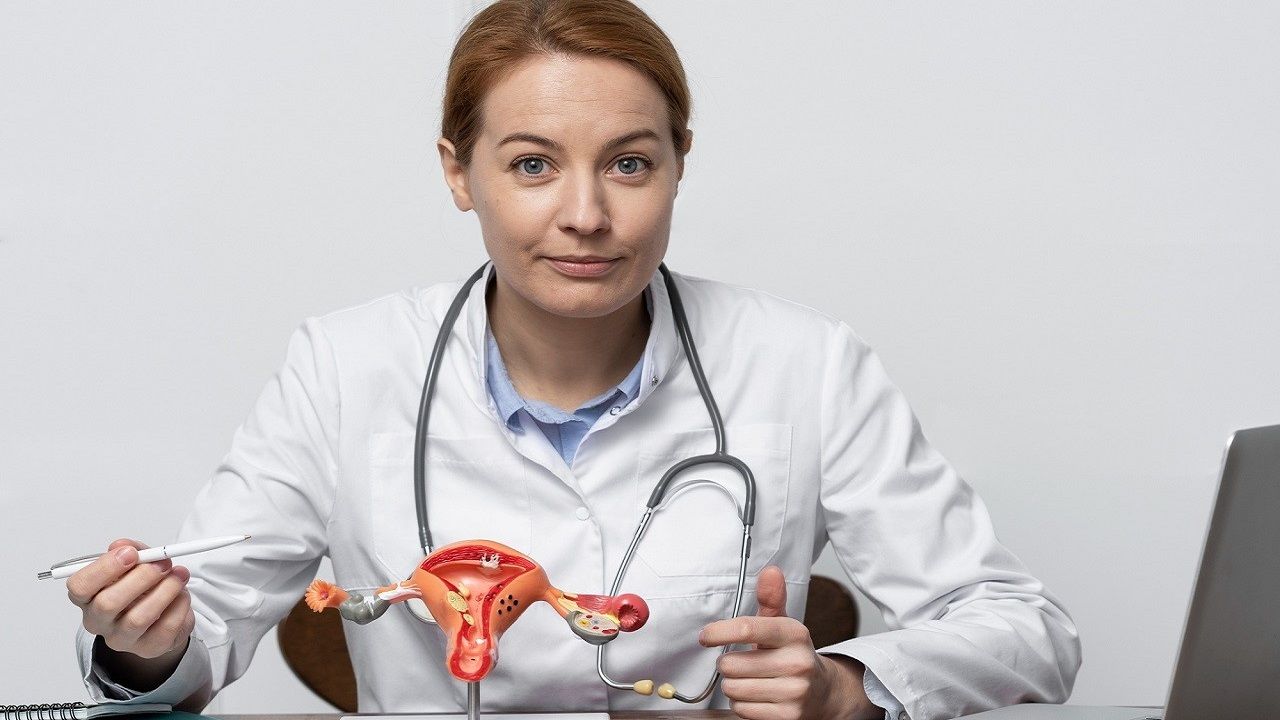
Imagine your uterus as a single room where a baby grows. A uterine septum is like having a wall or divider running down the middle of that room, splitting it into two smaller spaces. This wall forms before you're born, during the development of your reproductive organs, and most women don't know they have it until they try to get pregnant or experience pregnancy complications.
The septum can be partial (like a half-wall) or complete (extending all the way down to the cervix). Unlike the healthy, blood-rich uterine lining where embryos normally implant, this septal tissue has poor blood supply and can't properly support a growing pregnancy. Think of it as trying to plant a seed in rocky soil instead of fertile ground the seed might attach, but it struggles to grow. This is fundamentally how uterine septum affect fertility in women, creating both physical barriers and biological challenges that interfere with conception and pregnancy maintenance.

Understanding how uterine septum affect fertility in women helps explain why this condition causes pregnancy challenges. The septum creates multiple problems:
Most women with a uterine septum have no symptoms during their regular menstrual cycles. The condition typically reveals itself only when trying to conceive or during pregnancy. Here's when doctors start investigating:

If your doctor suspects a uterine septum, several imaging tests can confirm the diagnosis. Modern technology has made this process much easier and less invasive than in the past.
The positive news is that uterine septum is one of the most treatable causes of infertility and recurrent miscarriage. A minimally invasive procedure called hysteroscopic septoplasty can remove the septum and restore your uterus to its normal shape.
Before the Procedure:
For many women, combining septoplasty with assisted reproductive technology (ART) offers the best chance of achieving a healthy pregnancy. This is especially true if you have other fertility factors or if you're over 35.
IVF (In Vitro Fertilization):
Success rates: 55-65% live birth rate per embryo transfer after septoplasty
Success rates: 15-20% per cycle, cumulative success over 6 months: 60-70%
If you've been diagnosed with a uterine septum, it's natural to feel overwhelmed. But here's the most important thing to remember: uterine septum affect fertility in women in significant ways, but this condition is highly treatable, and the vast majority of women go on to have successful pregnancies after treatment.
Hysteroscopic septoplasty is a safe, minimally invasive procedure with excellent success rates. When combined with modern fertility treatments like IVF, your chances of achieving a healthy pregnancy are comparable to women without uterine abnormalities. The journey may involve some waiting, medical procedures, and emotional ups and downs, but the outcome of holding your healthy baby is within reach for most women.
Work closely with a reproductive specialist who has experience treating uterine septum. Ask questions, advocate for yourself, seek emotional support, and stay informed. With the right medical care and support system, you can overcome how uterine septum affects fertility in women and build the family you've been dreaming of.


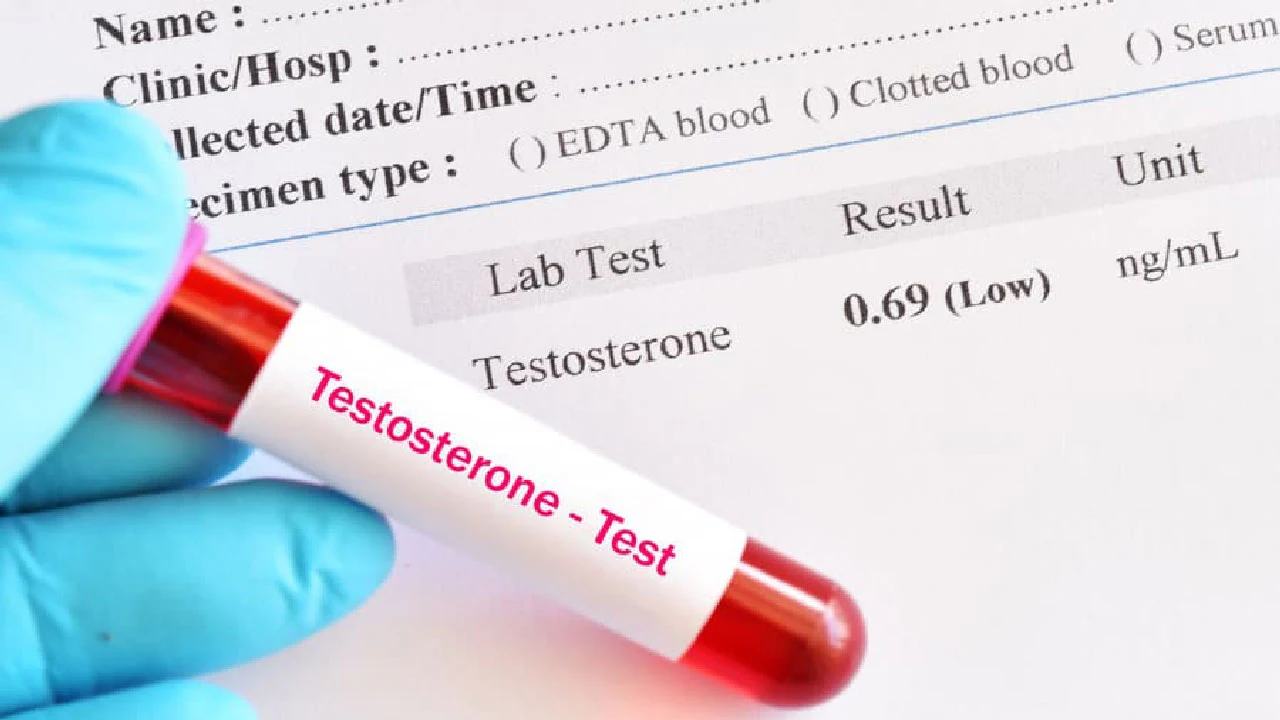
Clinical pearls for treating infertility and low testosterone in men, emphasizing reproductive goal assessment, empiric medical therapies, and comprehensive multidisciplinary management strategies.
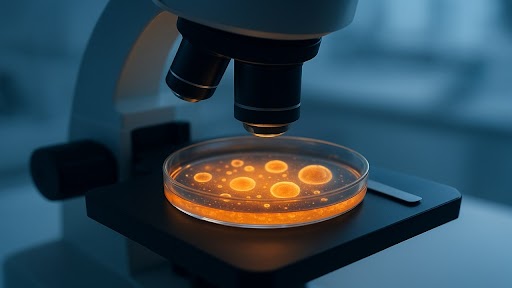
The potential of stem cells to improve ovarian reserve and egg quality, focusing on their application in women with diminished fertility. It discusses how mesenchymal stem cells and other stem cell therapies can rejuvenate ovarian function by enhancing the ovarian environment, promoting tissue repair, and stimulating follicle growth. While the therapy shows promise, the article emphasizes the need for more extensive studies to understand its efficacy and safety.

Common questions about pregnancy with polycystic ovary syndrome (PCOS) through IVF and IUI. It discusses PCOS-related infertility, success rates, treatment options, and the importance of personalised protocols. Emphasising holistic care and emotional support, it offers hope and insights for women navigating the challenges of PCOS.
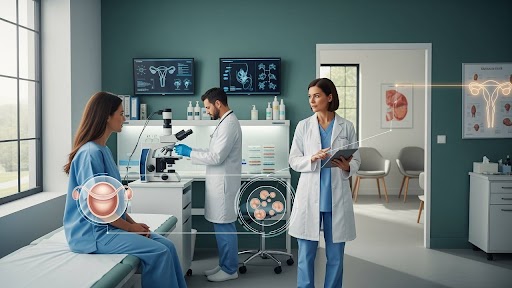
Assisted Reproductive Technology (ART), a groundbreaking medical field that provides solutions for individuals and couples facing fertility challenges. It defines ART, explains its core techniques such as In Vitro Fertilization (IVF) and Intracytoplasmic Sperm Injection (ICSI), and discusses clinical applications and success rates.

Coping with miscarriage after Assisted Reproductive Technology (ART) is an emotional journey requiring time, communication, and self-care. Couples can heal together by honoring their loss and seeking support. With patience and hope, they can navigate the pain and rediscover strength while coping with miscarriage after Assisted Reproductive Technology (ART).
How obesity affects IVF outcomes, highlighting how excess body weight disrupts hormonal balance, ovarian function, and embryo implantation. It discusses risks during pregnancy, the importance of psychosocial factors, and the need for integrated care. Emerging interventions and lifestyle changes show promise for improving success rates in obese women undergoing IVF.

Fertility options for men after testicular cancer, addressing how treatments like surgery and chemotherapy can impact reproductive health. It discusses preservation methods such as sperm banking and TESE, along with post-treatment options including assisted reproductive technologies. Psychological considerations and emerging treatments offer hope for future parenthood.