Home
 ArticlesArticles
The best age to freeze sperm and eggs depends on biology, fertility health, and personal choice. Experts recommend egg freezing before 35 and sperm freezing before 40 for stronger outcomes. Advances in technology and lifestyle factors also shape fertility preservation decisions.




In a world where personal goals, careers, and social changes often delay parenthood, fertility preservation has become both a medical and cultural breakthrough. Egg and sperm freezing allow individuals to take control of their reproductive timelines, but a question inevitably arises: what is the best age to freeze sperm/eggs and the egg retrieval process?
This question intertwines biology, technology, and personal choice. While science has mapped out clear patterns of reproductive decline, modern medicine has built bridges that help extend the possibility of parenthood to later years. Understanding when to freeze gametes is not just a clinical inquiry, it is a decision that touches the very essence of how we envision our future families.
Fertility is closely tied to age, and while the decline is more dramatic in women than men, both experience biological changes over time.

Thus, the best age to freeze sperm/eggs aligns directly with the biology of peak gamete health.
Medical experts emphasise a range rather than a fixed number. The consensus is:

This window maximises biological advantages while providing individuals with psychological reassurance about future options.
Today, career ambitions, financial planning, and personal milestones often push parenthood further into the future. Fertility preservation is increasingly viewed not as a desperate measure but as a strategic choice.
Egg freezing has become popular among women in their late 20s and early 30s, not due to infertility but to safeguard fertility potential. For men, sperm freezing is less common but steadily growing, particularly in professions with occupational risks or for those with later-life family plans.
The reality is simple: biology waits for no one. Freezing at the best age to freeze sperm/eggs provides peace of mind while aligning with modern lifestyles.
Fertility preservation, while promising, comes with caveats. Egg retrieval requires hormonal stimulation and minor surgical intervention, with risks like ovarian hyperstimulation. Sperm freezing is simpler but still involves long-term storage costs.
More importantly, frozen gametes are not guarantees. They serve as insurance, raising the probability of success but never assuring pregnancy. Managing expectations is as crucial as making the decision itself.
With every passing year, technology expands the possibilities. AI-driven embryo selection, improved cryopreservation methods, and genetic screening continue to raise success rates. It is possible that in the future, the question of age to freeze sperm/eggs may not feel as urgent, as science stretches the biological limits further.
For now, however, timing remains the most decisive factor. Choosing earlier increases your chances of success and minimises future complications.
Ultimately, the best age to freeze sperm/eggs is not simply about years it is about aligning biology with life’s broader timeline. For women, freezing before 35 ensures the highest potential; for men, freezing before 40 provides the strongest outcomes.

The power of fertility preservation lies in giving individuals choice. While age dictates biology, technology has given us a chance to preserve options allowing future families to take shape when the time is truly right.


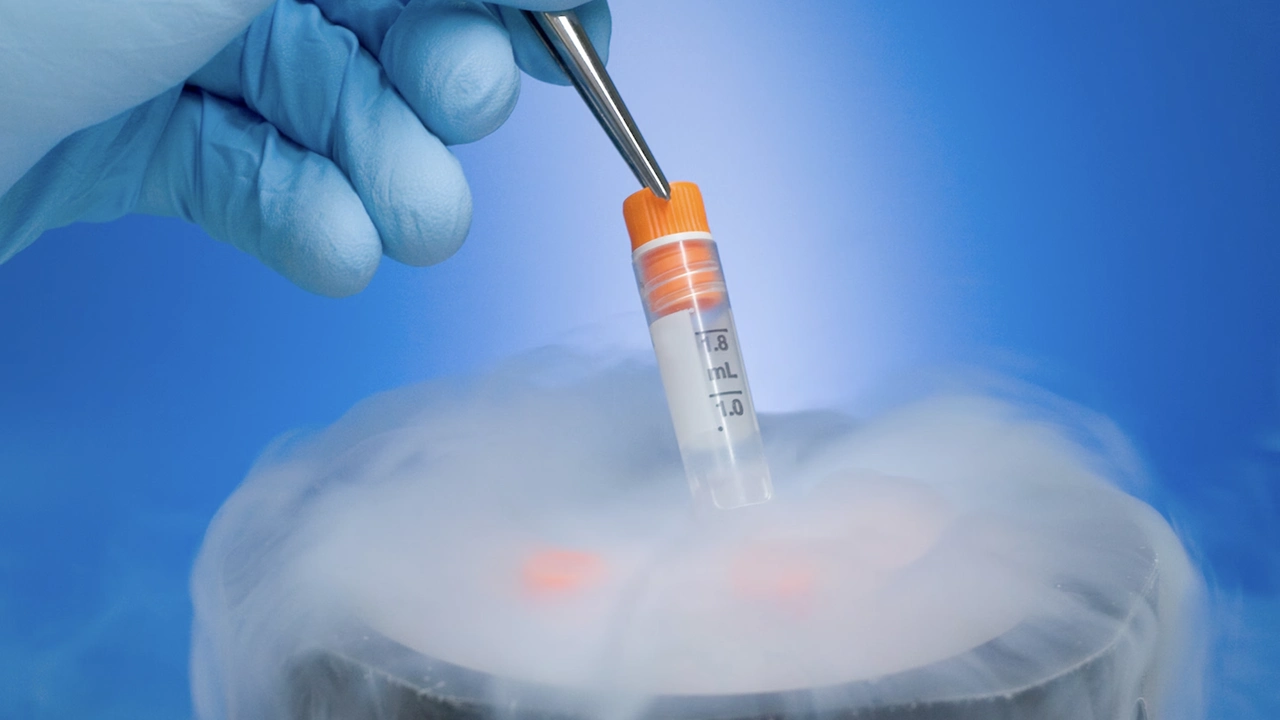
Frozen Egg Thawing survival rates average 80–90% with modern vitrification. Age at freezing is the biggest success factor, younger eggs fertilize better and develop stronger embryos. Banking 10–20 mature eggs improves live birth odds. ICSI remains the gold standard, with blastocyst transfer offering the highest implantation rates.
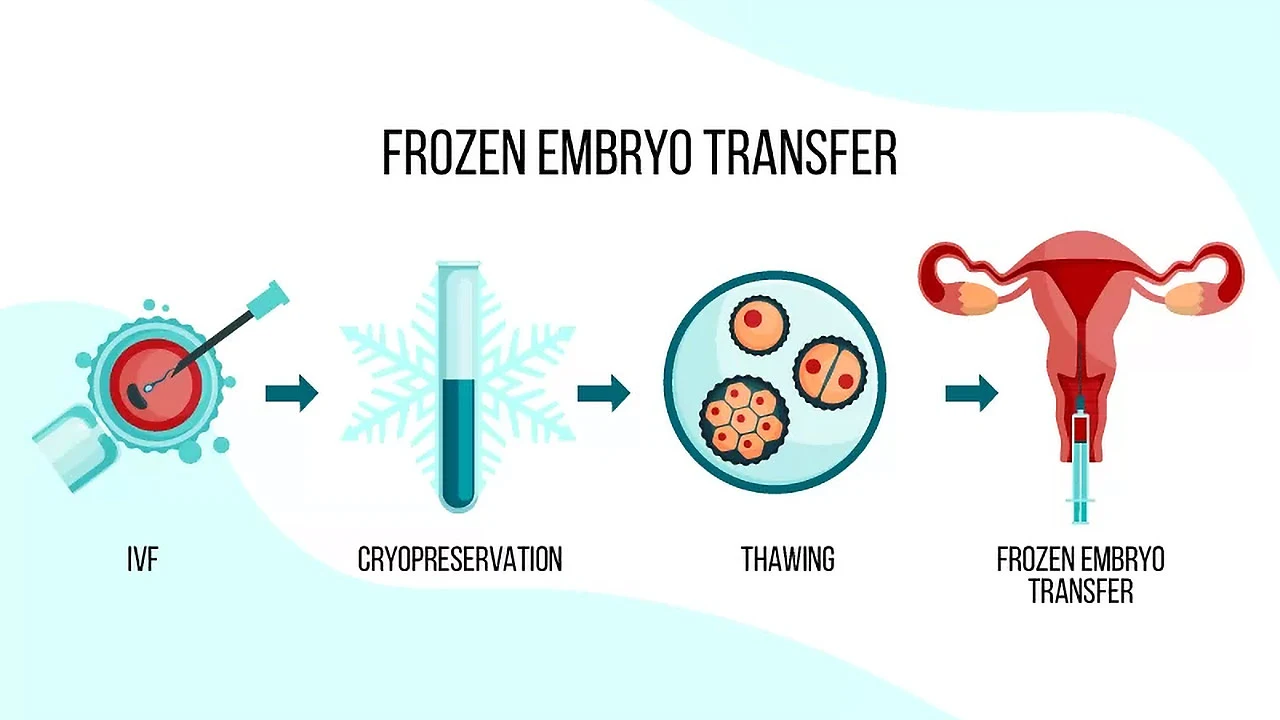
Frozen embryo transfer (FET) is a fertility procedure where previously created and frozen embryos are thawed and placed into the uterus. This comprehensive guide explains the FET process, success rates, benefits, and why it's become a preferred option for many people navigating infertility treatment and building their families.
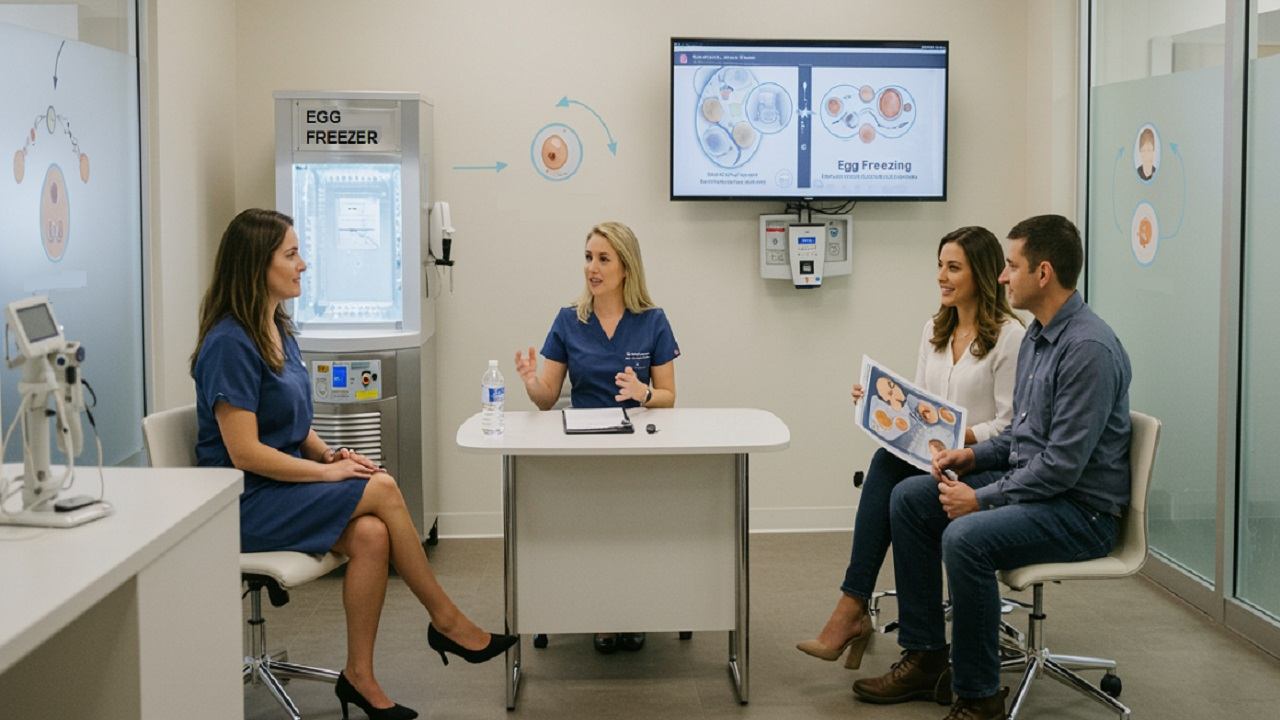
The vital role of fertility preservation and egg donation in helping women overcome reproductive challenges, allowing them to control their family planning. It highlights how these advancements in reproductive medicine enable women to preserve their fertility and access healthier eggs for future pregnancies.
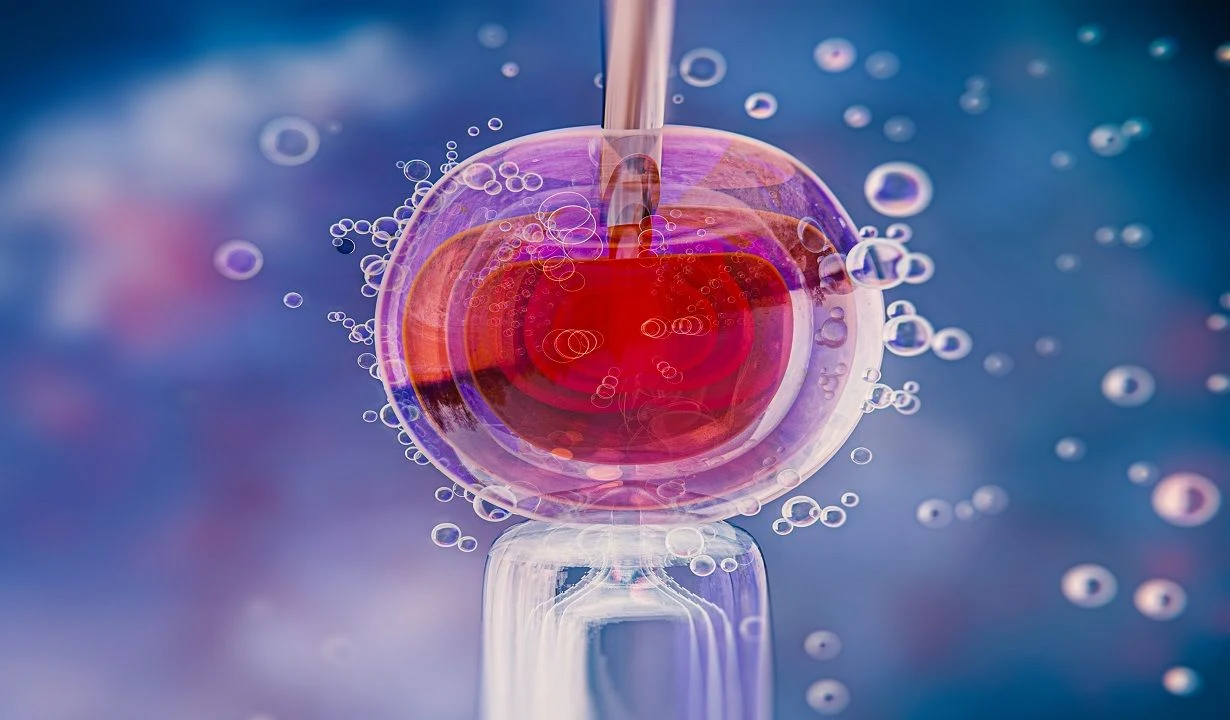
Egg freezing does not reduce natural fertility or ovarian reserve. This comprehensive guide examines how oocyte cryopreservation works, success rates by age, potential risks including OHSS, costs, and psychological benefits. Facts about preserving reproductive options while maintaining natural conception ability for career-focused and medically indicated fertility preservation.
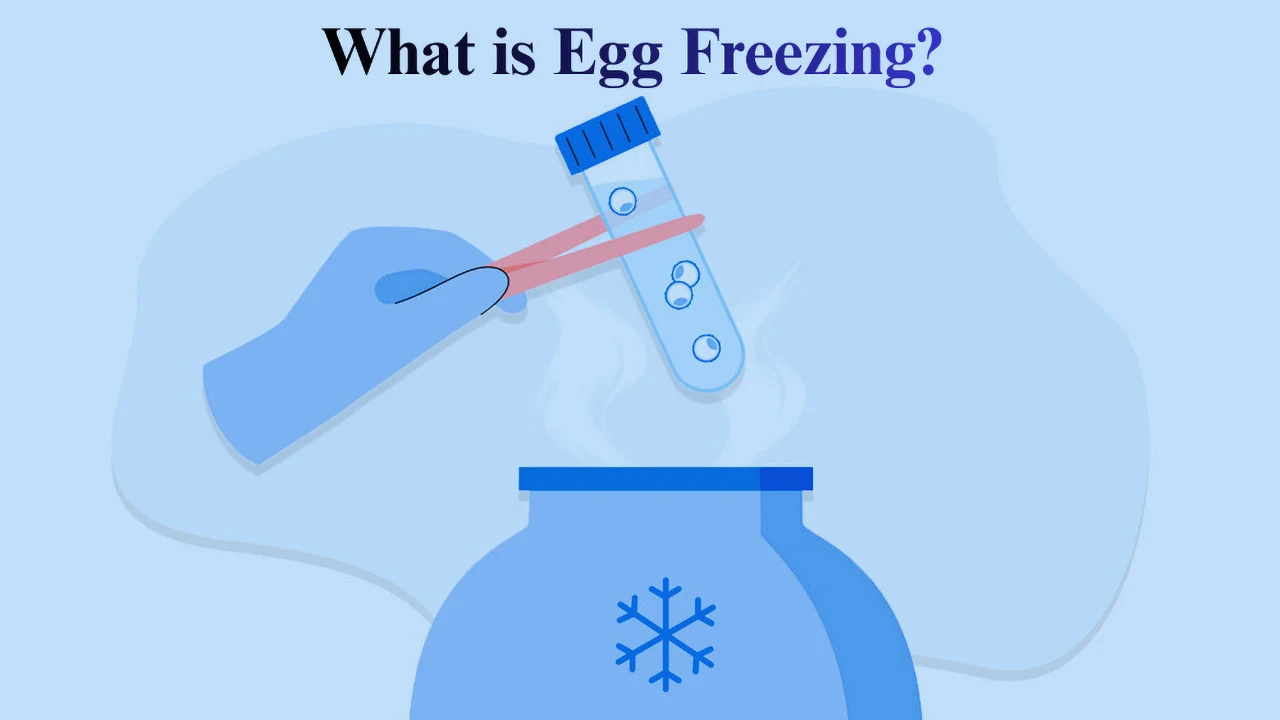
Egg freezing allows women to preserve their fertility by extracting, freezing, and storing eggs for future use. Whether postponing parenthood for career, personal reasons, or medical treatments, this comprehensive guide explains the process, costs, success rates, and who should consider this increasingly popular fertility preservation option.
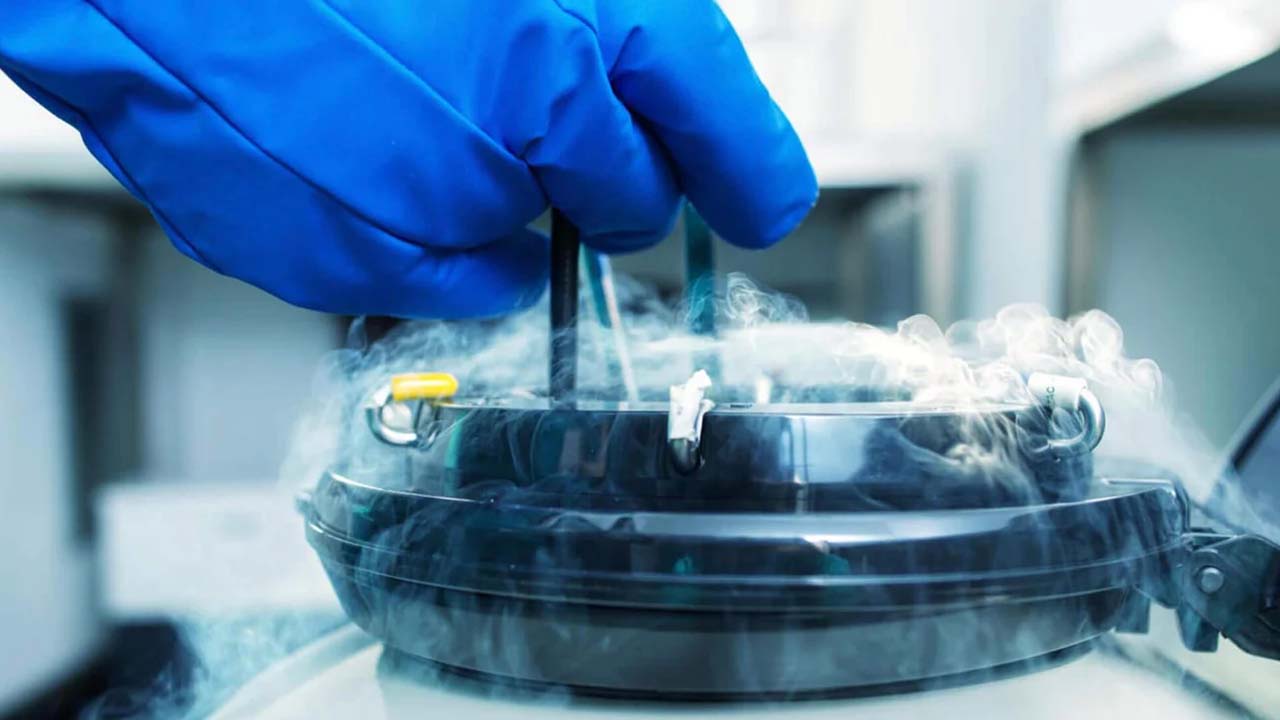
Vitrification vs slow freezing is reshaping ovarian tissue cryopreservation strategies. While slow freezing offers a proven track record, vitrification shows stronger DNA protection and stromal preservation. As fertility preservation advances, clinicians weigh tradition against innovation to improve outcomes for cancer survivors seeking future motherhood.