Home
 ArticlesArticles
Preimplantation Genetic Testing screens embryos for genetic abnormalities before IVF transfer, helping couples improve pregnancy success rates and reduce miscarriage risk. This comprehensive guide explains the types of preimplantation genetic testing, who should consider it, the testing process, benefits, and important considerations for those navigating infertility treatment options.




If you're exploring fertility treatments, you've likely come across the term "PGT testing." This powerful tool has transformed how doctors help couples achieve healthy pregnancies, especially when facing infertility challenges. Understanding PGT testing can empower you to make informed decisions about your fertility journey and give you hope when building your family feels overwhelming.
PGT stands for Preimplantation Genetic Testing, a screening procedure performed on embryos created through in vitro fertilization (IVF) before they're transferred to the uterus. Think of it as a health check for embryos, helping doctors identify which ones have the best chance of leading to a successful, healthy pregnancy.
During IVF, eggs and sperm are combined in a laboratory to create embryos. Before transferring these embryos into the uterus, doctors can remove a few cells from each embryo and analyze them for genetic conditions or chromosomal abnormalities. This testing happens when embryos are just 5-6 days old, at a stage called the blastocyst stage.
The beauty of PGT testing is that it provides valuable information without harming the embryo's development potential, allowing you and your doctor to make the most informed choice possible.
There are three main types of PGT testing, each designed for different situations:
PGT testing isn't necessary for everyone undergoing IVF, but it can be particularly beneficial in these situations:
Your fertility specialist will discuss whether PGT testing aligns with your specific circumstances and goals.
Understanding the timeline helps reduce anxiety about the procedure:
The advantages of PGT testing extend beyond simply identifying healthy embryos:
While PGT testing offers remarkable benefits, it's important to understand its limitations:
We at FertilityIn believe that PGT testing represents hope and possibility for many couples struggling with infertility. By providing crucial genetic information about embryos before transfer, it helps optimize your chances of bringing home a healthy baby while potentially reducing the emotional toll of failed cycles and pregnancy loss.
If you're considering PGT testing, schedule a detailed consultation with a reproductive endocrinologist who can evaluate your specific situation, explain costs and success rates, and help you determine whether this technology is right for your family-building journey. Remember, you're not alone millions of people have successfully used PGT testing to achieve their dreams of parenthood, and with the right support and information, you can too.



Immunotherapy in restoring human fertility is emerging as a promising approach for addressing immune-related reproductive disorders. Recent clinical advances highlight its potential to improve implantation, pregnancy outcomes, and reproductive health, offering renewed hope for patients facing infertility linked to immune system dysfunction.

The smart fertility tracker market has transformed male fertility diagnostics, but how reliable are these devices? This report examines what at-home sperm tests actually measure, where they fall short compared to clinical analysis, and how men and couples can use them appropriately within a broader reproductive care pathway.
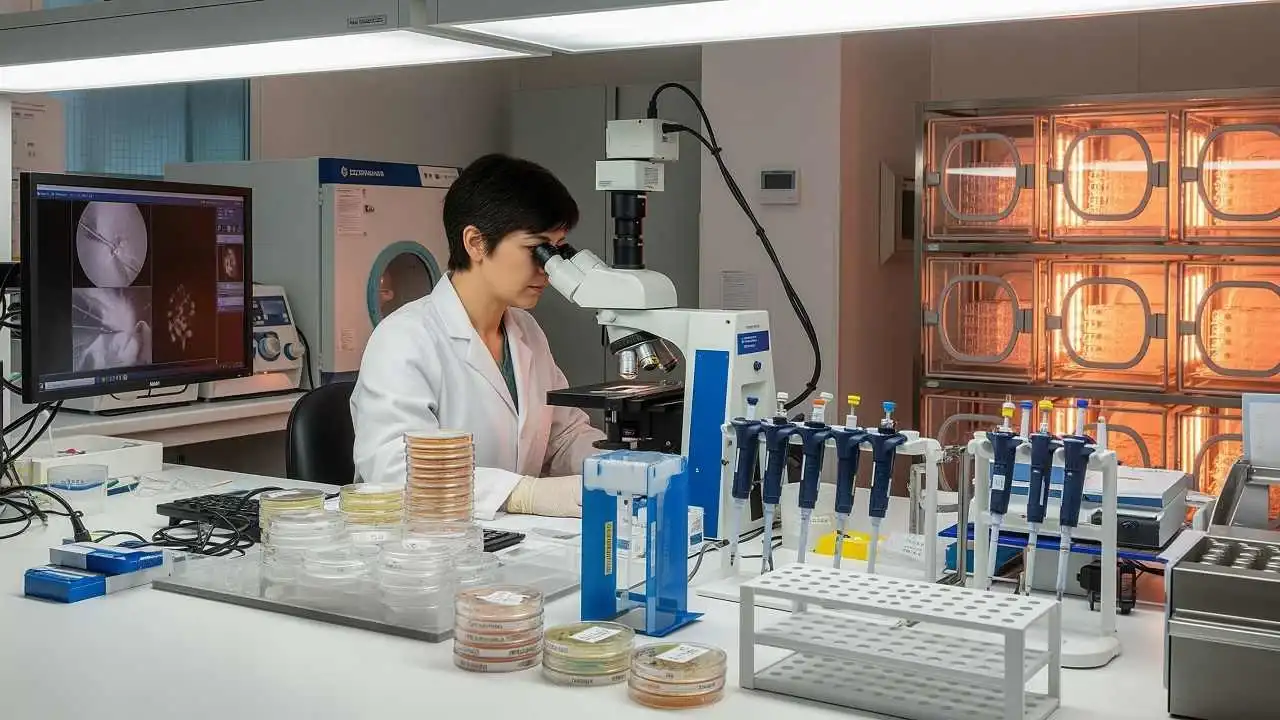
The distinct assisted reproductive technologies of Intrauterine Insemination (IUI), In Vitro Fertilization (IVF), and Intracytoplasmic Sperm Injection (ICSI). It outlines how each procedure works, the medical indications for their use, and their respective success rates. The importance of choosing the right treatment based on factors such as patient age, infertility diagnosis, and personal circumstances.

Assisted Reproductive Technology (ART), a groundbreaking medical field that provides solutions for individuals and couples facing fertility challenges. It defines ART, explains its core techniques such as In Vitro Fertilization (IVF) and Intracytoplasmic Sperm Injection (ICSI), and discusses clinical applications and success rates.

Common questions about pregnancy with polycystic ovary syndrome (PCOS) through IVF and IUI. It discusses PCOS-related infertility, success rates, treatment options, and the importance of personalised protocols. Emphasising holistic care and emotional support, it offers hope and insights for women navigating the challenges of PCOS.

The potential of stem cells to improve ovarian reserve and egg quality, focusing on their application in women with diminished fertility. It discusses how mesenchymal stem cells and other stem cell therapies can rejuvenate ovarian function by enhancing the ovarian environment, promoting tissue repair, and stimulating follicle growth. While the therapy shows promise, the article emphasizes the need for more extensive studies to understand its efficacy and safety.
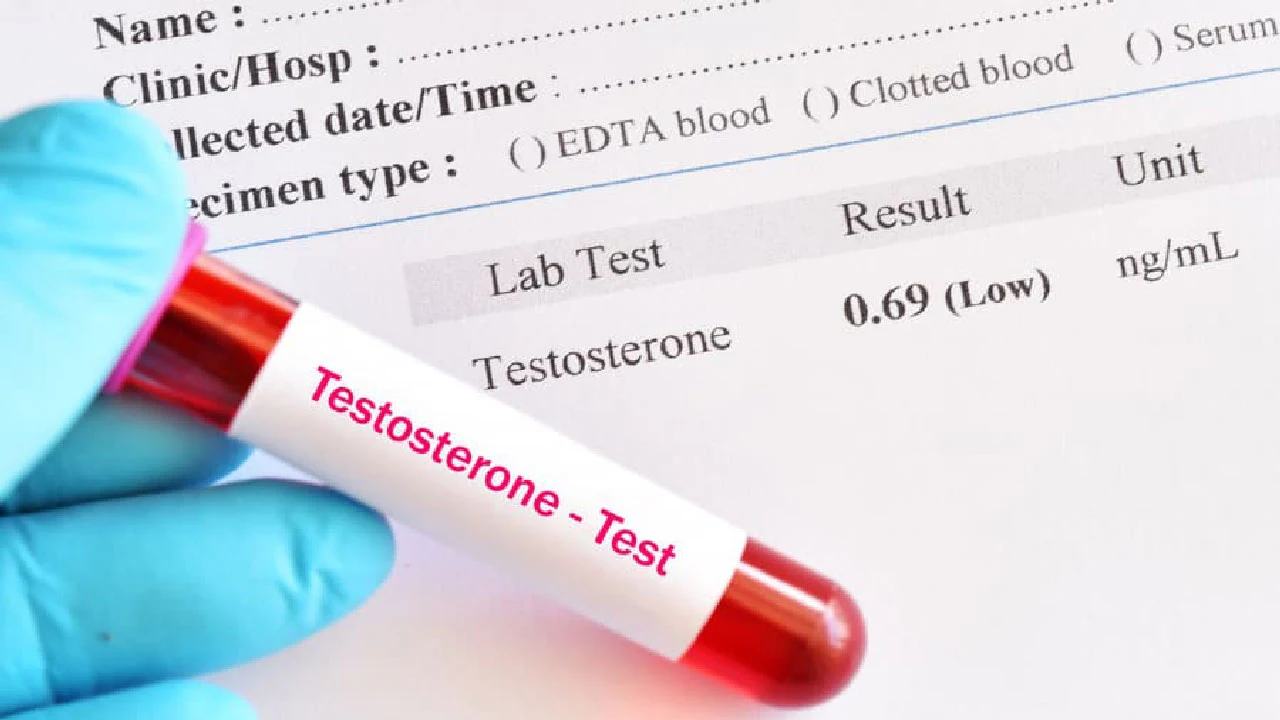
Clinical pearls for treating infertility and low testosterone in men, emphasizing reproductive goal assessment, empiric medical therapies, and comprehensive multidisciplinary management strategies.