Home
 ArticlesArticles
Understanding of what IVF is, how in vitro fertilization works, who may benefit, expected success rates, treatment stages and emotional considerations. It offers balanced, practical insight to support informed decision-making for individuals and couples exploring assisted reproductive treatment options.



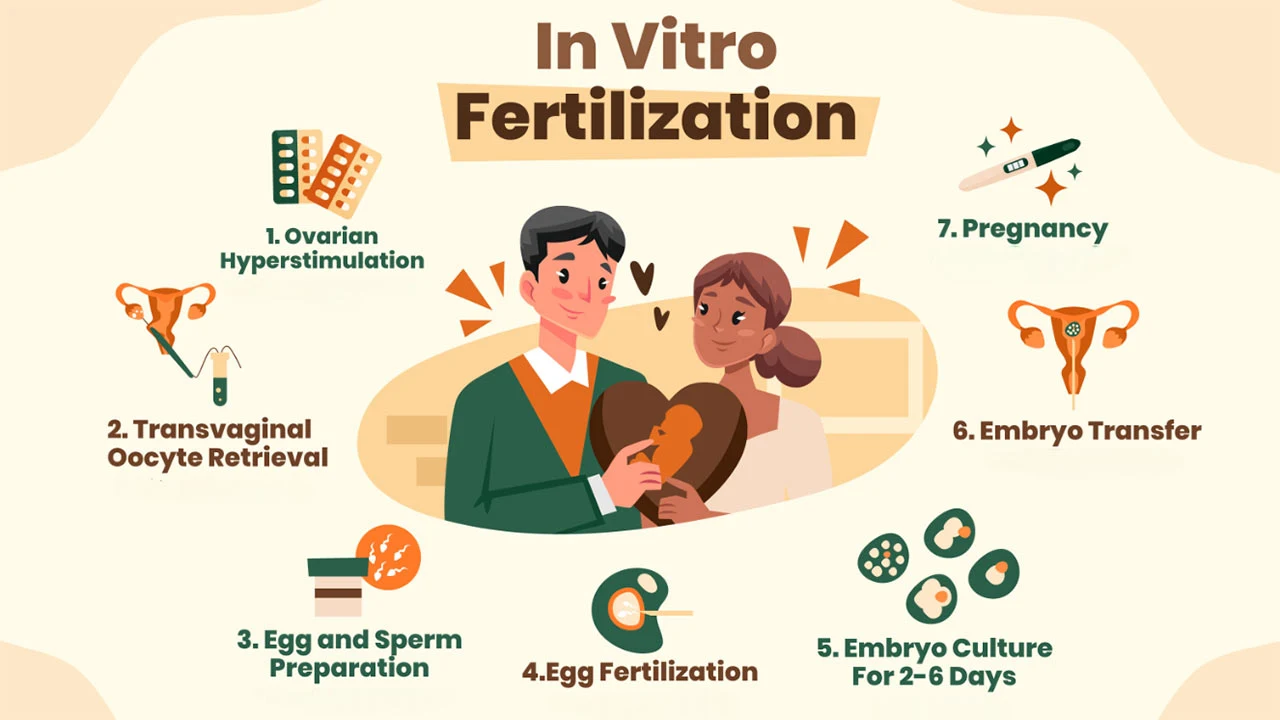
If you've been trying to conceive without success, you've likely heard about IVF. In vitro fertilization has helped millions of people worldwide become parents, yet many still find the process confusing or intimidating. This guide will walk you through everything you need to know about IVF in simple, straightforward terms because understanding your options is the first step toward making informed decisions about your fertility journey.
In vitro fertilization, commonly known as IVF, is a medical procedure that helps people conceive when natural conception proves difficult or impossible. The term "in vitro" is Latin for "in glass," referring to the fact that fertilization happens outside the body in a laboratory dish rather than inside the fallopian tubes.
Here's the simple explanation: doctors retrieve eggs from the ovaries, combine them with sperm in a controlled laboratory environment, and then transfer the resulting embryo back into the uterus. While this might sound complex, modern medicine has refined IVF into a well-established procedure with steadily improving success rates.
IVF isn't just for one type of fertility challenge it helps people facing various obstacles to conception:
Many couples try IVF after other fertility treatments haven't worked, while others proceed directly to IVF based on their specific diagnosis.
Understanding what happens during IVF can help reduce anxiety and prepare you for the journey ahead.
Your doctor prescribes hormone medications to stimulate your ovaries to produce multiple eggs instead of the single egg that typically develops each month. More eggs mean more opportunities for successful fertilization. This phase usually lasts 8-14 days, and you'll have regular ultrasounds and blood tests to monitor your progress.
When your eggs are mature, your doctor performs a minor surgical procedure to collect them. Using ultrasound guidance, they insert a thin needle through the vaginal wall to reach the ovaries and gently suction out the eggs. This procedure takes about 20-30 minutes and is performed under sedation, so you won't feel pain during the process.
In the laboratory, embryologists combine your eggs with sperm. This happens through either conventional insemination (mixing eggs and sperm together) or intracytoplasmic sperm injection (ICSI), where a single sperm is injected directly into each egg. The method chosen depends on factors like sperm quality and previous fertilization results.
Fertilized eggs, now called embryos, grow in the laboratory for 3-5 days. Embryologists monitor their development closely, watching for healthy cell division and growth patterns. Some clinics offer genetic testing at this stage to screen for chromosomal abnormalities.
Your doctor selects the healthiest embryo(s) and transfers them into your uterus using a thin, flexible catheter. This quick, painless procedure requires no anesthesia. Any remaining healthy embryos can be frozen for future use, giving you additional chances at pregnancy without repeating the entire process.
IVF success rates vary significantly based on several factors, with age being the most influential. Women under 35 typically have success rates of 40-50% per cycle, while rates decrease with age. Other factors affecting success include:
Remember that many people require multiple IVF cycles to achieve pregnancy. While this can feel discouraging, each cycle provides valuable information that helps doctors refine your treatment plan.
IVF is more than a medical procedure, it's an emotional experience that affects your daily life, relationships, and mental health. The hormone medications can cause mood swings, bloating, and fatigue. The waiting periods, especially the two weeks between embryo transfer and pregnancy testing, can feel overwhelming.
Building a support system is crucial. Consider connecting with:
If you're considering IVF, start by scheduling a consultation with a reproductive endocrinologist, a doctor specializing in fertility. They'll review your medical history, perform necessary tests, and create a personalized treatment plan.
Come prepared with questions about success rates, costs, medication protocols, and what makes you a good candidate for IVF. Understanding the financial investment is equally important, as IVF can be expensive and insurance coverage varies widely.
Remember, choosing IVF is a deeply personal decision. Take time to research, ask questions, and ensure you feel comfortable with your medical team. Thousands of families have been built through IVF, and with the right information and support, you can make the choice that's right for your fertility journey.



Advanced female age causes fertility decline through reduced egg quantity, increased chromosomal abnormalities, and mitochondrial dysfunction. Understanding these biological mechanisms helps women make informed family planning decisions. Modern fertility treatments including IVF, preimplantation genetic testing, and egg freezing offer practical solutions to overcome age-related reproductive challenges when trying to conceive.
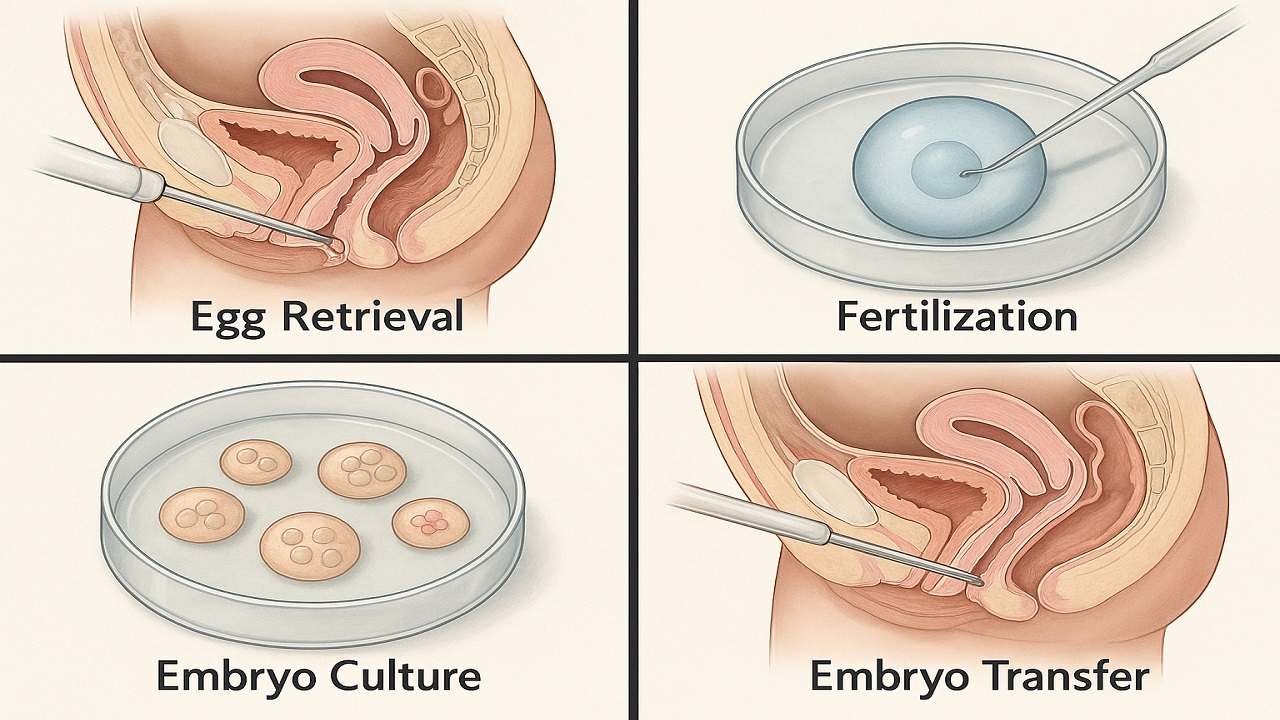
In Vitro Fertilization (IVF) process step by step, emphasising the importance of various stages such as ovarian stimulation, egg retrieval, fertilization, and embryo transfer in maximising the In Vitro Fertilization (IVF) Success Rate. It highlights how a thorough understanding of the procedure can prepare couples and individuals for their In Vitro Fertilization(IVF) journey, ultimately improving their chances of achieving a successful pregnancy.

Vitamin D Deficiency Affect IVF outcomes by influencing endometrial receptivity, embryo quality, and hormone balance. Clinical evidence, age-specific risks, and PCOS implications, while offering actionable strategies to optimize Vitamin D levels and improve IVF success rates and pregnancy outcomes in a structured, patient-focused approach.
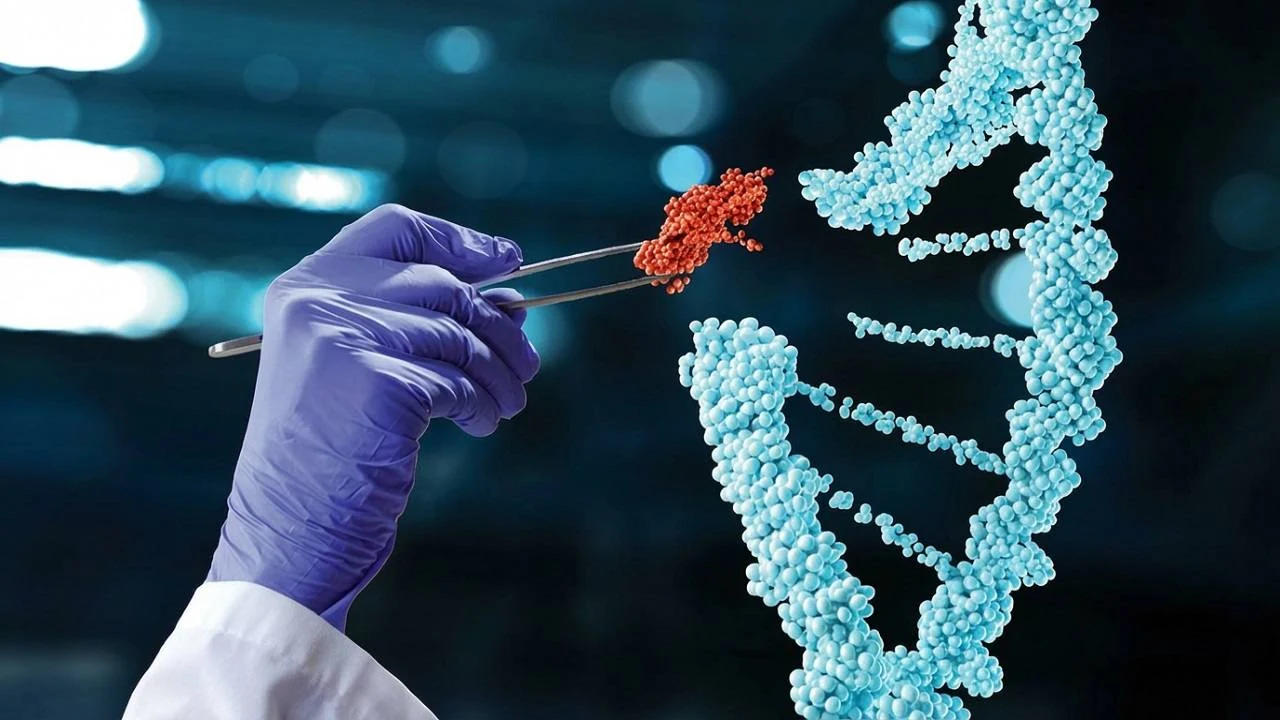
Preimplantation Genetic Testing (PGT) revolutionizes IVF by screening embryos for chromosomal abnormalities and genetic disorders before transfer. This advanced technology increases pregnancy success rates, reduces miscarriage risk, prevents inherited diseases, and shortens time to pregnancy while providing diagnostic clarity and reducing emotional stress for couples.

Clinical evidence increasingly demonstrates that emotional stress or grief reduces the chances of IVF success through sophisticated biochemical pathways that directly influence reproductive physiology. This relationship extends far beyond simple correlations, revealing profound mechanistic connections between psychological distress and the delicate orchestration of hormonal events essential for successful conception.
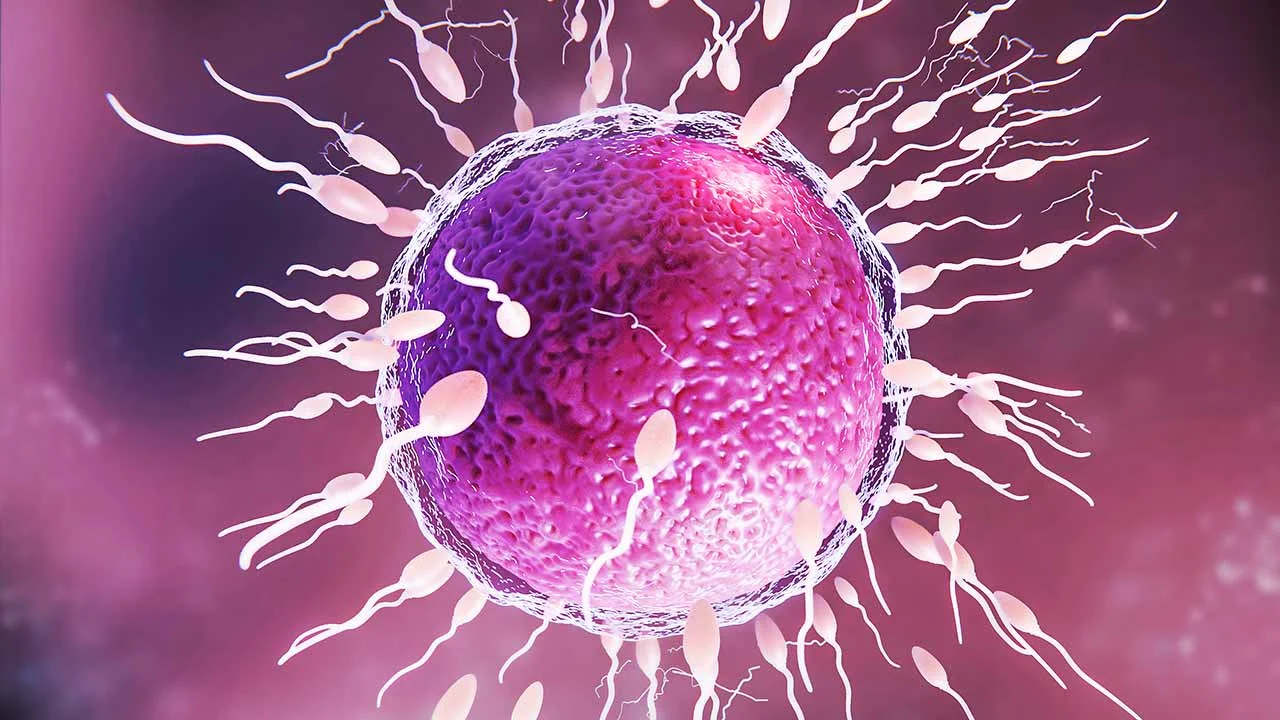
IVF in 2025 is shifting from hype to evidence-based innovation. As precision, automation, AI, and genetic advances reshape fertility care, patients must distinguish proven breakthroughs from outdated add-ons. This guide examines five groundbreaking IVF technologies in 2025 to understand which advances genuinely improve outcomes

Managing Recurrent Implantation Failure (RIF) outlines evidence-based diagnostics and treatment pathways to improve IVF success rates, emphasizing clarity, cautious use of add-ons, and realistic patient expectations.

