Home
 ArticlesArticles
ICSI (Intracytoplasmic Sperm Injection) is an advanced fertility treatment where a single sperm is injected directly into an egg. This procedure helps couples overcome male infertility challenges like low sperm count or poor motility, offering hope for biological parenthood when conventional IVF methods aren't successful.



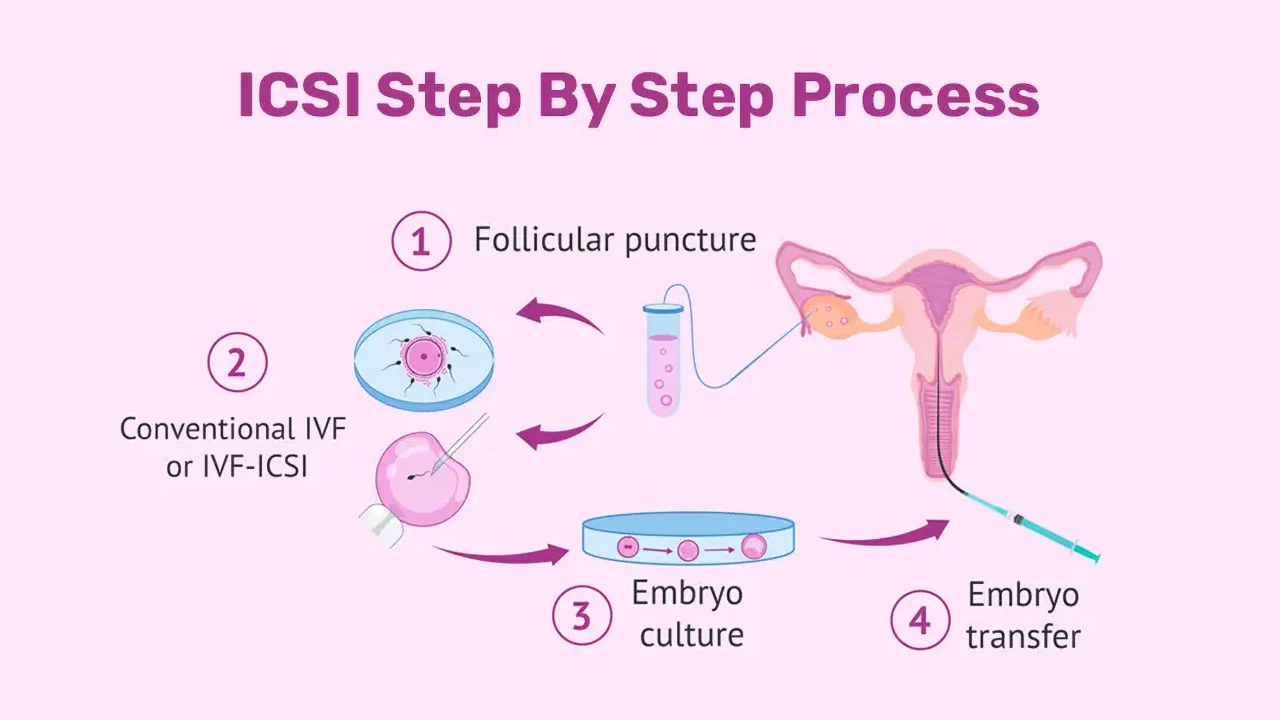
If you're exploring fertility treatment options, you've likely come across the term ICSI. This advanced procedure has helped countless couples overcome male infertility challenges and achieve their dream of parenthood. Understanding what ICSI involves, how it works, and whether it might be right for you is an important step in your fertility journey. This guide breaks down everything you need to know about ICSI in simple, clear terms.
ICSI stands for Intracytoplasmic Sperm Injection, which is a specialized technique used during in vitro fertilization (IVF). In simple terms, ICSI involves a skilled embryologist carefully injecting a single sperm directly into an egg to help fertilization occur.
Think of traditional IVF as placing sperm and eggs together in a dish and letting nature take its course. ICSI, on the other hand, gives fertilization a helping hand by ensuring the sperm reaches the inside of the egg. This technique was developed in the 1990s and has since become one of the most successful solutions for male infertility issues.
Your fertility specialist might suggest ICSI if you're facing certain challenges that make natural fertilization difficult. Here are the most common situations:
The ICSI process follows several carefully coordinated steps that work alongside your IVF treatment:
1. Ovarian Stimulation and Egg Retrieval You'll take fertility medications for about 10-14 days to help your ovaries produce multiple eggs. Once the eggs are mature, your doctor retrieves them through a minor procedure while you're under light sedation.
2. Sperm Collection and Preparation On the same day as egg retrieval, sperm is collected, either through ejaculation or surgical extraction if needed. The embryologist then selects the healthiest, most viable sperm for injection.
3. The ICSI Injection Using specialized microscopic equipment, the embryologist:
This delicate process takes only seconds per egg but requires exceptional skill and precision.
4. Fertilization and Embryo Development after injection, the eggs are placed in an incubator where fertilization hopefully occurs with in 24 hours. Successfully fertilized eggs develop into embryos over the next 3-5 days.
5. Embryo Transfer Your doctor selects the healthiest embryo(s) and transfers them into your uterus, where implantation and pregnancy can occur.
ICSI has impressive fertilization rates, with 50-80% of injected eggs typically fertilizing successfully. However, fertilization is just the first step. Your overall chances of pregnancy depend on several factors:
Your age (younger women generally have higher success rates)
Most fertility clinics report pregnancy rates similar to conventional IVF when ICSI is appropriately used, with many couples achieving success within 2-3 cycles.
Key Benefits:
Important Considerations:
The decision to use ICSI should be made collaboratively with your fertility specialist based on your unique situation. If you're dealing with male infertility factors or have experienced fertilization problems, ICSI might significantly improve your chances of success.
We at FertilityIn strongly recommend you to never hesitate to ask your doctor questions like, "Why are you recommending ICSI?" What are our chances without it? What does it add to our treatment cost? A good fertility team will help you understand whether ICSI is truly beneficial for your circumstances.
ICSI has transformed fertility treatment, offering hope to couples who might not have been able to conceive just a few decades ago. While the process may seem complex, remember that thousands of healthy babies are born through ICSI every year.
If you're considering ICSI, schedule a consultation with a reproductive endocrinologist who can evaluate your specific situation and create a personalized treatment plan. With the right support and information, you can make confident decisions about your fertility journey.
Remember: you're not alone in this process, and advances like ICSI continue to make parenthood possible for more families every day.



The innovative solution of Intracytoplasmic Sperm Injection (ICSI), designed to tackle male infertility challenges such as low sperm count and poor motility. ICSI creates new opportunities for couples who are eager to start a family by directly injecting a single sperm into an egg. Discover how this groundbreaking technique is transforming the landscape of reproductive medicine and offering hope to those facing infertility.
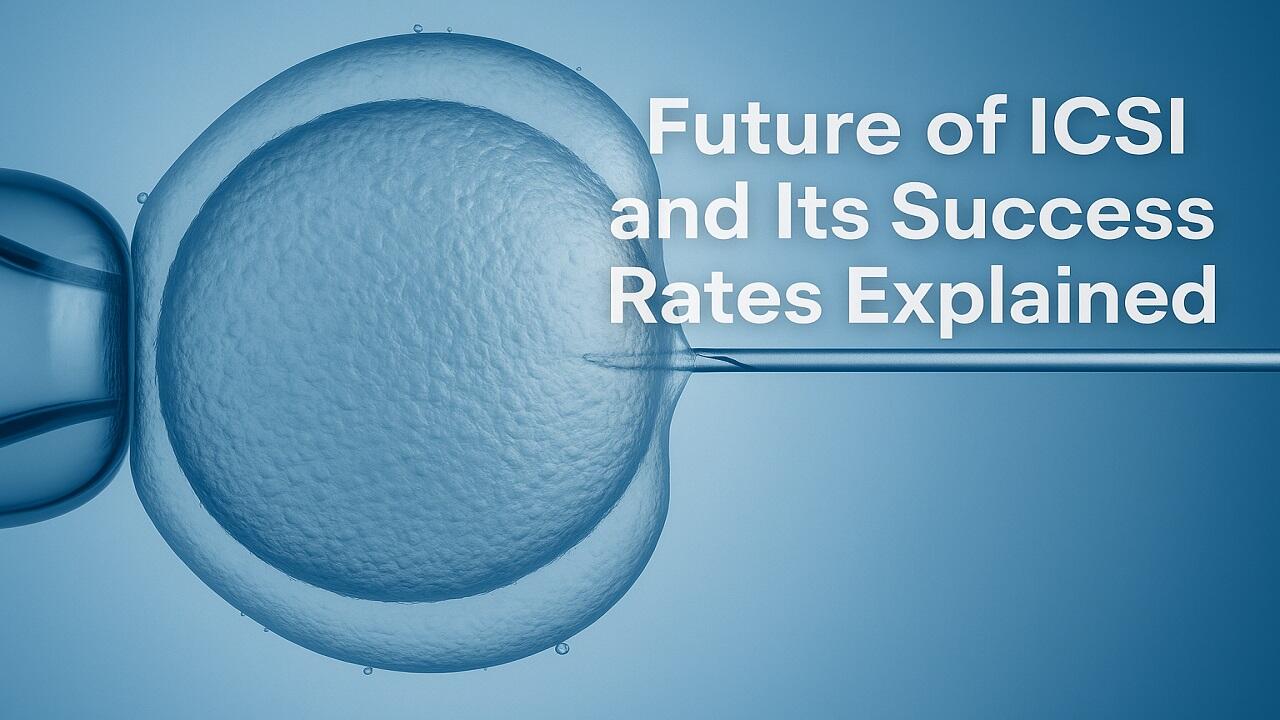
The article discusses "The Future of ICSI", emphasizing advancements like new sperm selection technologies, genetic screening, and stem cell research, all improving success rates and treatment effectiveness. These innovations are making Intracytoplasmic Sperm Injection (ICSI) a more promising solution for couples facing male infertility.

Intracytoplasmic Sperm Injection (ICSI) has transformed Male Infertility Treatment, enabling men with severe fertility issues to conceive biological children. By allowing even the weakest sperm to fertilize an egg, ICSI has significantly improved success rates in Male Infertility Treatment and provided new hope for couples facing infertility challenges.
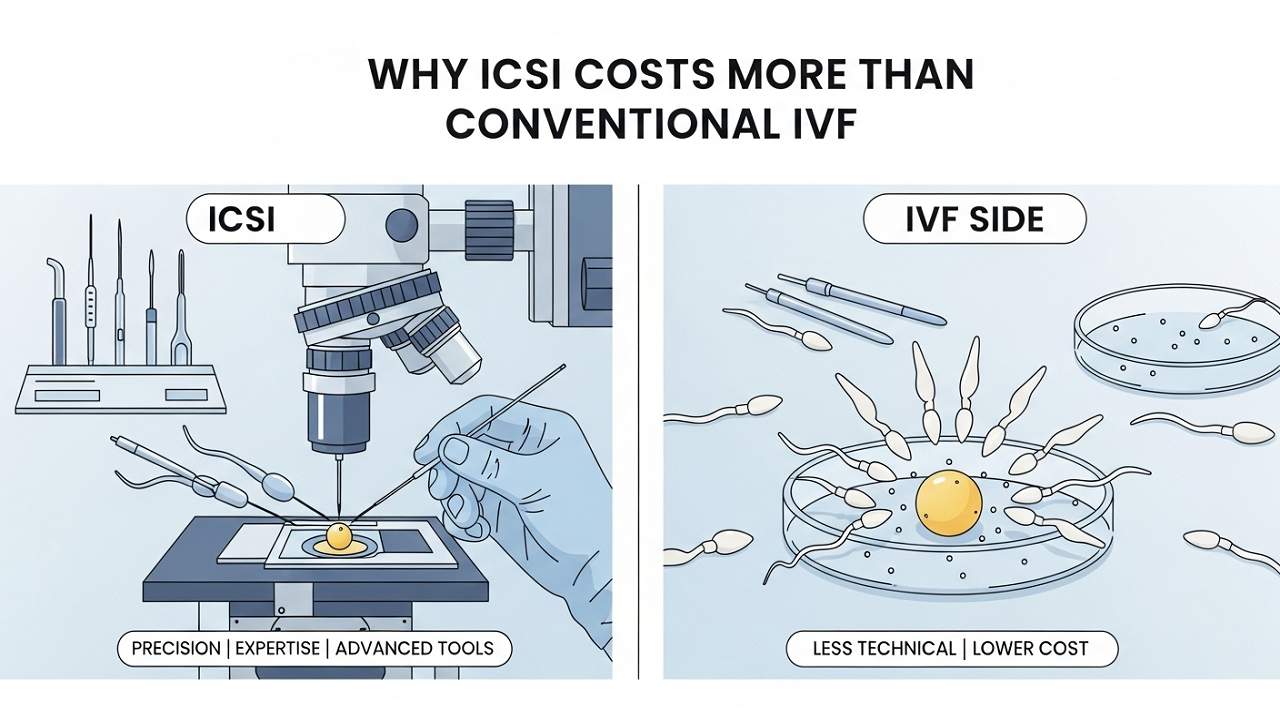
The Intracytoplasmic Sperm Injection (ICSI) procedure, where a single sperm cell is injected directly into an egg, a specialized form of In Vitro Fertilization (IVF), is typically more costly due to its complexity, requiring skilled embryologists and specialized equipment. It is particularly beneficial for couples facing male infertility issues, as it increases the chances of fertilization and successful pregnancies.

Mental health during fertility treatments is vital to cope with stress, anxiety, and emotional ups and downs. By focusing on self-care, resilience, and fostering hope, individuals can navigate challenges and maintain their mental health during fertility treatments while building a positive outlook for their fertility journey.
The history and inception of Intracytoplasmic Sperm Injection (ICSI) began with early advancements in micromanipulation, leading to its first successful use in the 1990s to treat male infertility. The history and inception of ICSI revolutionized assisted reproduction, offering hope to couples by enabling fertilization even in cases of severe sperm-related challenges.