Home
 ArticlesArticles
ART strategies for women undergoing ovarian suppression highlight fertility preservation, hormonal regulation, and IVF innovations that improve ovarian response, embryo quality, and pregnancy outcomes amid lifestyle challenges such as obesity.



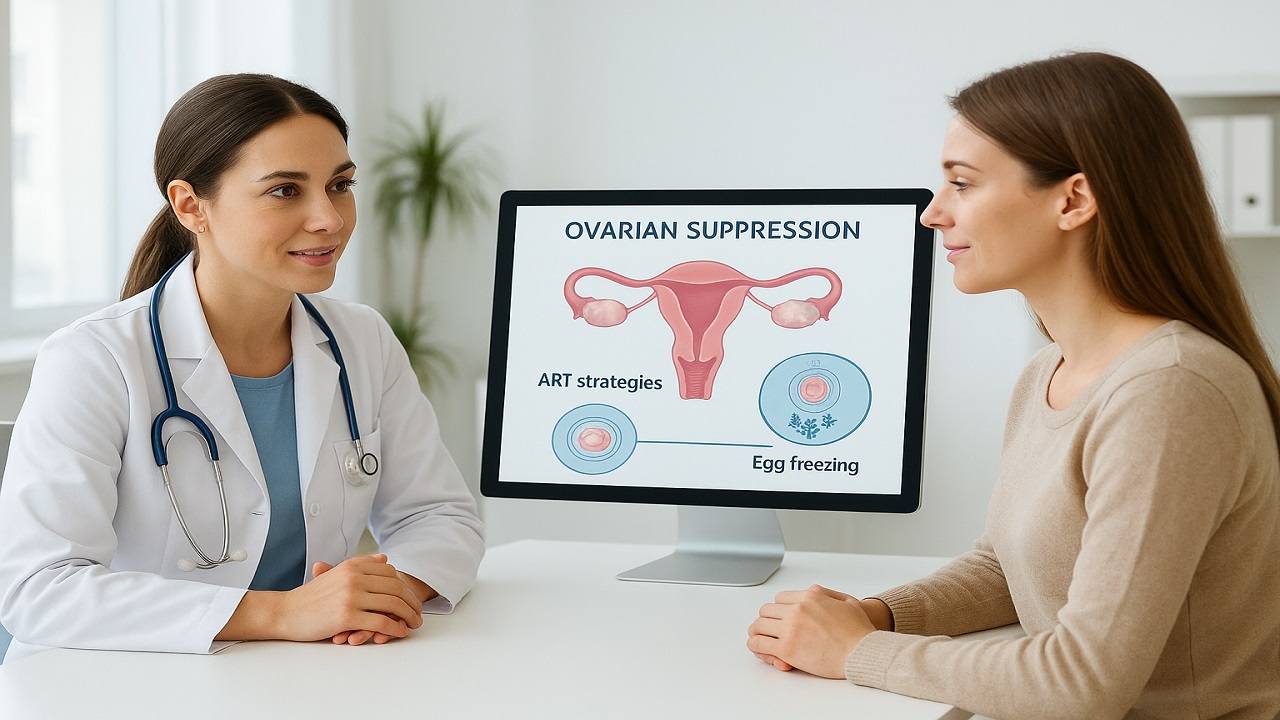
Ovarian suppression is a medical intervention often necessary for women undergoing treatments such as chemotherapy, hormone therapy for endometriosis, or certain cancer-preventive strategies. While it serves crucial therapeutic roles, suppression can place a pause, or sometimes a roadblock, on reproductive potential. For women seeking to build families, this reality raises one of the most urgent questions in modern reproductive medicine: what options remain?
Thanks to advances in assisted reproductive technology (ART), a range of ART strategies for women undergoing ovarian suppression has emerged, offering both preservation of fertility and pathways toward future conception. This article explores these strategies in depth, weaving together traditional medical practices, clinical evidence, and forward-looking innovations that are shaping fertility care today.
Ovarian suppression reduces the activity of the ovaries, either temporarily or permanently, depending on the therapy. Medications such as gonadotropin-releasing hormone (GnRH) agonists, aromatase inhibitors, or contraceptive hormones are commonly used. In cancer therapy, suppression shields ovaries from damage by cytotoxic agents, but it also halts ovulation and hormone production.
For women navigating fertility preservation, this pause creates complex biological hurdles. Suppressed ovarian function reduces follicle development, alters estrogen-progesterone balance, and influences endometrial receptivity, all critical elements in the chain of conception. Thus, specialised ART strategies become not just an option but a necessity.
The first and most widely practiced strategy involves fertility preservation before initiating ovarian suppression. Women at risk are advised to undergo cryopreservation, either through oocyte freezing or embryo freezing. Both techniques provide a safeguard, enabling women to return to stored gametes when suppression ends or when natural fertility declines.
Clinical data from the American Society for Reproductive Medicine (ASRM) suggests that oocyte cryopreservation before ovarian suppression yields success rates comparable to those of women freezing eggs for age-related reasons. Advances in vitrification have improved post-thaw survival rates, making this a cornerstone approach for women with time to prepare before treatment.
Not all women can freeze eggs or embryos before suppression. For those who undergo suppression first, ART strategies for women undergoing ovarian suppression must be adapted. IVF protocols are increasingly personalised, focusing on ovarian stimulation regimens that account for suppressed or diminished ovarian function.
Clinicians may employ higher doses of gonadotropins, adjuvant therapies like growth hormone, or dual stimulation cycles to maximise oocyte yield. Early data also supports the use of luteal-phase stimulation as a creative workaround, enabling egg retrieval even when ovarian dynamics deviate from standard expectations.
Even when eggs or embryos are available, ovarian suppression may compromise endometrial receptivity, limiting implantation chances. ART strategies increasingly emphasise hormonal modulation. By employing estrogen-progesterone replacement regimens, reproductive endocrinologists can mimic natural cycles, preparing the uterus for embryo transfer despite suppression-induced disruption.

This tailored hormonal environment has been shown to significantly improve implantation rates, demonstrating that ART is not just about managing eggs but also about creating a receptive uterine setting.
Obesity complicates ART at every stage, and its influence becomes even more pronounced during ovarian suppression. Excess adipose tissue alters hormonal balance, reducing ovarian responsiveness to stimulation and impairing oocyte quality. Studies in Fertility and Sterility note that obese women often require higher gonadotropin doses, face extended stimulation cycles, and demonstrate lower implantation rates.
In the context of ART strategies for women undergoing ovarian suppression, clinicians must adjust protocols accordingly. Weight management programs, metabolic interventions, and lifestyle counselling are increasingly integrated into fertility care, highlighting the shift toward holistic treatment models that view obesity as both a medical and psychosocial factor in reproductive health.
Beyond clinical science, ovarian suppression carries emotional weight. For women confronting cancer or chronic disease, fertility loss can amplify distress. Integrating psychosocial support within ART strategies is therefore vital.
Counselling, patient education, and support groups empower women to navigate uncertainty while making informed reproductive choices. Moreover, the emergence of oncofertility programs bridging oncology and reproductive medicine ensures that women undergoing suppression receive coordinated care tailored to both survival and future fertility.
Research is pushing boundaries to develop ART strategies that minimise delays in cancer or hormonal treatments. Techniques like in vitro maturation (IVM), where immature oocytes are retrieved and matured outside the body, allow preservation without lengthy stimulation cycles. Similarly, ovarian tissue cryopreservation offers possibilities for women unable to undergo egg retrieval prior to suppression.
These forward-thinking approaches, though still evolving, embody the next frontier in reproductive medicine: solutions that adapt to women’s urgent timelines and complex health contexts.
The journey of a woman facing ovarian suppression is a testament to both resilience and medical innovation. While suppression may silence ovarian function temporarily, modern ART offers a chorus of strategies to preserve and restore fertility. From pre-suppression cryopreservation to tailored IVF protocols, hormonal modulation, and emerging interventions, ART strategies for women undergoing ovarian suppression are broadening horizons once thought closed.
Ultimately, the fusion of clinical science, lifestyle considerations like obesity, and holistic psychosocial care underscores a simple but profound truth: fertility care is no longer just about preserving eggs or embryos it is about preserving choice, dignity, and hope for the future.


Immunotherapy in restoring human fertility is emerging as a promising approach for addressing immune-related reproductive disorders. Recent clinical advances highlight its potential to improve implantation, pregnancy outcomes, and reproductive health, offering renewed hope for patients facing infertility linked to immune system dysfunction.
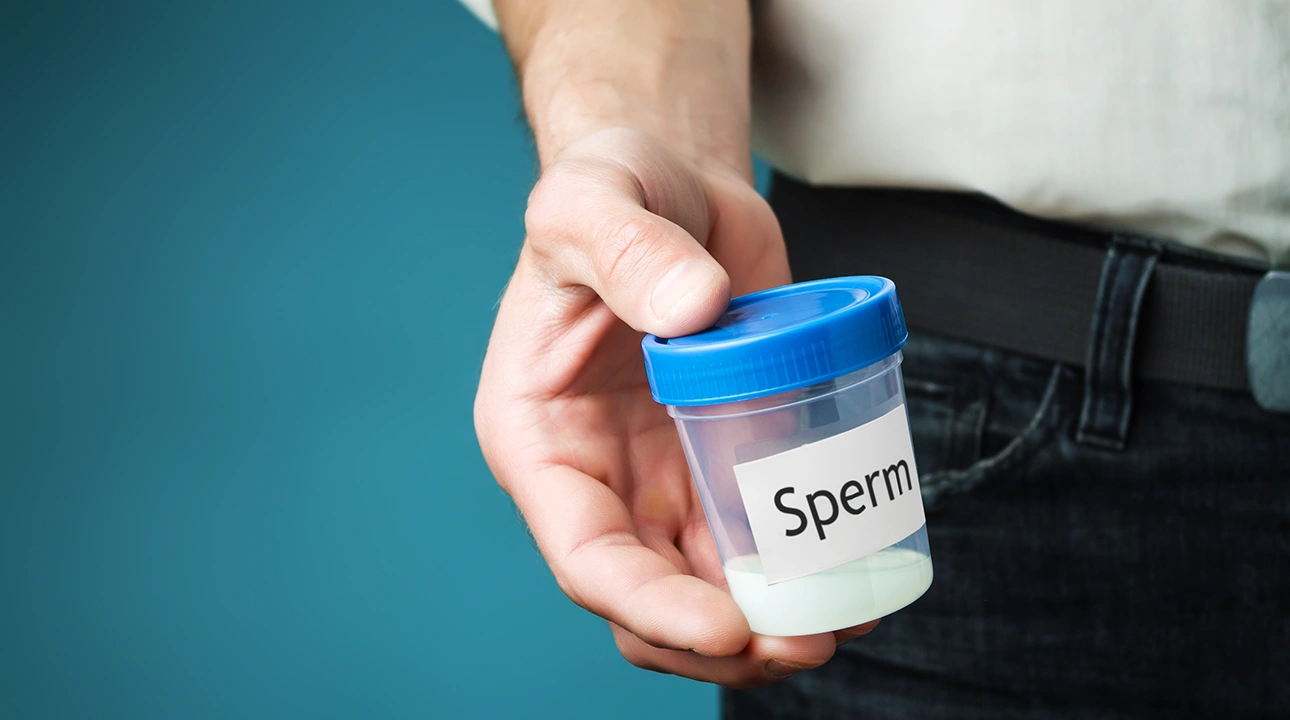
The smart fertility tracker market has transformed male fertility diagnostics, but how reliable are these devices? This report examines what at-home sperm tests actually measure, where they fall short compared to clinical analysis, and how men and couples can use them appropriately within a broader reproductive care pathway.
The distinct assisted reproductive technologies of Intrauterine Insemination (IUI), In Vitro Fertilization (IVF), and Intracytoplasmic Sperm Injection (ICSI). It outlines how each procedure works, the medical indications for their use, and their respective success rates. The importance of choosing the right treatment based on factors such as patient age, infertility diagnosis, and personal circumstances.

Assisted Reproductive Technology (ART), a groundbreaking medical field that provides solutions for individuals and couples facing fertility challenges. It defines ART, explains its core techniques such as In Vitro Fertilization (IVF) and Intracytoplasmic Sperm Injection (ICSI), and discusses clinical applications and success rates.

Common questions about pregnancy with polycystic ovary syndrome (PCOS) through IVF and IUI. It discusses PCOS-related infertility, success rates, treatment options, and the importance of personalised protocols. Emphasising holistic care and emotional support, it offers hope and insights for women navigating the challenges of PCOS.

The potential of stem cells to improve ovarian reserve and egg quality, focusing on their application in women with diminished fertility. It discusses how mesenchymal stem cells and other stem cell therapies can rejuvenate ovarian function by enhancing the ovarian environment, promoting tissue repair, and stimulating follicle growth. While the therapy shows promise, the article emphasizes the need for more extensive studies to understand its efficacy and safety.
Clinical pearls for treating infertility and low testosterone in men, emphasizing reproductive goal assessment, empiric medical therapies, and comprehensive multidisciplinary management strategies.