Home
 ArticlesArticles
Fertility options for men after testicular cancer, addressing how treatments like surgery and chemotherapy can impact reproductive health. It discusses preservation methods such as sperm banking and TESE, along with post-treatment options including assisted reproductive technologies. Psychological considerations and emerging treatments offer hope for future parenthood.




Testicular cancer, though relatively rare, is the most common cancer among men aged 15 to 35. While the prognosis for survival is high, the impact on fertility is a significant concern for many survivors. Understanding the fertility options available after treatment is crucial for those wishing to have biological children.

Testicular cancer treatments, including surgery, chemotherapy, and radiotherapy, can affect fertility in various ways. Surgical removal of one testicle (orchiectomy) typically does not impair fertility, as the remaining testicle often compensates. However, if both testicles are affected or removed, fertility is compromised. Chemotherapy and radiotherapy can damage sperm production, leading to temporary or permanent infertility. The extent of this impact depends on the type and dosage of treatment administered.
For men diagnosed with testicular cancer, preserving fertility before starting treatment is highly recommended. The most common and effective method is sperm banking, where sperm is collected and frozen for future use. This process is typically straightforward and can be done prior to surgery or chemotherapy. In cases where sperm collection is not possible due to medical reasons, testicular sperm extraction (TESE) may be considered. TESE involves surgically retrieving sperm directly from the testicle and freezing it for later use.
After completing cancer treatment, some men may regain fertility over time. Sperm production can return to normal within one to three years, although this varies among individuals. Regular semen analysis is recommended to monitor recovery. In cases where natural conception is not possible, assisted reproductive technologies (ART) such as in vitro fertilization (IVF) using previously frozen sperm can be utilised.
Advancements in medical research offer hope for men facing infertility due to testicular cancer. One promising area is the use of spermatogonial stem cell transplantation. This experimental procedure involves transplanting stem cells from the patient's own testicular tissue to stimulate sperm production. While still in the early stages, initial trials have shown encouraging results. Additionally, hormonal therapies are being explored to enhance sperm production in men with low sperm counts.
The emotional and psychological impact of infertility can be profound. Men may experience feelings of loss, anxiety, and depression, which can affect relationships and quality of life. It is essential for healthcare providers to offer support and counselling to help individuals navigate these challenges. Support groups and counselling services can provide valuable resources and a sense of community for men dealing with infertility.
While testicular cancer treatments can pose challenges to fertility, various options are available to help men preserve and restore their reproductive capabilities. Early intervention, through sperm banking or TESE, offers the best chance for future biological parenthood. Emerging treatments provide hope for those affected by infertility. With appropriate medical support and counseling, men can navigate the complexities of fertility after testicular cancer and make informed decisions about their reproductive futures.


Immunotherapy in restoring human fertility is emerging as a promising approach for addressing immune-related reproductive disorders. Recent clinical advances highlight its potential to improve implantation, pregnancy outcomes, and reproductive health, offering renewed hope for patients facing infertility linked to immune system dysfunction.
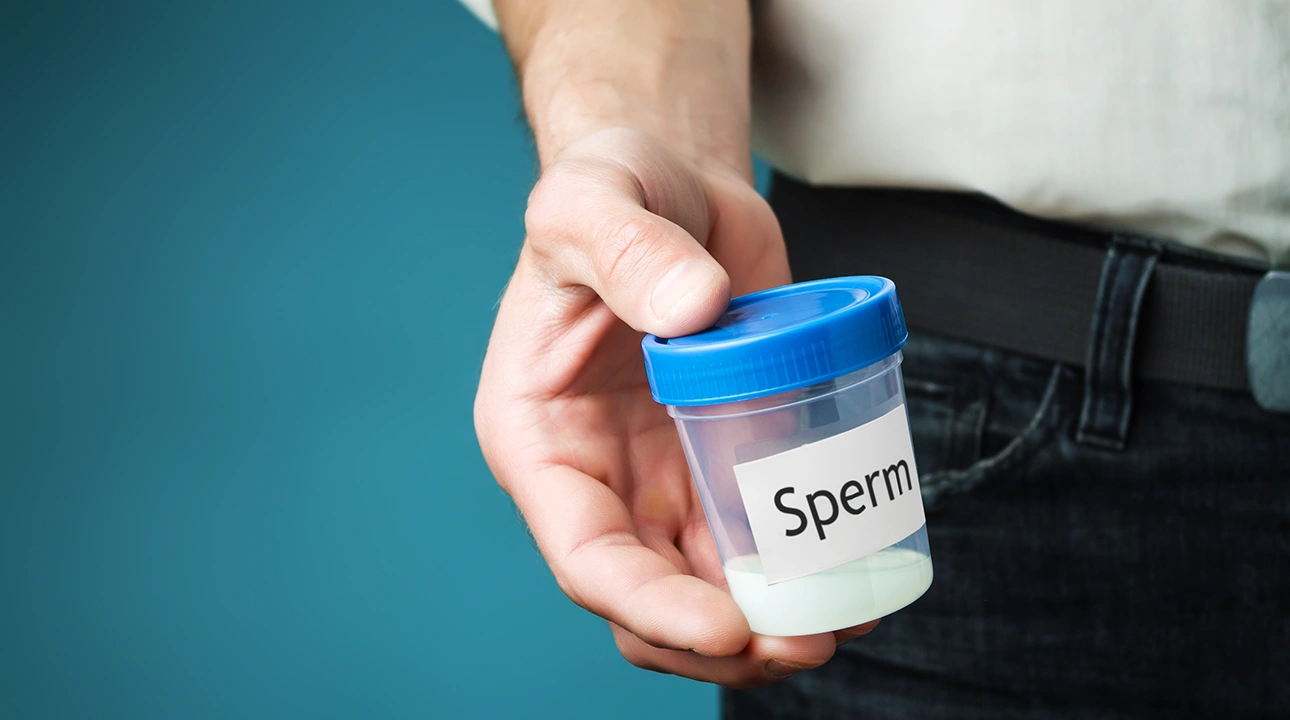
The smart fertility tracker market has transformed male fertility diagnostics, but how reliable are these devices? This report examines what at-home sperm tests actually measure, where they fall short compared to clinical analysis, and how men and couples can use them appropriately within a broader reproductive care pathway.
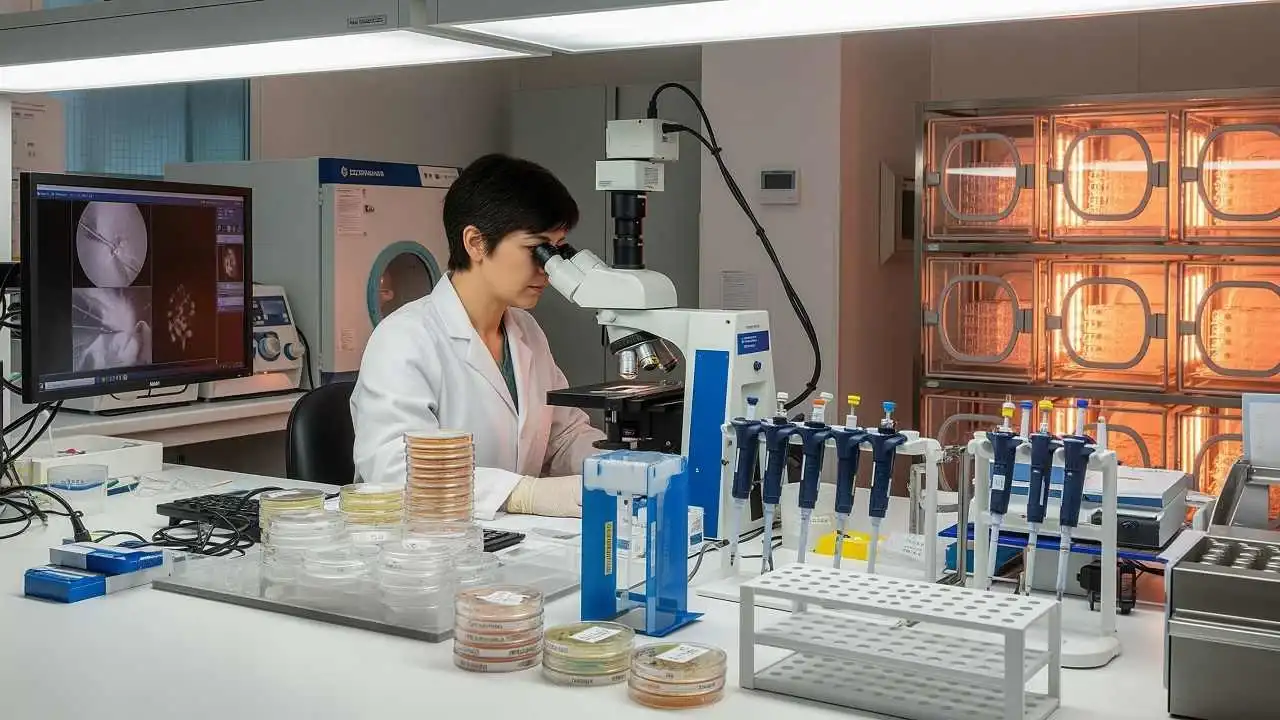
The distinct assisted reproductive technologies of Intrauterine Insemination (IUI), In Vitro Fertilization (IVF), and Intracytoplasmic Sperm Injection (ICSI). It outlines how each procedure works, the medical indications for their use, and their respective success rates. The importance of choosing the right treatment based on factors such as patient age, infertility diagnosis, and personal circumstances.
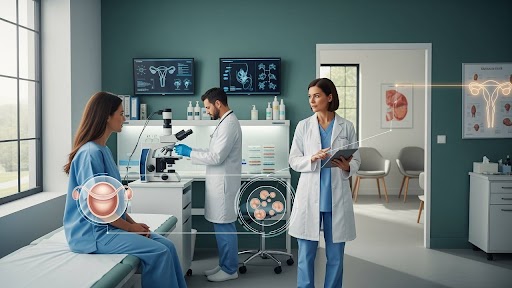
Assisted Reproductive Technology (ART), a groundbreaking medical field that provides solutions for individuals and couples facing fertility challenges. It defines ART, explains its core techniques such as In Vitro Fertilization (IVF) and Intracytoplasmic Sperm Injection (ICSI), and discusses clinical applications and success rates.

Common questions about pregnancy with polycystic ovary syndrome (PCOS) through IVF and IUI. It discusses PCOS-related infertility, success rates, treatment options, and the importance of personalised protocols. Emphasising holistic care and emotional support, it offers hope and insights for women navigating the challenges of PCOS.
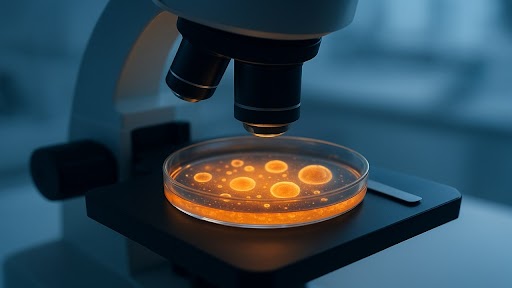
The potential of stem cells to improve ovarian reserve and egg quality, focusing on their application in women with diminished fertility. It discusses how mesenchymal stem cells and other stem cell therapies can rejuvenate ovarian function by enhancing the ovarian environment, promoting tissue repair, and stimulating follicle growth. While the therapy shows promise, the article emphasizes the need for more extensive studies to understand its efficacy and safety.
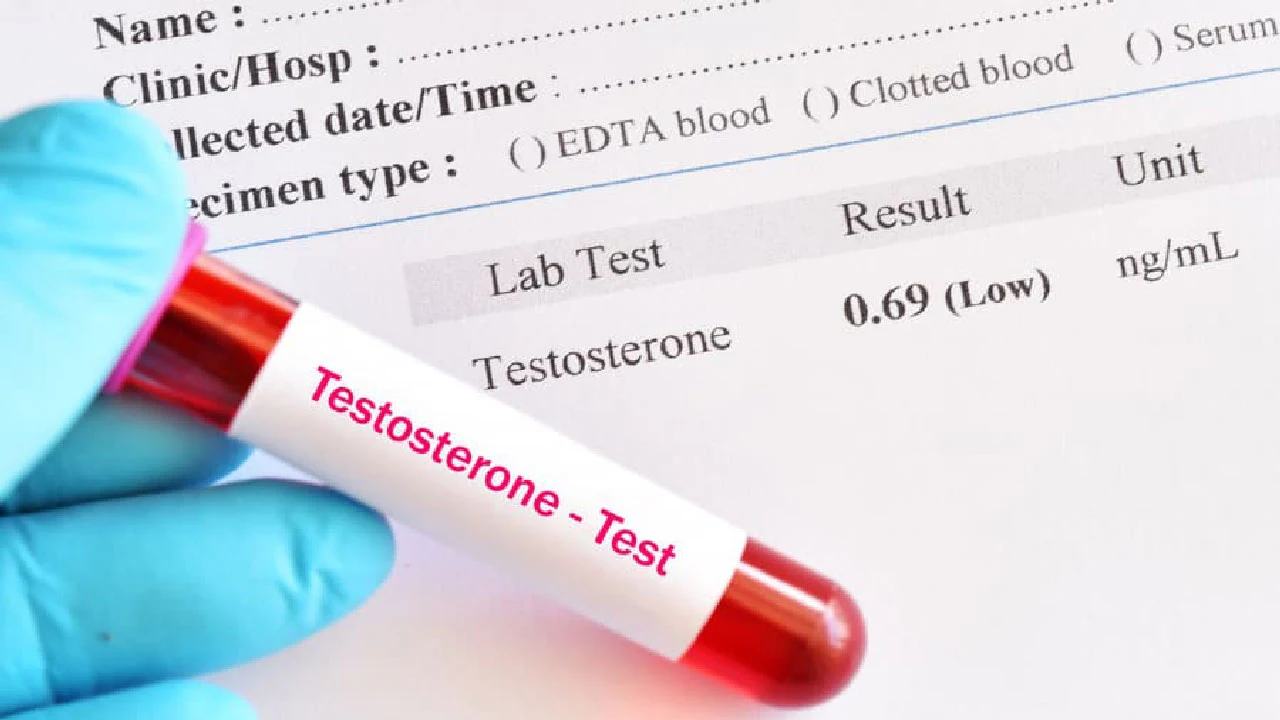
Clinical pearls for treating infertility and low testosterone in men, emphasizing reproductive goal assessment, empiric medical therapies, and comprehensive multidisciplinary management strategies.