Home
 ArticlesArticles
The various factors affecting In Vitro Fertilization (IVF) success rates, highlighting the significant roles of age, health, and lifestyle choices in achieving successful outcomes. It emphasises that optimising these factors can significantly improve an individual's or couple's chances of conceiving through IVF.



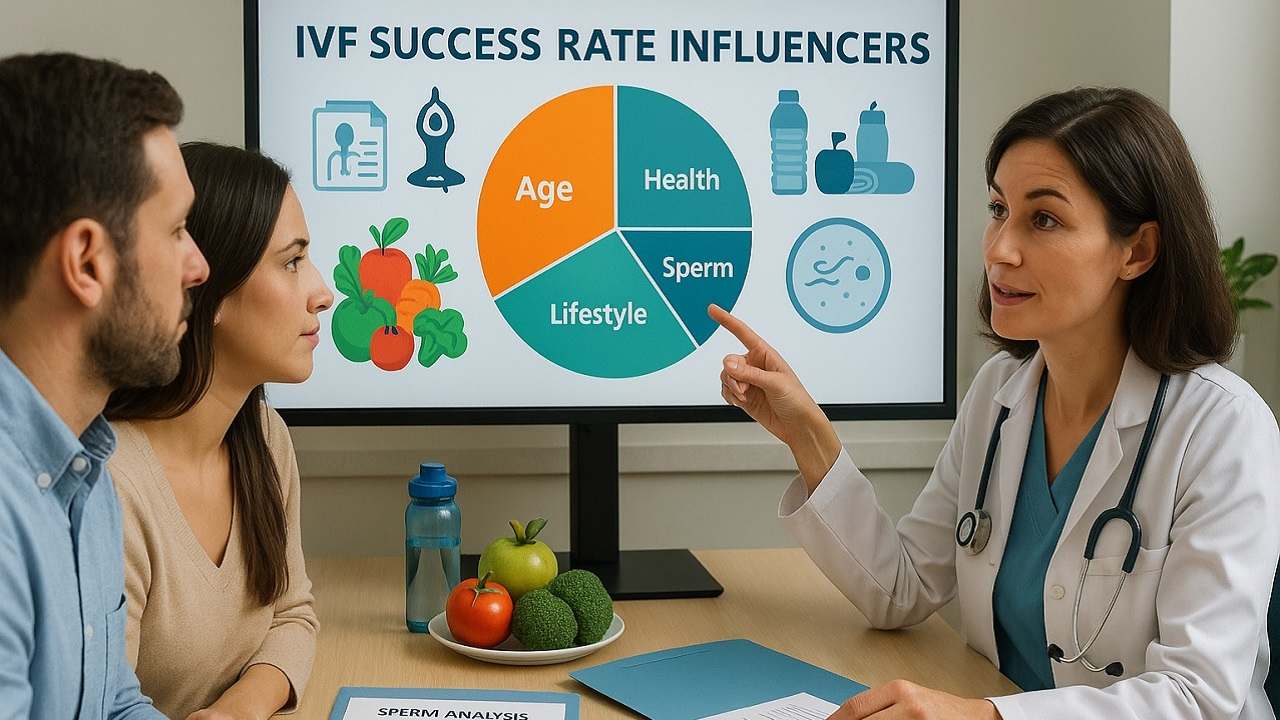
In Vitro Fertilization (IVF) has emerged as a revolutionary treatment modality for individuals and couples struggling with infertility. IVF has revolutionised reproductive medicine, but its success depends on a number of factors, such as age, health, and lifestyle. While it's normal to contemplate the drawbacks, it's evident that we can manage and optimise these factors for success.
Age is one of the most dominant factors that affects the success of IVF. In general, women under 35 tend to have higher success rates. This is because younger women tend to have healthier eggs that are more likely to get fertilized and develop into viable embryos.
But age can’t be a limitation. Medical advances, such as the freezing of donor eggs, have provided many women with the opportunity to start or complete a family later in life. Older women seeking IVF are still more than often eligible for these treatments, especially if they have eggs that have been previously frozen or choose to use donor eggs. Success rates do dip a bit as we get older, but with proper knowledge and support, women in their late 30s and early 40s can still achieve their pregnancy goals.
A woman’s health overall is one of the crucial factors affecting IVF success rate, as underlying conditions can impact outcomes. Existing medical conditions such as diabetes, thyroid disorders, or polycystic ovary syndrome (PCOS) may impact your success, but those are often treatable with the right care. For example, controlling blood sugar levels for diabetics or thyroid hormones can increase the probability of IVF success.
It is also important to maintain a healthy weight. Having too high or too low a weight can disrupt the body’s hormonal balance, which is necessary for successful ovulation, embryo implantation, and pregnancy. Doctors typically advise patients preparing for IVF to achieve a healthy body mass index (BMI) before undergoing the procedure. These parameters should ideally enhance hormonal activity and increase the likelihood of positive results.
Lifestyle choices are significant factors affecting IVF success rate, and adopting healthy habits can greatly enhance outcomes. Here are some of the major areas that patients should be paying attention to if they want to maximise their odds:
A well-balanced and healthy diet is crucial when undergoing preparation for IVF. In particular, food rich in nutrients, including but not limited to fruits, vegetables, lean proteins, and whole grains, can aid in maintaining reproductive health. Studies indicate that certain nutrients, such as folic acid, vitamin D, and omega-3 fatty acids, can improve fertility. For instance, folic acid significantly reduces the risk of neural tube defects, and folic acid supplementation has also been thought to promote fertility health.
Moderate exercise also helps improve fertility and IVF success rates. Exercise can also help to balance sex hormones and reduce stress, both of which are important for a healthy reproductive system. But don’t go overboard or to extremes with exercise, since high-impact workouts can harm fertility by throwing your hormones out of balance. A balanced approach is key.
Stress is not a direct cause of infertility, but its influence on hormonal balance can affect IVF results. Stress can be counterproductive for conception, so incorporate relaxation techniques, yoga, meditation, and deep breathing exercises to create a supportive environment. Most IVF patients feel that activating practices to reduce stress are connecting them to a sense of control and positively impacting their emotional health in the midst of IVF treatment.
Smoking and high alcohol intake can make both men and women infertile. Smoking is particularly damaging, harming eggs and sperm and resulting in lower quality embryos and less chance of success. Whether to give up smoking before starting IVF can have a significant impact on the outcome. Likewise, cutting back on alcohol or not drinking alcohol at all can improve fertility and the likelihood of a successful pregnancy.

Various factors, especially sperm quality and overall health, equally impact male fertility and IVF success rates. Spermographic parameters (sperm count, motility, and morphology) are crucial for IVF success. Men should maintain a healthy weight, exercise regularly, eat a healthy diet, limit alcohol consumption, and quit smoking to improve sperm health.
Studies examining some antioxidants, including vitamins C and E, found that it might potentially improve sperm quality, so men who are trying to conceive should consider adding these to their diets. Normal control of hot exposure (hot tubs or tight clothing) and controlling stress are also beneficial for male fertility.
The circumstance for each individual or couple looking for IVF is distinctive, and success rates in IVF will fluctuate and differ depending on several components. Personalisation is the cornerstone of achievement in IVF. Fertility specialists can examine a patient’s unique health profile, including their age, hormone levels, and any other underlying conditions, and develop a customised treatment plan that’s right for them. Tailoring treatment plans like this is critical for maximising the likelihood of success because everyone experiences different factors affecting their health in different ways.
The journey can be an emotional one, and mental well-being is as important as physical well-being. Having a positive support group, be it family, friends, or professionals, can help the outcomes of IVF. Drawing on emotional resilience and mental clarity can assist individuals and couples in traversing the obstacles presented by IVF treatment with a greater sense of confidence about both the process of IVF and their own emotional well-being.
Indeed, age, health, and lifestyle are the most critical factors affecting IVF success rate, and many of them can be managed and improved. For individuals or couples, optimising their chances of a successful IVF experience starts with lifestyle factors like a healthy diet, reducing stress, and customised health solutions. An IVF is not just a lottery; it is taking steps and being proactive in creating the best environment for one to conceive. If you are willing to explore a few avenues, your dream of parenthood can come true.


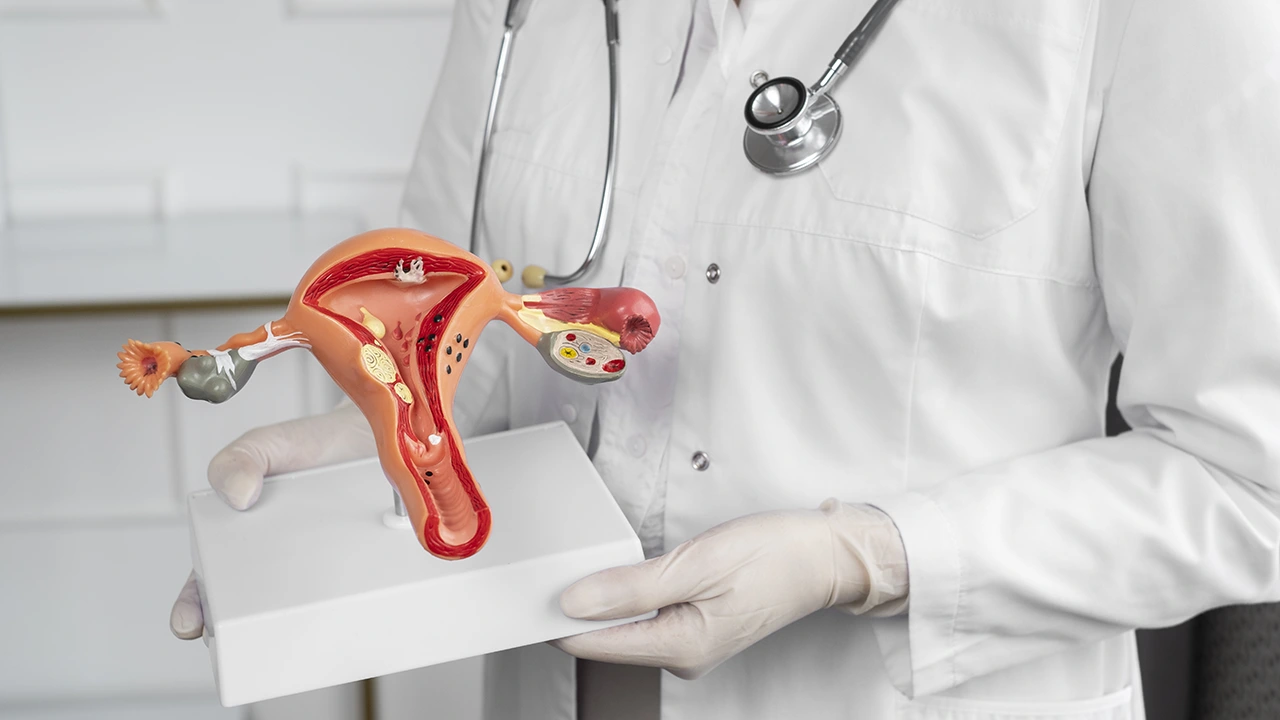
Womb transplantation is giving women with absolute uterine factor infertility the chance to carry and deliver their own child. This article explains how the process works from donor to delivery, who may be suitable, the risks involved and what recent births from living and deceased donors mean for patients.

Advanced female age causes fertility decline through reduced egg quantity, increased chromosomal abnormalities, and mitochondrial dysfunction. Understanding these biological mechanisms helps women make informed family planning decisions. Modern fertility treatments including IVF, preimplantation genetic testing, and egg freezing offer practical solutions to overcome age-related reproductive challenges when trying to conceive.
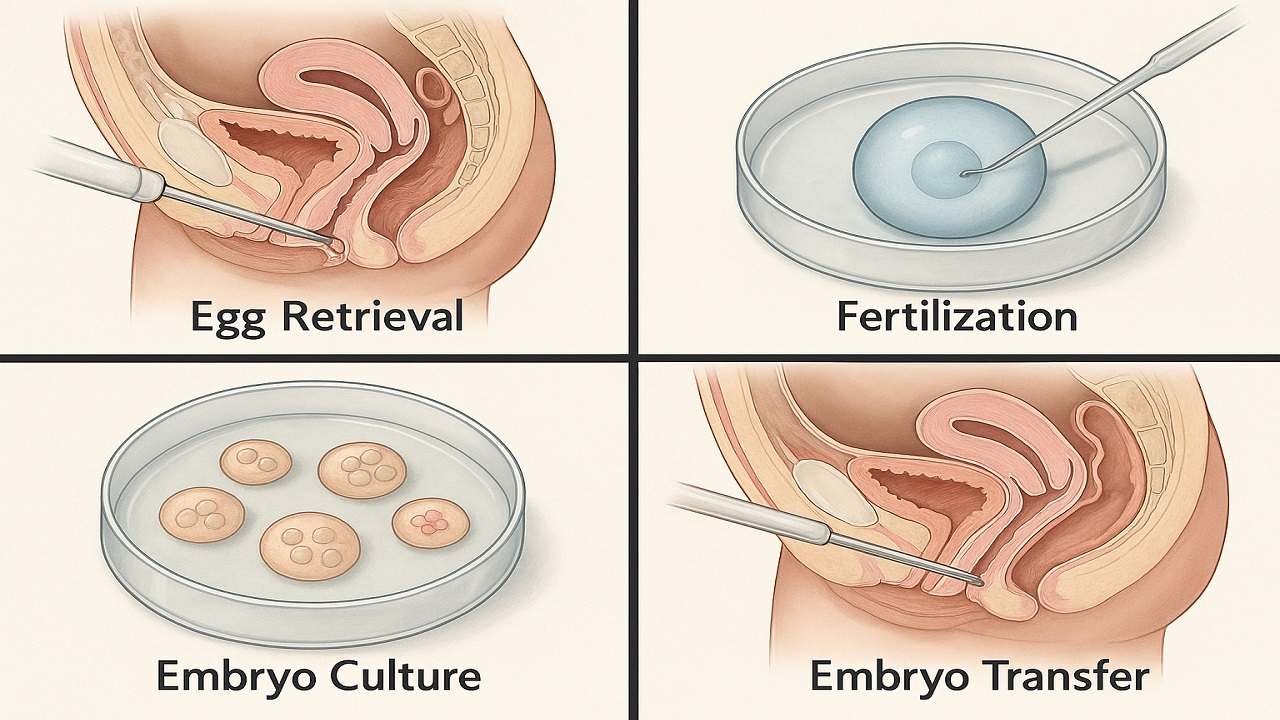
In Vitro Fertilization (IVF) process step by step, emphasising the importance of various stages such as ovarian stimulation, egg retrieval, fertilization, and embryo transfer in maximising the In Vitro Fertilization (IVF) Success Rate. It highlights how a thorough understanding of the procedure can prepare couples and individuals for their In Vitro Fertilization(IVF) journey, ultimately improving their chances of achieving a successful pregnancy.
Vitamin D Deficiency Affect IVF outcomes by influencing endometrial receptivity, embryo quality, and hormone balance. Clinical evidence, age-specific risks, and PCOS implications, while offering actionable strategies to optimize Vitamin D levels and improve IVF success rates and pregnancy outcomes in a structured, patient-focused approach.
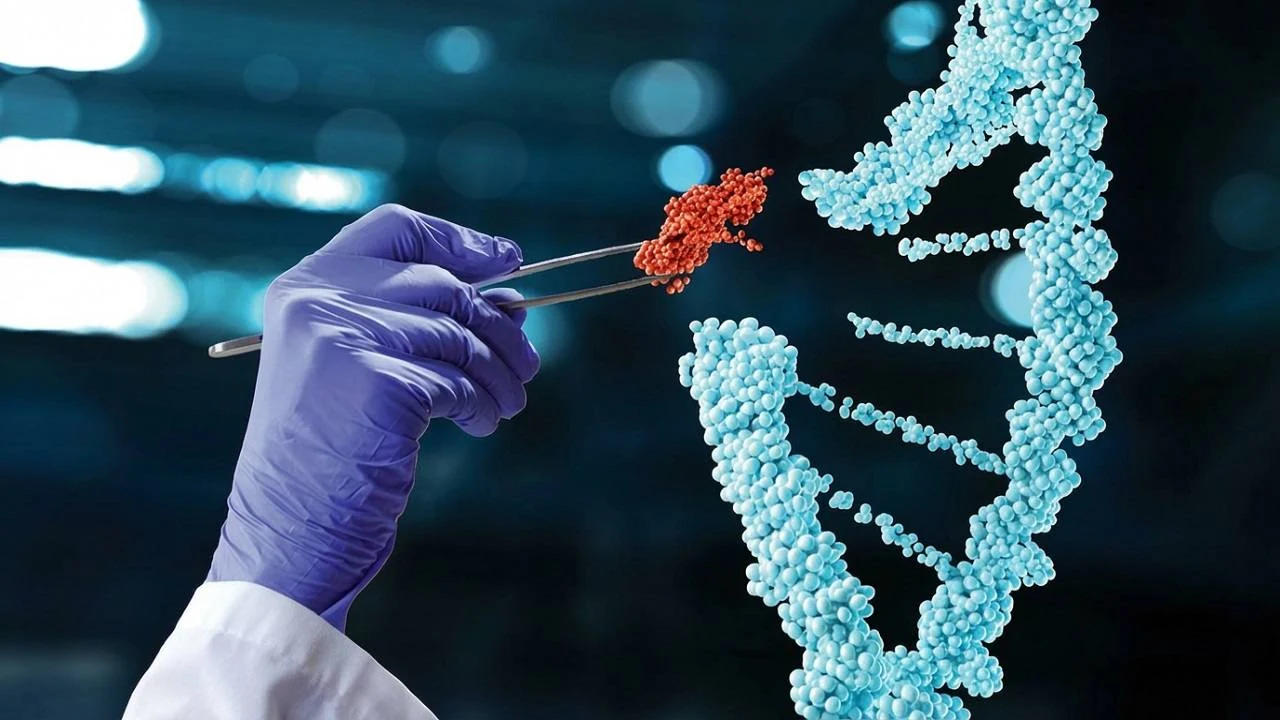
Preimplantation Genetic Testing (PGT) revolutionizes IVF by screening embryos for chromosomal abnormalities and genetic disorders before transfer. This advanced technology increases pregnancy success rates, reduces miscarriage risk, prevents inherited diseases, and shortens time to pregnancy while providing diagnostic clarity and reducing emotional stress for couples.

Clinical evidence increasingly demonstrates that emotional stress or grief reduces the chances of IVF success through sophisticated biochemical pathways that directly influence reproductive physiology. This relationship extends far beyond simple correlations, revealing profound mechanistic connections between psychological distress and the delicate orchestration of hormonal events essential for successful conception.
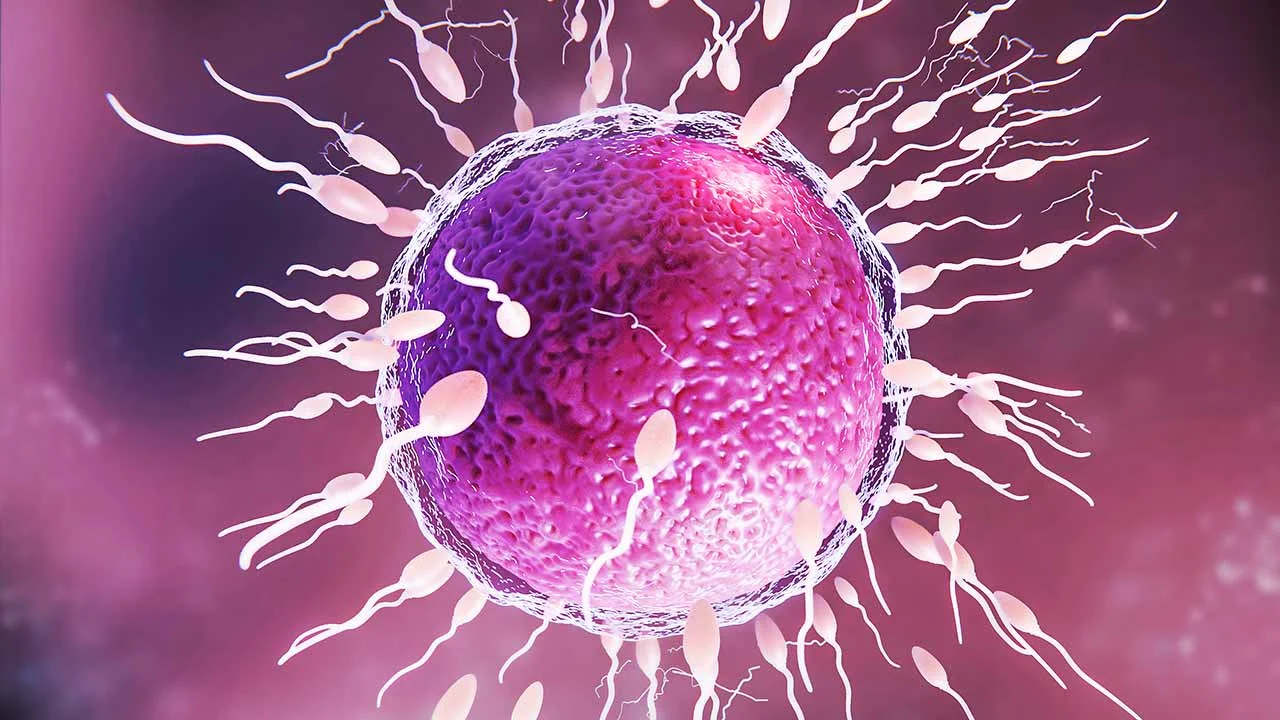
IVF in 2025 is shifting from hype to evidence-based innovation. As precision, automation, AI, and genetic advances reshape fertility care, patients must distinguish proven breakthroughs from outdated add-ons. This guide examines five groundbreaking IVF technologies in 2025 to understand which advances genuinely improve outcomes