Home
 ArticlesArticles
Losing weight before IVF can improve pregnancy odds, 21% overall and 47% for natural conception, offering women with obesity new hope in fertility care.




Women seeking in vitro fertilization (IVF) may significantly improve their chances of becoming pregnant by losing weight beforehand, according to comprehensive new research that analyzed data from multiple international studies. The findings, published in the prestigious Annals of Internal Medicine, suggest that weight loss before IVF interventions could boost pregnancy rates by 21% overall and dramatically increase the likelihood of natural conception by 47%.
The groundbreaking systematic review and meta-analysis, led by researcher Moscho Michalopoulou and her team at the University of Oxford, examined 12 randomized controlled trials involving 1,921 women with obesity or overweight who were planning IVF treatment. The studies, conducted between 1980 and May 2025, focused on women aged 18 and older with a body mass index (BMI) of 27 kg/m² or greater.
The research participants were typically women in their early 30s with a median baseline BMI of 33.6 kg/m², indicating moderate to severe obesity. Nearly a quarter of the women in nine studies had polycystic ovary syndrome, a common cause of infertility.
The most striking finding was the substantial increase in unassisted pregnancies, those achieved naturally without medical intervention. Women who participated in weight loss programs before IVF were 47% more likely to conceive naturally compared to those who received standard care with minimal weight loss support.
This dramatic improvement in natural conception rates means some women may avoid the need for IVF entirely, potentially saving thousands of dollars in treatment costs and reducing the physical and emotional stress associated with fertility procedures.
While the overall pregnancy rates improved by 21%, the direct impact on IVF success rates remained less clear. The researchers found moderate certainty that pre-IVF weight loss interventions increased total pregnancy rates (risk ratio 1.21), but the effect specifically on pregnancies resulting solely from IVF was uncertain.
Importantly, weight loss before IVF interventions did not increase pregnancy loss rates, providing reassurance that these programs are safe for women planning fertility treatment.

The research examined various approaches to weight loss, including:
Notably, no single weight loss method proved superior to others, suggesting that the key factor is achieving meaningful weight reduction rather than the specific approach used.
Despite the encouraging pregnancy rate improvements, the research revealed uncertainty about the ultimate goal: live birth rates. The evidence on whether weight loss before IVF interventions actually increased the number of healthy babies born was unclear, with very low certainty in the data.
This limitation stems from the fact that many studies did not track pregnancies through to delivery and report live birth outcomes, even though this represents the most crucial result for patients.
Dr. Alan Penzias, an IVF specialist at Beth Israel Deaconess Medical Center and Harvard Medical School, commented in an editorial accompanying the study: “weight reduction among people with overweight or obesity has many known health benefits, and some patients may also achieve a desired pregnancy as a consequence of weight loss.”
However, he emphasized the importance of considering age-related fertility decline when making decisions about IVF timing, noting that “we must consider the marked decrease in fertility as age increase and other factors that weight loss cannot address.”
The researchers acknowledged several limitations in their analysis. Seven of the 12 studies included had a high risk of bias, the trials were relatively small, and the diverse methodologies employed by different research groups made direct comparisons challenging.
Lead researcher Associate Professor Nerys Astbury emphasized the need for larger, high-quality trials to confirm the impact on live births and called for further research testing different weight loss interventions, particularly those known to achieve the greatest weight losses.
The findings have significant implications for fertility care policies. Currently, many NHS commissioning bodies throughout England restrict access to NHS-funded IVF for women whose BMI exceeds 30. The researchers suggest that policymakers should consider integrating structured weight loss support into fertility services, as this could improve patient outcomes and potentially reduce costs by increasing the number of women who conceive naturally.
While weight loss interventions appeared to improve the likelihood of spontaneous pregnancy - negating the need for IVF - it was not clear whether they improved the odds of IVF-induced pregnancy, according to the report by lead researcher Moscho Michalopoulou and colleagues at the University of Oxford in the Annals of Internal Medicine.
For women with obesity planning IVF, the research provides encouraging evidence that weight loss programs before treatment may significantly improve pregnancy odds, particularly through natural conception. The interventions appear safe, with no increased risk of pregnancy loss.
However, women should work closely with their healthcare providers to balance the potential benefits of pre-treatment weight loss against other factors, including age-related fertility decline and individual medical circumstances. The timing and approach to weight loss should be carefully planned to optimize both reproductive success and overall health outcomes.
As obesity rates continue to rise globally, affecting approximately 20% of women of reproductive age, these findings offer hope for improving fertility outcomes while addressing broader health concerns. The research underscores the importance of taking a comprehensive approach to reproductive health that includes preconception optimization for the best possible outcomes.


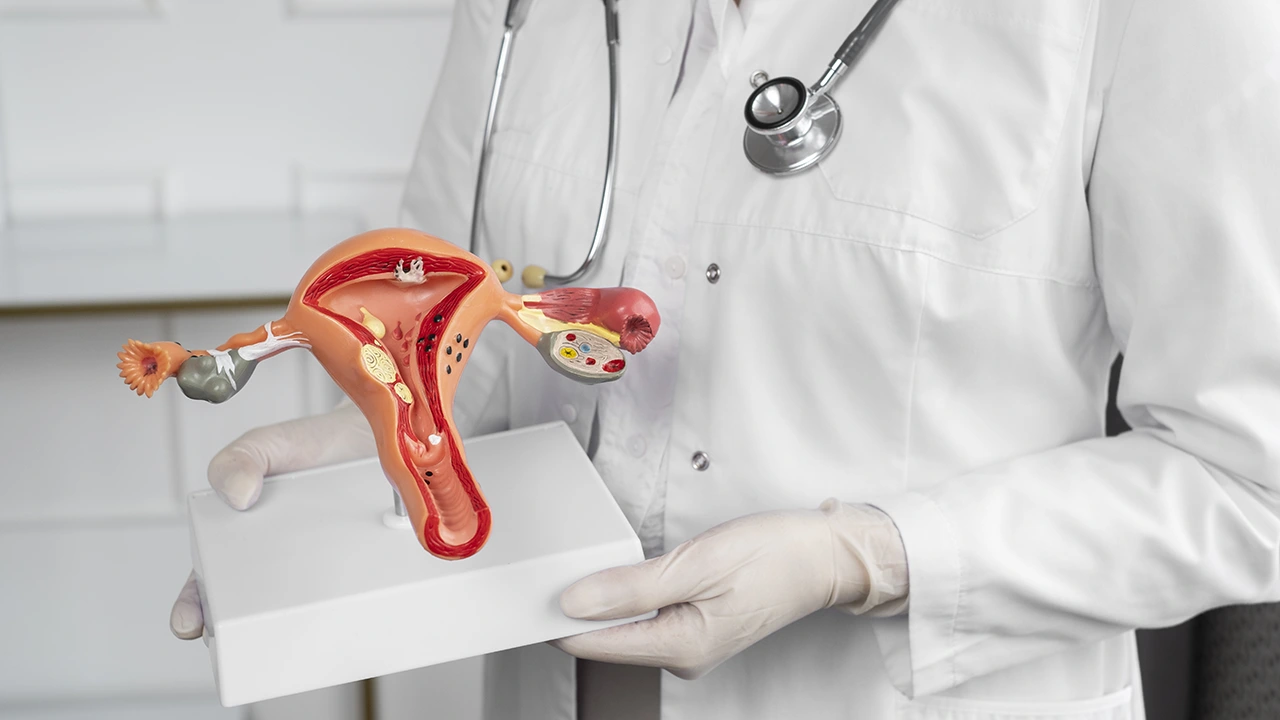
Womb transplantation is giving women with absolute uterine factor infertility the chance to carry and deliver their own child. This article explains how the process works from donor to delivery, who may be suitable, the risks involved and what recent births from living and deceased donors mean for patients.

Advanced female age causes fertility decline through reduced egg quantity, increased chromosomal abnormalities, and mitochondrial dysfunction. Understanding these biological mechanisms helps women make informed family planning decisions. Modern fertility treatments including IVF, preimplantation genetic testing, and egg freezing offer practical solutions to overcome age-related reproductive challenges when trying to conceive.
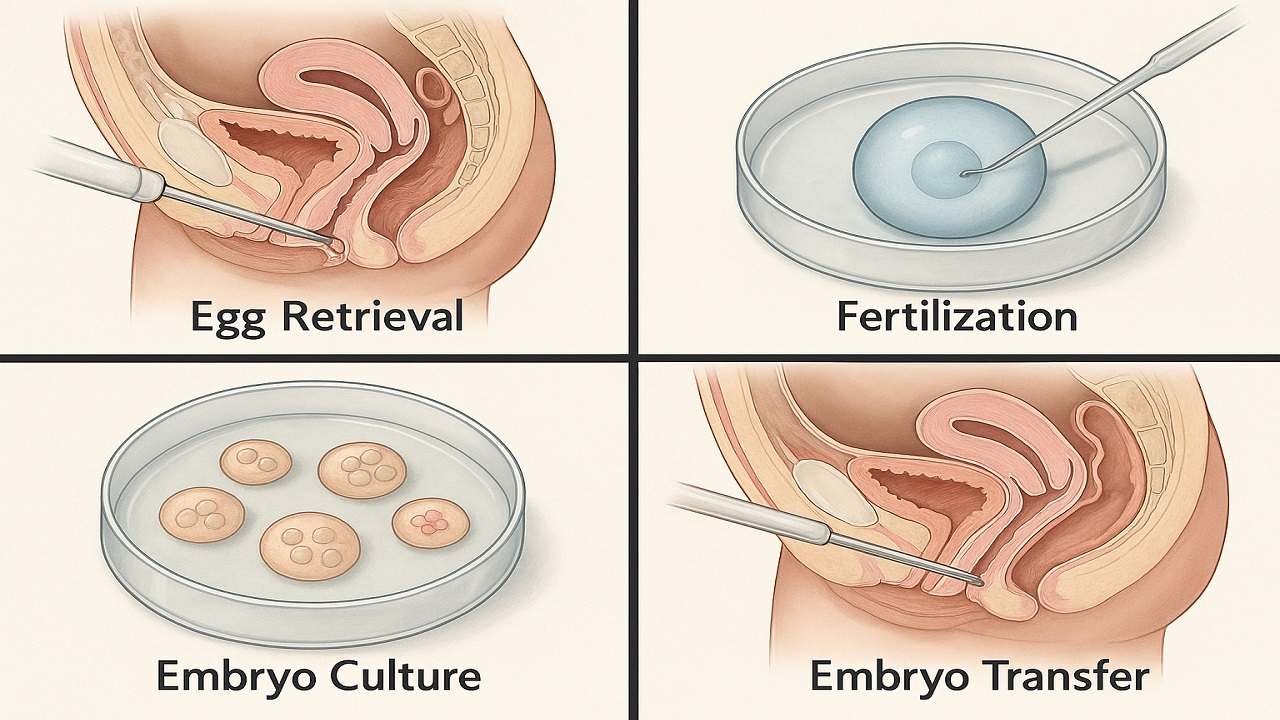
In Vitro Fertilization (IVF) process step by step, emphasising the importance of various stages such as ovarian stimulation, egg retrieval, fertilization, and embryo transfer in maximising the In Vitro Fertilization (IVF) Success Rate. It highlights how a thorough understanding of the procedure can prepare couples and individuals for their In Vitro Fertilization(IVF) journey, ultimately improving their chances of achieving a successful pregnancy.
Vitamin D Deficiency Affect IVF outcomes by influencing endometrial receptivity, embryo quality, and hormone balance. Clinical evidence, age-specific risks, and PCOS implications, while offering actionable strategies to optimize Vitamin D levels and improve IVF success rates and pregnancy outcomes in a structured, patient-focused approach.

Preimplantation Genetic Testing (PGT) revolutionizes IVF by screening embryos for chromosomal abnormalities and genetic disorders before transfer. This advanced technology increases pregnancy success rates, reduces miscarriage risk, prevents inherited diseases, and shortens time to pregnancy while providing diagnostic clarity and reducing emotional stress for couples.

Clinical evidence increasingly demonstrates that emotional stress or grief reduces the chances of IVF success through sophisticated biochemical pathways that directly influence reproductive physiology. This relationship extends far beyond simple correlations, revealing profound mechanistic connections between psychological distress and the delicate orchestration of hormonal events essential for successful conception.
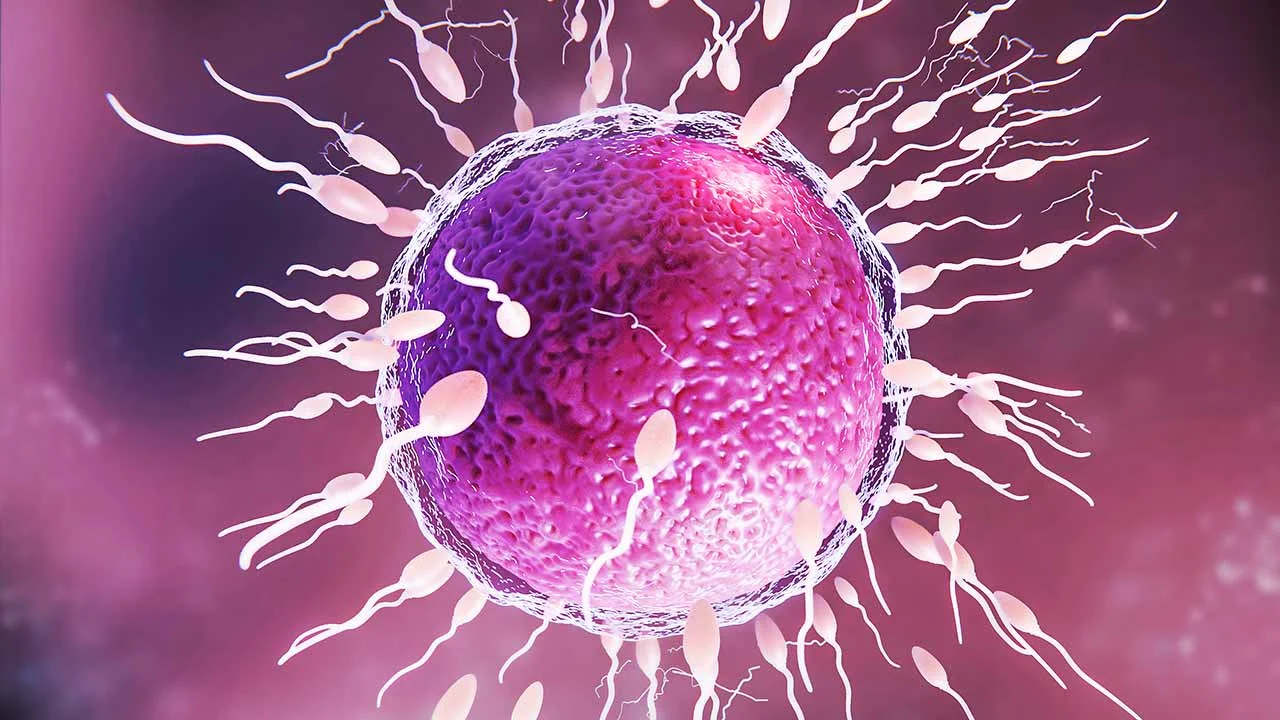
IVF in 2025 is shifting from hype to evidence-based innovation. As precision, automation, AI, and genetic advances reshape fertility care, patients must distinguish proven breakthroughs from outdated add-ons. This guide examines five groundbreaking IVF technologies in 2025 to understand which advances genuinely improve outcomes