Home
 ArticlesArticles
Donor eggs have long been seen as a way to reset the reproductive clock, but new research suggests uterine ageing also plays a role. This article explains what the latest evidence shows, how the ageing uterus may affect implantation and pregnancy, and how women in their late forties can prepare.



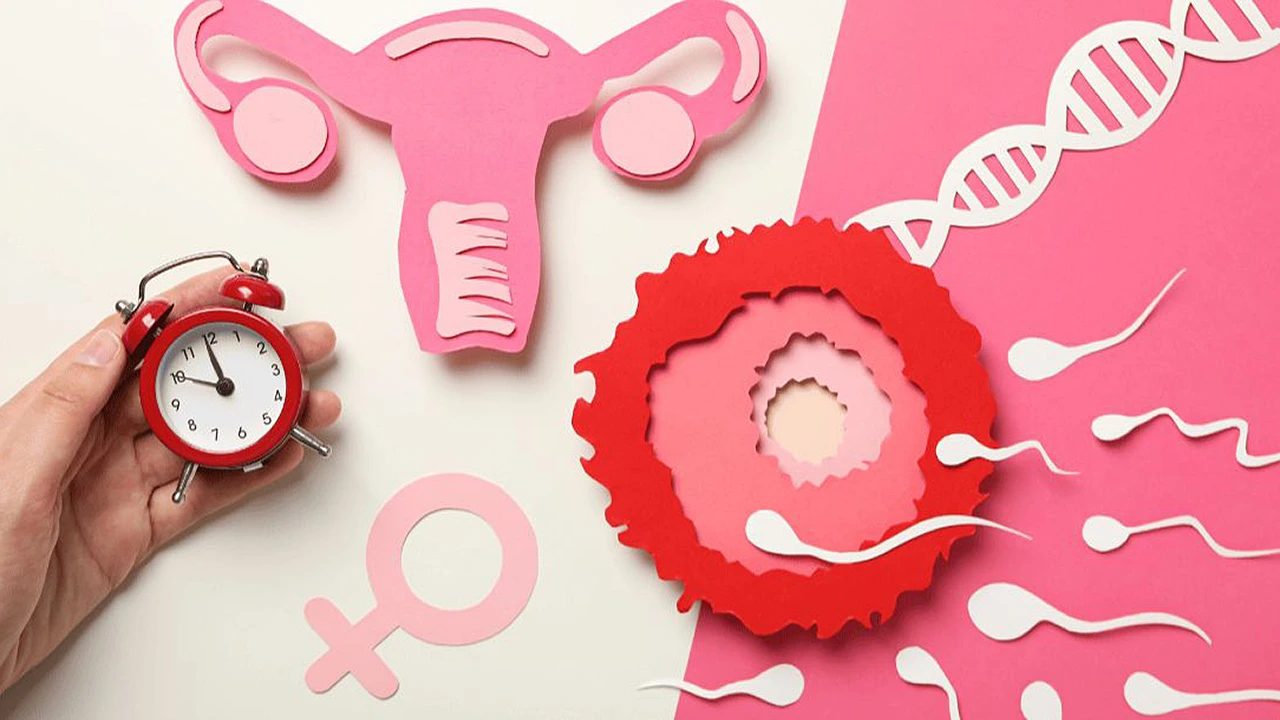
For women in their forties who have been unable to conceive with their own eggs, egg donation has transformed what is possible. Because the eggs come from younger donors, they carry the chromosomal health of youth, and pregnancy rates with donor eggs are far higher than with a woman's own eggs at the same age. For years, this led to a widely held assumption: with donor eggs, age hardly matters.
New research presented at the 2026 annual meeting of the European Society of Human Reproduction and Embryology (ESHRE) in London suggests that picture is incomplete. Even when the eggs are young, the age of the uterus appears to play a meaningful role. Understanding uterine ageing helps women approaching their late forties make informed decisions and prepare for pregnancy as well as possible.
It is well established that the decline in female fertility with age is driven largely by eggs. As women get older, a higher proportion of their eggs carry chromosomal errors, which reduces the chance of a healthy embryo and increases the risk of miscarriage. Egg donation bypasses this problem by using eggs from younger women, usually in their twenties or early thirties.
Because donor egg success rates remain strong even for recipients in their forties, many clinicians and patients came to view the uterus as relatively resilient to time. Yet specialists have long noted that pregnancy complications rise with maternal age, whatever the source of the eggs. The new research brings the uterus back into focus.

The study, from the IVIRMA Global Research Alliance, analysed several thousand single blastocyst transfers in women undergoing donor egg treatment. Because every woman received eggs from young donors, the researchers could look more directly at the effect of the recipient's own age.
They identified 49 as a meaningful threshold. Beyond that age, live birth rates were lower and miscarriage rates higher than in younger recipients, despite the eggs being of similar quality. The team also looked at the endometrium, the lining of the uterus where the embryo implants. While the thickness of the lining was similar across age groups, fewer older women showed the classic trilaminar, or three-layered, pattern on ultrasound that is often associated with a receptive lining.
Importantly, the lead researcher stressed that the findings should not discourage older women from pursuing donor egg treatment, where success rates remain meaningful. Instead, the message is that donor eggs cannot completely eliminate the effects of reproductive ageing, and women should be counselled accordingly.
The endometrium is a remarkably dynamic tissue. Each cycle, it grows, transforms under the influence of progesterone and becomes receptive to an embryo for a short window of time. For implantation to succeed, the embryo and the lining must communicate precisely, and the lining must undergo a process called decidualisation that prepares it to support the early placenta.
Research suggests that ageing may subtly affect these processes. Blood flow to the uterus can change with age, and the cells of the endometrium may respond less efficiently to hormonal signals. Conditions that become more common as women get older, such as fibroids and adenomyosis, can also alter the uterine environment. Scientists are still working to understand exactly which changes matter most, but the ESHRE findings add to evidence that uterine ageing is a real biological factor rather than a theoretical one.
The uterus is not only where implantation happens; it is where the placenta forms and where the pregnancy is sustained for nine months. Pregnancies in women of advanced maternal age are associated with higher risks of complications such as high blood pressure, preeclampsia, gestational diabetes and preterm birth. Pregnancies achieved with donor eggs have also been linked to a higher risk of hypertensive disorders, possibly related to immune adaptation to an embryo that is genetically unrelated to the mother.
This does not mean that pregnancy in later life is unsafe for everyone. Many women in their late forties have healthy pregnancies and babies. It does mean that careful assessment and specialist obstetric care are especially important.
For women considering donor egg treatment at an older age, preparation begins well before embryo transfer. A thorough evaluation of the uterine cavity, often with ultrasound and sometimes hysteroscopy, can identify fibroids, polyps, scarring or other problems that can be treated beforehand. Assessment of the lining's response to hormonal preparation helps the clinical team plan the transfer.
General health matters just as much. Checking blood pressure, blood sugar, thyroid function, kidney function and heart health before pregnancy allows existing conditions to be identified and managed. Many clinics recommend consultation with a maternal-fetal medicine specialist for women over 45 so that risks are understood and a monitoring plan is in place from the start.
Transferring a single embryo is strongly advised, because twin pregnancies magnify the risks associated with later-life pregnancy. Healthy lifestyle habits, including a balanced diet, regular physical activity and not smoking, support both the pregnancy and the woman's long-term health.
Women considering donor eggs in their late forties may find it helpful to ask how their age might affect implantation and pregnancy outcomes in their clinic's experience. It is worth asking what tests are recommended to assess the uterine cavity and lining, whether any pre-existing health conditions should be optimised before transfer, and who will provide obstetric care once pregnancy is confirmed. Asking about age limits is also sensible, as many clinics and national regulators set upper age limits for treatment.
Women who reach donor egg treatment in their late forties have often travelled a long road. Many have been through several cycles with their own eggs, and accepting donor eggs can involve grief for a genetic connection they had hoped for. Hearing that age may still influence outcomes can feel like another obstacle.
It helps to frame the new evidence as information rather than a verdict. Knowing that uterine ageing is a factor allows women to take practical steps, to set expectations that protect their emotional wellbeing and to make decisions about timing with clearer eyes. Counselling, whether offered by the clinic or through independent support services, can help women and couples process these decisions, including conversations about how and when to talk to a future child about donor conception.
For fertility specialists, the findings reinforce the value of individualised counselling. Presenting donor egg success rates without reference to recipient age may create unrealistic expectations for women at the upper end of the age range. Clear, compassionate discussion of how uterine ageing may influence outcomes helps patients make choices that feel right for them.
The research also points to important scientific questions. Better tools to assess endometrial receptivity, improved understanding of how the ageing uterus responds to hormonal preparation, and strategies to support placental health could all improve outcomes for older recipients in the future.
Donor eggs remain one of the most effective fertility treatments available, and they have allowed many women to become mothers later in life. The emerging evidence on uterine ageing does not change that. What it offers is a more complete picture of reproductive ageing, one that recognises both the egg and the uterus.
For women and couples, that knowledge supports better preparation, realistic expectations and safer pregnancies. For the fertility field, it opens a new line of research into how the uterus ages and how we might support it.
Disclaimer: FertilityIn shares this information based on published research and material from reliable, recognised sources. The content is intended for general awareness only and should not be taken as medical advice. Anyone with questions about their fertility, or who needs medical attention, should consult their own doctor or a qualified fertility specialist.
Femtech Insider – ESHRE 2026: Eight reproductive health studies from the annual meeting



Fertility conversations often focus on women, yet new research on sperm epigenetics shows a father's environment matters too. This article explains how air pollution may alter chemical marks on sperm DNA, why those changes could matter for fertility and pregnancy, and the practical steps men can reasonably consider before conception.
In vitro gametogenesis, the science of creating eggs and sperm from ordinary body cells, has moved from mouse studies towards human research. This article explains how the approaches work, what recent milestones really show, the obstacles that remain and why clinical use is still likely to be several years away.
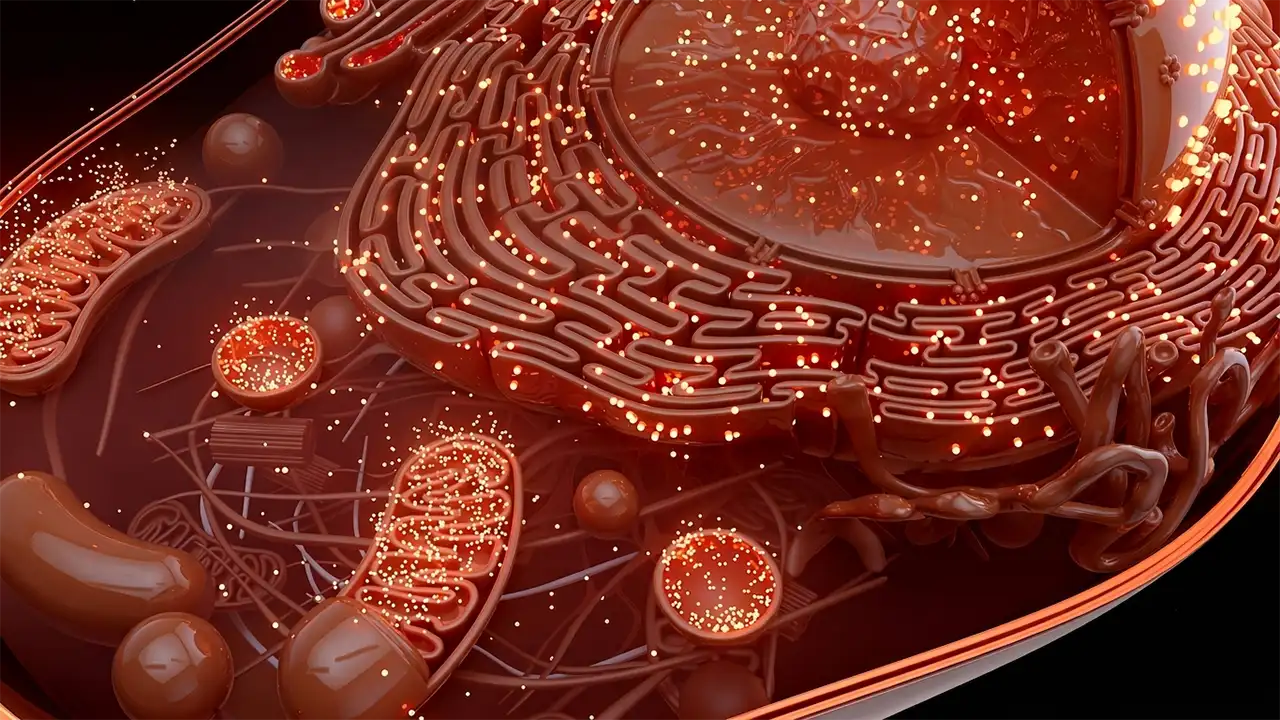
Mitochondrial donation, often called three-parent IVF, has now produced the first detailed clinical results, with healthy children born to mothers at high risk of passing on mitochondrial disease. This article explains how the technique works, who it is for, what the evidence shows and which scientific questions remain open

A new AI sperm recovery technique is changing the outlook for men with azoospermia. This article explains how the STAR method scans semen samples for rare hidden sperm, what its first reported pregnancy means, who may benefit, and the key questions couples should raise with their own fertility specialist.

Immunotherapy in restoring human fertility is emerging as a promising approach for addressing immune-related reproductive disorders. Recent clinical advances highlight its potential to improve implantation, pregnancy outcomes, and reproductive health, offering renewed hope for patients facing infertility linked to immune system dysfunction.
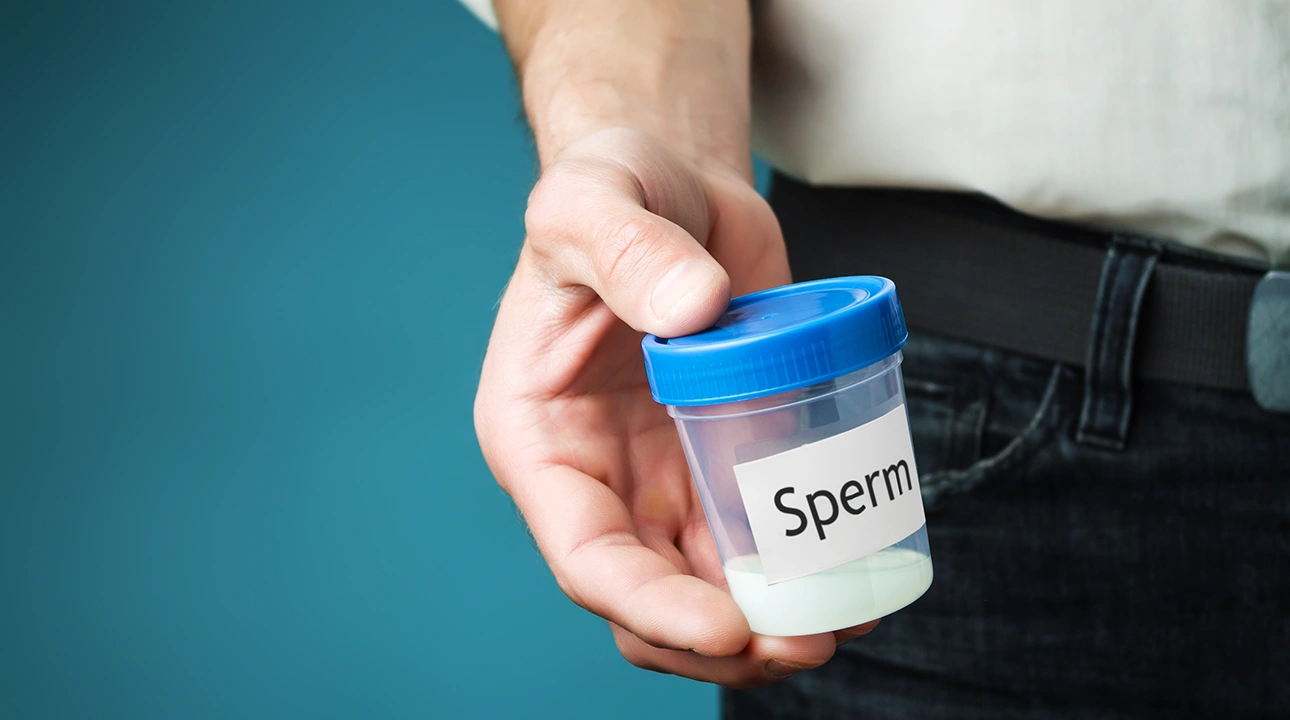
The smart fertility tracker market has transformed male fertility diagnostics, but how reliable are these devices? This report examines what at-home sperm tests actually measure, where they fall short compared to clinical analysis, and how men and couples can use them appropriately within a broader reproductive care pathway.