Home
 ArticlesArticles
The potential of stem cells to improve ovarian reserve and egg quality, focusing on their application in women with diminished fertility. It discusses how mesenchymal stem cells and other stem cell therapies can rejuvenate ovarian function by enhancing the ovarian environment, promoting tissue repair, and stimulating follicle growth. While the therapy shows promise, the article emphasizes the need for more extensive studies to understand its efficacy and safety.



The idea that stem cells could improve ovarian reserve and egg quality feels like an answer whispered from the future for anyone facing the challenges of diminished ovarian reserve or premature ovarian insufficiency. It’s poetic to imagine damaged ovarian tissue repairing itself, follicles reactivating, and eggs regaining vigor. The clinical reality, however, is more measured. Over the past decade, laboratories and clinics have reported promising animal studies and early human trials, particularly with mesenchymal stem cells (MSCs), autologous stromal fractions and cell-derived products such as exosomes, but robust, large randomized trials with long-term follow-up are still limited. Patients deserve both hope and sober facts: potential, plausible mechanisms, and early safety signals, but also unanswered questions about efficacy, standardization, and long-term risks.
Ovarian reserve refers to the quantity and quality of a woman’s remaining eggs at any given time. As women age, the number of viable eggs declines naturally, with corresponding reductions in egg quality. This decline is a major cause of infertility and reduced success rates in assisted reproductive technologies (ART) such as in vitro fertilization (IVF). Additionally, conditions like premature ovarian failure or damage from chemotherapy can dramatically deplete ovarian reserve early in life.
Egg quality involves the ability of an egg to undergo fertilization and support embryo development. Aging impacts this quality by increasing chromosomal abnormalities and reducing the egg’s developmental competence. Poor egg quality leads to higher rates of miscarriage, failed fertilization, and birth defects. Thus, improving both ovarian reserve and egg quality is a critical area in fertility research.
Stem cell therapy offers hope by targeting the ovarian environment, a complex system that influences both egg quantity and quality. The ovarian microenvironment includes hormonal signals, blood supply, and cellular support that deteriorates with age and disease. Researchers believe that restoring or enhancing this environment can improve egg development and folliculogenesis (the process of follicle maturation).
Stem cells are unique due to their ability to self-renew and differentiate into various cell types. In ovarian rejuvenation, mesenchymal stem cells (MSCs), derived from sources like bone marrow, adipose tissue, or umbilical cord, are most commonly studied for their regenerative properties. These cells aid in ovarian repair primarily by secreting growth factors through paracrine effects. Cytokines stimulate tissue repair, reduce inflammation, and promote angiogenesis (formation of new blood vessels).
When introduced into ovarian tissue, stem cells may:
These mechanisms collectively create a rejuvenated ovarian environment favorable to egg growth and maturation, potentially increasing the number of retrievable eggs and improving their quality.
The therapeutic process using stem cells to improve ovarian reserve typically involves several key steps:
This relatively simple and safe procedure aims to stimulate ovarian regeneration and improve functional ovarian reserve.
Patients often want a simple answer: will it increase my chance of pregnancy? Realistically, the evidence suggests possible improvements in ovarian markers (AMH, antral follicle count, sometimes ovarian hormones) for some individuals, which may translate into more eggs retrieved in IVF for a subset of patients. But clinical pregnancies and live births attributable to stem-cell interventions remain reported mainly in small series or non-randomized settings; they are not yet consistent, predictable outcomes.
Risks appear limited in early reports. There is no clear signal of systemic migration or teratogenesis in small studies, but long-term safety data are insufficient. There are additional practical concerns: variability in cell source and processing, lack of standardized dosing, and the cost and logistical complexity of these procedures. Patients should weigh the experimental benefit against these uncertainties and the financial burden.
Stem cell therapy for improving ovarian reserve and egg quality represents one of the most exciting frontiers in reproductive medicine. By harnessing the regenerative abilities of stem cells, this innovative approach aims to restore ovarian function, enhance fertility potential, and provide new hope to women facing age-related or medically induced infertility. While clinical applications remain in early stages, the accumulating body of evidence points toward a future where stem cell interventions may become an integral part of personalized fertility treatment.
As the science evolves, ongoing research, meticulous clinical validation, and ethical vigilance will be crucial to realizing the full promise of stem cell therapy, enabling more women to achieve successful pregnancies using their own improved eggs.


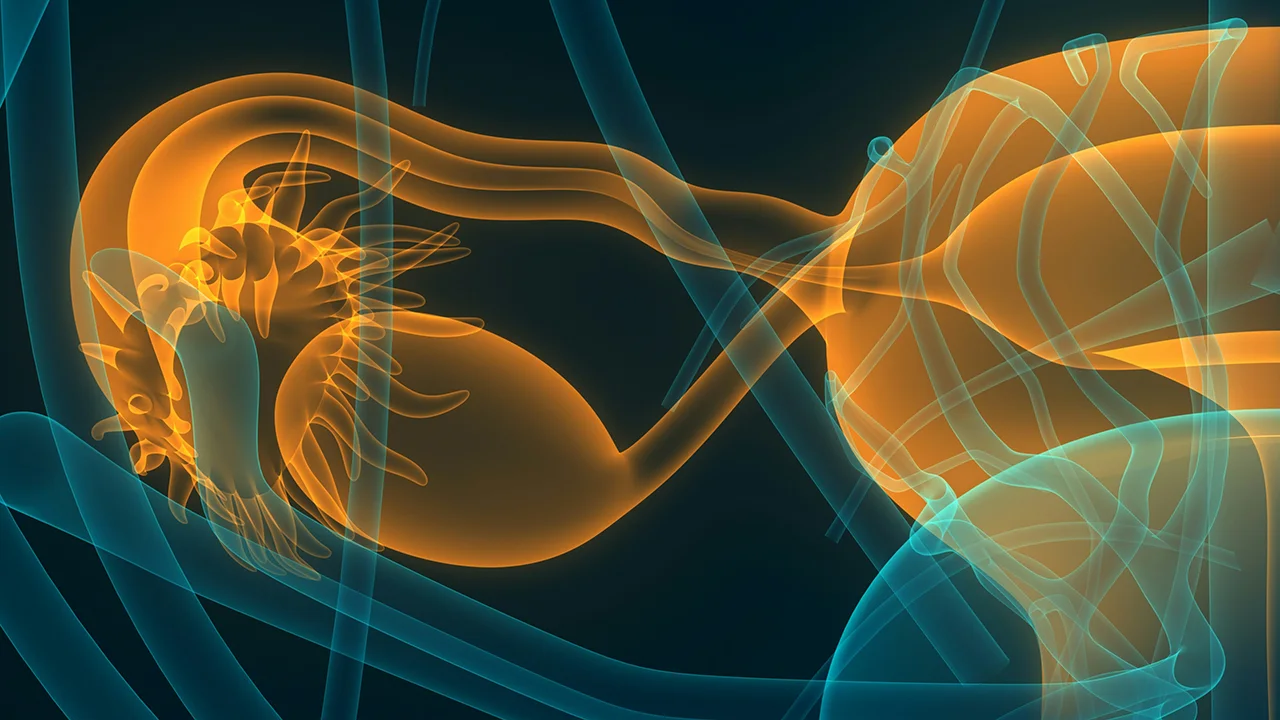
A routine X-ray test of the fallopian tubes may do more than diagnose a problem. This article explains oil-based tubal flushing during hysterosalpingography, what major clinical trials have found about its effect on natural conception, who may benefit, the possible risks and the questions couples should ask their own fertility specialist.
Consumer DNA testing and new open-identity laws are bringing the era of donor anonymity to a close. This article explains why anonymity can no longer be guaranteed, how laws are changing, and what this shift means for donors, intended parents and the growing number of donor-conceived people around the world
Donor genetic screening is moving well beyond basic tests. This article explains how expanded carrier screening and donor-recipient matching work, what recent high-profile cases in Europe have revealed about the limits of screening, and the questions intended parents should ask before choosing donor eggs or sperm for their treatment.
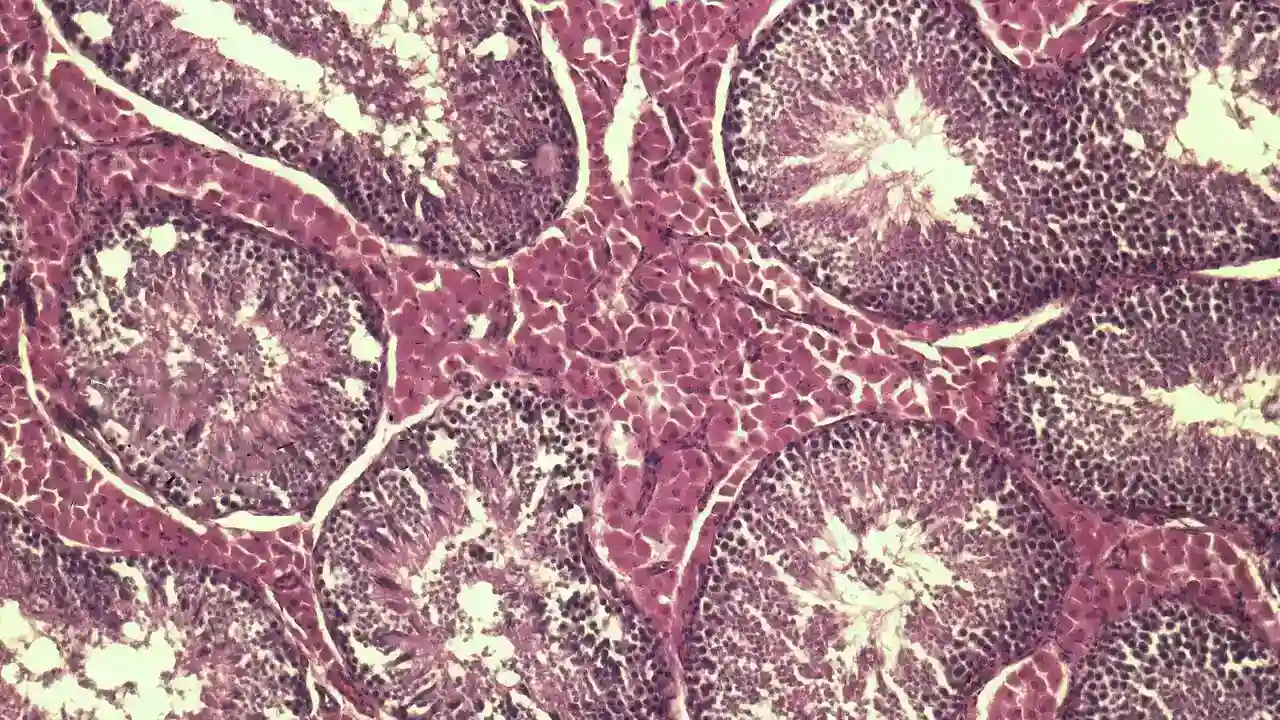
Boys treated for cancer before puberty cannot bank sperm, but freezing testicular tissue containing spermatogonial stem cells may one day restore their fertility. This article explains how the first transplants in adult survivors work, what the early research shows, the risks involved and why families should know about this option.
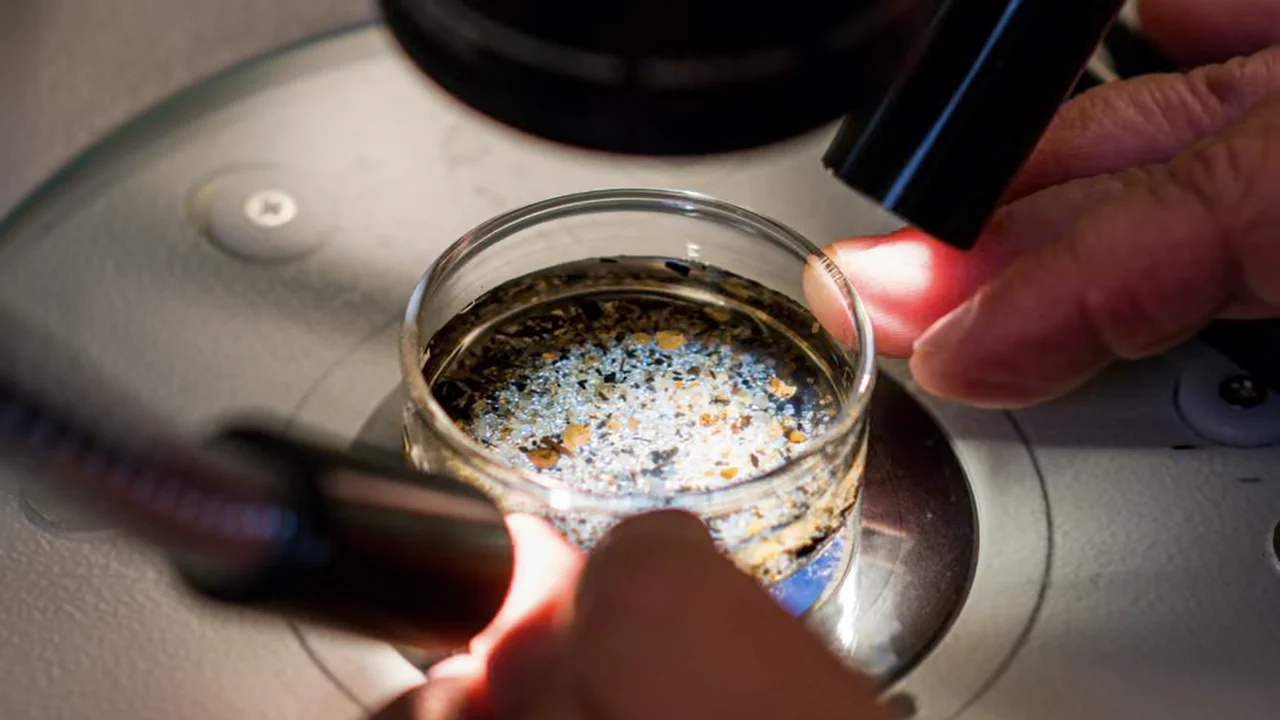
Microplastics have now been found in human follicular fluid and seminal fluid. This article explores the fast-growing body of research on microplastics and fertility, what scientists know and do not yet know about their effects on eggs and sperm, and practical, evidence-based ways that couples can reduce their everyday exposure.

Fertility conversations often focus on women, yet new research on sperm epigenetics shows a father's environment matters too. This article explains how air pollution may alter chemical marks on sperm DNA, why those changes could matter for fertility and pregnancy, and the practical steps men can reasonably consider before conception.
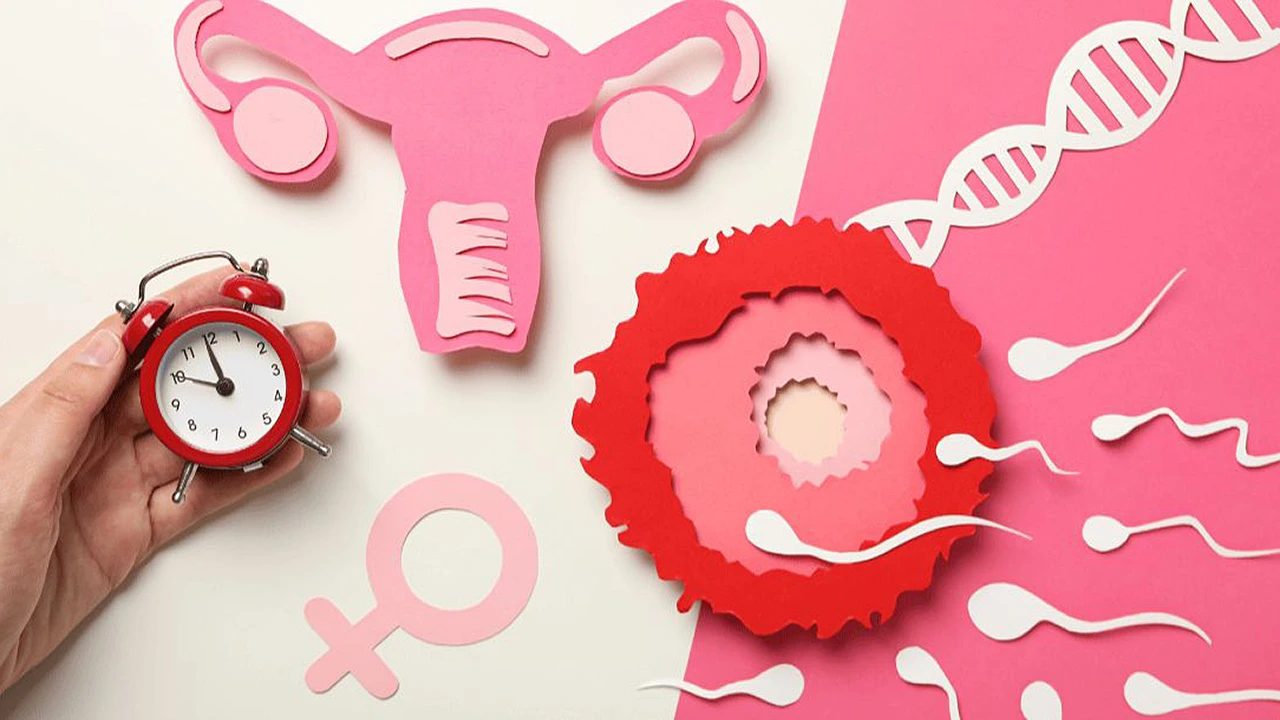
Donor eggs have long been seen as a way to reset the reproductive clock, but new research suggests uterine ageing also plays a role. This article explains what the latest evidence shows, how the ageing uterus may affect implantation and pregnancy, and how women in their late forties can prepare.