Home
 ArticlesArticles
Embryo donation enables recipients to carry and give birth to donor-created embryos, combining high success rates with inclusive donor-recipient matching and global legal frameworks to support diverse family-building journeys.




For couples facing the challenges of infertility, embryo donation has emerged as a meaningful pathway to parenthood, offering hope where other assisted reproductive technologies may have fallen short. This increasingly utilized option allows individuals and couples to experience pregnancy and childbirth while building their families through the generosity of embryo donors. As medical advancements continue to refine fertility treatments, understanding embryo donation becomes essential for those exploring their reproductive options.
Embryo donation represents a specialized form of assisted reproductive technology in which embryos created during another couple's in vitro fertilization treatment are donated to recipients who cannot conceive using their own genetic material. Unlike egg or sperm donation, embryo donation involves transferring already-formed embryos, those fertilized and often cryopreserved after successful IVF cycles, into the recipient's uterus.
The process differs fundamentally from traditional adoption because the recipient carries the pregnancy to term and gives birth to the child, experiencing the full journey of pregnancy while the embryo develops in her womb. The woman who delivers becomes the legal mother in most jurisdictions, despite the absence of genetic connection.
Embryo donation serves as an invaluable solution for various fertility challenges. Couples who have experienced repeated IVF failures, those diagnosed with both male and female factor infertility, individuals at risk of transmitting genetic diseases, and women with premature ovarian failure or poor egg quality frequently turn to embryo donation. Single women and same-sex female couples in countries with inclusive legislation also utilize embryo donation to fulfill their dreams of parenthood.
Recipients typically include women with healthy uterine environments who can successfully carry a pregnancy but cannot produce viable eggs, as well as couples where both partners face significant fertility obstacles. The treatment proves particularly beneficial for patients who have exhausted other fertility options or prefer a more streamlined approach than coordinating separate egg and sperm donations.
Understanding embryo donation begins with recognizing its straightforward yet carefully regulated process. The journey typically unfolds through several critical stages:

Recipients undergo comprehensive medical assessments including detailed reproductive history reviews, physical examinations, and pelvic ultrasounds to evaluate uterine health. Blood tests screen for infectious diseases such as HIV, Hepatitis B and C, syphilis, and other conditions that might affect pregnancy outcomes. Thyroid function, blood type, and general health markers are also assessed to ensure the recipient can safely carry a pregnancy.
Embryo donors must meet stringent criteria to ensure the health and viability of donated embryos. Donors typically created these embryos when the female partner was under 35 years of age, ensuring optimal egg quality. Both egg and sperm donors undergo extensive genetic screening, chromosome analysis, cystic fibrosis testing, and comprehensive infectious disease panels. Clinics match embryos based on physical characteristics, blood type, and phenotypic compatibility with recipients, though genetic connection remains absent.
The recipient undergoes hormonal treatment to prepare her uterine lining for optimal embryo implantation. This preparation typically involves estrogen patches or tablets followed by progesterone supplementation, administered over approximately two to three weeks. Some women with regular menstrual cycles may undergo natural cycle preparation, eliminating the need for extensive medication. Regular ultrasound monitoring ensures the endometrial lining reaches adequate thickness, generally above 7 mm, to support successful implantation.
On transfer day, cryopreserved embryos are carefully thawed using advanced vitrification techniques that achieve survival rates approaching 100%. The embryo transfer itself is a simple, minimally invasive procedure performed under ultrasound guidance, during which one or two embryos are placed directly into the uterus through a thin catheter. Most transfers occur at the blastocyst stage, typically day five of development, maximizing implantation potential.
Following the transfer, recipients typically rest for one to two days before resuming normal activities. Approximately 10-14 days post-transfer, a blood test measuring beta-hCG hormone levels confirms whether implantation succeeded. If pregnancy occurs, ultrasound monitoring begins around two weeks later to verify proper embryo development and placement.
Embryo donation offers encouraging success rates, with national averages in the United States showing live birth rates of approximately 42-43% per transfer. Leading programs report even higher success rates, with some clinics achieving pregnancy rates of 49-69%. These impressive outcomes stem from the high quality of donated embryos, as couples typically freeze only their best-quality embryos after successful IVF treatments.
Success depends on multiple factors, including the age of the egg donor at the time of embryo creation, embryo quality and developmental stage at freezing, the recipient's uterine health, and endometrial thickness during transfer. The vitrification process, modern rapid-freezing technology, preserves embryo integrity exceptionally well, contributing to high survival and implantation rates.
Different countries have established varying frameworks for embryo donation, reflecting diverse cultural values and ethical considerations. Couples considering embryo donation must understand that regulations governing anonymity, eligibility, compensation, and procedural requirements differ substantially by jurisdiction.

Embryo donation is legal in several Australian states, including Victoria, with strict prohibitions on commercial arrangements. Donors receive compensation only for reasonable medical expenses, and identity-release provisions allow donor-conceived children to access donor information upon reaching adulthood. The Australian Capital Territory has also implemented changes to assisted reproductive technology regulations to support donor programs.
Canada operates under the Assisted Human Reproduction Act, permitting non-anonymous embryo donation strictly on an altruistic basis. Commercial embryo transactions remain illegal, though reimbursement for medical expenses and related costs is permitted. Both genetic contributors must provide consent, with provisions allowing withdrawal before embryo transfer. The Canadian framework emphasizes transparency and the rights of donor-conceived individuals.
Colombia's 1991 Constitution Article 42 approves the use of assisted reproductive technologies and protects children conceived through such techniques. The country permits embryo donation as part of its assisted reproductive technology laws, with Congressional decree 1546 of 1998 providing guidelines for fertility clinics. Gamete donation must be voluntary and altruistic, with all donors undergoing comprehensive medical, genetic, and psychological examinations. Embryo freezing and donation to other couples are legally supported.
In Northern Cyprus, embryo donation is legal and strictly anonymous, with donor identities kept confidential. The procedure is open to singles and couples of all orientations. There’s no age limit for recipients, though donors must meet age criteria. Intended parents can choose donors based on traits like ethnicity, hair and eye color, or blood type, and the woman who gives birth is recognized as the legal mother.
Estonia permits the use of donated embryos under the Artificial Insemination and Embryo Protection Act. Updated regulations from January 2024 have expanded opportunities for married female couples and single women requiring donor gametes. Women up to 51 years are permitted to undergo IVF, and assisted reproduction is legally available to married couples, unmarried couples, single women, and married female couples. Embryos can be stored for up to seven years from the date of freezing.
France's 2021 Bioethics Law broadens access to medically assisted reproduction for all women and couples, regardless of medical reasons. Couples can legally donate surplus embryos from their IVF cycles to other couples or single women. The law permits the preservation of embryos for up to five years and allows scientific testing on donated embryos created within the context of a parental project. The Biomedicine Agency serves as the primary authority overseeing embryo donation procedures.
Greece legally permits anonymous embryo donation. The legal framework supports heterosexual couples, single women, and, with appropriate documentation, same-sex female couples. Embryos can be cryopreserved for up to ten years under Greek law. Greece has become a popular destination due to its well-established donor programs and favorable success rates.
The Assisted Reproductive Technology (Regulation) Act, 2021, regulates donation procedures in India. Compensation for donation is limited to medical and insurance expenses, ensuring an altruistic framework. The Act establishes comprehensive guidelines for donor screening, eligibility criteria, and the rights of donor-conceived children. India's regulations emphasize ethical practices and patient protection while making fertility treatments accessible.
Fertility clinics in Mexico offer embryo donation options, and the laws are generally favorable to international patients. Embryo donation enables couples to use embryos created from donor sperm and donor eggs or those donated by other couples. Mexico's clinics are proficient at freezing and thawing embryos with high survival and pregnancy success rates. The country provides a wide variety of donor choices and supportive services for families considering embryo donation.
Panama Fertility clinics provide embryo donation as a legal option. The country offers advanced fertility treatments, including IVF, ICSI, egg and sperm donation, and embryo donation with high success rates. Panama Fertility is recognized as the first regional center where women can choose their donors with access to extensive background information. All donors undergo rigorous FDA-compliant screening, including genetic testing, psychological evaluation, and comprehensive medical assessments.
Poland allows embryo donation as a legal option within its assisted reproductive technology framework. IVF treatments in Poland attract couples from across Europe due to favorable regulations and high-quality medical care. Clinics offer comprehensive donor programs with rigorous screening protocols.
Portugal permits embryo donation under an identity-release framework, where the donor's identity can be revealed later. The Portuguese legal system balances donor rights with the interests of donor-conceived individuals, providing pathways for offspring to access identifying information when appropriate.
Spain offers completely anonymous embryo donation in accordance with Spanish law. The country's progressive legislation welcomes single women and same-sex couples, making Spain one of Europe's most popular destinations for fertility treatment. Embryo transfers are governed by age-based protocols that permit up to two embryos for women using donor eggs. Spanish clinics maintain extensive donor databases and high success rates.
The United Kingdom regulates embryo donation through the Human Fertilisation and Embryology Authority (HFEA), implementing identity-release rules that permit donor-conceived individuals to access donor information when appropriate. Donors must meet specific age criteria, 18-35 years for egg donors and 18-45 years for sperm donors, though clinics may accept donors outside this range in exceptional circumstances. Comprehensive health checks required from gamete donors ensure safety and quality.
State laws vary significantly across the United States, but embryo donation (often termed "embryo adoption") is widely practiced and legal throughout most jurisdictions. Some states maintain donor anonymity while others follow identity-release models, and the process typically falls under property contract law rather than traditional adoption statutes. The US offers diverse programs ranging from anonymous agency-facilitated donations to known donor arrangements. Success rates are among the highest globally, with specialized embryo donation programs reporting pregnancy rates exceeding 40%.
Before pursuing embryo donation, couples must thoroughly understand several critical factors. First and foremost, regulations differ dramatically between countries, encompassing everything from anonymity requirements to eligibility restrictions based on marital status, sexual orientation, or age. Understanding embryo donation requires recognizing that different countries have different rules and laws for this process, and couples must understand current regulations in their country of residence or treatment destination and how they can legally opt for the process.
Medical considerations rather than commercial transactions govern most programs, with altruistic donation models permitting expense reimbursement but forbidding payment for embryos themselves. Anonymity laws represent major decision factors, as some countries protect donor anonymity completely while others grant resulting children the right to learn donor identities later in life.
Recipient eligibility varies substantially, some clinics exclude single women or restrict treatment to married heterosexual couples, while others embrace inclusive policies welcoming single individuals, same-sex couples, and diverse family structures.
Embryo donation raises important ethical considerations regarding embryo status, donor autonomy, recipient rights, and the welfare of resulting children. Programs must ensure informed consent from all parties, clearly delineating that donors relinquish dispositional control once embryos are donated. The principle of respect for autonomy requires that donors and recipients make fully informed decisions without coercion.
Questions surrounding embryo moral status, disclosure to offspring, potential future contact between donor and recipient families, and equitable access to treatment remain subjects of ongoing ethical discourse. Many countries have developed comprehensive guidelines addressing these concerns while respecting diverse cultural and religious perspectives.
Understanding embryo donation empowers couples to make informed decisions about this promising fertility treatment option. The global landscape offers diverse destinations with varying approaches, costs, and success rates, allowing patients to select programs aligning with their specific needs, values, and circumstances. While regulations and procedures differ significantly between countries, the fundamental process remains consistent: comprehensive screening, careful matching, medical preparation, and expert embryo transfer techniques designed to optimize pregnancy outcomes. Success rates consistently exceed many traditional fertility treatments, providing realistic hope for couples facing complex reproductive challenges. As this field continues evolving, patients benefit from increased options, improved outcomes, and enhanced support services that make the journey toward parenthood more accessible and successful than ever before.



Immunotherapy in restoring human fertility is emerging as a promising approach for addressing immune-related reproductive disorders. Recent clinical advances highlight its potential to improve implantation, pregnancy outcomes, and reproductive health, offering renewed hope for patients facing infertility linked to immune system dysfunction.

The smart fertility tracker market has transformed male fertility diagnostics, but how reliable are these devices? This report examines what at-home sperm tests actually measure, where they fall short compared to clinical analysis, and how men and couples can use them appropriately within a broader reproductive care pathway.
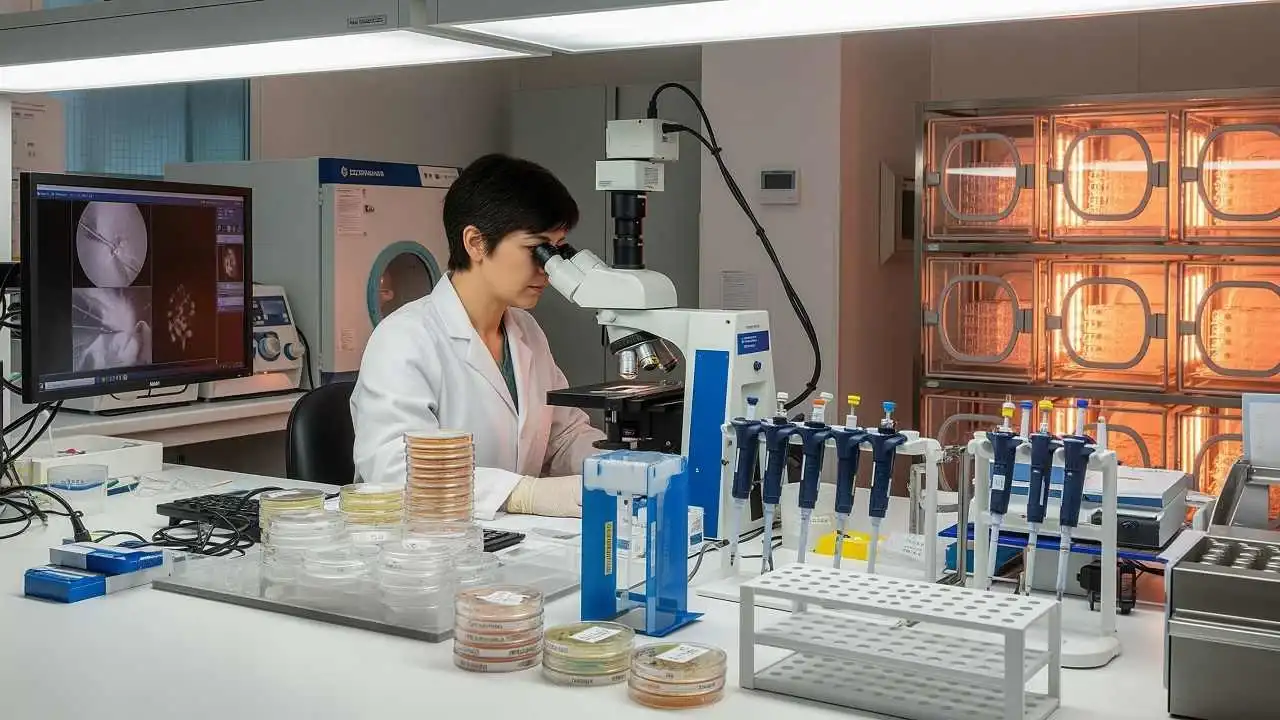
The distinct assisted reproductive technologies of Intrauterine Insemination (IUI), In Vitro Fertilization (IVF), and Intracytoplasmic Sperm Injection (ICSI). It outlines how each procedure works, the medical indications for their use, and their respective success rates. The importance of choosing the right treatment based on factors such as patient age, infertility diagnosis, and personal circumstances.

Assisted Reproductive Technology (ART), a groundbreaking medical field that provides solutions for individuals and couples facing fertility challenges. It defines ART, explains its core techniques such as In Vitro Fertilization (IVF) and Intracytoplasmic Sperm Injection (ICSI), and discusses clinical applications and success rates.

Common questions about pregnancy with polycystic ovary syndrome (PCOS) through IVF and IUI. It discusses PCOS-related infertility, success rates, treatment options, and the importance of personalised protocols. Emphasising holistic care and emotional support, it offers hope and insights for women navigating the challenges of PCOS.

The potential of stem cells to improve ovarian reserve and egg quality, focusing on their application in women with diminished fertility. It discusses how mesenchymal stem cells and other stem cell therapies can rejuvenate ovarian function by enhancing the ovarian environment, promoting tissue repair, and stimulating follicle growth. While the therapy shows promise, the article emphasizes the need for more extensive studies to understand its efficacy and safety.
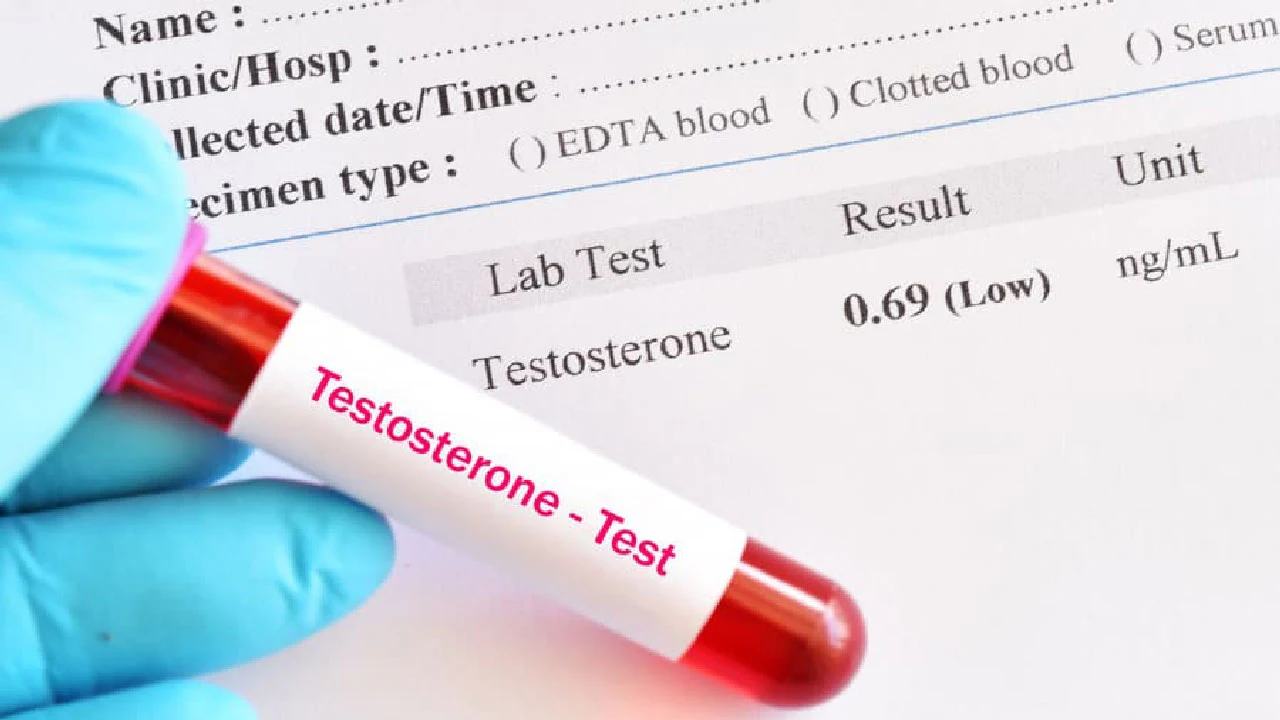
Clinical pearls for treating infertility and low testosterone in men, emphasizing reproductive goal assessment, empiric medical therapies, and comprehensive multidisciplinary management strategies.