Home
 ArticlesArticles
A comprehensive overview of the risks and side effects of ART, such as in vitro fertilization (IVF), intracytoplasmic sperm injection (ICSI), and other related techniques. It discusses common complications like ovarian hyperstimulation syndrome (OHSS), multiple pregnancies, and ectopic pregnancies, which can occur as a result of fertility treatments. fertility clinic scene with doctors




Understanding the Risks and Side Effects of ART
Assisted reproductive treatments (ART) have revolutionized the field of fertility, providing hope and possibilities to countless individuals and couples facing challenges in conceiving naturally. While these medical advancements have made parenthood accessible to many, it is essential to understand the inherent risks and potential side effects associated with these treatments to make informed decisions. This article provides a comprehensive overview of the key risks, complications, and side effects linked to assisted reproductive technologies, ensuring a balanced, expert perspective grounded in current scientific knowledge.

The Landscape of Assisted Reproductive Treatments
Assisted reproductive treatments encompass a range of medical procedures designed to aid conception when natural fertility is compromised. The most common among these is in vitro fertilization (IVF), which involves fertilizing an egg outside the body and implanting the resulting embryo into the uterus. Other related techniques include intracytoplasmic sperm injection (ICSI), gamete intrafallopian transfer (GIFT), and ovulation induction. Each of these comes with unique pathways and medical interventions, influencing the risk profiles associated with their use.
Understanding these risks begins with appreciating the complexity of the processes involved, which often require hormone stimulation, surgical interventions, and manipulation of gametes and embryos.
Ovarian Hyperstimulation Syndrome (OHSS)
One of the primary concerns in assisted reproductive treatments is ovarian hyperstimulation syndrome, a condition resulting from excessive response to fertility medications used to stimulate egg production. OHSS manifests with enlarged ovaries, abdominal pain, bloating, and in severe cases, fluid accumulation in the abdomen and chest. The syndrome ranges from mild to severe, with severe cases potentially leading to complications such as blood clots, kidney failure, or even life-threatening conditions.
The delicate balance in hormone dosages and monitoring is critical to minimizing OHSS risk, which currently affects about 5 to 10 percent of women undergoing fertility treatments. Early detection and intervention are vital to manage symptoms effectively and safeguard the patient's health.
Multiple Pregnancies and Associated Complications
Assisted reproductive treatments significantly increase the likelihood of multiple pregnancies, including twins or higher-order multiples. While multiple births can be a joyful outcome, they also entail increased health risks for both the mother and the babies. Complications such as preterm birth, low birth weight, gestational diabetes, and preeclampsia occur at higher rates in multiple gestations compared to singleton pregnancies.
Current clinical guidelines encourage limiting the number of embryos transferred during IVF to reduce the incidence of multiple pregnancies. Despite this, the risk remains notably higher than natural conception, demanding careful consideration and counseling by healthcare providers.
Ectopic Pregnancy
Another critical risk associated with ART is ectopic pregnancy, a condition where the fertilized egg implants outside the uterus, commonly in a fallopian tube. Ectopic pregnancies can pose serious health risks and require immediate medical attention. Assisted reproductive treatments slightly increase the risk of ectopic pregnancy compared to spontaneous conceptions due to the manipulation and transfer techniques involved.
Timely diagnosis with ultrasound and quantitative blood tests enables early intervention, which is crucial in preventing complications arising from this condition.
Emotional and Psychological Impact
The journey through assisted reproductive treatments is often emotionally taxing, with patients experiencing cycles of hope and disappointment. The psychological burden can stem from the physical demands of treatment, uncertainty about outcomes, and the financial and social pressures involved. Many undergoing ART report anxiety, depression, and stress-related symptoms, underscoring the importance of holistic care that includes mental health support alongside medical treatment.
Healthcare professionals increasingly recognize the value of counseling services and support groups to help patients navigate this challenging journey with resilience and informed coping strategies.
Birth Defects and Long-Term Child Health
Concerns about the potential for birth defects and long-term health effects in children conceived through ART have been extensively studied. While some research indicates a slightly elevated risk of certain congenital anomalies and genetic imprinting disorders, the absolute risk remains low. Advances in ART techniques, rigorous embryo screening, and improved clinical protocols have further mitigated these risks.
Ongoing research continues to monitor the health outcomes of ART-conceived children to ensure safety standards evolve with the technology.
Rare but Serious Complications
Though uncommon, ART carries risks of rare but serious complications. These include ovarian torsion, infections from surgical procedures, and complications from egg retrieval, such as bleeding or damage to surrounding organs. Additionally, some studies suggest a potential association between ART and an increased risk of certain cancers, though evidence remains inconclusive and under active investigation.
Patients should engage in informed discussions with their healthcare team to understand these risks relative to their individual clinical contexts.

Balancing Benefits with Risks
Assisted reproductive technologies have opened new frontiers in fertility treatment, offering solutions where previously there were none. However, the inherent risks necessitate a careful, personalized approach to care. Comprehensive screening, individualized hormone management, limiting the number of embryos transferred, and close monitoring are standard practices aimed at minimizing complications.
Informed consent grounded in clear communication about possible risks and side effects of ART empowers patients to make decisions aligned with their values and health priorities.
Conclusion
While assisted reproductive treatments offer remarkable opportunities for building families, understanding the associated risks and side effects of ART is essential for prospective patients. Many of these risks are manageable with ongoing advancements and vigilant medical care. Emotional support, thorough counseling, and transparent patient education further enhance treatment experiences and outcomes. Balancing hope with realism remains the cornerstone of responsible fertility care.


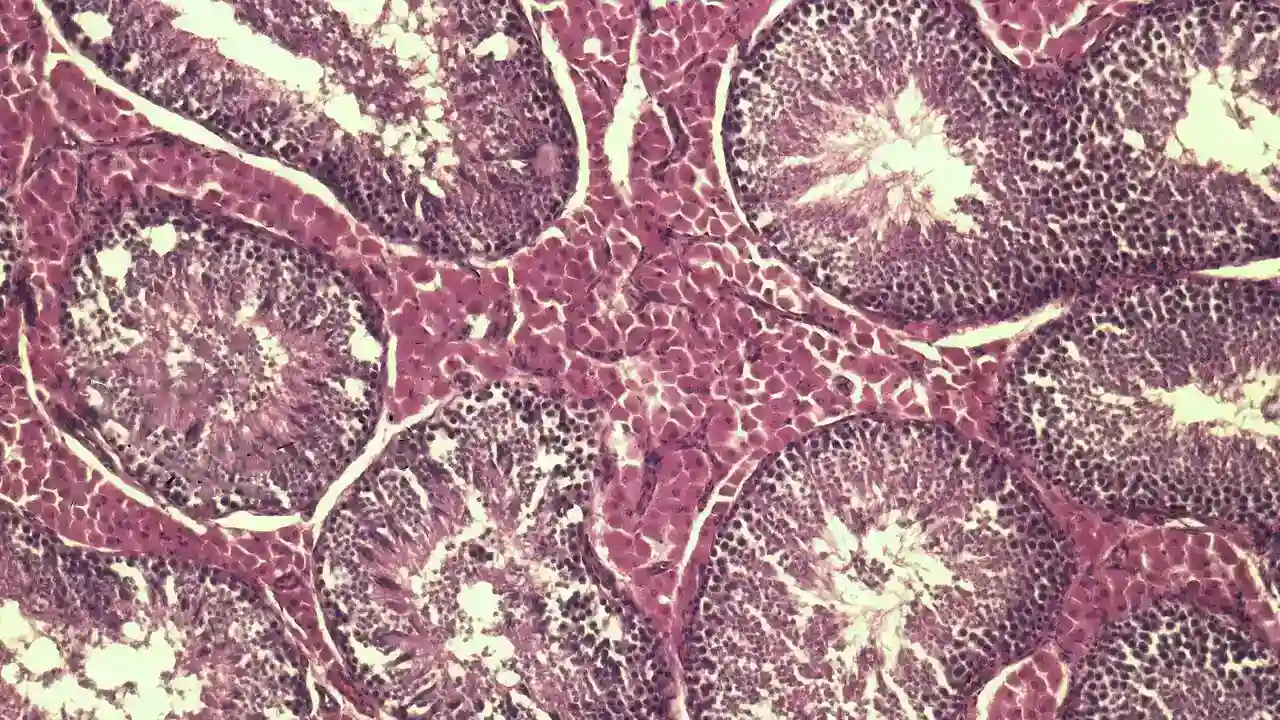
Boys treated for cancer before puberty cannot bank sperm, but freezing testicular tissue containing spermatogonial stem cells may one day restore their fertility. This article explains how the first transplants in adult survivors work, what the early research shows, the risks involved and why families should know about this option.
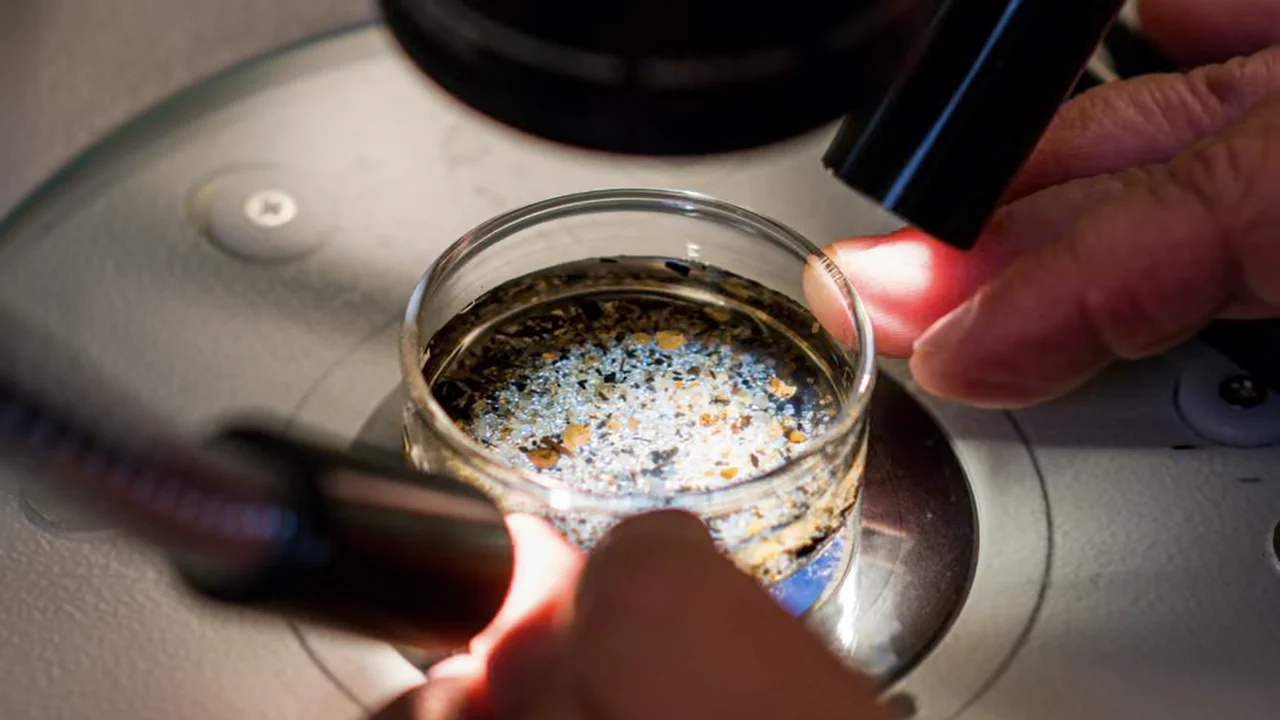
Microplastics have now been found in human follicular fluid and seminal fluid. This article explores the fast-growing body of research on microplastics and fertility, what scientists know and do not yet know about their effects on eggs and sperm, and practical, evidence-based ways that couples can reduce their everyday exposure.

Fertility conversations often focus on women, yet new research on sperm epigenetics shows a father's environment matters too. This article explains how air pollution may alter chemical marks on sperm DNA, why those changes could matter for fertility and pregnancy, and the practical steps men can reasonably consider before conception.
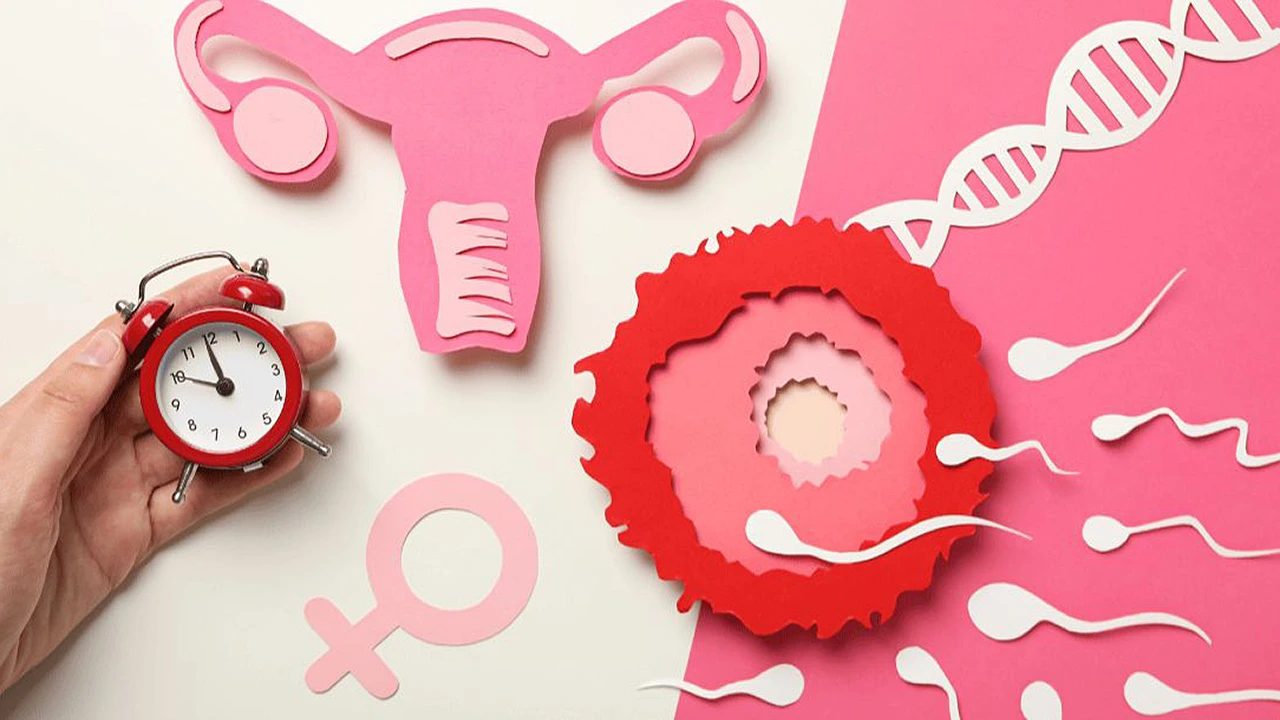
Donor eggs have long been seen as a way to reset the reproductive clock, but new research suggests uterine ageing also plays a role. This article explains what the latest evidence shows, how the ageing uterus may affect implantation and pregnancy, and how women in their late forties can prepare.

In vitro gametogenesis, the science of creating eggs and sperm from ordinary body cells, has moved from mouse studies towards human research. This article explains how the approaches work, what recent milestones really show, the obstacles that remain and why clinical use is still likely to be several years away.
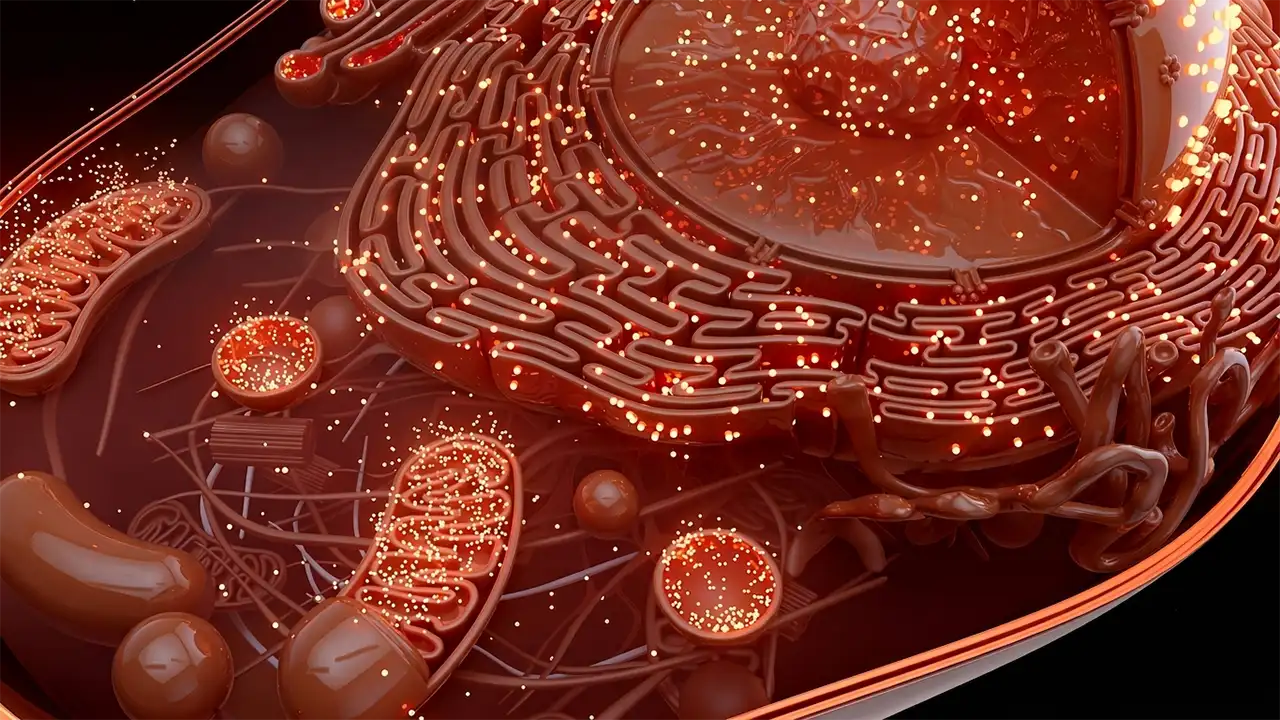
Mitochondrial donation, often called three-parent IVF, has now produced the first detailed clinical results, with healthy children born to mothers at high risk of passing on mitochondrial disease. This article explains how the technique works, who it is for, what the evidence shows and which scientific questions remain open

A new AI sperm recovery technique is changing the outlook for men with azoospermia. This article explains how the STAR method scans semen samples for rare hidden sperm, what its first reported pregnancy means, who may benefit, and the key questions couples should raise with their own fertility specialist.