Home
 ArticlesArticles
Compares Fresh and Frozen Embryo Transfer (FET) in assisted reproduction, focusing on timing, hormones, and success rates. It notes that while both can result in pregnancy, FET offers higher success due to better uterine conditions and flexibility.



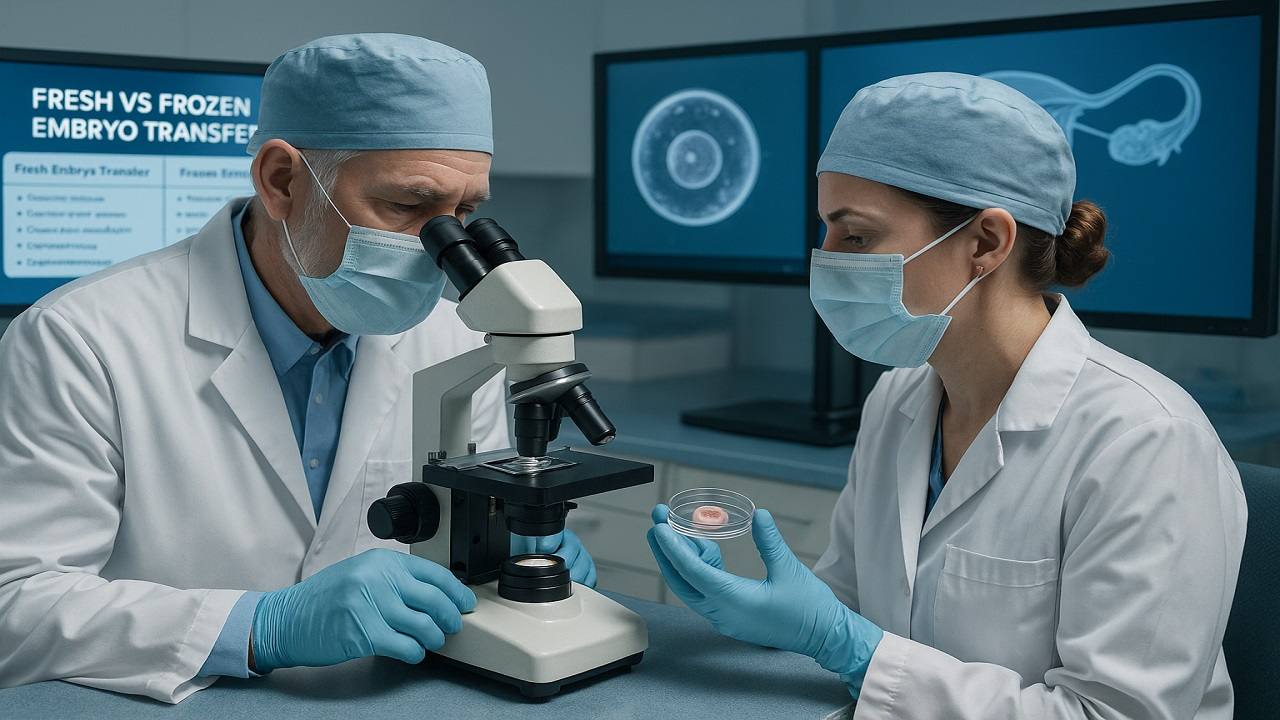
Fresh Embryo Transfer vs Frozen Embryo Transfer (FET) As one of the most important decisions in assisted reproductive technology (ART), the choice between a Fresh Embryo Transfer vs Frozen Embryo Transfer (FET) can be pivotal. Both procedures are intended to help couples who are having infertility issues, but they are done in different ways and at different times. Here’s a breakdown of how the two methods compare, including their processes, advantages, challenges, and results.


Both fresh and frozen embryo transfers achieve relatively high rates of success, although in the last few years, FET has become associated with marginally higher rates of successful pregnancy. This is mostly due to being able to better control and optimise the uterine environment, along with the embryos being transferred after the woman's body has had time to recover from the stimulation cycle.
Research demonstrates that instead FETs manage to reduce the rates of complications, including ovarian hyperstimulation syndrome (OHSS), which can occur with fresh transfers, particularly for women with high egg yields. FETs are also, in general, less stressful for the patient because they don’t have to endure the hormonal roller coaster of a fresh IVF cycle.
Each new cycle triggers a choice between fresh and frozen embryo transfers. While fresh embryo transfers offer the advantage of being performed immediately after egg retrieval, they still carry hormone risks and potential complications. Conversely, thawed embryo transfers create a controlled environment within the uterus, leading to higher implantation success, particularly with new cryopreservation technologies. Whether an FET or fresh transfer is eventually undertaken is very much dependent on the particular patient, her doctor’s advice, and the woman’s response to the IVF.
To summarise, both the fresh and frozen embryo transfers may lead to a successful pregnancy, however, the gradual process of frozen embryo transfers illustrates better rates of successful pregnancy, hence the increase in use of frozen embryo transfers amongst many couples.


Immunotherapy in restoring human fertility is emerging as a promising approach for addressing immune-related reproductive disorders. Recent clinical advances highlight its potential to improve implantation, pregnancy outcomes, and reproductive health, offering renewed hope for patients facing infertility linked to immune system dysfunction.
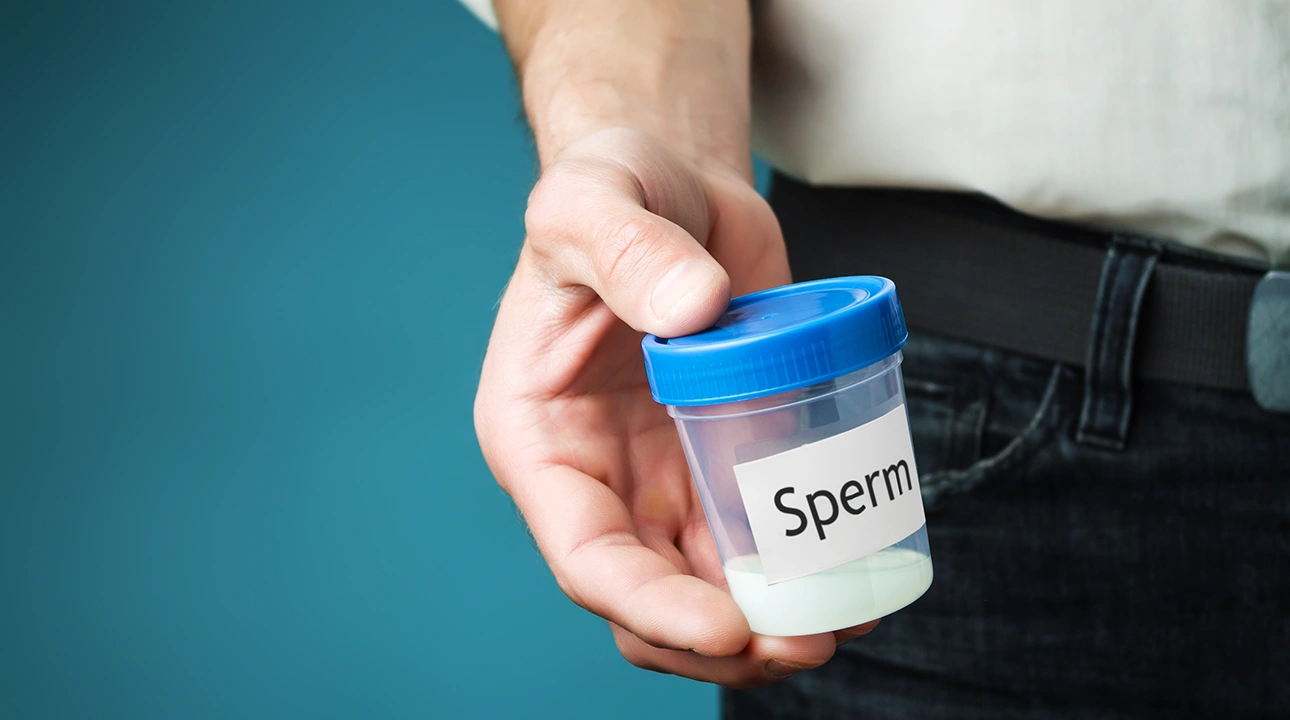
The smart fertility tracker market has transformed male fertility diagnostics, but how reliable are these devices? This report examines what at-home sperm tests actually measure, where they fall short compared to clinical analysis, and how men and couples can use them appropriately within a broader reproductive care pathway.
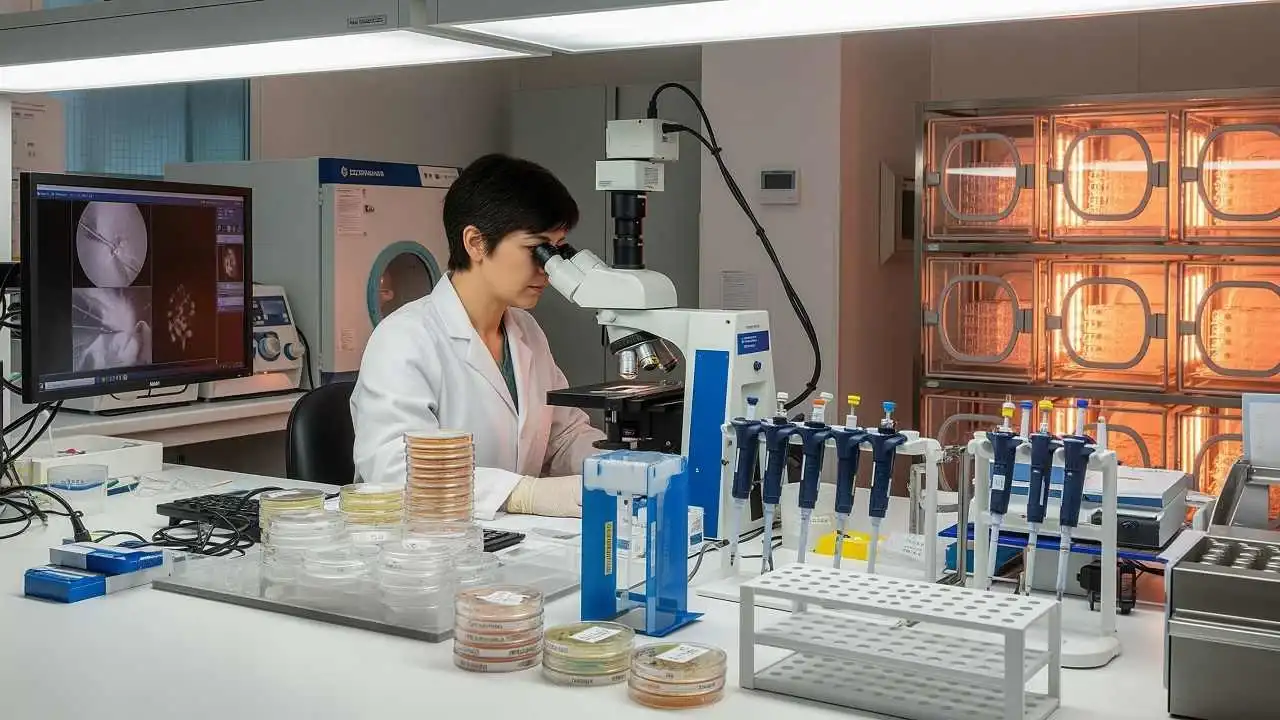
The distinct assisted reproductive technologies of Intrauterine Insemination (IUI), In Vitro Fertilization (IVF), and Intracytoplasmic Sperm Injection (ICSI). It outlines how each procedure works, the medical indications for their use, and their respective success rates. The importance of choosing the right treatment based on factors such as patient age, infertility diagnosis, and personal circumstances.
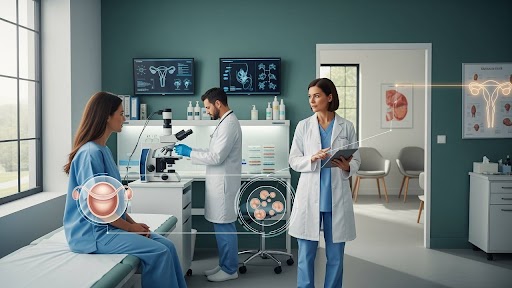
Assisted Reproductive Technology (ART), a groundbreaking medical field that provides solutions for individuals and couples facing fertility challenges. It defines ART, explains its core techniques such as In Vitro Fertilization (IVF) and Intracytoplasmic Sperm Injection (ICSI), and discusses clinical applications and success rates.

Common questions about pregnancy with polycystic ovary syndrome (PCOS) through IVF and IUI. It discusses PCOS-related infertility, success rates, treatment options, and the importance of personalised protocols. Emphasising holistic care and emotional support, it offers hope and insights for women navigating the challenges of PCOS.
The potential of stem cells to improve ovarian reserve and egg quality, focusing on their application in women with diminished fertility. It discusses how mesenchymal stem cells and other stem cell therapies can rejuvenate ovarian function by enhancing the ovarian environment, promoting tissue repair, and stimulating follicle growth. While the therapy shows promise, the article emphasizes the need for more extensive studies to understand its efficacy and safety.
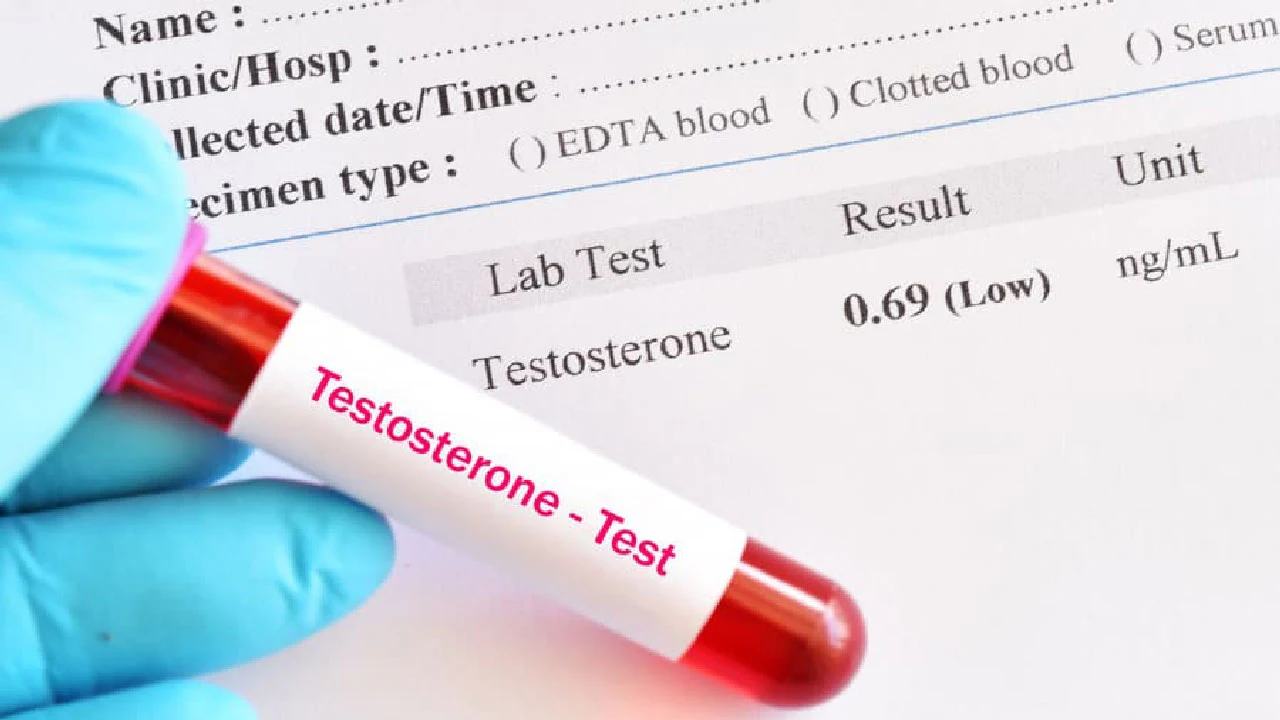
Clinical pearls for treating infertility and low testosterone in men, emphasizing reproductive goal assessment, empiric medical therapies, and comprehensive multidisciplinary management strategies.