Home
 ArticlesArticles
Poor Ovarian Response affects 15-20% of IVF patients, drastically reducing success rates. New research reveals how mitochondrial dysfunction and ferroptosis in granulosa cells drive this condition. Biomarkers PLA2G4B and PRKCG offer breakthrough diagnostic tools and targeted therapies like enzastaurin for improved fertility outcomes.



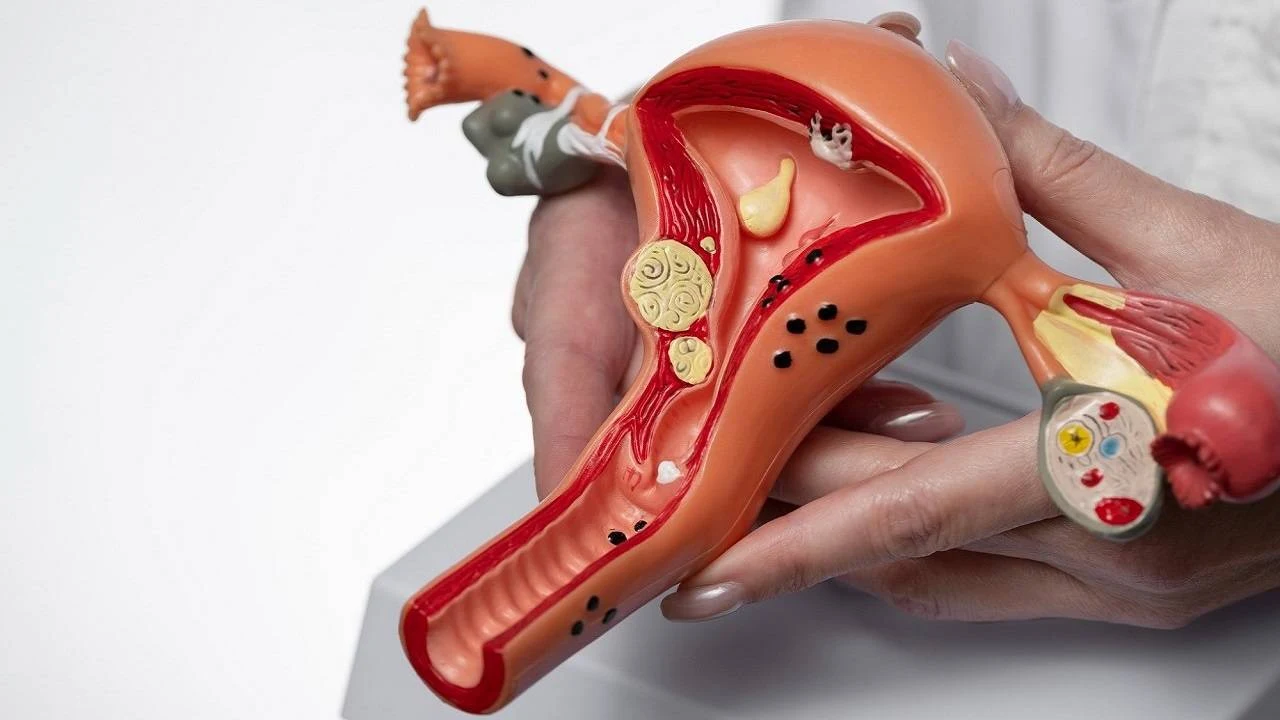
Poor Ovarian Response (POR) represents one of the most significant and pervasive challenges facing modern assisted reproductive technology (ART). For couples embarking on in vitro fertilization (IVF), a diagnosis of POR characterized by an inadequate ovarian response to standard gonadotropin (GN) stimulation can drastically reduce success rates. Approximately 15–20% of women undergoing IVF experience POR.
For decades, the specific underlying cause, or etiology, of POR has remained poorly understood. However, recent advancements in cellular biology and bioinformatics are illuminating the complex mechanisms governing ovarian health, pointing directly to how fundamental processes of cell energy and cell death influence fertility outcomes. New research focuses on the intricate interplay between mitochondrial metabolism (the core of cell energy) and ferroptosis (a specific form of cell death) in the granulosa cells (GCs) that nurture developing eggs. Understanding this molecular crosstalk is now offering novel pathways for diagnosis and targeted therapeutic strategies.

Poor Ovarian Response is generally defined by a suboptimal output of follicles during controlled ovarian stimulation. Clinically, women are often diagnosed according to specific criteria, such as the POSEIDON criteria, which might classify a woman younger than 35 years old as having POR if she develops fewer than four mature follicles (diameter < 15 mm) on the day of human chorionic gonadotropin (hCG) administration.
POR shares similarities with premature ovarian insufficiency (POI), suggesting a potentially common pathogenesis. While known causes of POI include genetic mutations, immune or metabolic disorders, and environmental toxins, nearly 90% of POI cases are classified as idiopathic, making the pathogenic relationship between POR and POI unclear. Given the lack of practical methods to prevent or effectively treat POR currently, exploring its underlying mechanisms is an urgent necessity
The health and function of the ovary are inextricably linked to the vitality of its cells, particularly the oocytes (eggs) and the surrounding granulosa cells (GCs). Two critical cellular processes are now recognized as central to maintaining this vitality: mitochondrial metabolism and ferroptosis.
Mitochondria are universally known as the powerhouses of the cell, primarily responsible for generating ATP through oxidative phosphorylation. Beyond energy production, they play crucial roles in programmed cell death and calcium homeostasis.
Ferroptosis is a distinct type of programmed cell death characterized by iron dependency and lipid peroxidation. Recent evidence suggests that ferroptosis closely impacts ovarian reserve, often through mechanisms involving oxidative stress and lipid peroxidation.
To pinpoint the molecular mechanisms linking cell energy and cell death to POR, recent high-throughput studies have analyzed the transcriptome sequencing data of ovarian granulosa cell samples from POR patients versus healthy controls. The aim was to explore the role of ferroptosis-related genes (FRGs) and mitochondrial metabolism-related genes (MMRGs).
Through sophisticated bioinformatics techniques, including differential expression analysis, consensus clustering, machine learning algorithms such as LASSO (Least Absolute Shrinkage and Selection Operator), and SVM-RFE (Support Vector Machine Recursive Feature Elimination), researchers honed in on key candidate genes.
While these findings are significant, several limitations must be addressed to translate this research into clinical reality.
In summary, by drawing a clear link between compromised cell energy (mitochondrial dysfunction) and programmed cell death (ferroptosis) in ovarian granulosa cells, researchers have provided the first comprehensive report studying these processes in POR. The identification of PLA2G4B and PRKCG as reliable biomarkers offers not only novel diagnostic tools but also promising targets for pharmacological interventions, such as enzastaurin and dirithromycin, signaling a new era in the prevention and treatment of this challenging fertility condition.


Immunotherapy in restoring human fertility is emerging as a promising approach for addressing immune-related reproductive disorders. Recent clinical advances highlight its potential to improve implantation, pregnancy outcomes, and reproductive health, offering renewed hope for patients facing infertility linked to immune system dysfunction.

The smart fertility tracker market has transformed male fertility diagnostics, but how reliable are these devices? This report examines what at-home sperm tests actually measure, where they fall short compared to clinical analysis, and how men and couples can use them appropriately within a broader reproductive care pathway.
The distinct assisted reproductive technologies of Intrauterine Insemination (IUI), In Vitro Fertilization (IVF), and Intracytoplasmic Sperm Injection (ICSI). It outlines how each procedure works, the medical indications for their use, and their respective success rates. The importance of choosing the right treatment based on factors such as patient age, infertility diagnosis, and personal circumstances.

Assisted Reproductive Technology (ART), a groundbreaking medical field that provides solutions for individuals and couples facing fertility challenges. It defines ART, explains its core techniques such as In Vitro Fertilization (IVF) and Intracytoplasmic Sperm Injection (ICSI), and discusses clinical applications and success rates.

Common questions about pregnancy with polycystic ovary syndrome (PCOS) through IVF and IUI. It discusses PCOS-related infertility, success rates, treatment options, and the importance of personalised protocols. Emphasising holistic care and emotional support, it offers hope and insights for women navigating the challenges of PCOS.
The potential of stem cells to improve ovarian reserve and egg quality, focusing on their application in women with diminished fertility. It discusses how mesenchymal stem cells and other stem cell therapies can rejuvenate ovarian function by enhancing the ovarian environment, promoting tissue repair, and stimulating follicle growth. While the therapy shows promise, the article emphasizes the need for more extensive studies to understand its efficacy and safety.
Clinical pearls for treating infertility and low testosterone in men, emphasizing reproductive goal assessment, empiric medical therapies, and comprehensive multidisciplinary management strategies.