Home
 ArticlesArticles
Ovarian reserve testing assesses how many eggs remain in your ovaries and your fertility potential. Learn about AMH, FSH, and antral follicle count tests, what results mean, and how this information guides fertility decisions and treatment planning.




Ovarian reserve testing is a fundamental part of fertility evaluation that helps you and your doctor understand your reproductive health. These tests measure how many eggs remain in your ovaries and assess the quality of your egg supply, which directly impacts your ability to conceive naturally or through fertility treatments like IVF. Whether you're planning your family or concerned about your fertility timeline, understanding ovarian reserve testing empowers you to make informed decisions about your reproductive future.
Ovarian reserve refers to the total number of eggs (oocytes) remaining in your ovaries at any given time. Unlike men, who produce new sperm throughout their lives, women are born with a fixed number of eggs approximately 1–2 million at birth. This number naturally declines with age, and by the time you reach your reproductive years, you have roughly 300,000–400,000 eggs. As you age, this number continues to decrease, and equally important, the quality of your remaining eggs may decline.
Understanding your ovarian reserve helps fertility specialists and gynecologists determine whether you have sufficient eggs for natural conception, plan the timing of family-building, or decide if fertility preservation options like egg freezing are right for you. For those pursuing assisted reproductive technology (ART) procedures, ovarian reserve testing guides medication dosing and helps predict how your ovaries will respond to stimulation.

Ovarian reserve testing involves three primary assessments, each providing unique insights into your fertility. Here's what to expect during the process:
The Anti-Müllerian Hormone (AMH) test is a simple blood test that measures the level of AMH protein produced by cells surrounding your developing eggs. This is one of the most reliable markers of ovarian reserve.
Follicle-Stimulating Hormone (FSH) is a hormone your pituitary gland produces to signal your ovaries to develop and release eggs. Testing FSH early in your cycle reveals important information about your ovarian reserve.
The antral follicle count uses ultrasound imaging to visualize and count the small follicles in your ovaries that contain developing eggs. This test provides a direct visual assessment of your egg supply.
Interpreting your results requires considering all three tests together, along with your age and medical history. Results from ovarian reserve testing don't predict whether you'll get pregnant naturally they predict how your ovaries will respond to fertility medications and stimulation.
AMH levels vary significantly by age. In general:
An AMH level of 1.0–3.5 ng/mL is considered optimal for fertility treatment response. Values below 0.5 ng/mL suggest significantly diminished ovarian reserve, while values above 4.0 ng/mL in younger women may indicate a higher response to ovarian stimulation medications.

It's important to note that a normal FSH level doesn't completely rule out diminished ovarian reserve. If your FSH is normal but your estradiol (E2) level is elevated (above 60–80 pg/mL), your estradiol may be artificially "suppressing" your FSH, masking a reduced reserve.
AFC results are interpreted by counting follicles in both ovaries:
A diagnosis of diminished ovarian reserve (DOR) means you have fewer eggs than expected for your age. While this finding may feel concerning, it's important to understand what it does and doesn't mean.
What diminished ovarian reserve does NOT mean:
What diminished ovarian reserve means:
Even with very low AMH levels or significantly reduced antral follicle counts, pregnancy is possible. Your fertility specialist can discuss personalized treatment options tailored to your specific situation.
Ovarian reserve testing is recommended if:
Ovarian reserve testing provides essential information to guide your fertility decisions. AMH blood testing, Day 3 FSH measurement, and antral follicle count ultrasound together give your doctor a comprehensive picture of your egg supply and how your ovaries might respond to fertility treatment. While these tests cannot predict whether you'll become pregnant naturally or through treatment, they help your healthcare team personalize your care and set realistic expectations.
Remember that ovarian reserve testing is just one part of your complete fertility evaluation. Your age, medical history, partner's fertility status (if applicable), and overall health all factor into your fertility potential. If you receive results indicating diminished ovarian reserve, schedule a detailed consultation with a fertility specialist to discuss your options and create a plan that aligns with your family-building goals.
DISCLAIMER: This content is for educational purposes only and not a substitute for professional medical advice, diagnosis, or treatment. Ovarian reserve results vary by individual, age, medical history, and lab standards. Always consult a qualified fertility specialist or gynecologist for accurate evaluation and guidance.



Immunotherapy in restoring human fertility is emerging as a promising approach for addressing immune-related reproductive disorders. Recent clinical advances highlight its potential to improve implantation, pregnancy outcomes, and reproductive health, offering renewed hope for patients facing infertility linked to immune system dysfunction.

The smart fertility tracker market has transformed male fertility diagnostics, but how reliable are these devices? This report examines what at-home sperm tests actually measure, where they fall short compared to clinical analysis, and how men and couples can use them appropriately within a broader reproductive care pathway.
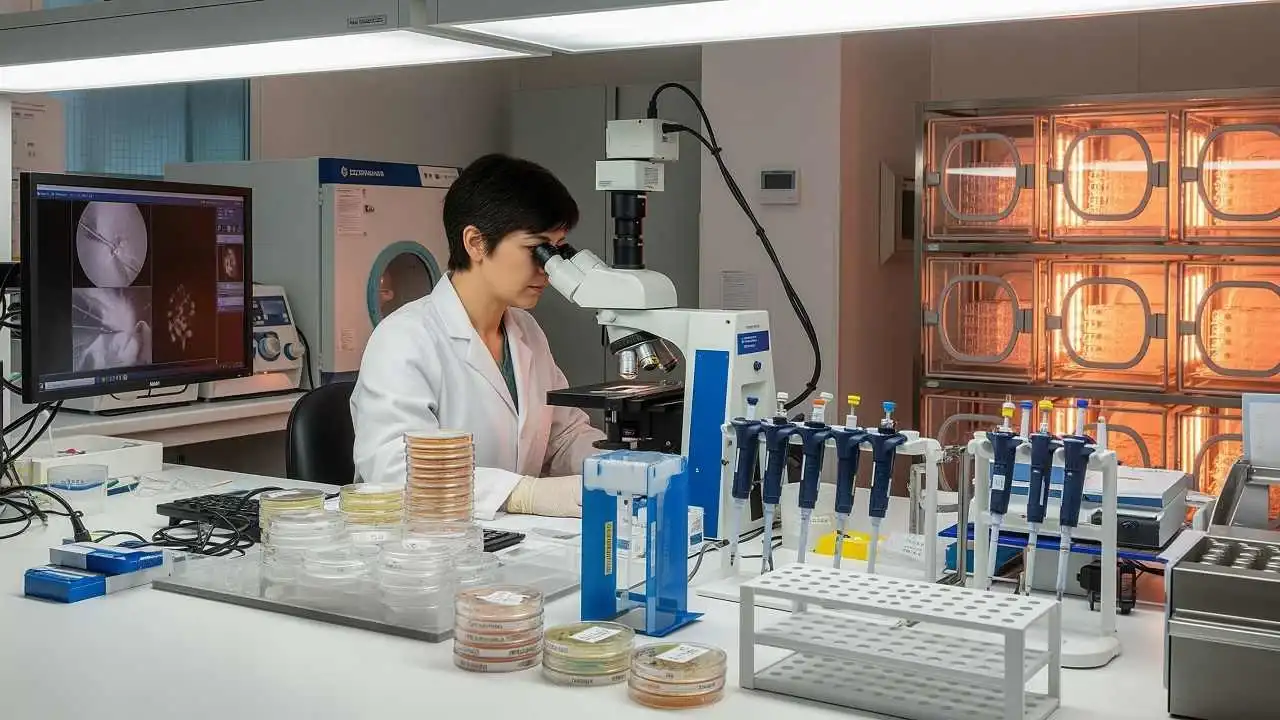
The distinct assisted reproductive technologies of Intrauterine Insemination (IUI), In Vitro Fertilization (IVF), and Intracytoplasmic Sperm Injection (ICSI). It outlines how each procedure works, the medical indications for their use, and their respective success rates. The importance of choosing the right treatment based on factors such as patient age, infertility diagnosis, and personal circumstances.
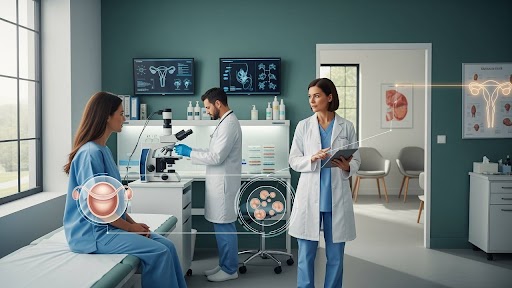
Assisted Reproductive Technology (ART), a groundbreaking medical field that provides solutions for individuals and couples facing fertility challenges. It defines ART, explains its core techniques such as In Vitro Fertilization (IVF) and Intracytoplasmic Sperm Injection (ICSI), and discusses clinical applications and success rates.

Common questions about pregnancy with polycystic ovary syndrome (PCOS) through IVF and IUI. It discusses PCOS-related infertility, success rates, treatment options, and the importance of personalised protocols. Emphasising holistic care and emotional support, it offers hope and insights for women navigating the challenges of PCOS.

The potential of stem cells to improve ovarian reserve and egg quality, focusing on their application in women with diminished fertility. It discusses how mesenchymal stem cells and other stem cell therapies can rejuvenate ovarian function by enhancing the ovarian environment, promoting tissue repair, and stimulating follicle growth. While the therapy shows promise, the article emphasizes the need for more extensive studies to understand its efficacy and safety.
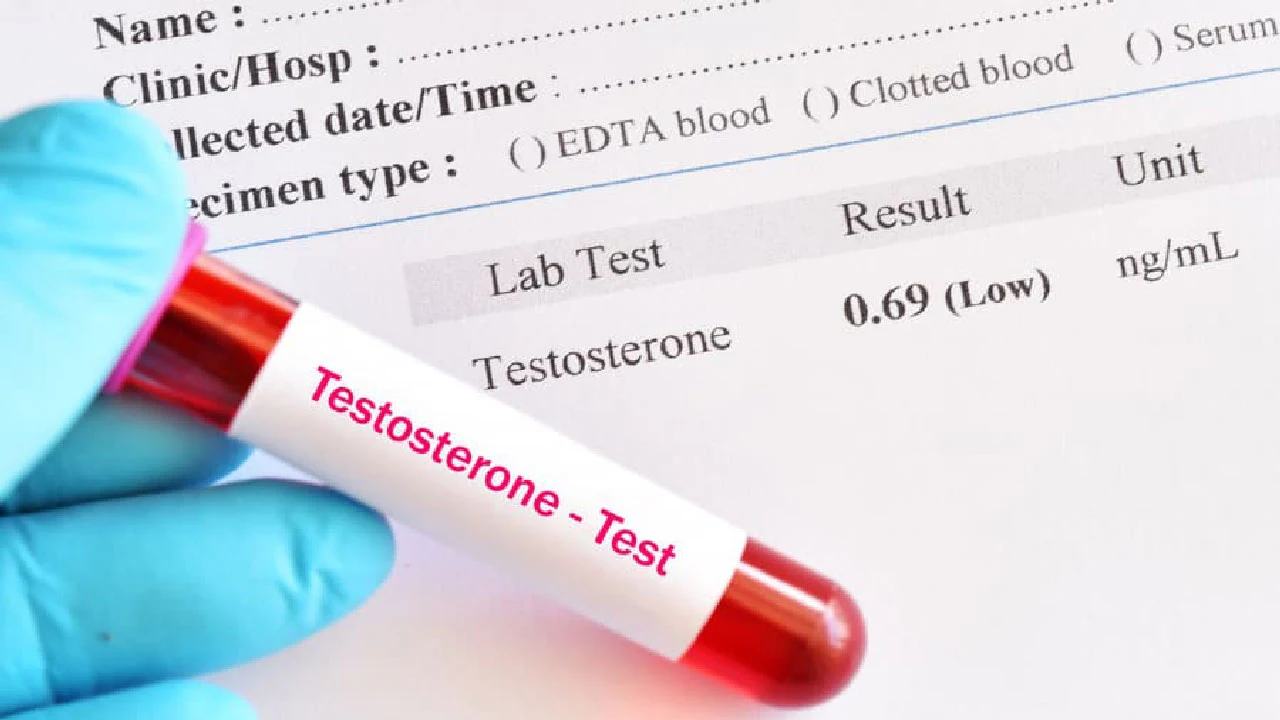
Clinical pearls for treating infertility and low testosterone in men, emphasizing reproductive goal assessment, empiric medical therapies, and comprehensive multidisciplinary management strategies.