Home

arrow iconArticlesarrow iconarrow icon

Understanding Endometriosis and Infertility in Women

Understanding Endometriosis and Infertility in Women

Endometriosis affects 25-50% of infertile women, reducing monthly conception chances from 15-20% to 2-10%. This comprehensive guide explores how endometriosis causes infertility through physical barriers, inflammation, and implantation issues, while detailing effective treatment options including surgery, IUI, and IVF for successful conception.

By FertilityIn

09 Dec 2025

8 min read

Endometriosis is a health condition that affects many women

Endometriosis is a health condition that affects many women

Understanding Endometriosis and Infertility: A Patient’s Guide

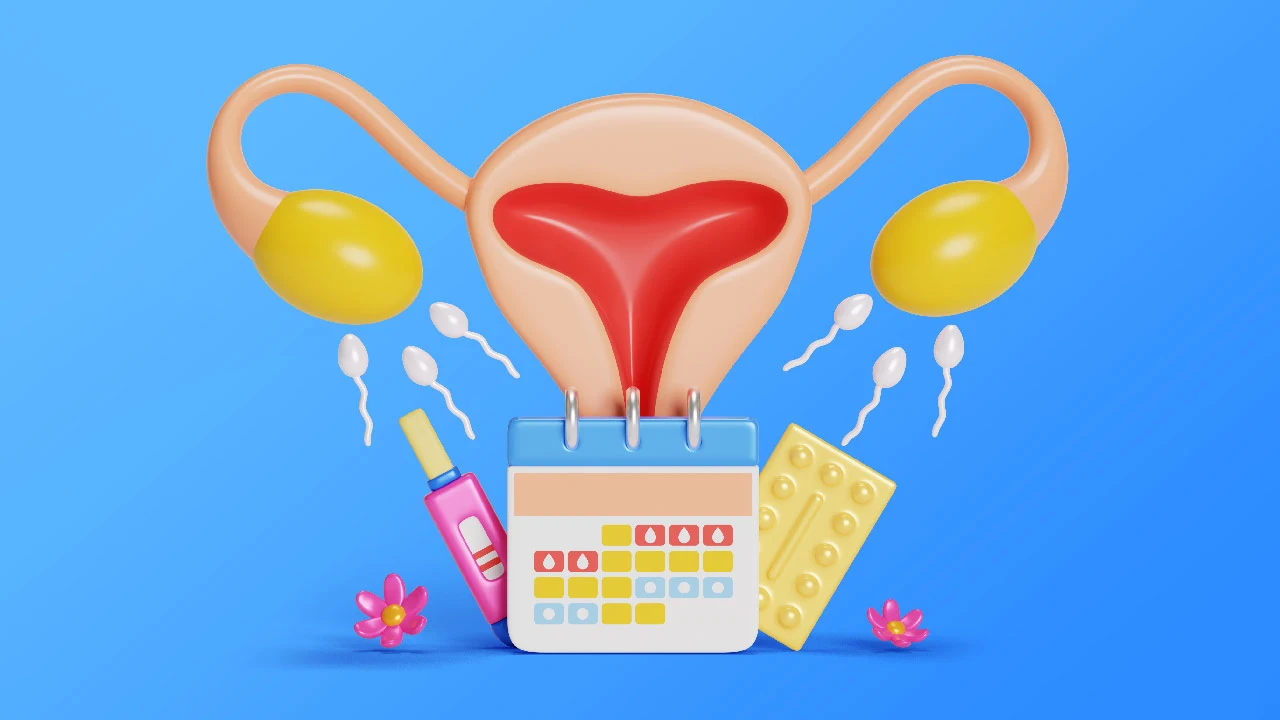
Endometriosis is a common, long-term health condition that affects many women. It occurs when tissue similar to the lining of the uterus grows outside the uterus, often causing problems like pelvic pain, masses near the ovaries, or difficulty getting pregnant.


For women hoping to start or grow their family, dealing with Endometriosis and Infertility presents many complex questions. While the exact reasons why endometriosis causes infertility are still debated, the strong association between the two is clear, making focused treatment essential for those trying to conceive.


How Common Is Infertility in Women with Endometriosis?

If you have been diagnosed with endometriosis and are struggling to get pregnant, you are not alone. The condition is highly prevalent within the infertile population:

  • In Women Facing Infertility: Classical studies indicate that between 25% and 50% of women struggling with infertility have endometriosis.
  • In Women with Endometriosis: Conversely, about 30% to 50% of women diagnosed with the disease will experience infertility.
  • In Comparison to Fertile Women: Infertile women are 6 to 8 times more likely to have endometriosis than women who conceive easily.

For couples who do not have endometriosis, the monthly chance of getting pregnant (fecundity rate) is typically between 15% and 20%. For women with untreated endometriosis, this monthly chance drops significantly, ranging from approximately 2% to 10%.


The Complex Link: How Endometriosis Might Prevent Pregnancy

Scientists have not yet found a single, definitive explanation for why endometriosis makes it harder to conceive, but they have identified several ways the disease might interfere with the natural reproductive process.


Potential Roadblocks to Conception

  • Physical Roadblocks and Adhesions: Endometriosis can lead to major scarring and sticky tissues, known as adhesions, in the pelvis. These adhesions can twist or distort the shape of the reproductive organs. This physical distortion may prevent the egg from being released properly from the ovary or stop the fallopian tube from being able to capture and move the egg toward the uterus.
  • Changes in the Internal Environment: Women with endometriosis often have higher levels of fluid and certain cells (like inflammatory cytokines) in the pelvic area. This inflammation may negatively impact the function of the sperm, the egg, the developing embryo, or the fallopian tube itself.
  • Issues with the Uterine Lining (Implantation): The disease may affect the health and readiness of the uterine lining, making it less receptive to a newly formed embryo. Problems with the lining may hinder the embryo from successfully attaching (implanting).
  • Egg and Embryo Health: Evidence suggests that endometriosis might lead to reduced quality in the eggs produced or cause the resulting embryos to develop more slowly than normal.


Finding Out: Diagnosis and Staging

For a definitive diagnosis of endometriosis, a surgical procedure, typically laparoscopy (often referred to as keyhole surgery), is usually necessary. If the disease patches are not clearly visible during surgery, a tissue sample must be examined under a microscope.


Indicators of Endometriosis

While surgery confirms the diagnosis, certain signs and symptoms may strongly suggest the presence of endometriosis:


  • Chronic or recurring pelvic pain.
  • Dysmenorrhea (very painful periods).
  • Dyspareunia (pain during or after sexual intercourse).
  • Finding a fixed, tilted uterus or masses on the ovaries.
  • An ultrasound is useful for seeing large ovarian cysts caused by endometriosis (endometriomas), but it cannot reliably show smaller patches of disease spread throughout the pelvis.


Understanding Staging

Endometriosis severity can range from small, single patches to extensive scarring and large cysts. Doctors use a staging system (the ASRM classification) to describe the extent of the disease (often categorized as Stage I/II for minimal/mild and Stage III/IV for moderate/severe).


It is important to know that the stage of the disease does not reliably predict your chance of becoming pregnant after treatment. This staging system is mainly used to help doctors communicate the physical extent of the disease.


Effective Treatment Pathways for Endometriosis and Infertility

The path chosen to treat Endometriosis and Infertility depends heavily on your age, how long you have been trying to conceive, whether you also experience pelvic pain, and how advanced the disease is.

  • Medical Treatments: Helpful for Pain, Not for Pregnancy

Medications commonly used to manage endometriosis pain, such as progestins, combined hormonal pills, or specific hormone blockers are not effective for improving fertility.

  • No Improvement in Conception: Studies show that hormonal treatments do not increase the chances of pregnancy compared to no treatment.
  • Delaying Conception: Because all current medical treatments work by inhibiting ovulation, they actively prevent pregnancy while you are using them and may delay the start of treatments that actually help you conceive.


Conservative Surgical Treatment

The goal of conservative surgery (laparoscopy or, less commonly, laparotomy) is to remove the visible disease patches and free up any sticky adhesions that might be blocking the reproductive organs.

  • Minimal or Mild Disease (Stage I/II): Removing or destroying these small patches of endometriosis surgically has been shown to offer a small but statistically meaningful improvement in live birth rates. For every 12 patients with mild disease who undergo surgery to remove the lesions, one additional successful pregnancy is gained compared to women who are not treated surgically.
  • Moderate or Severe Disease (Stage III/IV): Surgery is recommended to remove extensive adhesions that interfere with the function of the reproductive organs.
  • Endometrioma Cysts: For endometriosis cysts on the ovaries larger than 4 cm, surgically removing the cyst improves fertility outcomes compared to simply draining the cyst. However, repeated or extensive surgery on the ovaries carries a risk of damaging healthy ovarian tissue.


Boosting Chances: Superovulation and IUI (SO/IUI)

Superovulation (SO) combined with Intrauterine Insemination (IUI) is a treatment where medications are used to help the ovaries produce multiple eggs, and then prepared sperm is placed directly into the uterus at the right time.

  • First-Line Option: For younger women (under age 35) with minimal or mild endometriosis who have undergone surgery, SO/IUI can be a viable first step.
  • Success Rates: In studies of women with mild endometriosis, using this method resulted in a significantly higher pregnancy rate per cycle (up to 15%) compared to simply waiting (expectant management).


Advanced Help: Assisted Reproductive Technology (ART/IVF)

How Does Assisted Reproductive Technology Help?

Assisted Reproductive Technology (ART), most commonly In Vitro Fertilization and Embryo Transfer (IVF-ET), plays a crucial role in treating severe Endometriosis and Infertility.


IVF is highly effective because it bypasses many of the physical barriers and internal environment issues caused by the disease, such as blocked or damaged fallopian tubes and poor egg capture. By maximizing the monthly chance of conception, IVF becomes an effective alternative, particularly for women whose severe disease has caused major anatomical distortion or for those who have failed to conceive after conservative surgery.


ART Considerations and Success

  • Best for Advanced Disease: IVF is strongly recommended for women with moderate or severe disease (Stage III/IV) if initial surgery fails or if they are approaching advanced reproductive age.
  • IVF Success: While some studies suggest pregnancy rates might be slightly lower for women with endometriosis compared to those undergoing IVF for other reasons (like blocked tubes), IVF still maximizes their individual cycle fecundity.
  • Pre-IVF Surgery: Generally, there is not enough evidence to recommend removing an asymptomatic endometrioma (ovarian cyst) before IVF, as surgery carries risks and may not improve success rates. However, surgery may be considered if the cyst is large (greater than 4 cm) to improve access to the eggs during the retrieval procedure.
  • Pre-treatment with Hormones: Taking certain hormone blockers (GnRH agonists) for three to six months before starting an IVF cycle may increase the odds of a clinical pregnancy for women with endometriosis.


Navigating Treatment Decisions Based on Age and Severity

Clinical decisions must be tailored based on individual circumstances, but general guidelines apply:

  • Younger Women (Under 35) with Minimal/Mild Disease: You may choose to wait (expectant management) or proceed directly to SO/IUI. If laparoscopy is performed, the removal of visible disease patches should be considered.
  • Older Women (35 and Above): Because fertility naturally decreases significantly after age 35, a faster, more aggressive approach such as SO/IUI or IVF is usually recommended.
  • Moderate/Severe Disease (Stage III/IV): The primary recommended treatments are conservative surgery or IVF. If surgery does not lead to pregnancy, IVF is an effective alternative.


Pregnancy Outcomes After Endometriosis

For women who successfully become pregnant, whether naturally or through ART, it is important to be aware of certain risks during pregnancy compared to women without the disease:

  • Increased risk of pre-eclampsia.
  • Higher risk of preterm birth.
  • Increased risk of bleeding before delivery and placental complications.
  • Higher rate of requiring a Cesarean section.

It is not yet known whether these complications are directly caused by the endometriosis itself or if they are related to the underlying infertility or the advanced treatments (like ART) used to achieve the pregnancy. Discussing these potential risks with your healthcare provider is important once you conceive.


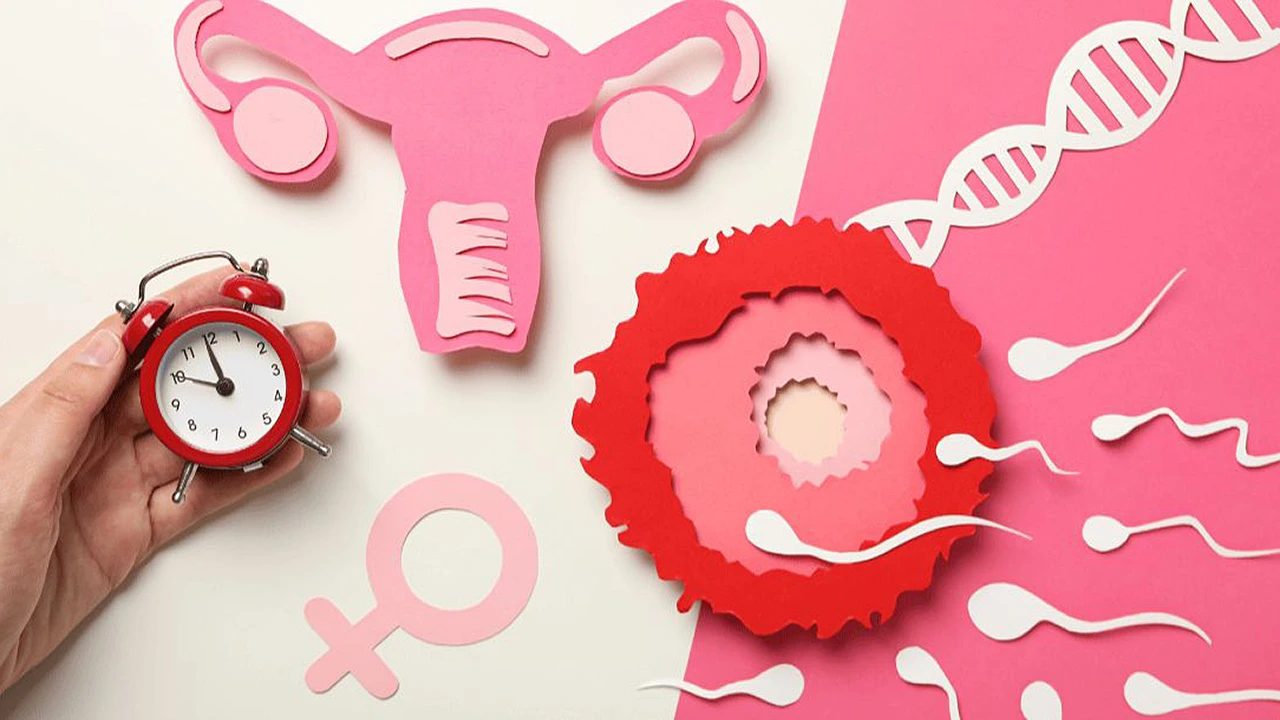
Navigating the journey through infertility combined with a chronic condition like endometriosis can feel overwhelming. Think of the uterus and surrounding organs as a sophisticated clock mechanism. When endometriosis introduces inflammation or scarring, it's like tiny grains of sand slowing or jamming the delicate gears. Treatments, whether surgical removal of the physical barriers or using ART to bypass the natural environment, are designed to clear the blockages or provide a more direct, clear path for the reproductive process to succeed.


51 views

Share

FertilityIn

Send Enquiry for this Story

Related Articles

Understanding Differences Between IUI, IVF & ICSI in ART

Understanding Differences Between IUI, IVF & ICSI in ART

The distinct assisted reproductive technologies of Intrauterine Insemination (IUI), In Vitro Fertilization (IVF), and Intracytoplasmic Sperm Injection (ICSI). It outlines how each procedure works, the medical indications for their use, and their respective success rates. The importance of choosing the right treatment based on factors such as patient age, infertility diagnosis, and personal circumstances.

ART

1 min read

Understanding Ovarian Reserve Testing For Women

Understanding Ovarian Reserve Testing For Women

Ovarian reserve testing assesses how many eggs remain in your ovaries and your fertility potential. Learn about AMH, FSH, and antral follicle count tests, what results mean, and how this information guides fertility decisions and treatment planning.

ART

1 min read

How Doctors Diagnose Infertility in Females

How Doctors Diagnose Infertility in Females

Female infertility diagnosis requires a structured, multi-step medical approach. Doctors combine history, physical exams, hormone testing, ovulation assessment, ultrasound, tube evaluation, and advanced testing to uncover the root causes of difficulty conceiving. This framework provides clarity, guides treatment choices, and supports more accurate, personalized fertility care.

ART

1 min read

Protein Defect Identified as a Driver of Sperm Tail Abnormalities in Male Infertility

Protein Defect Identified as a Driver of Sperm Tail Abnormalities in Male Infertility

Researchers led by Hiroki Shibuya at RIKEN have uncovered how disruptions in the centrin–POC5 protein complex deform the sperm tail, offering new insight into male infertility. Using ultrastructure expansion microscopy, the team mapped sperm development in detail and showed that loss of POC5 prevents proper flagellum formation, leaving sperm nonviable.

ART

1 min read

Record Birth From A 30-Year-Old Embryo from 1994 to A Newborn Baby in 2025, Highlights Advances Transforming Fertility Care

Record Birth From A 30-Year-Old Embryo from 1994 to A Newborn Baby in 2025, Highlights Advances Transforming Fertility Care

A baby born from a 30-year-old frozen embryo marks the world’s oldest known embryo-to-birth case, demonstrating how far IVF and long-term cryopreservation have progressed. Donated through an embryo adoption program, the decades-old embryo led to a successful birth, raising new questions about viability limits and fertility preservation.

ART

1 min read

Laboratory Technicians and Embryologists: Their Role in IVF Success

Laboratory Technicians and Embryologists: Their Role in IVF Success

Laboratory technicians and embryologists are crucial to In Vitro Fertilization (IVF) and Intracytoplasmic Sperm Injection (ICSI) success, managing embryo development, cryopreservation, and genetic testing. Their expertise ensures that every aspect of the process is performed with precision and care, highlighting the vital role of laboratory technicians and embryologists in fertility treatments.

ART

1 min read

How to Stay Connected with Your Partner During ART

How to Stay Connected with Your Partner During ART

Staying connected during Assisted Reproductive Technology (ART) is crucial for couples to navigate the emotional and physical challenges of fertility treatments. By prioritizing communication, shared rituals, and emotional support, couples can strengthen their bond while staying connected during Assisted Reproductive Technology (ART) and focusing on their goals together.

ART

1 min read

Landing Page Image

Subscribe to our Newsletter

Stay updated with the latest news, expert insights, and exclusive offers delivered straight to your inbox. Join our community today!

Email Address