Home
 ArticlesArticles
The distinct assisted reproductive technologies of Intrauterine Insemination (IUI), In Vitro Fertilization (IVF), and Intracytoplasmic Sperm Injection (ICSI). It outlines how each procedure works, the medical indications for their use, and their respective success rates. The importance of choosing the right treatment based on factors such as patient age, infertility diagnosis, and personal circumstances.



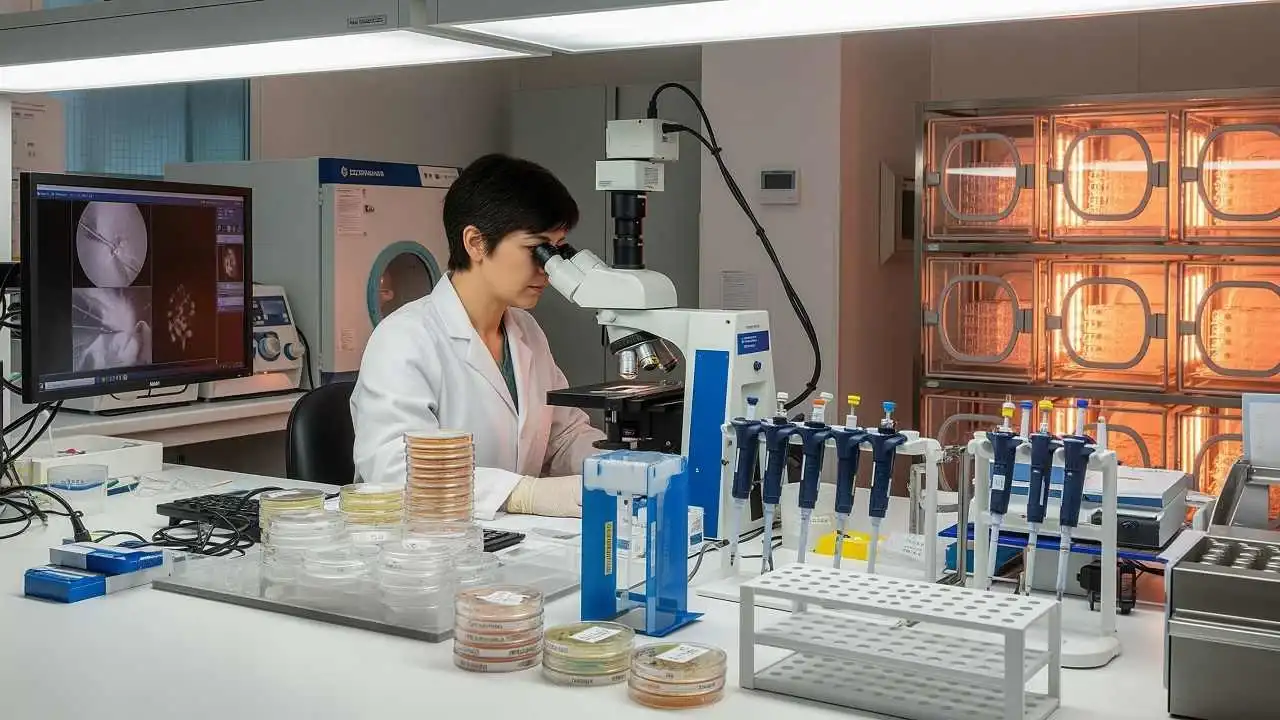
Assisted reproductive technologies (ARTs) have transformed the landscape of fertility treatment, offering tailored solutions to couples and individuals facing challenges in conceiving naturally. Among these technologies, Intrauterine Insemination (IUI), In Vitro Fertilization (IVF), and Intracytoplasmic Sperm Injection (ICSI) stand out as common yet distinct options. Understanding their differences is essential for patients, clinicians, and content specialists seeking clarity on these complex, life-changing procedures.

The principal distinction among IUI, IVF, and ICSI lies in the treatment process and the biological site of fertilization.
IUI (Intrauterine Insemination) is the simplest and least invasive fertility treatment. It involves collecting sperm, washing it to select the healthiest ones, and placing them directly into the uterus during ovulation. This helps the sperm reach the egg more easily, while fertilization still happens naturally inside the body.
IVF (In Vitro Fertilization) is one of the major assisted reproductive technologies (ART), it involves medical procedures where eggs and sperm are brought together with advanced laboratory techniques to create embryos outside the body to help people struggling with infertility. You get higher fertilization control compared to simpler methods like IUI.
ICSI (Intracytoplasmic Sperm Injection) is a specialized type of IVF mainly used for severe male infertility. Instead of letting sperm and egg meet on their own, a single healthy sperm is injected directly into the egg. This improves fertilization chances when sperm count or movement is very low, or when previous IVF cycles have not worked.
Choice among the three ART methods depends largely on the underlying infertility diagnosis.
A core difference lies in where and how fertilization takes place:
Success rates are a critical factor when deciding on treatment options, but these depend heavily on patient age, diagnosis, and clinic expertise. On average, IVF and ICSI show higher pregnancy success rates than IUI. For women under 35, IVF and ICSI typically achieve success rates above 50%, versus roughly 13% for IUI. Success rates decline with age but remain comparatively better with IVF and ICSI. These rates reflect successful pregnancies per treatment cycle and may vary based on individual factors.

IUI stands out as the least invasive and most economical treatment, often requiring minimal hormonal stimulation and fewer clinic visits. It is also less physically and emotionally demanding, which can appeal to patients seeking to avoid more complex interventions initially.
IVF demands extensive ovarian stimulation with hormone injections, egg retrieval under sedation, laboratory fertilization, and embryo transfer. The treatment involves multiple monitoring visits and higher financial investment. Though demanding, IVF increases control over fertilization and implantation, boosting chances of pregnancy in more challenging cases.
ICSI, as an adjunct procedure within IVF cycles, involves extra laboratory precision but does not significantly increase the overall invasiveness for patients beyond typical IVF protocols. It adds specialized handling for sperm injection to overcome severe male infertility.
There are many clinical and personal factors to think about when deciding which ART method to use. Physicians typically evaluate fertility factors for both partners through detailed testing and medical history review.
For couples with mild issues and no major barriers, IUI can be a sensible first line of treatment due to its simplicity and cost profile. When tubal blockage, endometriosis, or severe male infertility are present, IVF or IVF combined with ICSI offer more definitive solutions.
Patient age, ovarian reserve, and prior fertility treatment history also influence the decision-making process, with IVF or ICSI favored in older patients or those with a history of failed IUI cycles.

The differences between IUI, IVF, and ICSI demonstrate the need for personalized fertility treatment strategies. While IUI relies on enhancing natural fertilization inside the body, IVF and ICSI employ advanced laboratory techniques to maximize fertilization and embryo viability outside the body. Choosing the best approach requires careful consideration of medical indications, success probabilities, treatment complexity, and patient preferences.
By understanding these distinctions comprehensively, patients can engage in informed discussions with fertility specialists and make empowered decisions in their journey toward parenthood.


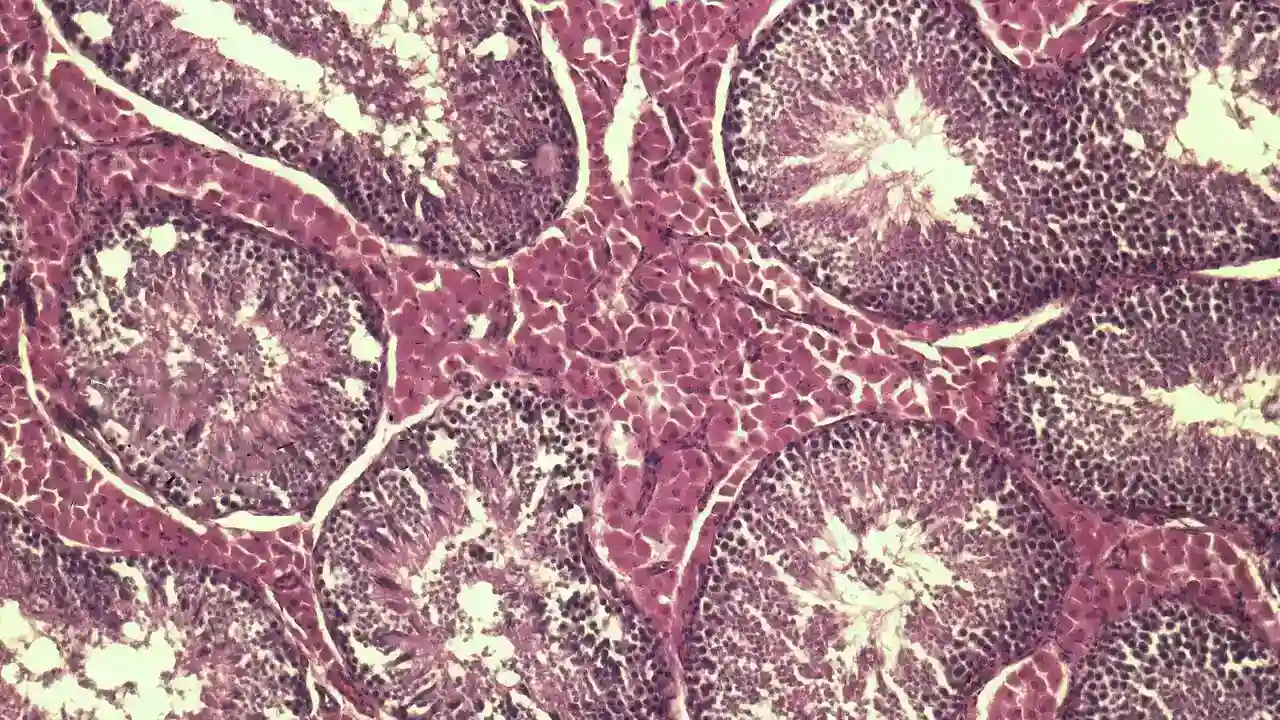
Boys treated for cancer before puberty cannot bank sperm, but freezing testicular tissue containing spermatogonial stem cells may one day restore their fertility. This article explains how the first transplants in adult survivors work, what the early research shows, the risks involved and why families should know about this option.
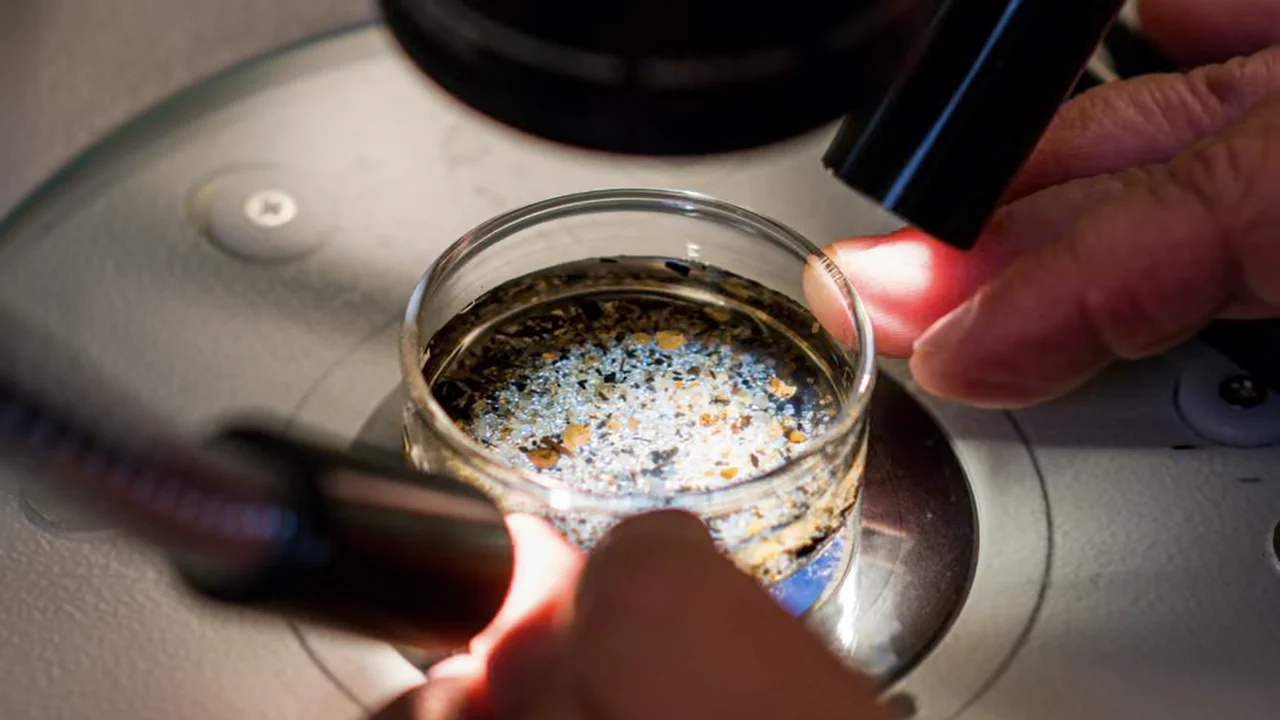
Microplastics have now been found in human follicular fluid and seminal fluid. This article explores the fast-growing body of research on microplastics and fertility, what scientists know and do not yet know about their effects on eggs and sperm, and practical, evidence-based ways that couples can reduce their everyday exposure.

Fertility conversations often focus on women, yet new research on sperm epigenetics shows a father's environment matters too. This article explains how air pollution may alter chemical marks on sperm DNA, why those changes could matter for fertility and pregnancy, and the practical steps men can reasonably consider before conception.
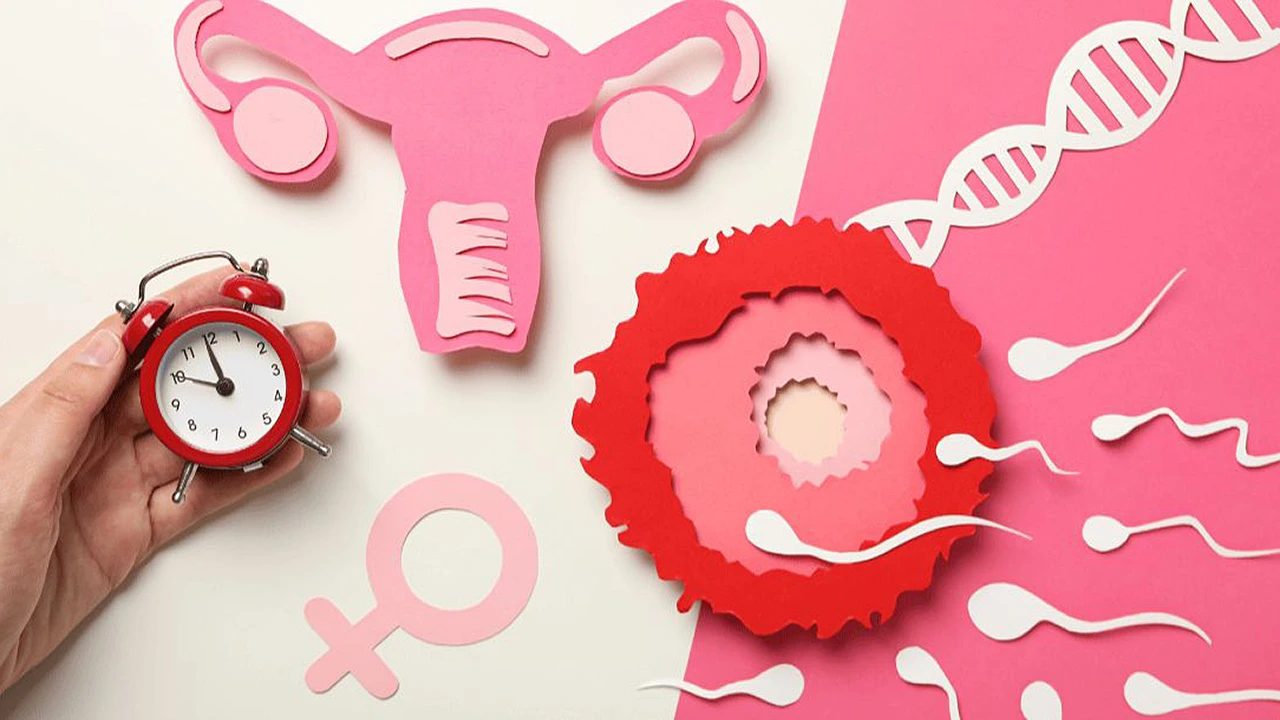
Donor eggs have long been seen as a way to reset the reproductive clock, but new research suggests uterine ageing also plays a role. This article explains what the latest evidence shows, how the ageing uterus may affect implantation and pregnancy, and how women in their late forties can prepare.

In vitro gametogenesis, the science of creating eggs and sperm from ordinary body cells, has moved from mouse studies towards human research. This article explains how the approaches work, what recent milestones really show, the obstacles that remain and why clinical use is still likely to be several years away.
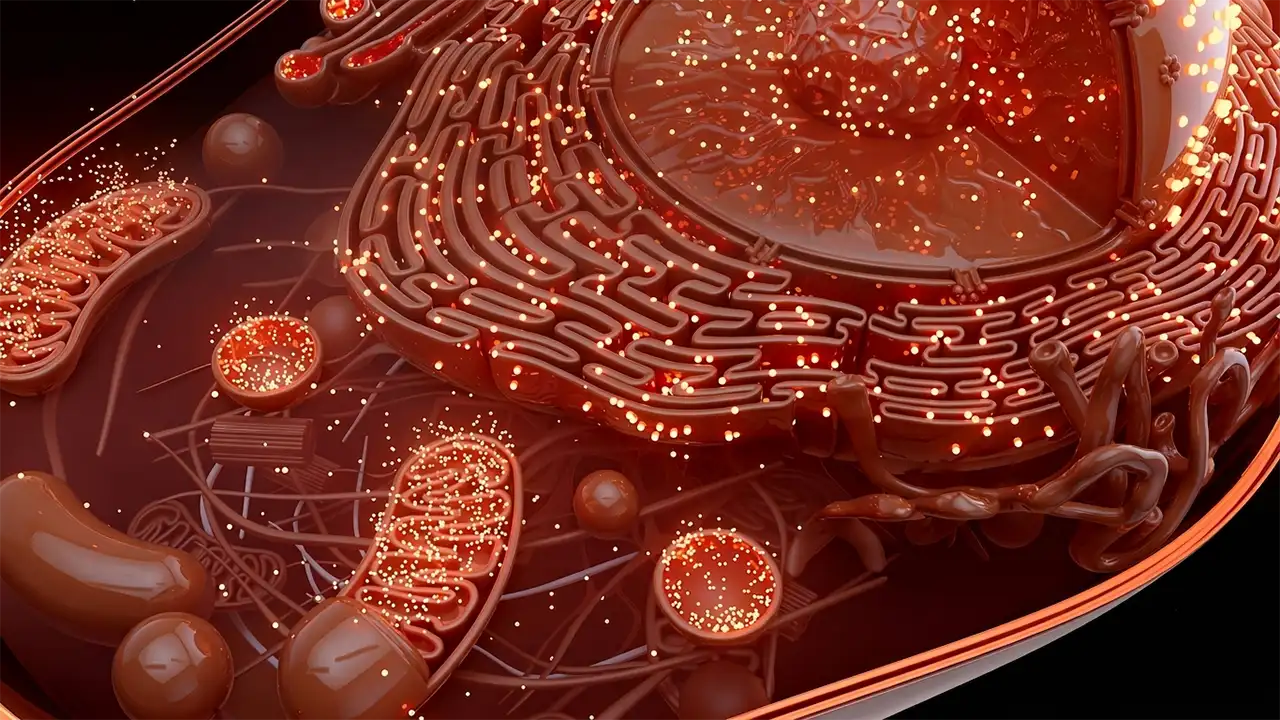
Mitochondrial donation, often called three-parent IVF, has now produced the first detailed clinical results, with healthy children born to mothers at high risk of passing on mitochondrial disease. This article explains how the technique works, who it is for, what the evidence shows and which scientific questions remain open

A new AI sperm recovery technique is changing the outlook for men with azoospermia. This article explains how the STAR method scans semen samples for rare hidden sperm, what its first reported pregnancy means, who may benefit, and the key questions couples should raise with their own fertility specialist.



