Home
 ArticlesArticles
Transvaginal oocyte retrieval (TVOR) is a key procedure in IVF, allowing the safe collection of mature eggs using ultrasound-guided techniques, enhancing fertility treatment outcomes.



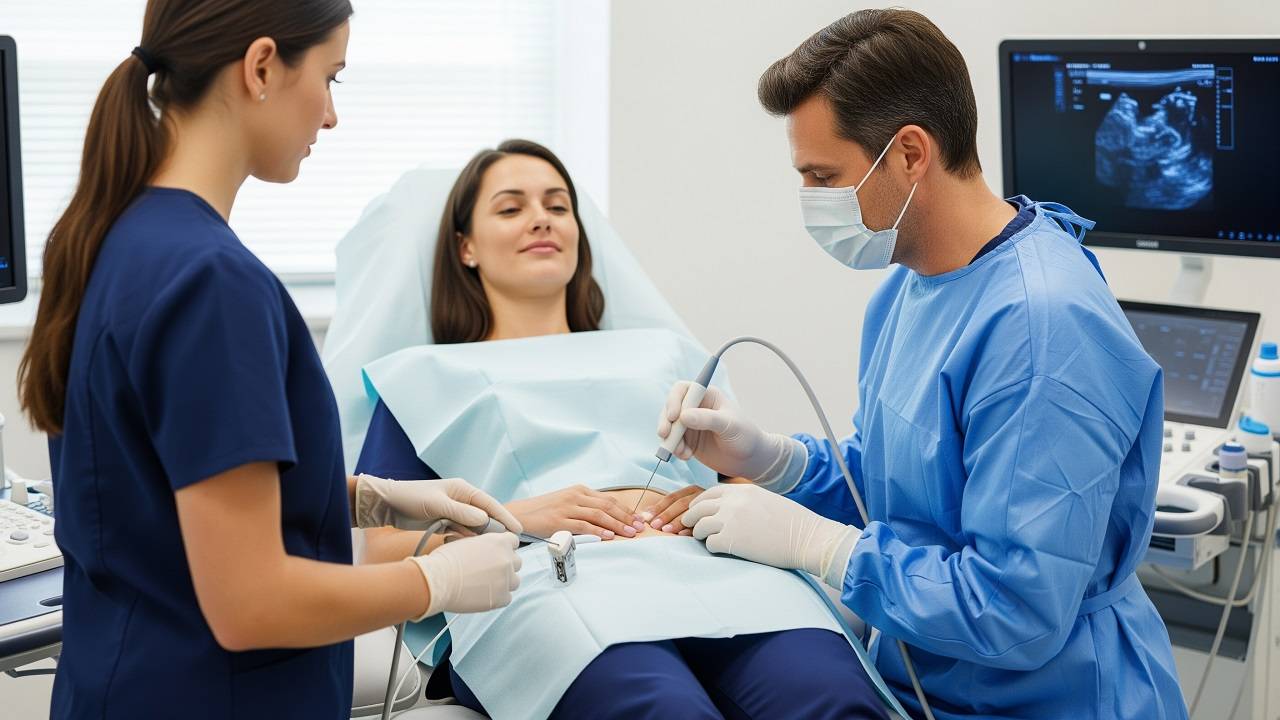
Transvaginal oocyte retrieval (TVOR) is a medical procedure designed to collect mature eggs (oocytes) from a woman’s ovaries. Unlike historical techniques that required invasive surgery, TVOR is performed through a thin needle guided by ultrasound, inserted via the vaginal wall to aspirate eggs from ovarian follicles. This method has become the standard for egg collection in IVF cycles due to its safety, effectiveness, and patient comfort.
In essence, the TVOR procedure allows fertility specialists to retrieve multiple eggs matured through hormone stimulation, which are then fertilized in the laboratory to create viable embryos.
Starting the journey of fertility treatment can be both hopeful and daunting, and one of the pivotal moments in this process is the transvaginal oocyte retrieval, commonly known as TVOR. This procedure is the bridge between ovarian stimulation and fertilization in assisted reproductive technologies like in vitro fertilization (IVF). It allows fertility specialists to collect mature eggs safely and effectively, shaping the success of the treatment. Understanding the TVOR procedure in detail can help patients feel more empowered and prepared for what lies ahead.
Transvaginal oocyte retrieval is a technique that revolutionized fertility treatments by replacing more invasive surgical egg retrieval methods. Instead of requiring incisions, this procedure uses a slender needle guided by ultrasound through the vaginal wall to reach the ovaries. The eggs are then aspirated gently from ovarian follicles, minimizing discomfort and speeding recovery. This minimally invasive egg retrieval has become a standard of care, widely preferred for its precision and patient comfort.
The relevance of TVOR in fertility treatment cannot be overstated; without it, the ability to retrieve multiple eggs in a single treatment cycle would be severely limited. Controlled ovarian stimulation, followed by careful timing and ultrasound guidance, allows the collection of numerous mature eggs, significantly increasing the chances of fertilization and pregnancy. Thus, the TVOR procedure is crucial for anyone pursuing fertility treatment strategies involving egg retrieval.
Egg retrieval via the TVOR procedure is indispensable for those undergoing fertility treatment like IVF. Typically, a natural menstrual cycle produces one mature egg; however, fertility medications stimulate the ovaries to mature several eggs simultaneously, increasing the chances of successful fertilization and pregnancy.
By enabling the collection of multiple eggs in a single cycle, the transvaginal oocyte retrieval technique maximizes the efficiency of treatment. Without it, the ability to perform IVF or other assisted reproductive procedures would be severely limited.
Understanding each stage of the TVOR procedure can help patients feel more confident and prepared.
Before TVOR, fertility medications stimulate the ovaries to develop multiple mature follicles. Regular ultrasound scans and blood tests monitor follicular growth and hormone levels. Once the follicles reach the appropriate size, a trigger injection (commonly hCG or a GnRH agonist) is administered approximately 34-36 hours prior to retrieval. This injection induces final egg maturation.
On the day of the transvaginal oocyte retrieval, patients receive mild sedation or anesthesia to ensure comfort and minimize discomfort. The procedure is usually outpatient, meaning same-day discharge after recovery is common.
With the patient positioned appropriately, the clinician inserts a transvaginal ultrasound probe into the vagina. The ultrasound provides real-time imaging of the ovaries and follicles. A specialized aspiration needle, attached to the ultrasound probe, is then carefully guided through the vaginal wall and into each individual ovarian follicle.
Gentle suction retrieves follicular fluid containing the eggs. The process is repeated systematically until all targeted follicles have been aspirated.
The aspirated follicular fluid is immediately handed to embryologists, who identify and isolate the eggs under a microscope. The viability and maturity of each egg are assessed before fertilization procedures commence.
The TVOR procedure generally lasts about 10-30 minutes. Afterward, patients rest briefly under observation before returning home. Mild cramping, spotting, or vaginal discomfort is common, but serious complications are rare.
The recovery phase following the transvaginal oocyte retrieval is typically straightforward. Many patients experience mild cramping or a sensation of pelvic fullness, which is a normal response to the procedure. Light spotting or vaginal discharge may be noticed, usually resolving within a day or two. The gentle nature of this minimally invasive egg retrieval allows most patients to resume light activities within 24 to 48 hours.
Adequate rest during the first day post-procedure is important to facilitate optimal recovery. Patients are encouraged to avoid strenuous activities, sexual intercourse, or heavy lifting for several days to prevent complications. Monitoring for unusual symptoms such as heavy bleeding, severe pain, fever, or signs of infection is essential and should prompt immediate medical attention.
The days following TVOR involve anticipation and hope, as patients await fertilization results and subsequent steps such as embryo transfer. Throughout, the clinic provides guidance and support, tailoring care to the individual needs of each patient.
One of the significant advantages of the transvaginal oocyte retrieval procedure is its minimally invasive nature. With no abdominal incisions required, it limits recovery time and postoperative discomfort, making it a preferable choice over traditional surgical egg retrieval. The use of ultrasound guidance enhances accuracy, reducing risk to surrounding tissues and increasing the likelihood of retrieving a greater number of viable eggs.
Sedation during the TVOR procedure means patients typically do not recall discomfort experienced during oocyte aspiration, vastly improving the overall patient experience. The outpatient setting allows patients to return home the same day, and the relatively short procedure time contributes to reducing anxiety and stress associated with treatment.
While the procedure is very safe, it is not without potential risks. Minor complications include vaginal bleeding, pelvic pain, or infection, which are relatively rare due to sterile technique and expertise. A small number of patients may experience ovarian hyperstimulation syndrome (OHSS), a reaction to hormone stimulation that requires careful clinical monitoring. Fertility clinics prioritize patient safety, employing protocols designed to minimize these risks.
Transvaginal oocyte retrieval (TVOR) is an essential, minimally invasive procedure in modern fertility treatment, enabling the collection of multiple eggs safely and efficiently. With expert ultrasound guidance and sedation, TVOR offers a comfortable and effective pathway for individuals pursuing assisted reproduction.
By understanding how the TVOR procedure works, from ovarian stimulation to egg aspiration and recovery, patients can approach fertility treatment with greater confidence and readiness.


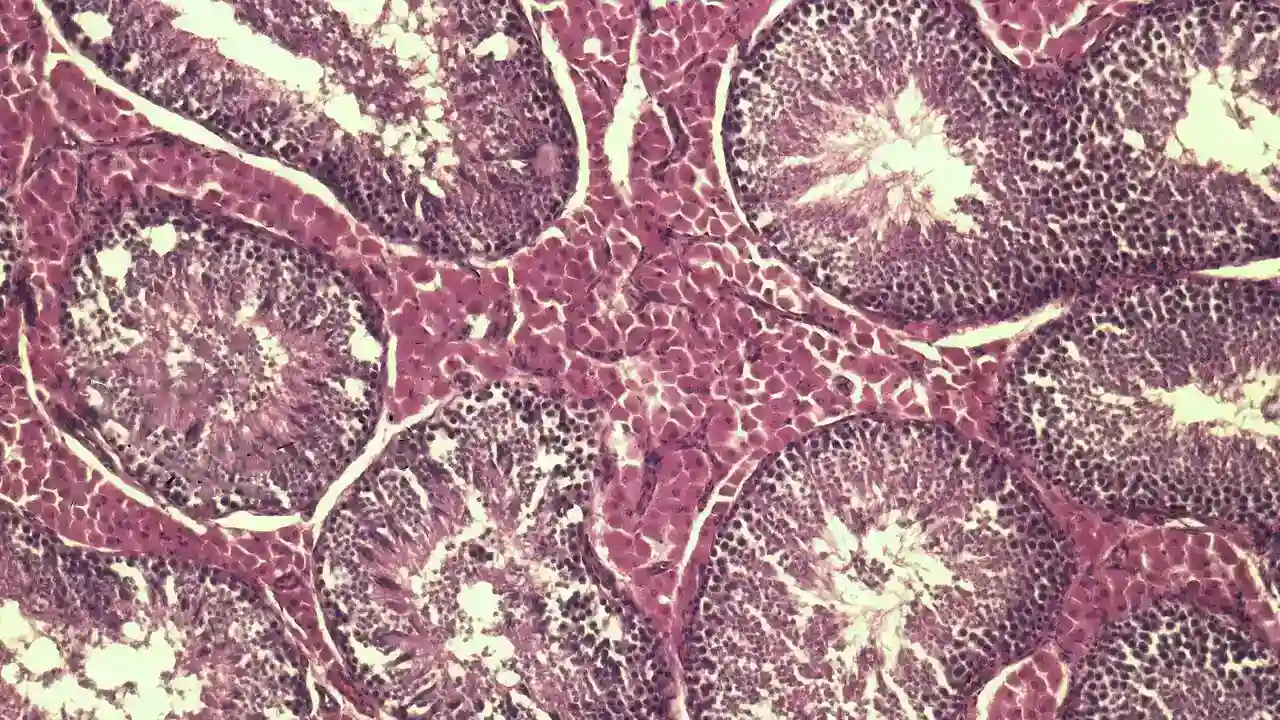
Boys treated for cancer before puberty cannot bank sperm, but freezing testicular tissue containing spermatogonial stem cells may one day restore their fertility. This article explains how the first transplants in adult survivors work, what the early research shows, the risks involved and why families should know about this option.
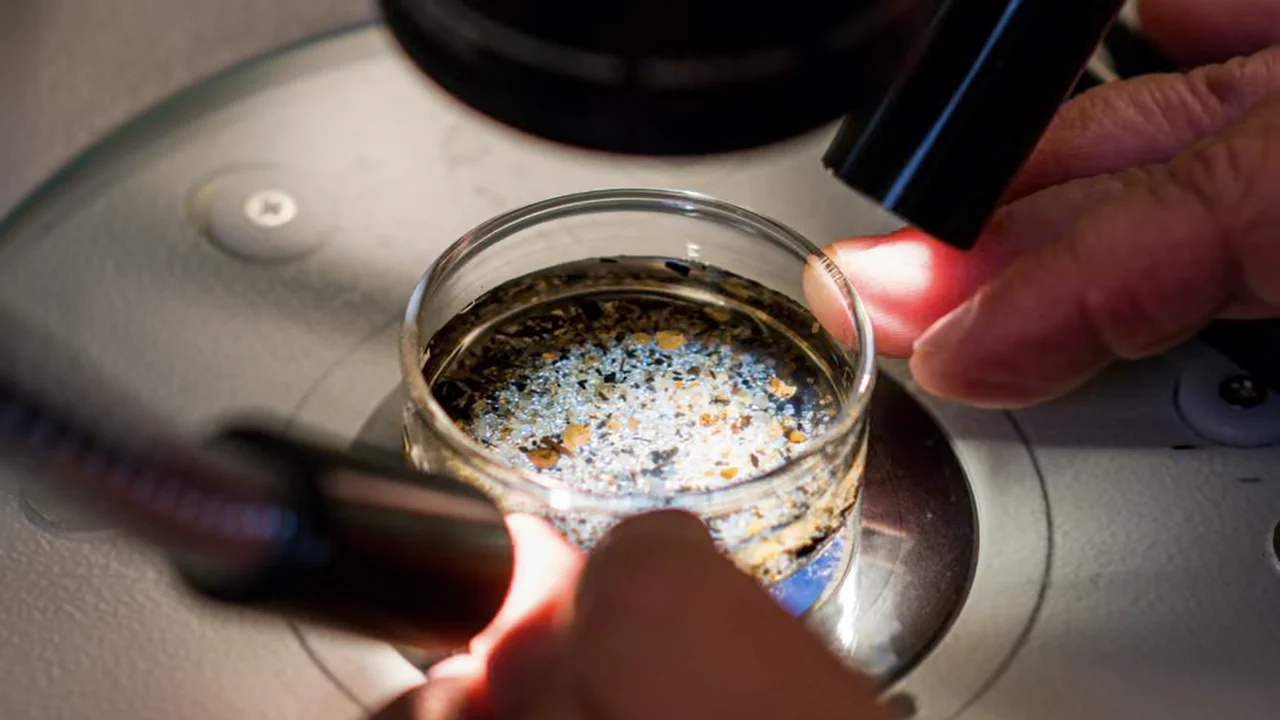
Microplastics have now been found in human follicular fluid and seminal fluid. This article explores the fast-growing body of research on microplastics and fertility, what scientists know and do not yet know about their effects on eggs and sperm, and practical, evidence-based ways that couples can reduce their everyday exposure.

Fertility conversations often focus on women, yet new research on sperm epigenetics shows a father's environment matters too. This article explains how air pollution may alter chemical marks on sperm DNA, why those changes could matter for fertility and pregnancy, and the practical steps men can reasonably consider before conception.
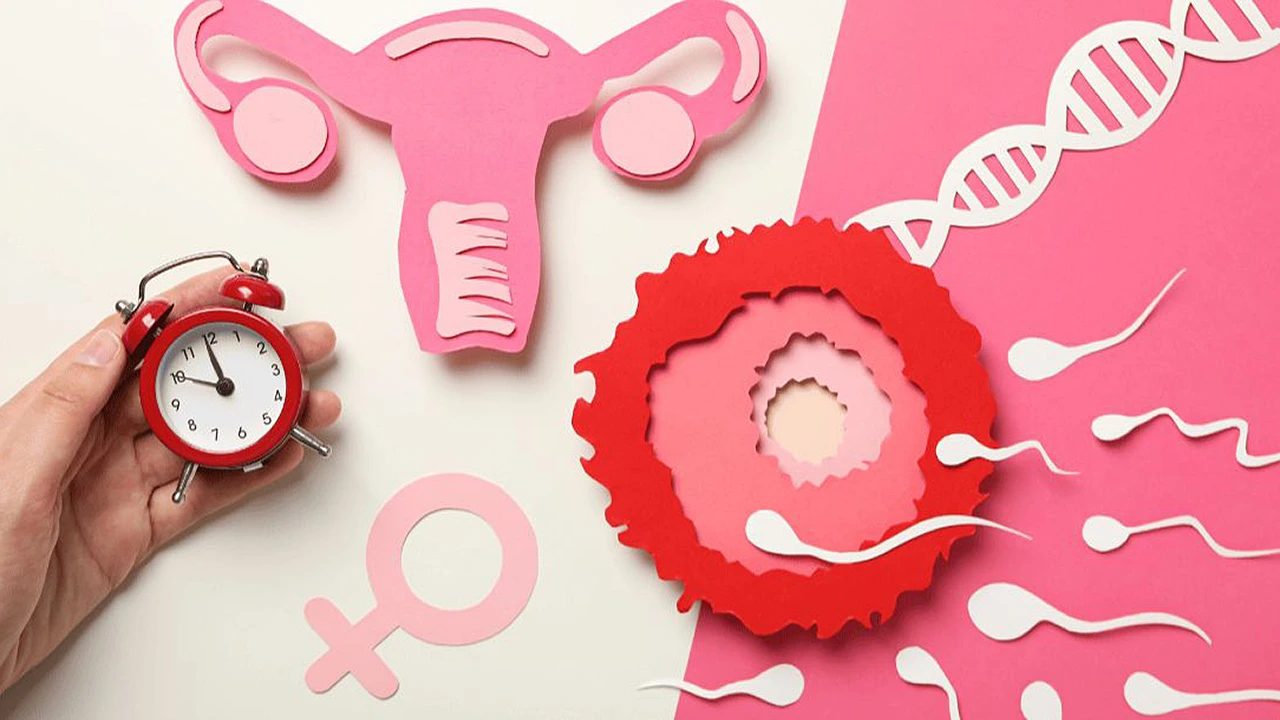
Donor eggs have long been seen as a way to reset the reproductive clock, but new research suggests uterine ageing also plays a role. This article explains what the latest evidence shows, how the ageing uterus may affect implantation and pregnancy, and how women in their late forties can prepare.

In vitro gametogenesis, the science of creating eggs and sperm from ordinary body cells, has moved from mouse studies towards human research. This article explains how the approaches work, what recent milestones really show, the obstacles that remain and why clinical use is still likely to be several years away.
Mitochondrial donation, often called three-parent IVF, has now produced the first detailed clinical results, with healthy children born to mothers at high risk of passing on mitochondrial disease. This article explains how the technique works, who it is for, what the evidence shows and which scientific questions remain open

A new AI sperm recovery technique is changing the outlook for men with azoospermia. This article explains how the STAR method scans semen samples for rare hidden sperm, what its first reported pregnancy means, who may benefit, and the key questions couples should raise with their own fertility specialist.