Home
 ArticlesArticles
The In Vitro Fertilization (IVF) process emphasizes the importance of hormonal stimulation for successful outcomes. It explains how hormonal stimulation is crucial for ovarian development, enabling the production of multiple eggs for fertilization and ultimately enhancing the chances of achieving a successful pregnancy.



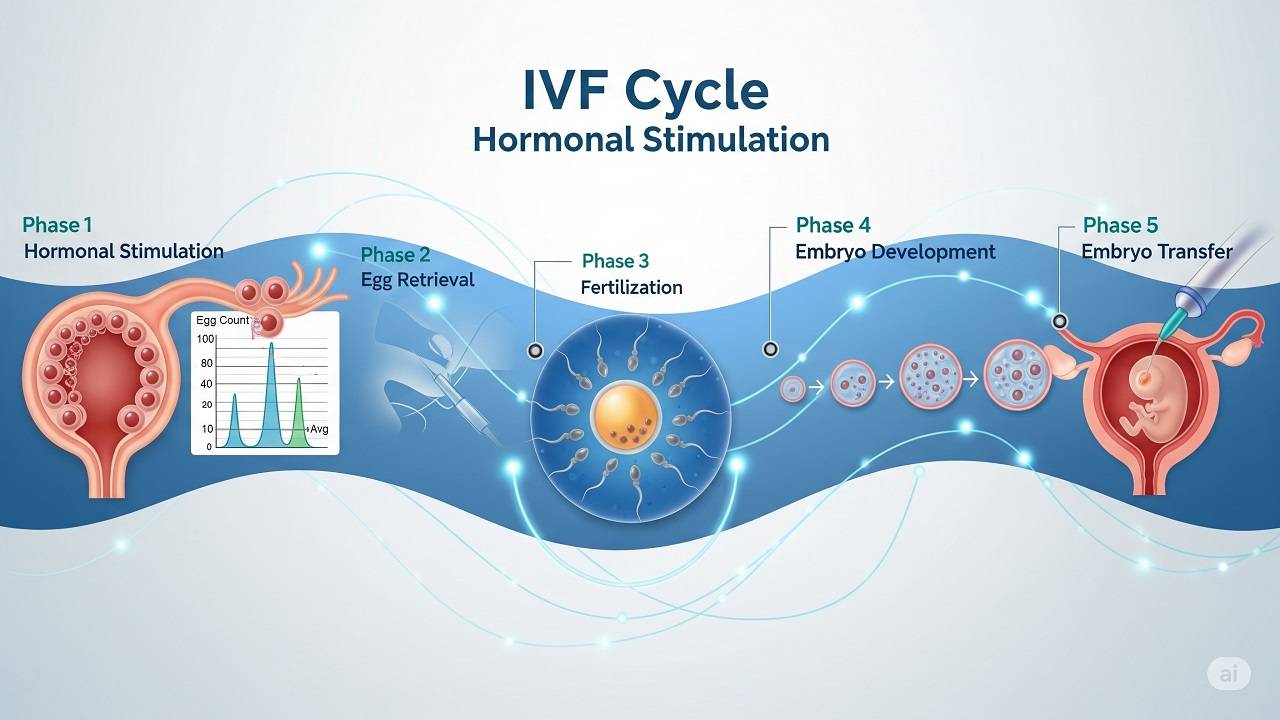
In vitro fertilization (IVF) is an effectively used ART (assisted reproductive technology), either as a standalone treatment or in conjunction with other techniques. There are several steps in the IVF process: ovarian stimulation, egg retrieval, fertilization, and embryo transfer. An IVF cycle relies heavily on hormonal stimulation to artificially induce the ovarian development of multiple eggs. As such, knowing about the IVF timeline and the process of hormonal stimulation can help individuals or couples undergoing IVF treatment feel more knowledgeable about what is to come.

Most IVF cycles take around 4 to 6 weeks from the start of ovarian stimulation (injections) to the pregnancy test. The time frame can differ somewhat depending on a handful of factors, including the age of the patient, how well they respond to medications, and the unique protocol the fertility clinic uses. Here’s a typical IVF timeline, divided into phases.
TThe ovarian stimulation phase is the most important part of the IVF cycle, as the patient starts a series of hormone injections to prompt her ovaries to develop multiple eggs at once.This stage usually lasts approximately 10 to 14 days.
Once the follicles have matured to the appropriate size (typically 18-20 mm in diameter), the final stage of ovarian stimulation commences.

Embryo Culture: Post fertilization, embryos are cultured in the lab for 3–5 days. The embryologist observes their development over the following days, looking for signs of healthy cell division and blastocyst formation (the stage at which the embryo is ready for implantation). The embryos are graded according to their appearance, and only the best-quality embryos are chosen for transfer.
Embryo Transfer: The last step is the embryo transfer, the non-surgical procedure in which the selected embryos are placed into the woman's uterus. The transfer is usually performed 3 to 5 days after egg retrieval, based on how well the embryos are developing. The embryos are carefully placed directly into the uterine cavity via a catheter, a relatively straightforward, painless procedure. Here, one or two embryos are transferred depending on the case of the patient (the number is often limited to prevent multiple pregnancies).
Luteal Stage Sustenance: Subsequently, they start taking progesterone, which is generally administered through injections or vaginal suppositories, after the embryo transfer to help support the uterine lining and encourage embryo implantation. This stage generally continues until the pregnancy is confirmed with a blood test.
Hormonal stimulation is necessary for IVF because it allows the ovaries to generate many eggs (and for these eggs to be fertilized), all the better to maximize the likelihood of success. Several key medications are involved in this process:
hCG is given to trigger the final maturation of the eggs just prior to retrieval. This hormone is similar to the body’s natural luteinizing hormone surge that happens in a typical cycle right before ovulation.
Progesterone provides luteal phase support following embryo transfer to maintain endometrial growth and succeed in the implantation of the embryo. Progesterone may be given through injections, vaginal suppositories, or oral medications.
In Vitro Fertilisation (IVF) is a complex multiple-step process with a series of good decision-making for a successful positive pregnancy. An important component of the cycle is the ovarian stimulation phase, in which hormonal medications are administered to stimulate the ovaries to produce multiple eggs. In addition, the process of hormonal stimulation takes care to ensure that an adequate number of eggs have matured in order to be available for fertilization, and monitoring the patient’s response to medication during treatment allows for optimisation of the result of the cycle. The timeline and role of hormonal stimulation may also be useful for patients in preparing for their IVF journey and may boost their chances of success.


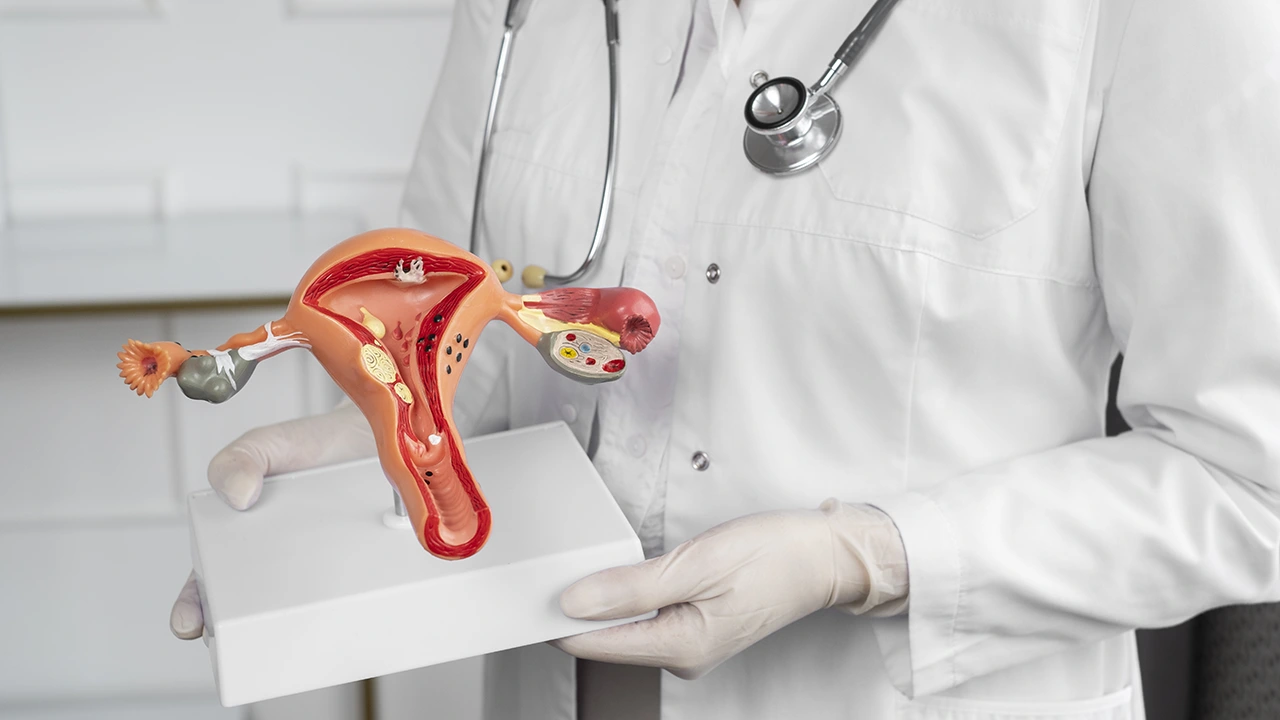
Womb transplantation is giving women with absolute uterine factor infertility the chance to carry and deliver their own child. This article explains how the process works from donor to delivery, who may be suitable, the risks involved and what recent births from living and deceased donors mean for patients.

Advanced female age causes fertility decline through reduced egg quantity, increased chromosomal abnormalities, and mitochondrial dysfunction. Understanding these biological mechanisms helps women make informed family planning decisions. Modern fertility treatments including IVF, preimplantation genetic testing, and egg freezing offer practical solutions to overcome age-related reproductive challenges when trying to conceive.
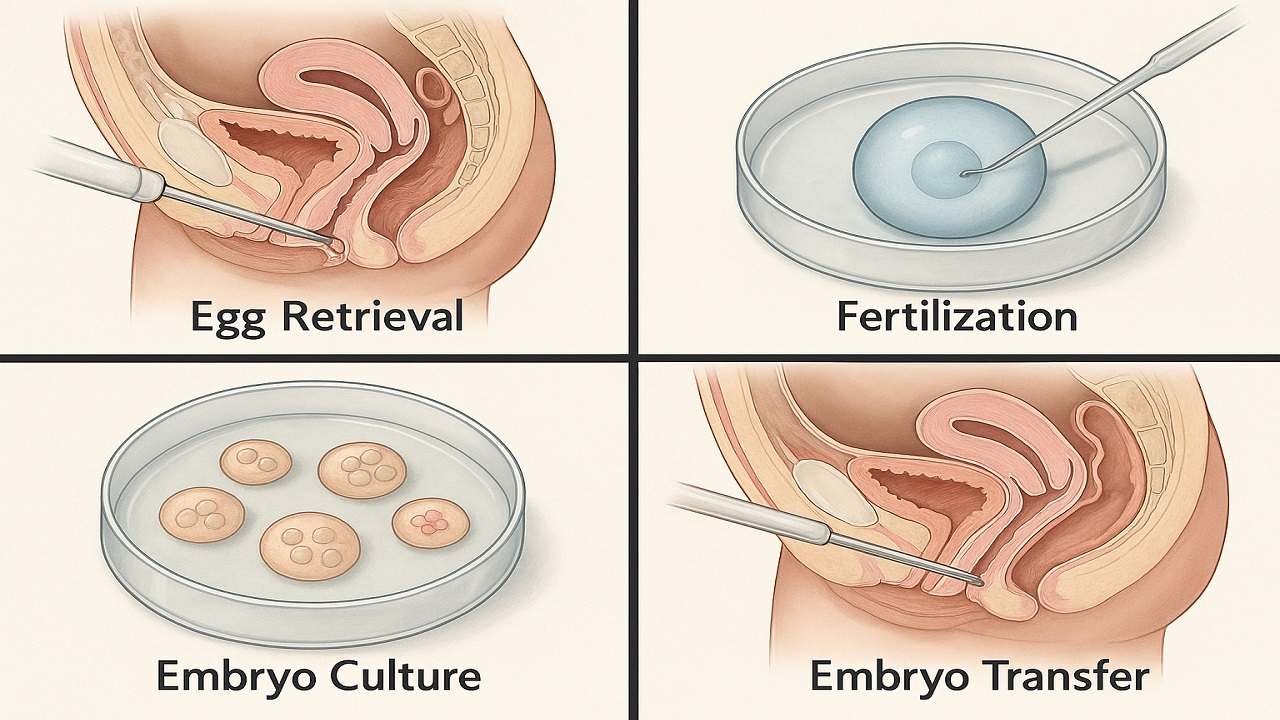
In Vitro Fertilization (IVF) process step by step, emphasising the importance of various stages such as ovarian stimulation, egg retrieval, fertilization, and embryo transfer in maximising the In Vitro Fertilization (IVF) Success Rate. It highlights how a thorough understanding of the procedure can prepare couples and individuals for their In Vitro Fertilization(IVF) journey, ultimately improving their chances of achieving a successful pregnancy.
Vitamin D Deficiency Affect IVF outcomes by influencing endometrial receptivity, embryo quality, and hormone balance. Clinical evidence, age-specific risks, and PCOS implications, while offering actionable strategies to optimize Vitamin D levels and improve IVF success rates and pregnancy outcomes in a structured, patient-focused approach.
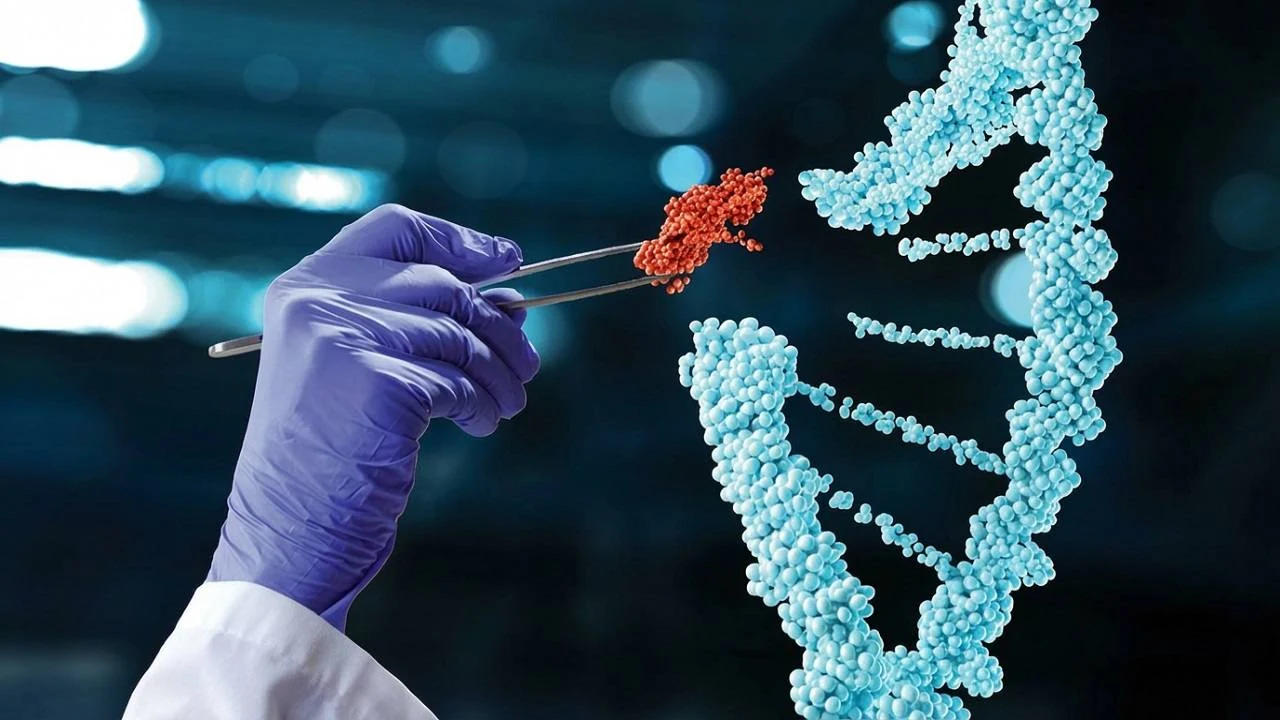
Preimplantation Genetic Testing (PGT) revolutionizes IVF by screening embryos for chromosomal abnormalities and genetic disorders before transfer. This advanced technology increases pregnancy success rates, reduces miscarriage risk, prevents inherited diseases, and shortens time to pregnancy while providing diagnostic clarity and reducing emotional stress for couples.

Clinical evidence increasingly demonstrates that emotional stress or grief reduces the chances of IVF success through sophisticated biochemical pathways that directly influence reproductive physiology. This relationship extends far beyond simple correlations, revealing profound mechanistic connections between psychological distress and the delicate orchestration of hormonal events essential for successful conception.
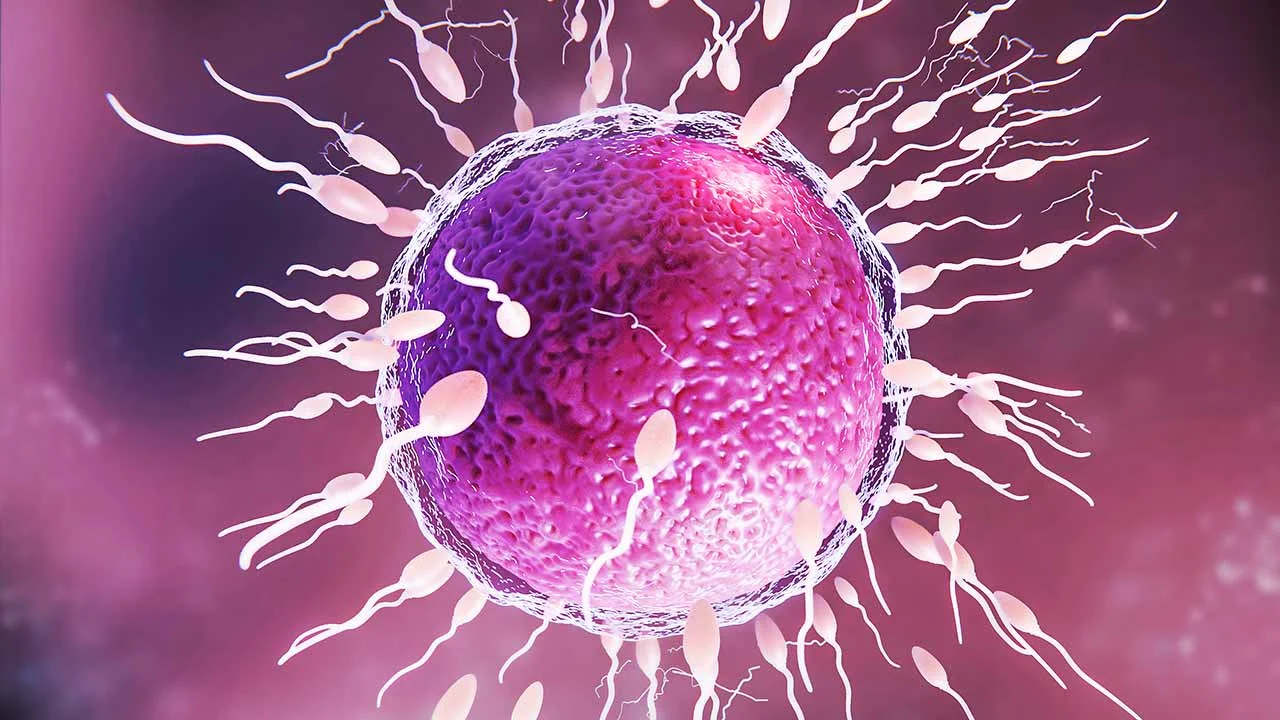
IVF in 2025 is shifting from hype to evidence-based innovation. As precision, automation, AI, and genetic advances reshape fertility care, patients must distinguish proven breakthroughs from outdated add-ons. This guide examines five groundbreaking IVF technologies in 2025 to understand which advances genuinely improve outcomes