Home
 ArticlesArticles
The legacy of Patrick Steptoe and Robert Edwards in In Vitro Fertilization (IVF) revolutionized reproductive medicine, leading to the birth of the first test-tube baby, Louise Brown.



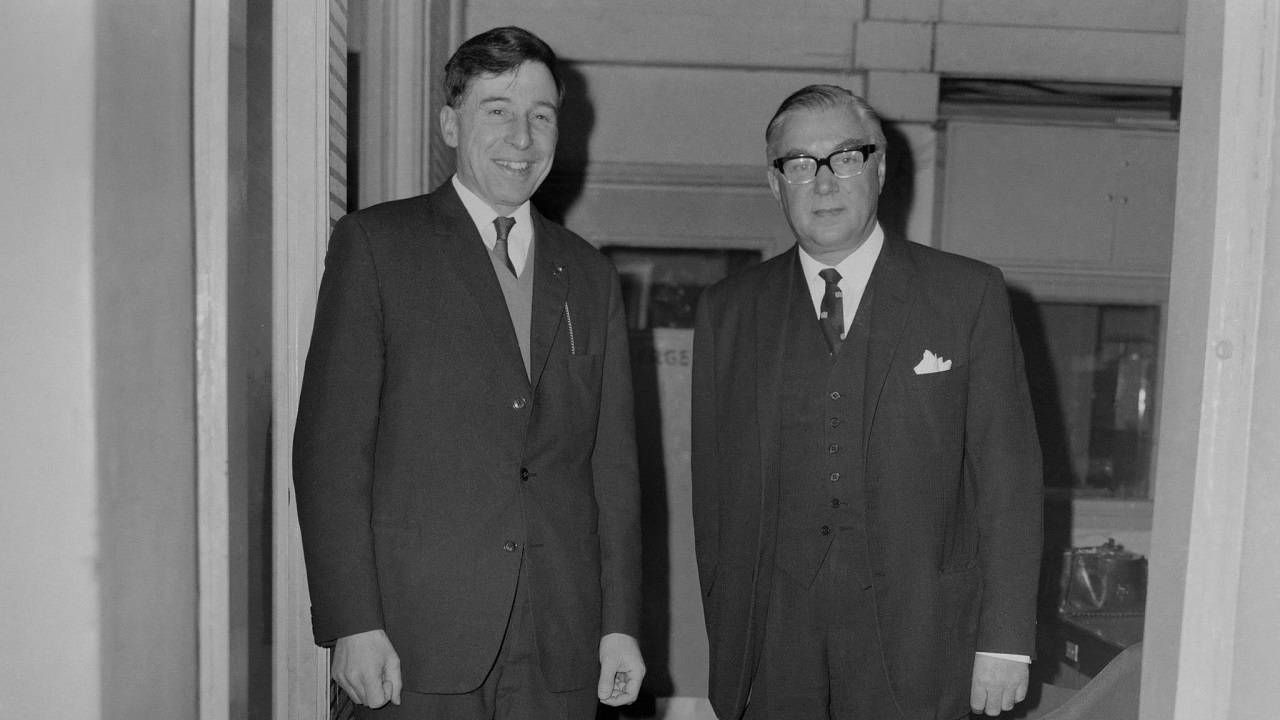
Patrick Steptoe and Robert Edwards are recognized as early heroes of Assisted Reproductive Technology (ART). This title told the story of their pioneering work in developing the process of In Vitro Fertilization (IVF) that would ultimately transform the field of reproductive medicine and tens of millions of individuals and couples fraught with the burden of infertility. The two scientists are best known for the successful birth of the world’s first “test-tube baby,” Louise Brown, in 1978. This collaboration ushered in an era of new possibilities in the field of reproductive health and laid the groundwork for a technology that has continued to advance and provide hope for many individuals today.
Dr. Patrick Steptoe was a British gynaecologist and obstetrician with a keen interest in fertility and the science of human reproduction. In the 1960s and the 1970s, Steptoe did pioneer research on laparoscopic surgery, a less invasive way to examine and treat the female reproductive organs. His experience with laparoscopy offered an ideal setting for studying infertility-related problems.
In the early 1970s, Steptoe had grown increasingly focused on the idea of fertilizing human eggs outside the body, a procedure that would ultimately give rise to IVF. He also understood that IVF could be used to overcome infertility caused by blocked or damaged fallopian tubes. Steptoe, who practiced at the Bristol Royal Infirmary, developed laparoscopic techniques with which he could safely retrieve women’s eggs from their ovaries with minimal trauma, a feat that made in vitro fertilization a more viable possibility.
But Steptoe’s interest in IVF treatment development went beyond surgical techniques. He realised that to learn how to grow human eggs outside the body, fertilize them, and implant them successfully in a woman’s uterus, a scientific breakthrough was necessary.
One of the pioneers in making IVF a scientific procedure was the British physiologist Robert Edwards. He had long been fascinated by the biology of human reproduction, particularly in vitro fertilization and embryology. His research on the subject started in the 1950s, and for decades, he studied the developmental stages of human embryos.
Edwards’ work was instrumental in developing the procedures that eventually made IVF possible. In a specific instance, he researched the conditions necessary for fertilizing an egg and developing an embryo in a man-made environment. His work showed how to stimulate human ovaries to produce eggs and, once fertilised, how to develop the conditions in a lab that would allow the fertilized eggs to survive.
Edwards' work met with considerable scepticism from his peers, much of it based on the ethical and moral issues raised by "artificial fertilization". Yet Edwards had a vision of wanting to assist couples struggling with infertility.
It was in the 1960s that Edwards made a breakthrough by successfully fertilizing human eggs in the laboratory. It was his work in the early 1970s, however, with the British embryologist Patrick Steptoe, that paved the way for the first IVF birth.
The true collaboration between Patrick Steptoe and Robert Edwards started in the early 1970s. Edwards was the laboratory and embryologist expert, and Steptoe brought laparoscopic surgical skills to the team. Their complementary expertise would help them meet the many challenges that would greet them in developing IVF.
In 1973, after years of trial and error, Steptoe and Edwards achieved their first successful In-vitro harvest and fertilization of an egg. But the challenge was far from over. The fertilized eggs had to grow into embryos and then be successfully implanted into a woman’s uterus. After much trial and error, tweaking their approaches, they were able to make real headway.
Lynham and his colleagues made their most significant accomplishment in 1977, during which they successfully fertilized eggs from a woman named Lesley Brown and implanted the resulting embryos in her uterus. Louise Brown, the world’s first IVF baby, was born in Oldham, England, in 1978, after multiple unsuccessful attempts. On that historic day, a landmark scientific breakthrough changed the trajectory of reproductive medicine for good.
The work of Steptoe and Edwards met with large public and ethical opposition. Many challenged the ethics of controlling human reproduction, and the Catholic Church and other religious organizations denounced the process. Some critics also worried that IVF would result in “designer babies” and other unintended consequences.
Even so, both Steptoe and Edwards continued to believe that their work might allow infertile couples to have children. For them, the prospect that their research would facilitate otherwise frustrating to utterly heartbreaking journeys to conception was a motivating factor of unparalleled magnitude.
Once IVF became more common and its successes were seen, public attitudes shifted. The birth of Louise Brown brought joy to many a family dealing with infertility as well as hope, and IVF slowly came to be recognised as a path to treatment. As time passed, Steptoe and Edwards' work would be seen not simply as a medical triumph but as a revolution in how we view fertility and reproductive health.
Louise Brown’s success was only the beginning. The decades to come would see rapid advances in IVF technology. Steptoe and Edwards’s groundbreaking work in the lab and operating room had laid the groundwork for the IVF procedures that are used around the globe today. IVF now provides hope to millions of people struggling with infertility, same-sex couples, and individuals facing other reproductive challenges.
Robert Edwards was awarded the Nobel Prize in Physiology or Medicine in 2010, in recognition of his contribution to the development of IVF. Although Patrick Steptoe passed away in 1988 and was not eligible for the Nobel Prize, he still played a crucial role in the development of the procedure.
Today, IVF has become one of the most common fertility treatments and has resulted in over 8 million IVF babies being born worldwide. Techniques have gotten better as time has gone on, including ICSI (Intracytoplasmic Sperm Injection) and genetic screening of embryos. The practices developed through IVF also laid the groundwork for achievements in egg freezing, embryo freezing, and genetic testing that enable people to plan their families later in life or prevent passing on hereditary conditions.
The contributions of Patrick Steptoe and Robert Edwards to reproductive medicine are nothing less than revolutionary. Developing a solution to infertility, albeit with some very significant ethical and scientific challenges in its path, led to the birth of Louise Brown and the proliferation of IVF, which might otherwise not have occurred had it not been for their tireless pursuit. Millions of lives across the globe are positively affected by what they did, and the hope, joy, and opportunity of parenthood that they have made possible for people who used to have few such options is their legacy. This dual collaboration would forever transform the field of fertility medicine and would carve their names in the annals of scientific history, as their contributions formed the foundation to explore human reproduction.


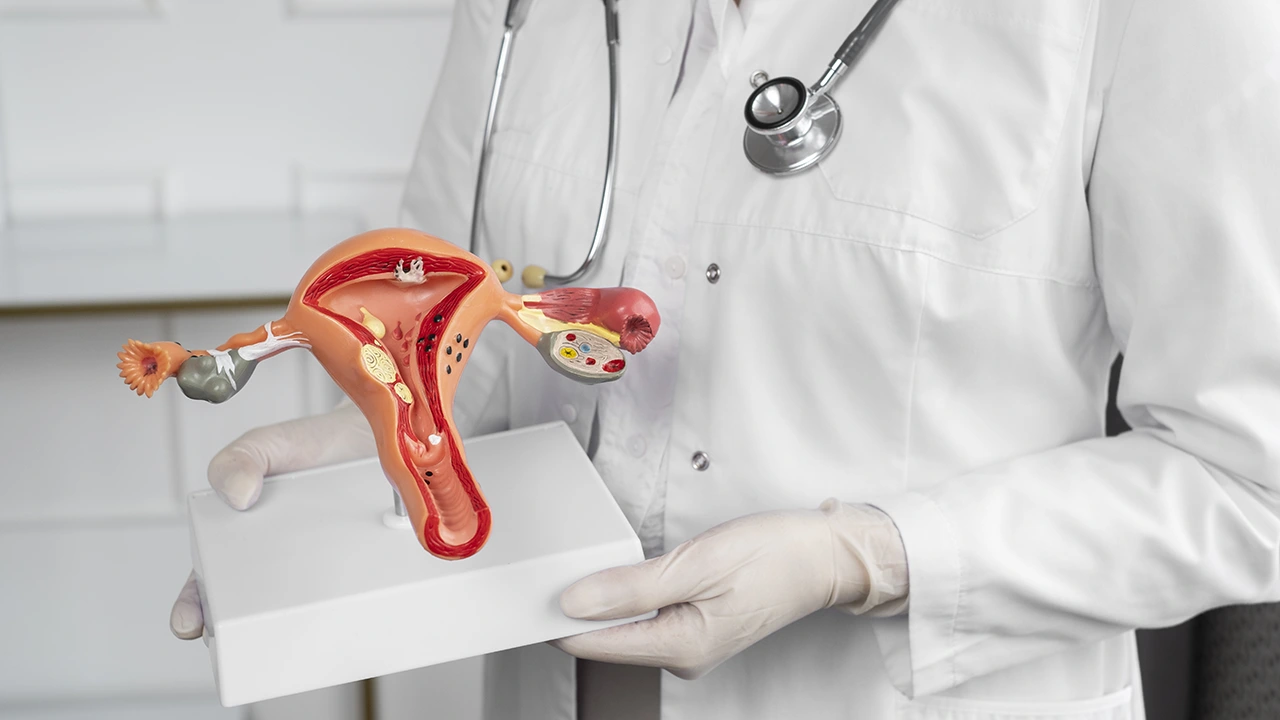
Womb transplantation is giving women with absolute uterine factor infertility the chance to carry and deliver their own child. This article explains how the process works from donor to delivery, who may be suitable, the risks involved and what recent births from living and deceased donors mean for patients.

Advanced female age causes fertility decline through reduced egg quantity, increased chromosomal abnormalities, and mitochondrial dysfunction. Understanding these biological mechanisms helps women make informed family planning decisions. Modern fertility treatments including IVF, preimplantation genetic testing, and egg freezing offer practical solutions to overcome age-related reproductive challenges when trying to conceive.
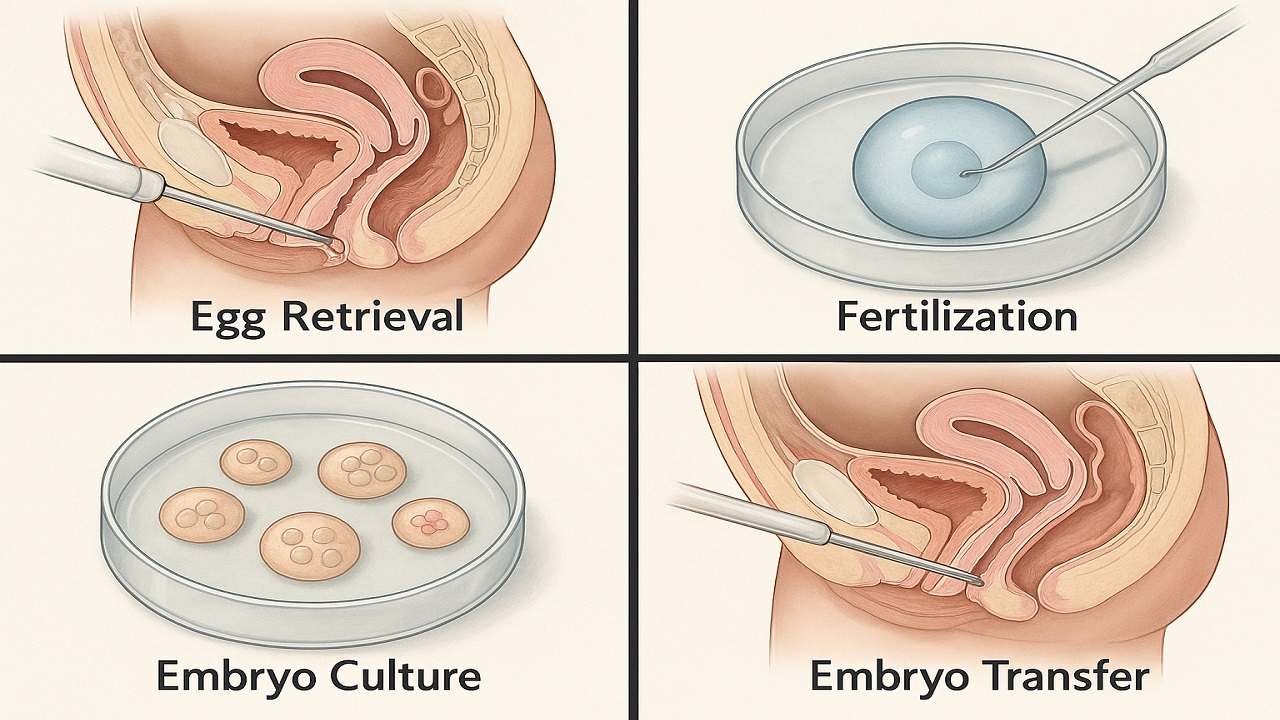
In Vitro Fertilization (IVF) process step by step, emphasising the importance of various stages such as ovarian stimulation, egg retrieval, fertilization, and embryo transfer in maximising the In Vitro Fertilization (IVF) Success Rate. It highlights how a thorough understanding of the procedure can prepare couples and individuals for their In Vitro Fertilization(IVF) journey, ultimately improving their chances of achieving a successful pregnancy.
Vitamin D Deficiency Affect IVF outcomes by influencing endometrial receptivity, embryo quality, and hormone balance. Clinical evidence, age-specific risks, and PCOS implications, while offering actionable strategies to optimize Vitamin D levels and improve IVF success rates and pregnancy outcomes in a structured, patient-focused approach.
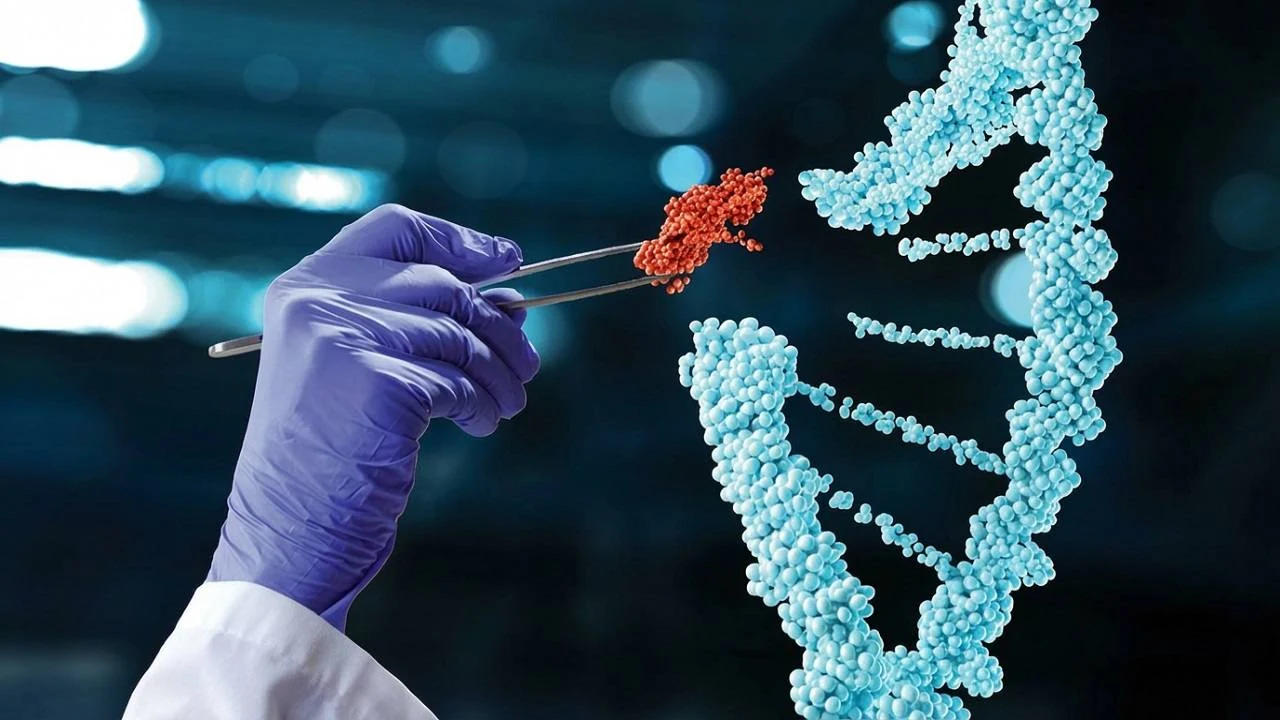
Preimplantation Genetic Testing (PGT) revolutionizes IVF by screening embryos for chromosomal abnormalities and genetic disorders before transfer. This advanced technology increases pregnancy success rates, reduces miscarriage risk, prevents inherited diseases, and shortens time to pregnancy while providing diagnostic clarity and reducing emotional stress for couples.

Clinical evidence increasingly demonstrates that emotional stress or grief reduces the chances of IVF success through sophisticated biochemical pathways that directly influence reproductive physiology. This relationship extends far beyond simple correlations, revealing profound mechanistic connections between psychological distress and the delicate orchestration of hormonal events essential for successful conception.
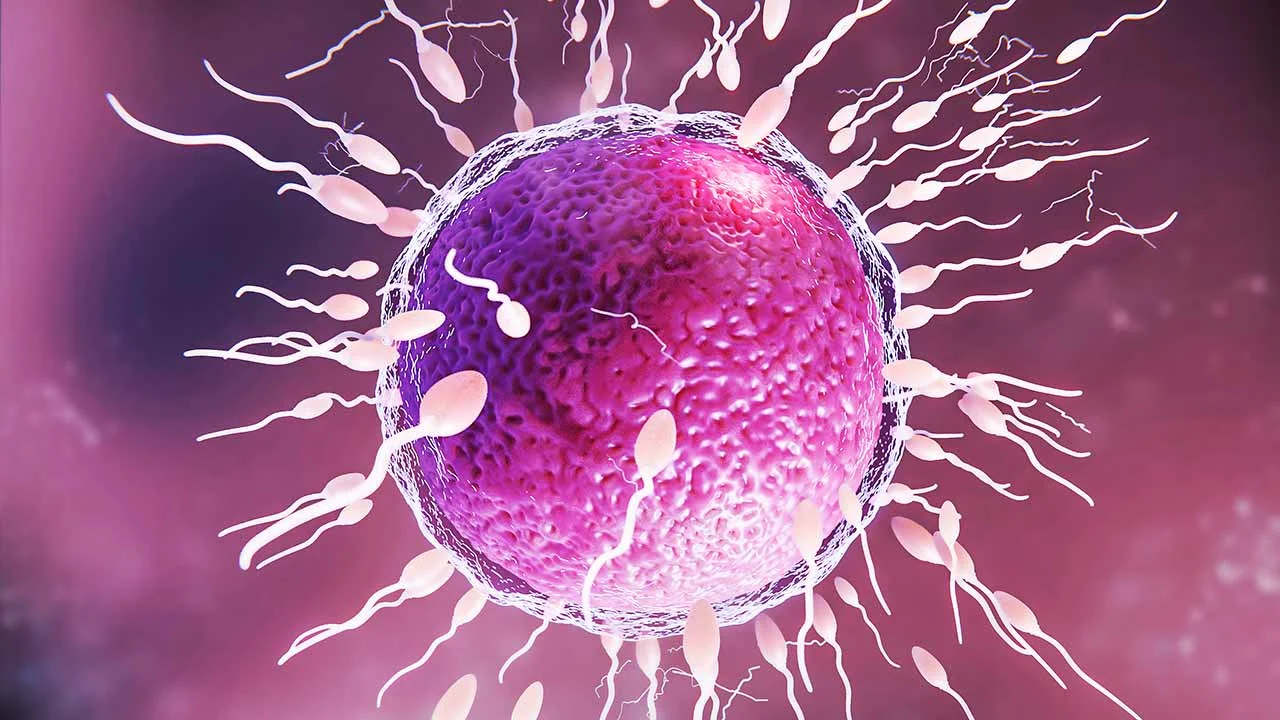
IVF in 2025 is shifting from hype to evidence-based innovation. As precision, automation, AI, and genetic advances reshape fertility care, patients must distinguish proven breakthroughs from outdated add-ons. This guide examines five groundbreaking IVF technologies in 2025 to understand which advances genuinely improve outcomes